
Understanding Chronic Pain
Chronic pain is one of the most misunderstood medical conditions. Unlike short-term pain that fades after healing, chronic pain persists for months or even years. It often affects how a person moves, sleeps, works, and interacts with others. This is why Pain Management exists as a specialized medical field rather than a single treatment option.
Acute Pain vs. Chronic Pain
Acute pain serves a protective purpose. It alerts the body to injury or illness and typically resolves as the underlying issue heals. Chronic pain behaves differently. It can continue long after tissues appear healed, or it may exist without an apparent injury at all. In many cases, the nervous system itself becomes hypersensitive, amplifying pain signals.
Why Chronic Pain Is Medically Complex
Chronic pain is rarely caused by just one factor. Structural issues, nerve dysfunction, inflammation, muscle weakness, stress, and even sleep disturbances can all contribute. Managing it effectively requires medical expertise that looks beyond symptoms alone.
What Is Pain Management?
Pain management is a medical specialty dedicated to diagnosing, treating, and reducing persistent pain while improving physical function and overall quality of life.
The Medical Purpose of Pain Management
The goal of pain management is not simply to mask pain but to understand why it persists and how it can be controlled safely and effectively over time.
Addressing the Whole Pain Experience
Pain affects more than the body. It influences mood, energy levels, and mental well-being. Comprehensive pain management considers physical, neurological, and behavioral components together.
Who Is a Pain Management Doctor?
A pain management doctor is a licensed physician with advanced training in treating complex and chronic pain conditions.
Medical Training and Expertise
Pain management doctors complete medical school followed by residency and fellowship training in pain medicine, anesthesiology, neurology, or physical medicine and rehabilitation. This background enables them to diagnose pain sources and apply advanced treatment techniques accurately. For More Information, Visit How Effective Are Nerve Blocks for Managing Cancer Pain?
Conditions Commonly Treated
Pain management doctors commonly treat chronic back pain, neck pain, joint pain, nerve pain, arthritis, headaches, and post-surgical pain syndromes.
How Pain Management Doctors Evaluate Chronic Pain
Effective treatment starts with a detailed evaluation.
Patient History and Pain Mapping
Doctors assess how long the pain has existed, what worsens or relieves it, prior treatments, and how the pain affects daily life. Pain mapping helps identify patterns that may indicate nerve involvement or structural issues.
Diagnostic Testing and Imaging
X-rays, MRIs, CT scans, and nerve studies may be used to confirm diagnoses and rule out severe conditions. These tools guide precise and targeted treatment decisions.
Creating a Personalized Pain Management Plan
No two patients experience pain the same way, which is why individualized care is essential.
Why Individualized Treatment Matters
A treatment that works for one patient may be ineffective or inappropriate for another. Personalized plans improve safety, outcomes, and long-term success.
Setting Realistic Treatment Goals
Pain management focuses on achievable goals such as improved mobility, reduced flare-ups, better sleep, and increased independence rather than promising complete pain elimination.
Non-Surgical Pain Management Treatments
Surgery is rarely the first approach in pain management.
Medication-Based Pain Management
Medications may include anti-inflammatory drugs, muscle relaxants, nerve-targeting medications, or other non-opioid therapies. These are carefully selected and monitored to balance benefit and risk.
Physical Therapy and Functional Rehabilitation
Physical therapy strengthens supporting muscles, improves posture, and restores movement patterns that reduce strain on painful areas.
Interventional Pain Management Techniques
When conservative treatments are insufficient, interventional options may be considered.
Injections and Nerve Blocks
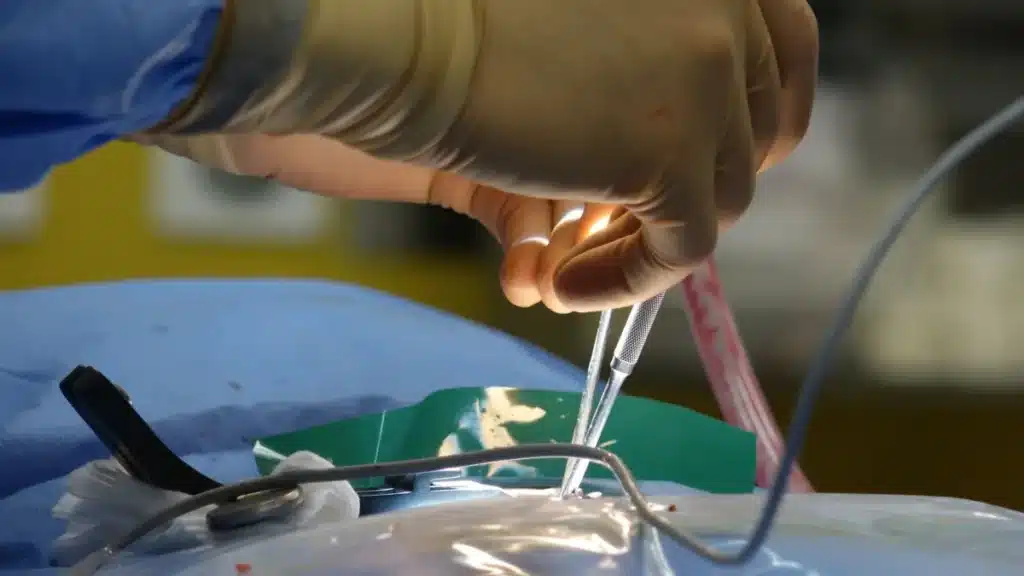
Epidural steroid injections, joint injections, and nerve blocks help reduce inflammation and interrupt pain signaling pathways.
Minimally Invasive Pain Procedures
These procedures are designed to target pain sources precisely while minimizing tissue damage and recovery time.
Chronic Pain Conditions Treated by Pain Management Doctors
Spine, Back, and Neck Pain
Conditions such as herniated discs, spinal stenosis, degenerative disc disease, and facet joint pain are commonly addressed through pain management.
Joint, Nerve, and Musculoskeletal Pain
Arthritis, neuropathy, tendon injuries, and chronic joint pain often respond well to multimodal pain management strategies.
Long-Term Pain Management and Ongoing Care
Chronic pain often requires ongoing monitoring.
Monitoring Progress Over Time
Pain management doctors regularly evaluate treatment effectiveness and adjust plans as conditions change.
Multidisciplinary Pain Management Approach
Coordinated Care With Other Specialists
Pain management doctors may collaborate with physical therapists, neurologists, orthopedic specialists, and primary care providers to deliver comprehensive care.
Patient Education and Self-Management Strategies
Lifestyle Factors That Influence Pain
Posture, activity levels, stress management, sleep habits, and ergonomics all play a role in long-term pain control.
Pain Management and Quality of Life
Improving Daily Function and Independence
Effective pain management helps patients return to work, hobbies, and daily routines with greater comfort and confidence.
Specialized Pain Clinics and Evidence-Based Care
Clinics such as SPINE AND PAIN CLINIC OF TEXAS operate within evidence-based pain management frameworks that prioritize diagnostic accuracy, patient safety, and long-term outcomes.
Clinical Standards in Modern Pain Management
Medical research, clinical guidelines, and measurable patient progress guide treatment decisions.
SPINE AND PAIN CLINIC OF TEXAS Serving the Parker Community and Beyond in Plano, TX
SPINE AND PAIN CLINIC OF TEXAS is dedicated to serving the diverse healthcare needs of the local community of Plano, TX, including individuals residing in neighborhoods like Parker. With a conveniently accessible location near landmarks such as the Parker Fire Department and major intersections like Windmill Creek Dr and Donna Ln (coordinates: Latitude: 33.058259, Longitude: -96.635956), we provide Pain Management services focused on spine, joint, nerve, and musculoskeletal conditions.
Get Pain Management Services in Parker Now
Call Us or Contact Us: +1-469-915-5222
Navigate from Parker to SPINE AND PAIN CLINIC OF TEXAS Now

What Does a Pain Management Doctor Do for Chronic Pain Conditions?
U.S. Chronic Pain Statistics & Patient Impact (2023)
- Prevalence of Chronic Pain: 24.3% of U.S. adults (about 61 million people) experienced chronic pain in 2023, defined as pain lasting most days or every day for 3+ months.
- High-Impact Chronic Pain: 8.5% of adults (approximately 21 million) had chronic pain that frequently limited life or work activities.
- Demographic Insights:
- Women report higher rates of chronic pain (25.4%) than men (23.2%).
- American Indian/Alaska Native adults have the highest prevalence (30.7%) compared to Asian (11.8%) and Hispanic (17.1%) adults.
- Chronic pain rates increase with age, reaching 36% in adults 65+.
- Pain Management Doctor’s Role:
- Diagnose and treat diverse chronic pain conditions (e.g., arthritis, neuropathy, fibromyalgia).
- Develop personalized, multidisciplinary care plans including medication, physical therapy, interventional procedures, and psychological support.
- Address functional limitations and improve quality of life by managing pain intensity and its impact on daily activities.
- Coordinate care to reduce opioid dependence and address mental health comorbidities like anxiety and depression.
Source: CDC National Health Interview Survey 2023, National Center for Health Statistics cdc.gov/chronic-pain
Conclusion
A pain management doctor plays a vital role in helping individuals live more functional, fulfilling lives despite chronic pain. Through careful evaluation, personalized treatment plans, and ongoing care, Pain Management Plano, TX addresses pain at its source while supporting long-term health and quality of life.
Frequently Asked Questions (FAQs)
1. What types of chronic pain do pain management doctors treat?
They treat spinal pain, joint pain, nerve pain, arthritis, headaches, and complex musculoskeletal conditions.
2. Is pain management focused only on medications?
No. Pain management includes diagnostics, physical therapy, interventional procedures, and lifestyle strategies.
3. How long does pain management treatment last?
Treatment length varies depending on the condition and patient response, ranging from short-term to long-term care.
4. Do pain management doctors perform procedures?
Yes. Many perform minimally invasive procedures such as injections and nerve blocks.
5. Can pain management improve function even if pain remains?
Yes. Improving mobility, endurance, and daily activity is a primary goal of pain management.