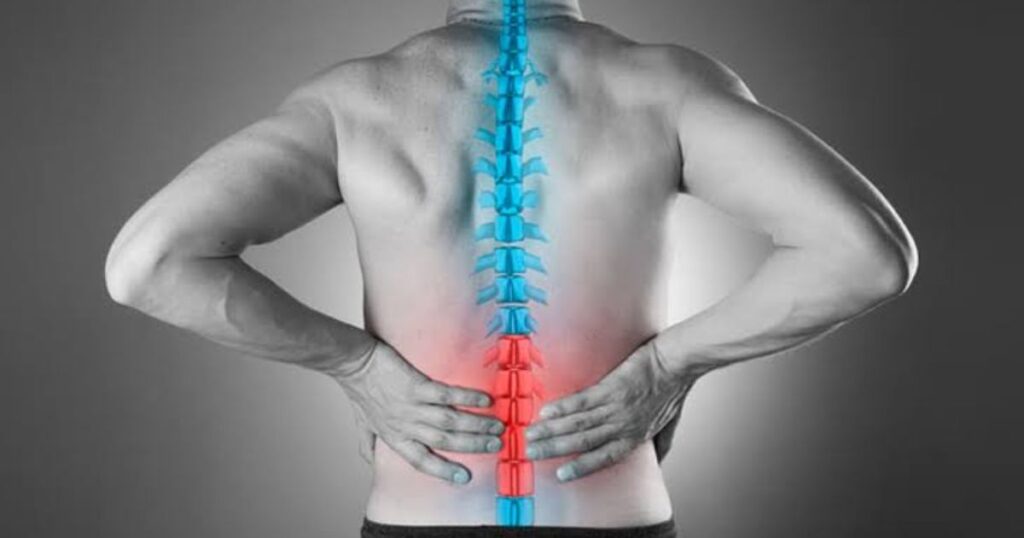

Persistent lower back pain can make everyday tasks such as walking, sitting, and sleeping difficult. When medication and physical therapy do not provide enough relief, your doctor may discuss a caudal injection. This minimally invasive treatment delivers medication into the lower epidural space to calm inflammation around irritated spinal nerves. It may help selected people with sciatica, nerve-related leg pain, or symptoms linked to certain disc conditions.
However, it does not repair damaged discs or suit every cause of back pain. A pain management specialist can review your symptoms, imaging, and medical history to decide whether this option fits your needs and explain its possible benefits, risks, and recovery.
Ready to explore whether a caudal injection can help relieve your back and leg pain? Visit Spine & Pain Clinic of Texas to learn about personalized pain management services in Plano, TX. Their experienced team can evaluate your symptoms and discuss whether a caudal epidural steroid injection is suitable for your condition. Request an Appointment today or call +1 (214) 256-3900 to schedule your consultation. Take the first step toward better mobility, lasting pain relief, and an improved quality of life.
1. What Is a Caudal Injection?
A caudal injection is a minimally invasive treatment that delivers medication into the lower portion of the spinal epidural space. Doctors usually use this approach to manage pain associated with irritated or inflamed spinal nerves. The medication may contain a corticosteroid and a local anesthetic.
Unlike surgery, this treatment does not involve removing discs or changing spinal structures. Instead, it aims to reduce inflammation surrounding sensitive nerves. A pain management specialist may recommend it when conservative treatments have not provided sufficient relief. Cleveland Clinic explains caudal epidural steroid injections.
What Is a Caudal Epidural Steroid Injection?
A caudal epidural steroid injection (CESI) is a specialized injection administered through an opening near the base of the sacrum. The physician places medication into the surrounding epidural space. This approach allows medicine to travel upward toward irritated nerve roots in the lower spine.
The treatment commonly combines a corticosteroid with a local anesthetic. The steroid helps control inflammation while the anesthetic temporarily numbs nearby tissues. Although some patients experience meaningful improvement, results depend on their diagnosis, symptom severity, and individual response.
Where Is the Caudal Epidural Space Located?
The caudal epidural space surrounds the protective covering of the spinal nerves. It extends through the lower spinal canal and provides a pathway for medication delivery. The physician accesses this space near the bottom of the sacrum rather than entering through the lumbar vertebrae.
The Dura mater is the tough outer membrane protecting the spinal cord and nerve roots. It lies within the vertebral canal, while the epidural space sits outside this protective covering. Understanding this anatomy helps explain why accurate needle placement matters during treatment.
What Is the Sacral Hiatus and Why Is It Important?
The sacral hiatus is a small opening near the bottom of the sacrum. It provides access to the lower epidural space. Physicians guide the needle through this opening to deliver medication around the irritated spinal nerves without approaching the spine through the upper lumbar region.
The opening sits near the Tailbone, medically known as the Coccyx. Its size and shape can vary between individuals. Therefore, physicians use anatomical knowledge and imaging guidance to identify the correct entry point and improve procedural accuracy.
What Medications Are Used in a Caudal Injection?
Medication choices depend on the patient’s condition and treatment goals. A physician may combine a steroid with a numbing medicine. The steroid provides longer-lasting anti-inflammatory effects, while the anesthetic offers temporary pain reduction around sensitive tissues.
Common medication examples include Lidocaine and Bupivacaine as local anesthetics. Physicians may also select Triamcinolone or Methylprednisolone as corticosteroids. However, not every procedure uses identical medications or doses. Your doctor determines the appropriate combination after reviewing your medical history.
| Medication type | Common examples | Main purpose |
|---|---|---|
| Local anesthetic | Lidocaine, Bupivacaine | Temporarily numbs the treatment area |
| Corticosteroid | Triamcinolone, Methylprednisolone | Reduces inflammation around irritated nerves |
| Contrast material | Iodinated contrast dye | Helps confirm medication spread during imaging |
How Is a Caudal Injection Different From Other Epidural Injections?
Epidural injections use different access routes depending on the patient’s anatomy and pain location. A caudal approach enters through the sacral hiatus. An interlaminar injection enters between spinal bones, while a transforaminal injection approaches a specific nerve opening.
The main difference involves medication delivery and needle placement. Caudal injections can provide broader epidural spread, although they offer less precise targeting than some other approaches. A physician selects the technique according to the diagnosis, imaging findings, and individual risks.
2. How Does a Caudal Injection Work?
Understanding the treatment mechanism makes the procedure easier to follow. A caudal injection places medication into the lower epidural space, where it can spread around irritated nerve roots. The goal is to reduce inflammation that contributes to pain, tingling, and other uncomfortable symptoms.
When inflammation decreases, affected nerves may become less sensitive. Consequently, patients may find everyday movements easier. However, the injection does not physically remove a herniated disc or reverse spinal narrowing. It primarily manages symptoms while other treatments address strength, flexibility, and function. NCBI explains epidural injection techniques and medication delivery.
How Does Medication Reach the Inflamed Spinal Nerves?
During treatment, the physician introduces a needle through the sacral hiatus. Once the needle reaches the correct location, medication enters the epidural space. It can then spread upward toward affected areas of the lower spine and surrounding nerve roots.
The extent of medication spread varies between patients. Scar tissue, spinal narrowing, and anatomical differences can influence distribution. Therefore, the caudal approach does not guarantee that every targeted nerve receives an identical medication concentration.
How Do Corticosteroids Reduce Nerve Inflammation?
Inflamed spinal nerves can become unusually sensitive to pressure and movement. Corticosteroids help calm the inflammatory response surrounding these structures. As irritation decreases, some patients experience less radiating pain and improved comfort during everyday activities.
These medicines do not rebuild damaged discs or permanently remove nerve compression. Their primary purpose involves controlling inflammation. The resulting improvement may create a useful opportunity to participate in rehabilitation and other forms of physical therapy.
What Role Does Local Anesthetic Play?
A local anesthetic temporarily blocks pain signals in nearby nerves. Physicians may include it alongside steroid medication to provide short-term numbing effects. Some patients notice improvement shortly after treatment because the anesthetic works faster than the corticosteroid.
However, this early improvement does not always indicate the final result. The numbing effect gradually wears off, and discomfort may briefly return. The steroid generally requires more time to produce its full anti-inflammatory effects.
How Does Fluoroscopy Help Guide a Caudal Injection?
Accurate needle placement is essential for safe medication delivery. Physicians commonly use Fluoroscopic guidance, which provides live X-ray images during the procedure. This technique helps identify the sacral opening and monitor the needle’s position as it enters the epidural space.
Doctors may also inject contrast dye to check medication distribution. This helps identify incorrect placement and possible entry into a blood vessel. Ultrasound guidance is another option in selected circumstances, depending on the physician’s expertise and clinical requirements.
3. What Conditions Can a Caudal Injection Treat?
Several spinal conditions can irritate the nerves responsible for lower back and leg pain. A caudal injection may help manage symptoms when inflammation contributes to these problems. However, the treatment works best for certain pain patterns rather than every type of back discomfort.
Physicians commonly consider epidural steroid injections for nerve-related symptoms associated with disc problems and spinal narrowing. Your medical history, physical examination, and imaging results help determine whether this approach makes sense. A correct diagnosis matters more than simply choosing an injection because your back hurts.
Caudal Injection for Herniated or Bulging Discs
Spinal discs act as cushions between neighboring vertebrae. Sometimes, the soft inner material pushes through a weakened outer layer. These Herniated discs may irritate nearby nerves and trigger pain that travels through the buttocks or legs.
Bulging discs can also contribute to discomfort when they irritate surrounding structures. A caudal injection may reduce associated nerve inflammation. However, it does not push the disc material back into place or repair the damaged structure.
Caudal Injection for Sciatica and Lumbar Radiculopathy
Sciatica describes pain that travels along the sciatic nerve pathway. People may feel discomfort from their lower back through the buttocks and down one leg. Burning sensations, pins and needles, and weakness can accompany the pain.
Lumbar radiculopathy occurs when a nerve root becomes irritated or compressed near the spine. A caudal injection may reduce inflammation around the affected nerve. This can improve radiating symptoms when inflammation contributes to the patient’s condition.
Caudal Injection for Lumbar Spinal Stenosis
Spinal stenosis develops when spaces inside the spinal canal become narrower. This narrowing may place pressure on nearby nerves and contribute to discomfort. Some people experience leg pain, numbness, or heaviness while standing or walking.
A caudal injection may help reduce inflammation around irritated nerves. However, it cannot widen the narrowed spinal canal. Patients with significant weakness or progressive neurological symptoms need careful assessment before considering an injection-based treatment.
Caudal Injection for Degenerative Disc Disease
Over time, spinal discs can lose water content and become less flexible. These age-related changes may contribute to Degenerative disc disease. Some people experience stiffness, aching, or discomfort that becomes worse during certain movements.
A caudal injection may help when degenerative changes also irritate nearby nerve roots. However, disc degeneration alone does not automatically make someone a suitable candidate. Physicians must identify whether inflammation or nerve irritation actually explains the symptoms.
Caudal Injection for Post-Laminectomy Syndrome
Some people continue experiencing pain after undergoing spinal surgery. Doctors may describe this condition as Post-laminectomy syndrome. It can involve persistent back pain, recurring leg symptoms, or discomfort related to scar tissue and postoperative changes.
A caudal injection may help selected patients when epidural inflammation contributes to their symptoms. The treatment can also be considered for certain cases of Failed back surgery syndrome. Still, the physician must investigate the reason for persistent pain before recommending treatment.
Caudal Injection for Persistent Lower Back and Leg Pain
Persistent Lower back and leg pain can develop from several overlapping problems. Irritated nerves, disc changes, and inflammation may contribute to uncomfortable symptoms. Some patients struggle with sitting, driving, walking, or maintaining their regular exercise routines.
A caudal injection may become part of a broader treatment plan when nerve inflammation plays an important role. However, muscular pain and other non-nerve conditions may require different treatments. Proper evaluation helps prevent unnecessary procedures.
4. Who Is a Good Candidate for a Caudal Injection?
Not everyone with back pain needs an epidural injection. Physicians usually consider this treatment when symptoms suggest irritated spinal nerves and conservative care has not provided enough improvement. The patient’s diagnosis, medical history, physical examination, and imaging findings all influence the decision.
Someone experiencing persistent radiating leg pain may be a suitable candidate. Another person with mild muscular soreness may benefit more from exercise-based care. A Pain management specialist evaluates these differences before recommending a particular treatment approach.
Who May Benefit From a Caudal Epidural Steroid Injection?
Patients with nerve-related lower back pain may benefit when inflammation contributes to their symptoms. This includes certain cases involving disc herniation, lumbar radiculopathy, and spinal stenosis. Treatment may also help selected people experiencing persistent pain after previous spinal surgery.
The most suitable candidates usually have symptoms that match their clinical findings. An injection should support a larger treatment plan rather than replace proper diagnosis or rehabilitation. Individual results can vary considerably.
When Should You Consider This Treatment?
Consider discussing this option when back or leg pain continues despite reasonable conservative treatment. Physical therapy, activity modification, and appropriate medications often provide the first line of care. Persistent symptoms may justify further evaluation by a qualified physician.
The decision becomes more relevant when nerve irritation limits your daily activities. For example, you may struggle to walk comfortably or sit through a workday. A physician can determine whether an injection offers a reasonable next step.
Who Should Avoid or Delay a Caudal Injection?
Certain medical conditions can make an injection unsafe or require additional precautions. An active Local infection near the treatment area generally requires attention before proceeding. Patients with significant bleeding risks also need careful evaluation before needle placement.
Doctors may delay treatment during an unstable medical condition or an unexplained neurological emergency. A suspected Cauda equina syndrome requires urgent assessment rather than a routine pain injection. Likewise, significant or progressive nerve dysfunction needs prompt investigation.
What Medical Conditions Should You Discuss With Your Doctor?
Your physician needs a complete picture of your health before recommending treatment. A Bleeding disorder or Coagulopathy can increase the chance of bleeding around the spinal canal. You should also discuss all Blood-thinning medications and supplements you take.
Tell your doctor about Uncontrolled diabetes, Uncontrolled hypertension, immune system problems, and medication allergies. Steroids can temporarily increase blood glucose and affect certain existing conditions. Sharing accurate information helps your physician assess the risks and plan appropriate precautions.
What Are the Alternatives to a Caudal Injection?
An injection is only one option for managing spinal pain. Depending on your diagnosis, your physician may recommend structured exercise, physical therapy, medication, or other targeted treatments. These approaches can help improve movement and manage symptoms without an injection.
Other injection techniques may also be appropriate for certain conditions. Surgery becomes relevant in selected cases involving severe compression or progressive neurological problems. The right option depends on your symptoms, examination findings, treatment history, and personal goals.
How Can You Find the Right Pain Management Specialist in Plano, TX?
Choosing an experienced physician matters when considering an epidural procedure. Patients in Plano should look for a qualified specialist with appropriate training in interventional pain management. Ask about image-guided techniques, infection-control practices, and the doctor’s experience with caudal injections.
You should also discuss expected outcomes, medication choices, and alternatives before scheduling treatment. A good consultation should leave you understanding both the potential benefits and limitations. Clear communication helps you make a more informed decision about your care.
5. How Should You Prepare for a Caudal Injection?
Good preparation can make your treatment experience smoother and safer. Before the procedure, your doctor reviews your medical history, current symptoms, medications, and previous treatments. This assessment helps identify possible complications and determine whether an injection is appropriate.
A Caudal injection usually takes place in an outpatient setting. You can generally return home on the same day. However, preparation instructions may differ according to your medical condition, medication plan, and whether the physician uses sedation.
Medical Evaluation Before a Caudal Epidural Injection
Your doctor will review your symptoms and examine your lower back. Previous MRI scans and X-rays may help identify the affected structures. The physician also checks your neurological function, including sensation, reflexes, and muscle strength.
An Anesthesiologist or another appropriately trained physician may perform the treatment. They will explain the procedure, expected results, and possible complications. This discussion allows you to ask questions before giving informed consent.
Should You Stop Taking Blood-Thinning Medications?
Blood-thinning medicines require special attention before spinal injections. Drugs that affect clotting can increase bleeding risks during needle placement. Your doctor will review their use and determine whether temporary changes are medically appropriate.
Never stop prescribed medication without professional instructions. Stopping anticoagulants unexpectedly can increase the risk of dangerous blood clots. Your physician may coordinate with the prescribing doctor to develop a safe medication plan.
Do You Need to Avoid Eating or Drinking Before the Procedure?
Fasting requirements depend on the planned procedure and sedation method. Patients receiving local anesthesia alone may not need the same restrictions as those receiving sedation. Your clinic will explain precisely when to stop eating or drinking.
Follow the instructions provided by your treatment team. Do not assume that every Caudal epidural injection follows identical preparation rules. Clarify medication instructions as well, especially when you take diabetes or blood pressure medicines.
Should You Inform Your Doctor About Existing Medical Conditions?
Your medical history can influence treatment safety and medication selection. Tell your physician about allergies, infections, previous surgeries, diabetes, and heart conditions. These details help identify possible complications before the procedure begins.
Discuss pregnancy or possible pregnancy because fluoroscopic imaging uses X-rays. Also mention any previous Adverse medication reaction. Honest communication allows your doctor to adjust the treatment plan or recommend another option when necessary.
What Should You Bring to Your Appointment?
Bring your medication list, relevant imaging reports, insurance information, and previous treatment records. These documents help the physician understand your condition and avoid unnecessary repetition of diagnostic tests. Include supplements and nonprescription medicines in your medication history.
Arrange transportation home according to your clinic’s instructions. Some providers recommend avoiding driving for at least 24 hours. Having someone accompany you can make the return journey easier after your Caudal injection.
6. What Happens During a Caudal Injection Procedure?
The procedure follows several controlled steps to deliver medication safely. Most patients lie face down while the physician prepares the lower back. The treatment area remains sterile throughout needle placement and medication administration.
A Caudal injection generally takes around 15–30 minutes. The exact duration depends on individual anatomy and procedural requirements. Afterward, the medical team monitors your condition before allowing you to return home.
Step 1: Positioning and Preparing the Injection Area
You will usually lie face down on a specialized examination table. A small pillow may support your abdomen and improve comfort. The physician then identifies the lower sacral region where the needle will enter.
The medical team cleans the Injection site using an antiseptic solution. Sterile coverings help reduce contamination during treatment. Proper positioning also allows the physician to obtain clearer images and maintain accurate needle control.
Step 2: Cleaning and Numbing the Skin
Before advancing the needle, your physician injects a small amount of local anesthetic into the skin. This medicine reduces discomfort during needle placement. You might notice a brief pinch or mild burning sensation as it takes effect.
Once the area becomes numb, the physician proceeds carefully. Most patients remain awake and can communicate throughout the procedure. Tell your doctor immediately if you experience sharp pain or unusual sensations.
Step 3: Inserting the Needle Through the Sacral Hiatus
The physician guides a thin needle through the sacral hiatus toward the lower epidural space. This opening provides access to the spinal canal without approaching the nerves through the upper lumbar region.
Careful needle advancement helps reduce unnecessary tissue irritation. The physician considers your anatomy and imaging findings during placement. You may experience mild pressure, but severe or unusual discomfort should be reported immediately.
Step 4: Using Fluoroscopy or Ultrasound Guidance
The physician uses X-ray guidance to monitor needle placement when fluoroscopy is selected. Contrast dye may then help confirm that the needle sits within the intended epidural area. This step improves procedural accuracy and helps identify unintended medication spread.
Ultrasound can provide another imaging option in selected cases. Both techniques help clinicians visualize important anatomical structures. However, each method has different strengths and limitations.
Step 5: Injecting the Steroid Medication
After confirming appropriate placement, the physician slowly delivers the prescribed medication. The mixture may contain a steroid and local anesthetic, depending on your treatment plan. You might experience pressure or a temporary sensation of fullness.
The medication spreads within the epidural space around nearby nerve structures. The steroid provides longer-term Anti-inflammatory effects, while the anesthetic offers temporary numbing. Your physician then removes the needle and covers the area with a sterile dressing.
Step 6: Monitoring the Patient After the Procedure
Following the injection, you will rest in a recovery area. Nurses may check your blood pressure, pulse, sensation, and general condition. This observation helps identify immediate reactions before you leave the facility.
Most patients return home the same day. However, your discharge instructions may include temporary activity restrictions and medication guidance. Your physician will also explain when to contact the clinic if unusual symptoms develop.
How Long Does a Caudal Injection Procedure Take?
The injection itself commonly takes approximately 15–30 minutes. However, preparation and recovery increase the total appointment time. Patients should allow additional time for registration, medical assessment, imaging, and post-procedure monitoring.
Your individual experience may differ according to medical needs. Difficult anatomy or additional safety checks can extend the procedure. Ask your Plano pain management clinic about its expected appointment schedule.
7. What Are the Benefits of a Caudal Injection?
For selected patients, a Caudal injection may provide meaningful relief from inflammation-related nerve pain. Reducing irritation around spinal nerves can make everyday activities more manageable. Some people also find it easier to participate in rehabilitation afterward.
However, the treatment does not offer identical results for everyone. Its effectiveness depends on the underlying condition and individual response. A physician should explain realistic expectations before recommending this Corticosteroid injection.
Relief From Lower Back and Radiating Leg Pain
Persistent pain can interfere with walking, sitting, and normal household activities. When irritated spinal nerves contribute to these symptoms, an epidural injection may help reduce discomfort. Some patients experience improvement in both back and leg symptoms.
The goal is meaningful Pain relief, not simply a temporary change in sensation. Results may range from limited improvement to substantial symptom reduction. Treatment success should also consider whether you can move and function more comfortably.
Reduced Inflammation Around Irritated Nerve Roots
Inflammation can make sensitive spinal nerves respond painfully to ordinary movements. A corticosteroid helps reduce this inflammatory response around affected structures. As irritation decreases, some patients notice less burning, shooting, or radiating discomfort.
This improvement does not necessarily eliminate the underlying Nerve compression. However, reducing surrounding inflammation may help decrease symptoms. The physician evaluates your response before deciding whether additional treatment makes sense.
Improved Walking, Movement, and Daily Activities
Pain often changes how people move throughout the day. You might avoid walking, bending, or sitting because these activities trigger discomfort. Successful treatment may help restore some confidence in everyday movements.
For example, someone who struggles with short walks may gradually tolerate more activity. Better comfort can also improve sleep and daily routines. Nevertheless, the goal should involve steady functional progress rather than complete pain elimination.
Better Participation in Physical Therapy
Pain can make rehabilitation difficult when ordinary exercises trigger nerve symptoms. A successful injection may create a temporary opportunity for more comfortable movement. Physical therapists can then focus on flexibility, strength, posture, and safe activity progression.
Combining injections with Physical therapy can support broader recovery goals. Patients should follow an individualized exercise plan rather than relying on injections alone. Long-term improvement often requires attention to the habits and movements that affect spinal health.
Can a Caudal Injection Help You Avoid Back Surgery?
Some patients improve enough to postpone or avoid surgery. Reduced inflammation may restore comfortable function without an immediate invasive procedure. However, this outcome depends heavily on the underlying diagnosis and degree of nerve compression.
A Caudal injection cannot correct every structural spinal problem. Severe neurological compression may require surgical evaluation instead. Your physician should explain whether conservative care remains appropriate or whether surgery deserves consideration.
8. What Are the Side Effects and Risks of a Caudal Injection?
Every spinal procedure carries some risk, even when performed by experienced clinicians. Most patients experience minor or temporary effects rather than serious complications. Nevertheless, understanding potential problems helps you recognize unusual symptoms and seek timely medical care.
A Caudal injection requires careful assessment, sterile technique, and appropriate image guidance. Rare complications may involve bleeding, infection, medication reactions, or neurological injury. The physician should discuss these possibilities before obtaining your consent. Cleveland Clinic explains epidural steroid injection risks and side effects.
What Are the Common Side Effects of a Caudal Injection?
Temporary soreness around the injection area is relatively common. Some patients also experience mild bruising, flushing, or a temporary headache. These symptoms usually improve without additional treatment, although individual experiences differ.
You might notice temporary Numbness or Tingling in nearby areas. Some people experience a short-lived pain increase before the steroid begins working. Tell your healthcare provider about symptoms that become severe or continue worsening.
Can a Caudal Injection Temporarily Increase Pain?
Yes, discomfort can temporarily increase following an epidural injection. Needle irritation, medication pressure, or a short inflammatory response may contribute to this change. The steroid also needs time to produce its full therapeutic effect.
A temporary flare does not necessarily mean treatment has failed. However, severe or progressively worsening pain requires medical attention. Your physician can determine whether the symptoms represent an expected reaction or something more concerning.
What Are the Rare but Serious Complications?
Serious complications remain uncommon, but patients should understand their possible consequences. Potential problems include infection, bleeding around the spinal nerves, spinal fluid leakage, and Nerve damage. Severe neurological complications have also been reported after epidural corticosteroid administration.
The FDA has warned about rare but serious neurological events following these injections. Reported problems include stroke, paralysis, and vision loss. Steroid administration into the epidural space is also considered off-label because the FDA has not approved corticosteroids for this route.
Can Steroid Injections Affect Blood Sugar Levels?
Corticosteroids can temporarily increase blood glucose levels, particularly in people with diabetes. The effect may last several hours or days. Patients with diabetes should discuss monitoring and medication adjustments with their treating physician.
Some people may also experience temporary facial flushing or changes in blood pressure. Patients with glaucoma should discuss possible pressure changes before treatment. Careful monitoring helps identify reactions that require additional attention.
Who Has a Higher Risk of Injection Complications?
Certain health conditions can increase the risks associated with spinal injections. Active infections, clotting problems, medication allergies, and poorly controlled medical conditions require careful assessment. Previous spinal surgery may also change the anatomy around the intended injection area.
Patients with Spinal cord compression or progressive neurological symptoms need prompt evaluation. Lower spinal nerve compression can sometimes develop into an emergency called Cauda equina syndrome. This condition requires urgent medical attention rather than routine injection treatment.
What Warning Signs Require Immediate Medical Attention?
Most mild side effects gradually improve after treatment. However, certain symptoms require urgent evaluation. New or worsening Muscle weakness, severe leg numbness, fever, or loss of bladder or bowel control should never be ignored.
Loss of sensation around the groin or saddle area can indicate serious nerve compression. Severe headaches that worsen while standing may suggest a spinal fluid leak. Seek emergency care for sudden neurological changes or bladder and bowel dysfunction.
| Warning sign | Recommended action |
|---|---|
| Mild injection-site soreness | Follow your discharge instructions |
| Persistent fever or increasing redness | Contact your healthcare provider promptly |
| Severe positional headache | Seek prompt medical assessment |
| New or progressive leg weakness | Seek urgent medical attention |
| Loss of bladder or bowel control | Go to an emergency department immediately |
9. What Should You Expect After a Caudal Injection?
Recovery is usually straightforward for patients who experience no complications. Most people return home shortly after the observation period. However, following the physician’s instructions is important during the first day.
A Caudal injection may produce immediate numbing effects followed by gradual improvement. The steroid generally takes longer to reduce inflammation. Your recovery plan should also include appropriate activity, symptom monitoring, and follow-up care.
What Happens Immediately After a Caudal Injection?
After treatment, the medical team checks your condition before discharge. You may experience mild tenderness, pressure, or temporary numbness around the lower back. These effects commonly improve as the local anesthetic wears off.
You should follow the clinic’s instructions regarding walking and driving. Many providers recommend avoiding driving and strenuous activities for approximately 24 hours. Do not resume demanding activities until your physician says they are appropriate.
How Long Does It Take for a Caudal Injection to Work?
The timing of improvement depends partly on the medications used. Local anesthetics may provide relatively quick numbing effects. Corticosteroids need additional time to reduce inflammation around irritated spinal nerves.
Some patients notice improvement within two or three days. Others may need a week or longer to recognize meaningful changes. Cleveland Clinic notes that improvement can take up to approximately ten days.
What Is the Recovery Time After a Caudal Injection?
Most patients experience minimal downtime after an uncomplicated procedure. Many can resume ordinary activities the following day, depending on their symptoms and medical instructions. Mild tenderness around the injection area may continue briefly.
Full improvement can take longer than physical recovery from needle placement. Some people notice gradual symptom changes over several days. Others require additional treatment because the injection does not provide sufficient relief.
What Activities Should You Avoid After the Procedure?
Your physician may recommend avoiding strenuous exercise and heavy lifting during the first day. Driving and operating machinery are generally discouraged for at least 24 hours when instructed. These precautions reduce risks while temporary medication effects wear off.
Walking gently is often acceptable when your medical team approves. However, avoid activities that reproduce severe pain or unusual sensations. Gradually resume normal exercise according to your symptoms and professional guidance.
How Long Does Pain Relief From a Caudal Injection Last?
The duration of improvement varies considerably between individuals. Some patients experience relief for several weeks, while others enjoy benefits lasting several months. A smaller group may experience longer improvement, depending on their condition and response.
A Caudal injection does not guarantee permanent results. Persistent disc problems or spinal narrowing can continue affecting nearby nerves. Long-term Chronic pain management may therefore require rehabilitation, lifestyle changes, medication, or additional medical treatments.
How Often Can You Receive a Caudal Epidural Steroid Injection?
There is no single injection schedule suitable for every patient. Doctors consider previous improvement, symptom recurrence, steroid exposure, and individual medical risks. Repeating injections without meaningful improvement generally offers limited value.
Some providers limit patients to approximately two or three injections annually. However, clinical decisions depend on individual circumstances and applicable guidelines. Your doctor should document the benefits of previous injections before recommending another.
When Should You Follow Up With Your Pain Management Doctor?
Follow-up appointments help determine whether the treatment achieved its intended purpose. Your physician may assess pain levels, walking ability, sensation, and daily activity. This information helps decide whether additional rehabilitation or another treatment is appropriate.
Patients in Plano should contact their treating clinic when symptoms persist or return. Explain any new Lower extremity pain, weakness, or unusual medication reactions. Early communication helps your physician adjust your Pain management treatment when necessary.
Conclusion: Is a Caudal Injection Right for Your Back Pain?
Living with persistent back pain can affect nearly every part of your daily routine. Fortunately, several treatments can help manage nerve-related symptoms. A caudal injection offers one minimally invasive option for selected patients experiencing inflammation around spinal nerves. It may reduce discomfort and support improved movement.
However, this treatment does not repair damaged discs or reverse spinal narrowing. Its effectiveness depends on your diagnosis, medical history, and response to medication. Understanding these limitations helps you make realistic decisions about treatment.
If you experience ongoing back or leg pain, consider consulting a qualified pain management specialist. Patients in Plano, Texas, can discuss whether this procedure suits their condition. A proper examination, appropriate imaging, and an individualized recovery plan can help guide your next steps.
Frequently Asked Questions About Caudal Injections
1. How Long Does a Caudal Injection Last?
Pain relief may last several weeks or months, although individual results vary. Some patients experience longer improvement, while others receive limited benefit. The underlying spinal condition plays an important role in determining treatment duration.
2. How Quickly Does a Caudal Injection Start Working?
The local anesthetic may provide immediate temporary relief. However, the steroid usually takes several days to reduce inflammation. Some patients notice improvement within two or three days, while others need around ten days.
3. Is a Caudal Epidural Steroid Injection Painful?
Most patients experience a brief pinch when the physician numbs the skin. You may notice pressure during needle placement or medication delivery. Severe or sharp pain should always be reported immediately.
4. Can You Walk After a Caudal Injection?
Most patients can walk after the procedure once the medical team confirms their condition is stable. Temporary numbness or weakness may affect movement initially. Follow your physician’s instructions before leaving the recovery area.
5. How Many Caudal Injections Can You Receive in a Year?
The recommended number depends on your treatment response and medical risks. Many providers limit epidural steroid injections to approximately two or three annually. Your physician should determine whether another injection offers meaningful benefits.
6. Can a Caudal Injection Help With Sciatica?
Yes, it may help when inflammation around irritated lumbar nerve roots contributes to sciatica. The medication can reduce inflammation and improve radiating leg pain. However, it does not correct every underlying cause of sciatica.
7. Is a Caudal Injection the Same as an Epidural?
A caudal injection is a specific type of epidural injection. It enters the epidural space through the sacral hiatus near the tailbone. Other epidural approaches use different entry points and medication delivery routes.
8. Does Insurance Cover Caudal Epidural Injections?
Coverage depends on your insurance policy, medical diagnosis, provider network, and authorization requirements. Many plans require documentation showing medical necessity and previous conservative treatment. Contact your insurer and treatment clinic before scheduling the procedure.
Medical accuracy note: This article provides general educational information, not a personal diagnosis or treatment recommendation. Epidural corticosteroid administration is off-label in the United States. Discuss its potential benefits, risks, and alternatives with your treating physician.