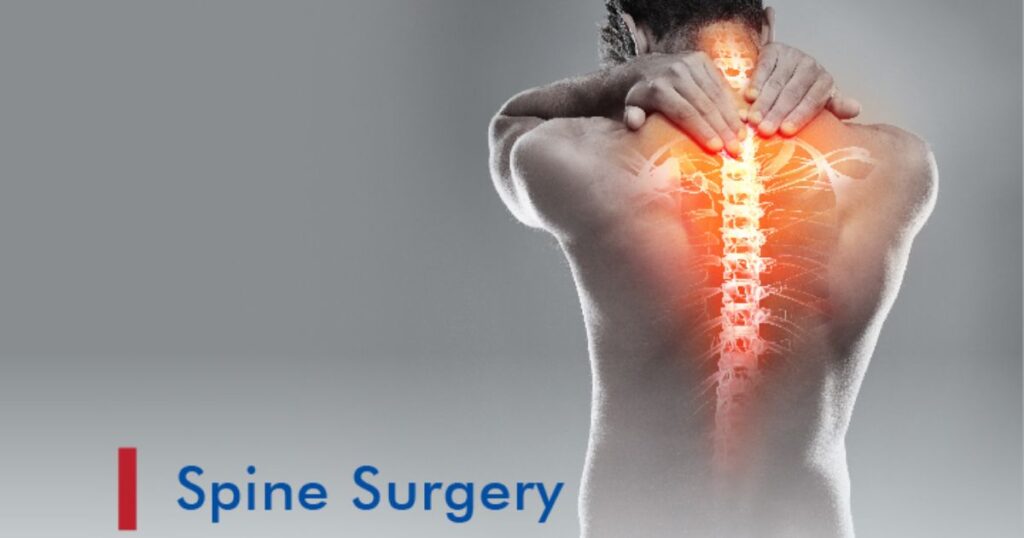

Persistent back or neck pain can make everyday activities feel difficult, from driving through Plano to sitting comfortably at work. When medication, physical therapy, and other treatments do not provide enough relief, surgery may become one option worth discussing with a specialist. Today, spine surgery in Plano TX includes procedures that address conditions such as herniated discs, spinal stenosis, and nerve compression. Depending on your diagnosis, a surgeon may recommend minimally invasive spine surgery or another suitable approach.
Understanding your options, possible risks, and spine surgery recovery expectations can help you make informed decisions. This guide explains common procedures, preparation, treatment choices, and recovery in clear, practical language for patients.
Ready to take the next step toward better spine health? Contact Minimally Invasive Neurosurgery of Texas to explore advanced spine surgery options in Plano. Their team can help you understand your spinal condition, evaluate suitable surgical procedures, and guide you through every stage of treatment. Request a Consultation today or call +1 (214) 256-3900 to discuss your spine surgery needs. Take the first step toward improved spinal health, better mobility, and a more comfortable life.
1. When Should You Consider Spine Surgery in Plano, TX?
Living with constant back pain can affect almost every part of your routine. You may struggle to sleep, exercise, walk, or complete everyday tasks. Although many spinal conditions improve without surgery, some require a closer medical evaluation. A qualified specialist can determine whether your symptoms indicate nerve compression, structural damage, or another underlying problem.
The decision to undergo surgery should never depend on pain alone. Your spine surgeons must consider your medical history, physical examination, imaging results, and previous treatments. They also need to understand how your condition affects daily life. Modern spine surgery in Plano TX focuses on identifying the actual problem before recommending an appropriate treatment.
Understanding When Spine Surgery May Be Necessary
Spine surgery becomes an option when a specific structural problem causes persistent symptoms or threatens neurological function. For example, a herniated disc may press against a nearby nerve and create severe leg pain. Surgery may remove the material causing that pressure. However, the procedure must address a clearly identified problem rather than unexplained discomfort in spine surgery in plano tx.
Doctors usually consider surgery after appropriate conservative treatments fail to provide sufficient relief. Progressive weakness, significant spinal instability, or spinal cord compression may require earlier intervention. Your surgeon will explain the expected benefits and possible complications before recommending an operation in spine surgery in plano tx.
Signs That Your Spine Condition Needs Medical Attention
Certain symptoms deserve more attention than ordinary muscle soreness. Persistent numbness, tingling, burning sensations, and muscle weakness can indicate irritated or compressed nerves. Pain traveling from your lower back into your leg may also suggest lumbar nerve involvement. Similarly, neck problems can cause discomfort extending into your shoulder, arm, or hand.
You should arrange a medical evaluation when these symptoms persist or interfere with everyday activities. Progressive weakness deserves prompt attention because untreated nerve compression can sometimes cause lasting damage. Early assessment helps your specialist identify the underlying cause and discuss suitable treatment options in spine surgery in plano tx.
When Non-Surgical Treatments Are No Longer Effective
Medication, physical therapy, and activity changes help many people manage spinal conditions. Nevertheless, some patients continue experiencing severe symptoms despite following a reasonable treatment plan. In such situations, a surgeon may review your diagnosis and determine whether an operation offers meaningful benefits of spine surgery in plano tx.
The Mayo Clinic’s guidance on seeing a neurosurgeon for back pain explains why surgery should follow an accurate diagnosis. Imaging findings must also match your symptoms. An abnormal MRI alone does not mean you need an operation in spine surgery in plano tx.
Emergency Symptoms That Should Never Be Ignored
New loss of bladder or bowel control requires immediate emergency assessment. Numbness around your groin, buttocks, or inner thighs can also indicate serious nerve compression. Doctors call one possible cause cauda equina syndrome, which may require urgent treatment to protect nerve function in spine surgery in plano tx.
Rapidly worsening leg weakness also deserves emergency evaluation. Do not wait for a routine appointment when these warning signs appear. Go to an emergency department or call 911 when appropriate in spine surgery in plano tx.
2. Common Spine Conditions Treated With Spine Surgery
Your spine contains vertebrae, discs, joints, ligaments, and nerves that work together. These structures support your body while allowing you to bend and move. Unfortunately, injuries, aging, and degenerative changes can disrupt this balance. Some conditions respond well to conservative treatment, while others may require surgical correction in spine surgery in plano tx.
A specialist must identify the affected spinal region before choosing a treatment. The cervical spine supports your neck, while the thoracic spine runs through your upper and middle back. The lumbar spine supports much of your body’s weight. Understanding these differences helps explain why certain conditions produce neck pain, back pain, or symptoms in your arms and legs in spine surgery in plano tx.
Herniated or Bulging Discs
Spinal discs act like cushions between neighboring vertebrae. Each disc contains a soft center surrounded by a tougher outer layer. When the outer layer develops a tear, inner material may push outward and irritate nearby nerves. This condition is called a herniated disc in spine surgery in plano tx.
Patients may experience sharp pain, tingling, numbness, or weakness depending on the affected nerve. A lumbar herniation can cause sciatica, while a cervical herniation may produce arm pain. Treatment often starts with medication and physical therapy. Selected patients may benefit from a discectomy or microdiscectomy in spine surgery in plano tx.
Spinal Stenosis
Spinal stenosis develops when spaces inside the spine become narrower. This narrowing can place pressure on spinal nerves or the spinal cord. Bone spurs, thickened ligaments, and degenerative disc changes may contribute to the problem. Patients often experience back pain, leg weakness, numbness, or difficulty walking in spine surgery in plano tx.
Lumbar stenosis sometimes causes discomfort that increases during standing or walking. Some people feel better when sitting or leaning forward. Cervical stenosis can affect the spinal cord and cause problems with hand coordination or balance. Severe cases may require decompression surgery. Learn more about the condition through the Cleveland Clinic’s spinal stenosis guide in spine surgery in plano tx.
Degenerative Disc Disease
Degenerative disc disease describes age-related changes that affect spinal discs. Over time, discs may lose water content, become thinner, and provide less cushioning. These changes can contribute to stiffness and pain. However, disc degeneration on an MRI does not automatically explain someone’s symptoms in spine surgery in plano tx.
Doctors consider several factors before recommending treatment. These include pain location, spinal movement, nerve involvement, and daily limitations. Many patients improve through exercise, medication, and other conservative approaches. Selected cases may require disc replacement or fusion when the clinical evidence supports surgery in spine surgery in plano tx.
Sciatica and Nerve Compression
Sciatica describes pain that travels along the sciatic nerve pathway. It often starts in the lower back and extends through the buttock into one leg. A herniated disc or spinal stenosis may compress or irritate a nerve root. Patients sometimes describe the sensation as burning, electric, or sharp in spine surgery in plano tx.
Most sciatica cases do not require surgery. Conservative treatment often improves symptoms over time. However, persistent nerve pain, progressive weakness, or severe compression may justify surgical evaluation. Procedures such as discectomy or decompression aim to relieve pressure on the affected nerve in spine surgery in plano tx.
Spondylolisthesis and Spinal Instability
Spondylolisthesis occurs when one vertebra slips forward or backward relative to another. This movement can narrow nerve openings and disturb normal spinal alignment. Some patients experience lower back pain, tight hamstrings, or symptoms extending into their legs.
Mild cases may respond to physical therapy, medication, or activity changes. More severe instability can require surgical stabilization. Spinal fusion may help selected patients by joining affected vertebrae. The surgeon must examine the amount of slippage and determine whether nerve compression also needs treatment.
Scoliosis and Spinal Deformities
Scoliosis causes an abnormal sideways curvature of the spine. Some people develop it during childhood, while others experience degenerative changes during adulthood. Severe deformities can affect posture, balance, comfort, and walking ability. Treatment depends on the curve’s size, progression, symptoms, and overall health.
Many adults manage scoliosis without surgery. Physical therapy and symptom management may help maintain function. However, significant deformity or progressive neurological problems may require complex surgical evaluation. Procedures can involve spinal correction and fusion across several vertebral levels.
Vertebral Compression Fractures and Spinal Injuries
A vertebral compression fracture occurs when a spinal bone collapses partially or completely. Osteoporosis increases fracture risk because it weakens the bones. Falls and other traumatic injuries can also damage vertebrae. Symptoms may include sudden back pain, reduced mobility, and changes in posture.
Treatment depends on fracture severity and spinal stability. Some patients improve with pain management, careful activity changes, and bone-health treatment. Selected fractures may benefit from vertebroplasty or kyphoplasty. These procedures use bone cement to stabilize damaged vertebral structures.
Cervical Myelopathy and Other Spinal Disorders
Cervical myelopathy develops when something compresses the spinal cord inside the neck. Patients may notice clumsy hands, balance problems, numbness, or difficulty walking. Unlike ordinary neck pain, spinal cord compression can affect several parts of the body. Progressive symptoms deserve prompt specialist evaluation.
Other complex conditions include spinal tumors, infections, and traumatic injuries. These problems require individualized diagnostic and treatment plans. Surgery may involve removing abnormal tissue, protecting neurological structures, or restoring spinal stability.
3. Common Symptoms That May Require Spine Surgery
Spinal conditions do not always produce symptoms in the exact location of the damage. A problem in your lower back may cause pain down one leg. Likewise, a neck condition can affect your shoulder, arm, or fingers. Recognizing these patterns helps your doctor investigate the correct spinal region.
However, symptoms alone cannot confirm a diagnosis. Muscle injuries, joint disorders, and other medical conditions can produce similar discomfort. A proper evaluation helps distinguish spinal nerve problems from unrelated causes. Your doctor will consider symptom patterns alongside examination findings and imaging results.
Persistent Back and Neck Pain
Ongoing back pain can make sitting, standing, and sleeping difficult. Neck pain may also restrict movement and affect your ability to drive. When discomfort continues despite reasonable treatment, a medical assessment can help identify its cause.
Surgery may help when a clearly diagnosed structural problem explains the pain. However, operations do not reliably resolve every type of back discomfort. Your specialist should explain what the procedure can realistically improve and which symptoms may remain afterward.
Numbness, Tingling, and Muscle Weakness
Nerves carry messages between your brain, spinal cord, muscles, and skin. Compression or irritation can interrupt these signals. You may experience tingling in your fingers, numbness in your feet, or weakness in an affected limb.
Progressive weakness deserves particular attention. For example, difficulty lifting your foot while walking may indicate a nerve problem. Your doctor may recommend neurological testing and imaging to investigate the cause. Early treatment can help protect nerve function when compression threatens lasting damage.
Pain Radiating Into the Arms or Legs
Radiating pain often follows the path of an irritated nerve. Cervical radiculopathy can cause pain from your neck into your arm. Lumbar radiculopathy may create discomfort that travels from your back into your leg. Some patients experience tingling or reduced sensation along the same pathway.
The treatment depends on the structure causing compression. Medication and physical therapy may provide enough relief for many patients. When symptoms persist and imaging identifies a matching structural problem, surgery may become an option.
Difficulty Walking or Maintaining Balance
Changes in walking ability can reveal more than ordinary back discomfort. Spinal stenosis may cause leg pain or heaviness after standing for several minutes. Some people need frequent sitting breaks before continuing their walk. Others notice poor balance or reduced coordination.
Neck-related spinal cord compression can affect hand movements and walking patterns. Tell your doctor about these changes, especially when they worsen over time. New or rapidly progressing neurological problems need prompt medical assessment.
Warning Signs Requiring Immediate Medical Attention
New bladder or bowel control problems, saddle numbness, and severe progressive weakness can indicate serious neurological compression. These symptoms require emergency evaluation rather than waiting for a scheduled consultation. Fever combined with severe back pain or new neurological symptoms also deserves urgent medical attention.
4. How Spine Surgeons Diagnose and Evaluate Your Condition
Successful treatment begins with finding the actual source of your symptoms. Your doctor needs to understand which spinal structure causes the problem and how it affects nearby nerves. This process usually involves medical history, physical examination, and selected diagnostic tests.
A scan provides useful information, but it cannot replace clinical judgment. Some people have disc bulges or degenerative changes without experiencing pain. Therefore, your treatment plan should connect imaging findings with your symptoms and examination results. This careful approach helps prevent unnecessary procedures.
Reviewing Your Medical History and Symptoms
Your first consultation usually begins with a discussion about your symptoms. Your doctor may ask when the pain started and whether anything makes it worse. Previous injuries, operations, medications, and existing health conditions also matter. Your work habits and everyday activities can provide additional clues.
Bring previous imaging reports and treatment records when available. Explain how your symptoms affect sleeping, walking, working, and exercise. Clear information helps the specialist understand your priorities. It also supports a more useful discussion about possible treatment choices.
Physical and Neurological Examinations
During an examination, your doctor may check spinal movement and flexibility. They may also assess muscle strength, reflexes, sensation, and walking patterns. These tests help identify possible nerve involvement. The findings can guide decisions about further imaging or specialized testing.
Your examination may include movements that reproduce certain symptoms. For instance, bending forward or extending your neck may change the pain pattern. These responses provide useful clues, although no single movement confirms a diagnosis. Your doctor interprets the results together with your medical history.
MRI Scans for Detailed Spine Imaging
Magnetic resonance imaging, commonly called MRI, provides detailed views of spinal discs, nerves, and soft tissues. It can help identify herniated discs, spinal canal narrowing, tumors, and some causes of nerve compression. MRI does not use ionizing radiation, although certain implanted devices require special safety checks.
Doctors usually order MRI when clinical findings make imaging appropriate. They then compare the results with your symptoms. A visible disc problem may be unrelated to your pain if the location does not match. This distinction is essential before considering surgery.
CT Scans and X-Rays
X-rays show spinal alignment, bone structure, fractures, and some signs of degeneration. They can also help identify abnormal movement when doctors request specific views. However, ordinary X-rays do not show spinal nerves as clearly as MRI.
CT scans provide more detailed images of bone structures. They may help evaluate fractures, complex anatomy, or areas around surgical hardware. In selected cases, doctors use CT myelography to examine the spinal canal. Your specialist chooses the imaging method according to the clinical question.
Additional Diagnostic Tests When Necessary
Some patients need further testing when symptoms remain difficult to explain. Electromyography, known as EMG, measures electrical activity in muscles. Nerve conduction studies examine how electrical signals travel through specific nerves. These tests can help identify certain nerve disorders.
Not every patient needs these investigations. Your doctor may recommend them when examination findings and imaging do not provide enough information. The purpose is to improve diagnostic accuracy, not simply to order more tests.
Developing a Personalized Spine Surgery Treatment Plan
After reviewing your results, your doctor will discuss the diagnosis and treatment choices. These may include medication, physical therapy, injections, or surgery. Your age, general health, activity needs, and personal preferences also influence the decision.
For Plano TX patients, the goal should be a treatment plan built around the actual condition rather than a particular procedure. Ask why the specialist recommends one option over another. You should understand expected benefits, important risks, recovery demands, and available alternatives before deciding.
5. Non-Surgical Treatments to Consider Before Spine Surgery
An operation is only one part of modern spine care. Many patients improve through conservative treatment without entering an operating room. The right approach depends on the affected structure, symptom severity, and overall health. Your specialist may combine several treatments to improve comfort and function.
These options can also prepare suitable patients for later procedures. For example, physical therapy may improve strength before surgery. Pain management may help someone remain active while a condition settles. A careful treatment plan keeps the focus on function and long-term health.
Physical Therapy and Rehabilitation
Physical therapy helps improve strength, movement, balance, and flexibility. A trained therapist can teach you exercises that support your back and abdominal muscles. They can also show you safer ways to lift, bend, sit, and walk.
A good program should match your condition and physical ability. Aggressive exercises may worsen some symptoms when the wrong movements trigger nerve irritation. Your therapist can adjust the program as your strength and confidence improve.
Medications and Pain Management
Doctors may recommend medication to reduce inflammation or control pain. Depending on your condition, options can include anti-inflammatory medicines, acetaminophen, or selected nerve-pain medications. Muscle relaxants may help in certain situations. Each medicine has possible side effects and precautions.
Discuss your medical history before starting medication. Kidney problems, stomach ulcers, blood pressure issues, and other conditions can affect medication safety. Avoid changing doses or combining pain medicines without professional guidance. Medication should support a broader treatment plan rather than replace proper evaluation.
Epidural Steroid Injections
An epidural steroid injection delivers anti-inflammatory medication into the space around spinal nerves. It may reduce inflammation and provide temporary relief for selected patients. Doctors sometimes use injections when a herniated disc or spinal stenosis causes radiating pain.
Results vary from person to person. An injection may improve symptoms for weeks or months, but it does not repair every structural problem. Your doctor will discuss expected benefits and risks before recommending this option.
Lifestyle Changes and Activity Modification
Small changes can reduce unnecessary stress on your back. Maintaining a healthy weight may lower mechanical pressure on the spine. Regular low-impact activity can support flexibility and muscle strength. Good posture and sensible lifting techniques also help protect your back.
Avoid complete bed rest unless your doctor specifically recommends it. Gentle movement often supports recovery and reduces stiffness. However, you should modify activities that increase pain or neurological symptoms. Your treatment team can explain which movements are safe for your condition.
Bracing and Other Conservative Approaches
A spinal brace may help support selected injuries or unstable spinal conditions. Doctors sometimes recommend temporary bracing after certain fractures or procedures. The type and duration depend on the diagnosis. Wearing a brace longer than necessary may also cause muscle weakness.
Other approaches may include supervised heat or cold therapy and structured pain-management programs. Some patients benefit from counseling that addresses the emotional effects of chronic pain. Your doctor should explain which methods have evidence for your condition.
When Conservative Treatment May Not Be Enough
Some conditions continue causing serious problems despite appropriate treatment. Persistent nerve pain, progressive weakness, and significant spinal instability can justify surgical evaluation. Spinal cord compression may also require timely intervention, depending on its severity.
Your specialist should explain why conservative care may no longer provide enough benefit. Ask which symptoms the procedure aims to improve. Also discuss whether delaying surgery could affect nerve function or future treatment options. Informed decisions matter.
6. Types of Spine Surgery Procedures Available in Plano, TX
Modern spine surgery includes several techniques for treating different spinal problems. Some procedures remove tissue pressing against nerves, while others stabilize or replace damaged structures. A smaller incision does not automatically make an operation suitable for every patient. The underlying diagnosis determines which approach makes sense.
Patients researching minimally invasive spine surgery should understand how these techniques differ. Smaller access points may reduce disruption to surrounding tissues in suitable cases. However, complex deformities or significant instability may require a broader surgical approach. A specialist should explain the advantages and limitations of each option.
Minimally Invasive Spine Surgery
Minimally invasive techniques use specialized instruments and smaller surgical openings. Surgeons may use a microscope, tubular retractors, endoscopes, or image-guided equipment. These tools allow access to selected spinal structures while limiting unnecessary disruption to muscles and surrounding tissues.
Potential advantages include smaller incisions and less soft-tissue damage. Some procedures also allow outpatient treatment. Nevertheless, the method depends on your anatomy and diagnosis. Minimally invasive surgery is not automatically safer or better for every spinal condition.
Microdiscectomy and Discectomy
A discectomy removes some or all of a damaged spinal disc. A microdiscectomy uses magnification and specialized instruments to remove the portion pressing against a nerve. The main goal is to reduce nerve compression and associated radiating pain.
Doctors commonly consider these procedures for selected herniated discs. Patients may experience leg or arm pain, numbness, or weakness before surgery. Recovery depends on the operation and individual health. A disc can also herniate again after treatment.
Laminectomy and Laminotomy
A laminectomy removes part or all of the lamina, which forms the back portion of a vertebra. This creates more space inside the spinal canal. A laminotomy removes only a smaller section of bone. Both procedures may help relieve pressure on compressed nerves.
Doctors often consider decompression procedures for spinal stenosis. The surgeon must assess spinal stability before removing bone. Some patients may need fusion alongside decompression when instability exists or develops. Your diagnosis determines the most appropriate approach.
Spinal Fusion Surgery
Spinal fusion joins two or more vertebrae to create a more stable segment. Surgeons may use bone graft material, screws, rods, or specialized implants. Over time, the bones grow together and form a stronger connection. The procedure can help selected patients with instability, deformity, or certain degenerative conditions.
Fusion also reduces movement at the treated level. That can affect nearby spinal segments and may require long-term consideration. Bone healing takes time, so recovery can last longer than after a simple disc removal. Your surgeon will explain the expected healing process and activity restrictions.
Artificial Disc Replacement
Artificial disc replacement removes a damaged disc and places an implant between the vertebrae. Unlike fusion, disc replacement aims to preserve movement at the treated level. It may suit selected patients with specific cervical or lumbar disc problems.
Not everyone qualifies for this operation. Bone quality, spinal alignment, arthritis, previous surgery, and other factors influence eligibility. Your specialist will compare replacement with fusion and conservative treatment. The final recommendation should reflect your anatomy and long-term goals.
Endoscopic Spine Surgery
Endoscopic surgery uses a small camera and specialized tools to reach selected spinal structures. The surgeon views the area on a monitor while removing tissue that compresses a nerve. Certain procedures can treat focal disc herniations, foraminal narrowing, and selected cases of spinal stenosis.
This technique may reduce muscle disruption in suitable patients. However, extensive stenosis, severe instability, or major deformity may require another method. The endoscopic spine surgery service information from Minimally Invasive Neurosurgery of Texas describes the technique and its patient-selection considerations.
Revision and Complex Spine Surgery
Revision surgery addresses problems that remain or develop after an earlier spinal operation. These may include recurrent disc herniation, hardware complications, persistent nerve compression, or adjacent segment disease. Scar tissue and altered anatomy can make repeat procedures more challenging.
Complex surgery requires careful review of previous operation reports and imaging. Your surgeon may need to evaluate spinal alignment, bone quality, and neurological function. A second opinion can be helpful before major revision surgery. It allows you to compare recommendations and understand possible alternatives.
Surgical Options for Vertebral Compression Fractures
Kyphoplasty and vertebroplasty treat selected painful vertebral compression fractures. Both procedures involve injecting bone cement into the affected vertebra. Kyphoplasty may also use a small balloon to create space before cement placement.
These treatments are not appropriate for every fracture. Doctors consider fracture age, pain severity, imaging findings, and underlying bone health. Some patients recover through medication, bracing, and osteoporosis treatment instead. Your specialist should explain why a procedure is necessary.
Comparing Common Spine Surgery Procedures
The following table explains the main purpose of several operations. It does not determine which procedure is right for you. Your surgeon must evaluate the specific condition before recommending treatment.
| Procedure | Main purpose | Common reason for consideration |
|---|---|---|
| Microdiscectomy | Remove herniated disc material | Nerve compression |
| Laminectomy | Create more room for nerves | Spinal stenosis |
| Spinal fusion | Join vertebrae for stability | Spinal instability |
| Artificial disc replacement | Replace a damaged disc while preserving motion | Selected disc disorders |
| Endoscopic decompression | Remove tissue pressing on a nerve | Selected nerve compression |
| Kyphoplasty | Stabilize a compressed vertebra | Selected compression fractures |
7. Benefits and Potential Risks of Spine Surgery
Spine surgery can improve symptoms when a procedure targets the correct structural problem. It may reduce pressure on nerves, restore stability, or address a damaged spinal segment. Some patients regain mobility and return to activities they previously avoided. However, results depend on the diagnosis and the operation performed.
Every operation also carries possible complications. Patients need a balanced understanding of expected benefits and surgical risks before making a decision. Your Healthcare team should explain how your health, age, and procedure type affect those risks. Clear communication helps you make a confident and informed choice.
Potential Benefits of Spine Surgery
The main benefit often involves relieving pressure on an irritated nerve. For example, removing a herniated disc fragment may reduce shooting leg pain. Decompression may also improve walking tolerance in selected patients with spinal stenosis. Fusion can address instability when movement between vertebrae contributes to symptoms.
Successful treatment may improve daily function and quality of life. However, pain relief does not always mean every symptom disappears. Longstanding nerve damage may take time to improve or may remain permanent. Your surgeon should discuss realistic goals before the operation.
Understanding Possible Surgical Complications
Possible complications include infection, bleeding, blood clots, and reactions to anesthesia. Some operations also carry a risk of nerve injury or spinal fluid leakage. Fusion procedures may involve problems with bone healing, implants, or persistent symptoms. These risks vary according to the operation and individual health.
The Mayo Clinic’s spinal fusion guide explains several complications associated with fusion surgery. Ask your surgeon which risks matter most in your situation. Also discuss how the practice monitors patients after treatment and responds to unexpected problems.
Understanding Failed Back Surgery and Persistent Symptoms
Some patients continue experiencing pain after spinal surgery. This does not always mean the operation failed. The original condition may have caused lasting nerve irritation, or another structure may contribute to symptoms. Scar tissue, recurrent disc herniation, and adjacent segment problems can also affect outcomes.
Doctors sometimes use the term failed back surgery syndrome for persistent or recurring pain after an operation. The phrase describes a difficult clinical situation rather than one specific complication. A detailed reassessment can help identify possible causes and further treatment options.
Factors That Can Affect Your Surgical Outcomes
Your general health influences recovery and complication risk. Diabetes, smoking, poor nutrition, and certain heart or lung conditions may affect healing. Bone quality also matters, especially when your procedure involves fusion or implanted hardware. The complexity of surgery can influence the recovery demands.
Following medical instructions also plays an important role. Attend follow-up appointments and report unusual symptoms promptly. Avoid returning to strenuous activities before receiving clearance. A realistic Recovery expectations discussion helps you understand what progress may look like over several weeks or months.
How Spine Surgeons Help Minimize Surgical Risks
Careful planning starts with confirming the diagnosis and selecting suitable candidates. Your surgeon may review imaging, medical records, medication use, and existing health conditions. The operating team then plans the appropriate technique and postoperative monitoring. Infection prevention and safe anesthesia practices also support patient safety.
Good communication continues after surgery. Your Post-surgical care plan should explain wound checks, medication use, activity limits, and follow-up visits. Ask who to contact if symptoms change after discharge. Knowing the correct next step can prevent confusion during recovery.
8. Preparing for Spine Surgery: What Patients Should Expect
Preparation helps you approach surgery with fewer surprises. It also gives your medical team time to address health concerns before the procedure. Your surgeon will explain the operation, expected hospital stay, anesthesia plan, and early recovery needs. You should have enough time to ask questions and review your options.
Good preparation also involves planning at home. Limited mobility may make certain daily tasks difficult during the first stage of healing. Arranging transportation and caregiver support can reduce unnecessary strain. These steps allow you to focus on recovery instead of solving avoidable problems.
Your Initial Spine Surgery Consultation
The consultation gives you a chance to understand your diagnosis and treatment choices. Bring previous imaging, medical records, medication details, and information about earlier treatments. Explain what you hope to improve through surgery. Ask how the proposed operation addresses the exact source of your symptoms.
Your surgeon should describe reasonable alternatives. They should also explain possible complications and the chance of persistent symptoms. A second opinion can provide useful perspective for complex procedures. Never feel pressured to approve surgery before you understand the recommendation.
Preparing Your Body Before Surgery
Your doctor may request blood tests, heart evaluations, or other preoperative checks. Tell the medical team about all prescription medicines, over-the-counter products, vitamins, and supplements. Some medicines may need adjustment before surgery. Never stop a prescribed medication without professional instructions.
Smoking and nicotine can interfere with tissue and bone healing. Your surgeon may recommend stopping before surgery and avoiding nicotine afterward. Managing diabetes and other medical conditions can also improve preparation. Follow the specific instructions provided by your medical team.
Creating a Comfortable Recovery Environment
A safer home makes daily recovery easier. Arrange your bed, chair, and essential supplies before the procedure. Keep frequently used items at a comfortable height. Clear loose rugs, electrical cords, and other obstacles from walking paths. These simple changes reduce unnecessary bending and fall risks.
Choose stable seating that supports your posture. Ergonomic chairs and Supportive cushions may improve comfort when your surgeon allows sitting. However, no chair replaces proper movement breaks. Ask a family member or friend to help with meals, laundry, shopping, and other demanding tasks.
Understanding Anesthesia and the Surgical Process
Your procedure may use general anesthesia or another approach, depending on the operation. An anesthesia professional will review your health and explain the plan. You will receive instructions about fasting and medication timing before surgery. Follow them carefully because they help reduce avoidable risks.
During the operation, the surgeon treats the affected spinal structure using the planned technique. The operating team monitors your vital signs throughout the procedure. Afterward, staff check your pain, movement, and neurological function. The exact process depends on the operation and your medical needs.
Hospital Stay and Outpatient Spine Surgery
Some spine procedures allow patients to return home the same day. Others require an overnight stay or longer hospital monitoring. Your surgical approach, general health, pain control, and mobility influence discharge decisions. The team should confirm that you meet appropriate safety requirements before leaving.
Arrange transportation before the procedure. You should not drive yourself home after anesthesia or while taking medication that affects alertness. Ask for written discharge instructions and emergency contact details. Keep these documents somewhere easy to find during recovery.
Insurance, Costs, and Scheduling Your Procedure
Spine surgery costs vary according to the procedure, facility, anesthesia, and individual medical needs. Insurance coverage also depends on your plan and network. Before scheduling, ask whether the surgeon and facility participate in your insurance network. Confirm deductibles, copayments, prior authorization, and possible out-of-pocket charges.
Request a written cost estimate whenever possible. Ask whether follow-up visits, imaging, rehabilitation, and medical equipment create separate expenses. Understanding the financial details early can prevent confusion later. Your clinic’s billing staff can help explain available payment arrangements.
9. Spine Surgery Recovery: Tips for Better and Faster Healing
Recovery is an important part of your treatment journey. Even a technically successful operation requires patience and careful follow-up. Your body needs time to heal, muscles need to regain strength, and nerves may need longer to recover. The type of operation strongly influences this process.
Good Spine surgery recovery depends on following medical instructions and making gradual progress. Appropriate movement, proper nutrition, and safe pain control can support healing. These Spine surgery recovery tips are general educational guidance. Your surgeon’s instructions always take priority because different procedures require different precautions.
What to Expect During the Spine Surgery Recovery Timeline
The Spine surgery recovery timeline varies considerably between procedures. A patient recovering from a simple microdiscectomy may return to routine activities sooner than someone undergoing a multilevel fusion. Age, general health, nerve damage, and surgical complexity also influence progress.
The MedlinePlus guide to spine surgery discharge explains these differences. After some disc procedures, recovery may progress over several weeks. Fusion requires a longer bone-healing period, often lasting several months. Your own Recovery timeline should come from your surgeon.
| Recovery stage | General focus |
|---|---|
| First 24–48 hours | Pain control, safe movement, and initial monitoring |
| First 1–2 weeks | Incision care and gradual walking |
| Following weeks | Increasing activity according to medical clearance |
| Several months | Continued strength, function, and procedure-specific healing |
| Long term | Maintaining spine health and monitoring symptoms |
This table provides a broad guide, not a guaranteed schedule. Some patients need more time because of complex surgery or other health conditions.
Following Post-Surgery Instructions
Your surgeon’s instructions explain how to protect the treated area. They may cover medication schedules, showering, dressing changes, and movement restrictions. Follow the guidance even when you begin feeling better. Pain reduction does not always mean the spine has fully healed.
Post-surgery care for spine patients should include clear communication with the surgical office. Keep follow-up appointments and ask before changing your activity level. Your Wound care instructions may also explain when to replace dressings or inspect the incision. Report increasing redness, warmth, drainage, or opening around the wound.
Managing Pain After Spine Surgery
Some discomfort is expected after an operation. Your doctor may prescribe medication or recommend other methods to control symptoms. Take medicines only as directed and discuss side effects with your healthcare provider. Do not combine medications without checking for possible interactions.
Effective Pain management after spine surgery can make movement and sleep easier. Depending on your procedure, your doctor may approve cold packs or specific resting positions. Avoid placing ice directly against your skin. Contact your surgeon when pain becomes worse instead of gradually improving.
Balancing Physical Activity and Rest
Rest supports healing, but remaining in bed for long periods can create other problems. Your medical team may encourage Gentle movements soon after surgery. Short walks can help improve circulation and reduce stiffness when your surgeon allows them. Begin with manageable distances and increase gradually.
Follow your Activity restrictions carefully. You may need to avoid heavy lifting, bending, twisting, or prolonged sitting for a period. These limits vary according to the operation. Ask when you can resume driving, household work, exercise, and physically demanding activities in spine surgery in plano tx.
Physical Therapy and Spine Rehabilitation
Physical therapy after spine surgery can help rebuild strength and improve movement. Your therapist may teach safe exercises and body mechanics. The program should match your operation, pain level, and healing progress. Some patients begin formal therapy later than others in spine surgery in plano tx..
Spine surgery rehabilitation may include walking, flexibility training, core strengthening, and balance exercises. The goal is to restore useful movement without placing unnecessary stress on the surgical area. Patients seeking Spine surgery rehabilitation support Plano TX should ask whether their surgeon coordinates care with local rehabilitation professionals in spine surgery in plano tx.
Nutrition and Healthy Habits for Better Healing
Your body needs enough nutrients to repair tissue and support normal immune function. Protein helps maintain and rebuild muscle. Fruits, vegetables, whole grains, and other nutrient-rich foods support a balanced diet. Proper hydration also helps normal body functions in spine surgery in plano tx.
Nutrition for surgical recovery should focus on a suitable, balanced eating pattern. Your doctor may recommend additional attention to calcium, vitamin D, or other nutrients when bone health matters. Avoid starting high-dose supplements without medical advice. Smoking and nicotine can interfere with healing, especially after fusion in spine surgery in plano tx.
Returning to Work and Everyday Activities
Returning to normal activities should happen gradually. Desk work may become possible before physically demanding employment. Your surgeon will consider the procedure, pain control, movement, and job requirements. Someone who lifts heavy objects needs a different return-to-work plan than someone working at a computer.
Driving requires particular caution. You should not drive while taking medicines that impair alertness or before you can control the vehicle safely. Ask your doctor when driving is appropriate. The same advice applies to exercise, swimming, travel, and other activities that may stress the healing area in spine surgery in plano tx.
Recognizing Post-Surgery Complications
Watch for fever, increasing wound redness, unusual drainage, or worsening pain. New weakness or numbness also deserves prompt medical attention. Leg swelling or calf pain may suggest a blood clot. Chest pain or sudden shortness of breath requires emergency care in spine surgery in plano tx.
Preventing complications after spine surgery involves following discharge instructions and reporting warning signs early. Contact your surgeon about concerning changes. Seek emergency care for severe symptoms, especially chest pain, breathing difficulty, or new loss of bladder or bowel control. Do not wait for a routine follow-up appointment in spine surgery in plano tx.
Long-Term Spine Health and Maintenance
Once your surgeon clears you, regular physical activity can support long-term function. Walking, swimming, and appropriate strengthening exercises may help maintain mobility. Good posture and sensible lifting habits also reduce unnecessary strain. Work toward sustainable habits rather than short bursts of intense activity in spine surgery in plano tx.
A Spine-friendly lifestyle includes healthy movement, suitable body weight, and attention to bone health. Spine health maintenance also means managing chronic conditions and attending recommended follow-up visits. Your Long-term spine recovery may continue for months after the initial incision heals in spine surgery in plano tx.
A Simple Example of a Recovery Journey
Consider a hypothetical patient who undergoes a microdiscectomy for a confirmed herniated lumbar disc. Before surgery, leg pain makes sitting and walking difficult. After the procedure, the patient follows wound instructions and starts short walks when cleared. Discomfort gradually decreases, although some numbness takes longer to improve.
The surgeon later approves a gradual return to normal activities. Physical therapy helps rebuild strength and confidence. This example illustrates one possible experience, not a promised outcome. Fusion patients and people with complex conditions often need a very different recovery plan in spine surgery in plano tx.
10. Choosing the Right Spine Surgeon in Plano, TX
Choosing the right specialist is one of the most important decisions in your treatment journey. A qualified surgeon should understand your condition and explain suitable treatment options clearly. Look for relevant training, surgical experience, and a willingness to discuss alternatives. Your comfort and confidence also matter throughout the process.
When researching spine surgery in plano tx, compare more than clinic advertisements. Review physician credentials, hospital affiliations, treatment approaches, and patient communication. An experienced specialist should explain why a specific operation may help you. They should also discuss possible complications and realistic recovery goals in spine surgery in plano tx.
Qualifications and Experience of Spine Surgeons
Start by checking your physician’s medical training and professional credentials. Board certification, neurosurgical training, orthopedic spine training, and relevant fellowship experience can help you understand a specialist’s background. You should also ask whether the surgeon regularly treats your particular spinal condition.
Experience matters because different spinal problems require different approaches. A surgeon who frequently performs disc procedures may have different expertise from someone specializing in complex spinal deformities. Check the physician’s official profile and ask about relevant procedure experience during your consultation.
Why Minimally Invasive Surgical Expertise Matters
Modern surgical techniques offer several ways to reach affected spinal structures. Some specialists perform endoscopic procedures, while others use microscopes, navigation systems, or tubular instruments. These methods may reduce tissue disruption in appropriately selected patients. However, the best approach depends on the condition being treated.
Ask your surgeon which techniques they use and why. You should understand whether minimally invasive treatment offers meaningful advantages in your situation. A responsible specialist will also explain when traditional surgery may provide better access or stability in spine surgery in plano tx.
Understanding Your Treatment and Surgical Options
A good consultation should include an explanation of your diagnosis. Your surgeon should describe how the affected structure causes your symptoms. They should also explain the available alternatives and why one treatment may be more suitable.
Compare the expected benefits of medication, injections, physical therapy, and surgery. Ask about the risks of delaying treatment when nerve compression or instability exists. A clear comparison helps you make an informed decision without unnecessary pressure in spine surgery in plano tx.
Questions to Ask During Your Spine Surgery Consultation
Prepare your questions before visiting the clinic. Ask what causes your symptoms and whether imaging confirms the diagnosis. Discuss whether conservative treatment remains reasonable. You should also understand the recommended procedure, its risks, and expected recovery demands in spine surgery in plano tx.
Ask how many similar procedures the surgeon performs. Find out where the operation will take place and who provides follow-up care. Finally, ask what warning signs require immediate attention. Clear answers help you understand the entire treatment journey in spine surgery in plano tx.
What to Look for in a Plano Spine Surgery Clinic
A reliable clinic should provide clear communication and organized patient care. Look for access to appropriate diagnostic services and a suitable surgical facility. Ask how the clinic handles postoperative appointments and unexpected concerns. You should also understand how rehabilitation fits into your treatment plan in spine surgery in plano tx.
Patients looking for Plano TX spine care should consider location and accessibility. Convenient appointments can make follow-up visits easier. Transparent insurance information and responsive office staff also improve the patient experience. These practical details matter throughout treatment in spine surgery in plano tx.
Spine Surgery Care for Patients in Plano and Nearby Communities
Patients living in Plano, Frisco, Allen, McKinney, and nearby communities may have several specialist options. However, you should confirm each clinic’s actual service area and appointment arrangements. Consider travel distance when planning consultations, surgery, and follow-up visits in spine surgery in plano tx.
One local option is Minimally Invasive Neurosurgery of Texas, which lists a Plano office and provides information about its spine surgery services. Its website identifies Dr. Scott C. Kutz as a board-certified neurosurgeon and spine surgeon. You can review his background through the official physician profile in spine surgery in plano tx.
Schedule a Spine Surgery Consultation in Plano, TX
If persistent symptoms affect your mobility or daily routine, consider arranging a professional evaluation. Bring previous MRI scans, medication information, and relevant medical records. These documents help your specialist understand your condition. You can also discuss whether additional testing or conservative treatment remains appropriate in spine surgery in plano tx.
Patients interested in spine surgery in Plano TX can contact Minimally Invasive Neurosurgery of Texas to request an appointment. The practice lists its Plano office at 5465 Legacy Drive, Suite 650, Plano, TX 75024. Its published contact number is +1 (214) 256-3900. Confirm appointment availability and insurance details directly through its contact page in spine surgery in plano tx.
Conclusion: Making an Informed Decision About Spine Surgery in Plano, TX
Spinal conditions can affect your comfort, independence, and everyday activities. Fortunately, modern treatment offers several options for managing these problems. Medication, physical therapy, injections, and surgical procedures each have different roles. The best choice depends on your diagnosis, symptoms, and overall health in spine surgery in plano tx.
Understanding your treatment options makes the decision less overwhelming. Learn about the proposed procedure and discuss potential complications with your surgeon. Follow medical instructions carefully and give your body enough time to heal. Proper Postoperative spine care also supports better healing after spine surgery in spine surgery in plano tx.
Remember that every recovery journey follows a different path. Some patients regain mobility relatively quickly, while others need longer rehabilitation. Consistent follow-up and suitable lifestyle changes can support lasting progress. Seek Back surgery recovery support from qualified professionals who understand your individual needs in spine surgery in plano tx.
Whether you need another opinion or a complete treatment evaluation, start with an accurate diagnosis. An informed decision can help you move toward better function and a healthier future in spine surgery in plano tx.
Frequently Asked Questions About Spine Surgery in Plano, TX
1. When Is Spine Surgery Necessary?
Spine surgery may become necessary when a structural problem causes persistent symptoms or significant nerve compression. Doctors usually consider surgery after appropriate non-surgical treatments fail. Progressive weakness, spinal instability, and spinal cord compression may require earlier evaluation. Your surgeon must determine whether the expected benefits justify the risks in spine surgery in plano tx.
2. What Is the Most Common Type of Spine Surgery?
Common procedures include discectomy, laminectomy, and spinal fusion. Each operation treats a different spinal problem. Discectomy removes damaged disc material pressing against a nerve. Laminectomy creates additional space for compressed nerves. Fusion joins vertebrae to address selected problems involving spinal stability.
3. Is Minimally Invasive Spine Surgery Better Than Traditional Surgery?
Minimally invasive procedures use smaller surgical openings and specialized instruments. They may reduce muscle disruption and support a smoother recovery in suitable patients. However, traditional surgery may work better for extensive spinal damage or complex deformities. Your diagnosis and anatomy determine which approach is appropriate.
4. How Long Does It Take to Recover From Spine Surgery?
Recovery depends on the operation and your general health. Some patients resume light activities within several weeks after a smaller decompression procedure. Spinal fusion usually requires several months of bone healing. Your surgeon will provide a personalized recovery plan and explain when you can resume normal activities.
5. Is Spine Surgery Safe for Older Adults?
Age alone does not determine whether someone can undergo spine surgery. Doctors also consider heart health, bone strength, diabetes, mobility, and other medical conditions. Some older adults qualify for minimally invasive procedures. However, the surgeon must evaluate individual risks before recommending treatment.
6. How Much Does Spine Surgery Cost in Plano, TX?
The cost varies according to the procedure, surgical facility, anesthesia, and medical requirements. Insurance coverage also affects your final expenses. Ask the clinic about surgeon fees, facility charges, deductibles, and prior authorization. Request a detailed estimate before scheduling your operation.
7. Can You Avoid Spine Surgery With Physical Therapy?
Many patients improve through physical therapy, medication, and lifestyle changes. These treatments can strengthen supporting muscles and improve mobility. However, certain conditions involve severe nerve compression or instability. Your doctor can determine whether conservative treatment remains appropriate.
8. What Is the Difference Between a Neurosurgeon and an Orthopedic Spine Surgeon?
A neurosurgeon completes specialized training in conditions affecting the brain, spinal cord, and nervous system. An orthopedic spine surgeon completes orthopedic training followed by additional spine specialization. Both can treat various spinal conditions. Their specific experience, training, and surgical expertise matter when selecting a specialist.
Medical information note: This article provides general educational information, not an individual diagnosis or treatment plan. Always follow your treating surgeon’s instructions. Medical content should receive qualified clinical review before publication.