
Lower back pain that won’t quit, a deep ache through your hips, or a stabbing sensation every time you stand up from a chair. For many people in the Dallas-Fort Worth area, that pain isn’t coming from a herniated disc or pinched nerve at all. It’s coming from the sacroiliac (SI) joint, and it often goes undiagnosed for months or longer.
In this guide
- What Is an SI Joint Injection?
- Who Might Be a Good Candidate?
- How Does the SI Joint Injection Work?
- What Happens After Your Injection?
- What Recent Research Shows About Back Pain
- Comparing Your Treatment Options
- Questions to Ask Your Specialist
- SI Joint Injection in Grand Prairie, TX
- Taking the Next Step Toward Relief
- FAQ
What Is an SI Joint Injection?
An SI joint injection targets the sacroiliac joint, where your sacrum (the triangular bone at the base of your spine) meets your ilium (the large pelvic bone). You have two SI joints, one on each side, and they do crucial work absorbing shock and transferring weight between your upper body and legs.
When one or both joints becomes inflamed, the result can be chronic low back pain, hip pain, buttock pain, or pain radiating down the thigh. Research from the Mayo Clinic suggests that sacroiliac joint dysfunction contributes to a significant portion of chronic low back pain cases, though it’s often overlooked during initial evaluations.
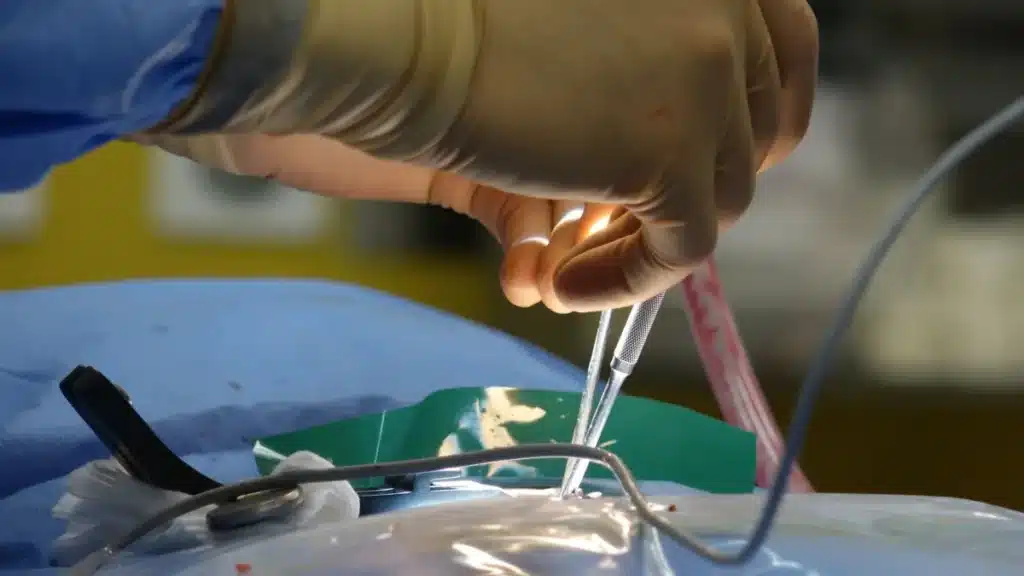
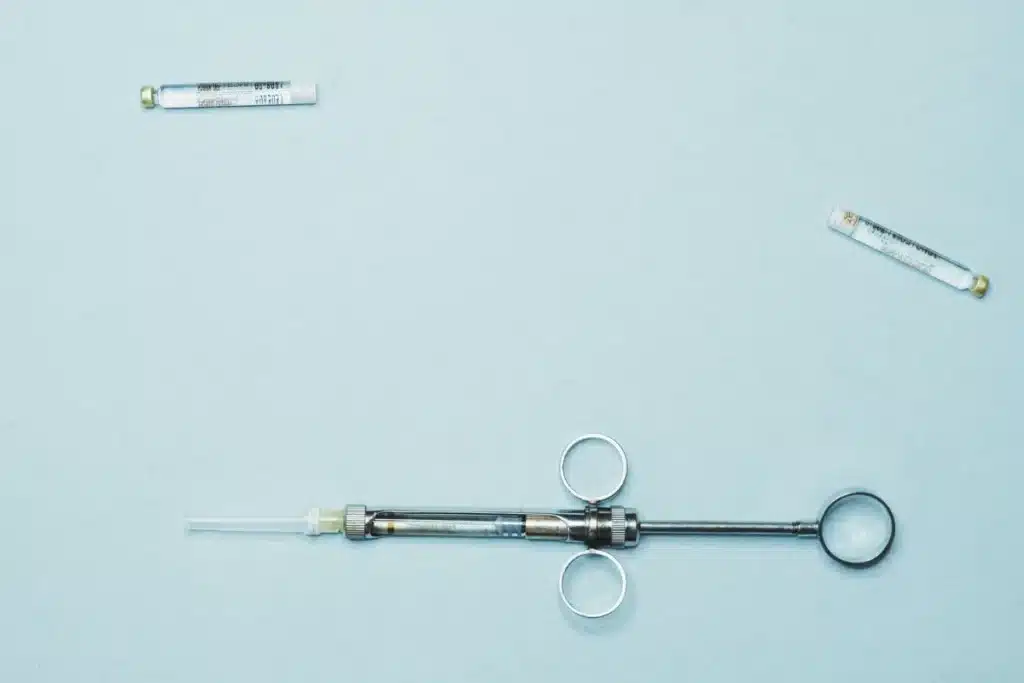
During the procedure, your doctor injects a combination of local anesthetic (a numbing medication) and corticosteroid (an anti-inflammatory medication) directly into the joint space. Image guidance, typically fluoroscopy (real-time X-ray) or ultrasound, ensures the medication reaches exactly the right spot.
Here’s what you can typically expect from the procedure:
- Precise placement: Fluoroscopy confirms the medication goes into the SI joint, not surrounding tissue.
- Dual relief mechanism: The anesthetic may provide fairly quick relief, while the corticosteroid works over several days to reduce inflammation.
- Diagnostic clarity: If your pain improves significantly after the injection, that response helps confirm the SI joint as your pain source, which guides your longer-term care plan.
- Same-day return home: The injection itself typically takes 15 to 30 minutes, and most patients go home the same day.
- Minimal recovery time: No surgical cuts are needed, so recovery is much faster than surgical options.
You can learn more about sacroiliac joint pain and how it’s managed on the clinic’s dedicated condition page.

Who Might Be a Good Candidate?
SI joint injections are typically considered for patients who haven’t found relief from conservative treatments like rest, physical therapy, or oral medications. Your provider will review your medical history, symptoms, and imaging studies (such as MRI or X-ray) before recommending this approach.
You may be a candidate if you experience:
- One-sided low back pain that worsens with prolonged sitting, standing, or stair climbing
- Buttock or hip pain that doesn’t follow the typical nerve-root pattern of sciatica
- Temporary relief from heat, rest, or anti-inflammatory medications, but pain keeps returning
- Pain linked to a specific event such as a fall, car accident, or pregnancy and childbirth
- A confirmed or suspected diagnosis of sacroiliac joint dysfunction, sacroiliitis, or related conditions like degenerative arthritis
Who This Procedure Is Not Right For
Not every patient is a fit, and honesty about that matters. SI joint injections are generally not recommended if you have an active infection near the injection site, a known allergy to the medications used, or certain bleeding disorders. Pregnant patients or those with poorly controlled diabetes may need additional evaluation, since corticosteroids can temporarily affect blood sugar levels. Your provider will discuss all of this thoroughly during your consultation.
Now Accepting New Patients
Explore SI Joint Injection Options in Grand Prairie
If lower back or hip pain is limiting your daily routine, a consultation with our Grand Prairie team may help clarify whether an SI joint injection is appropriate for you. Call (469) 680-3886 or visit our Grand Prairie location page to request an appointment.
How Does the SI Joint Injection Work?
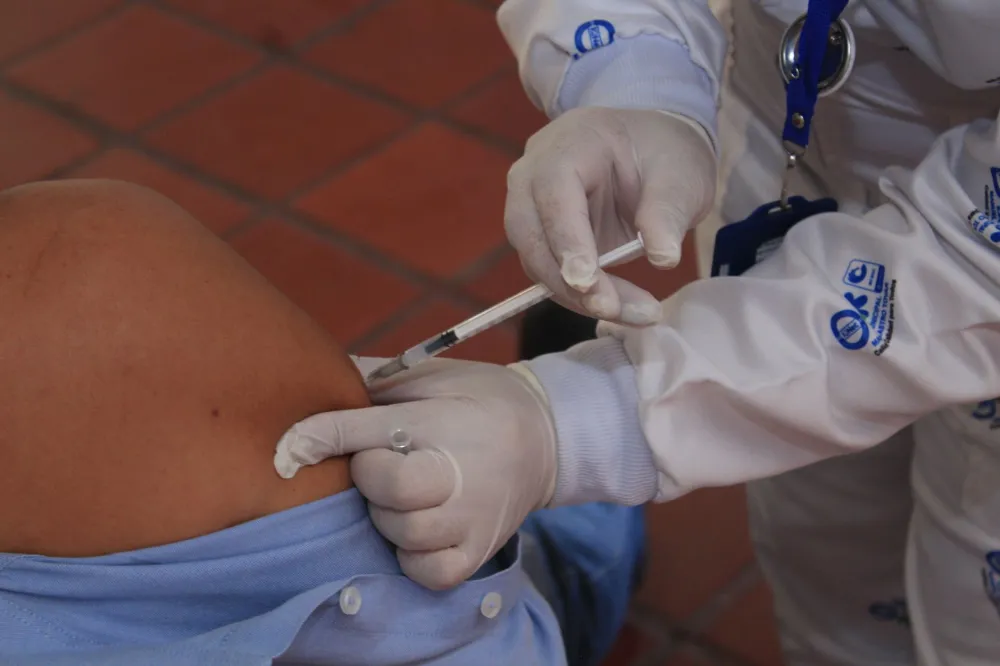
The procedure follows a straightforward sequence that most patients find far less intimidating than expected. Here’s what typically happens during your appointment:
What Happens After Your Injection?
Results vary from person to person, and outcomes can’t be guaranteed. Most patients experience some soreness at the injection site for a day or two, which is completely normal. The anesthetic component may provide noticeable relief fairly quickly, though this effect fades as the numbing medication wears off. The corticosteroid typically takes a few days to begin working.
Here’s what you may experience in the days and weeks following your procedure:
| Timeframe | What You May Experience | What to Do |
|---|---|---|
| Day 1-2 | Injection-site soreness, possible numbness | Rest, ice if helpful, avoid strenuous activity |
| Days 3-7 | Steroid begins reducing inflammation | Resume light activities as tolerated |
| Weeks 2-4 | Possible pain reduction; note your response | Track symptoms to report back to your provider |
| Ongoing | Discuss follow-up or additional options | Consider physical therapy alongside injection care |
Your care team may also recommend pairing the injection with physical therapy for the spine to support the joint and build stability over time. If the injection provides meaningful but temporary relief, your provider might discuss whether radiofrequency ablation (RFA), a procedure using heat to interrupt pain signals from the joint’s nerves, could be a suitable next step.
Now Accepting New Patients
Ready to Discuss SI Joint Pain Relief Near You?
Patients from Arlington, Mansfield, DeSoto, and across the Dallas-Fort Worth area find our Grand Prairie clinic easy to reach. Contact us at (469) 680-3886 to learn whether this minimally invasive approach may be a fit for your situation.
What Recent Research Shows About Back Pain
As of August 2026, the medical community continues to emphasize targeted, individualized approaches to back pain management rather than one-size-fits-all solutions. Dr. Mark Kestner’s commentary, published through Main Street Media of Tennessee, highlights that current evidence supports interventional options like joint injections as part of evidence-informed care pathways for patients who haven’t responded to conservative treatments alone.
Emerging research also points to a growing understanding of how the nervous system processes pain signals, which may eventually inform how pain specialists approach patient selection and treatment sequencing. The National Institutes of Health (NIH) continues to fund research in this area. For now, SI joint injections remain a well-established tool in the pain management toolkit, used within a broader, multimodal care strategy.
Comparing Your Treatment Options
It helps to see where an SI joint injection fits within your broader range of treatment choices. The table below shows a conservative-to-interventional pathway so you can ask informed questions at your consultation.
| Treatment Option | Invasiveness | Typical Use Case | Notes |
|---|---|---|---|
| Rest and activity modification | None | Mild, early-stage symptoms | First-line starting point |
| Physical therapy | None | Strengthening, posture correction | Often combined with other care |
| Oral anti-inflammatory medication | None | Short-term symptom management | Limited by side effects long-term |
| SI joint injection | Minimally invasive | Confirmed or suspected SI dysfunction | Image-guided; outpatient procedure |
| Radiofrequency ablation (RFA) | Minimally invasive | Repeated relief from injections | Targets nerve supply of the joint |

Questions to Ask Your Specialist
Walking into a pain management appointment can feel overwhelming, especially after dealing with pain for a while. A short list of questions helps you leave with real clarity. Here are some worth asking:
- “Based on my imaging and symptoms, do you think the SI joint is actually the pain source?”
- “What medication will you use, and are there any interactions with my current prescriptions?”
- “How will we know if the injection worked, and what’s the plan if relief is partial or temporary?”
- “Would physical therapy alongside the injection improve my results?”
- “Are there any reasons I might not be a good candidate based on my health history?”
SI Joint Injection in Grand Prairie, TX
Dr. Muhammad Arif, MD, an interventional pain management specialist, serves patients across all four Spine and Pain Clinic of Texas locations, including the Grand Prairie clinic. If you’re searching for a pain clinic near me along the I-20 corridor or near President George Bush Turnpike (SH-161), the Grand Prairie location is designed to be accessible for patients throughout the Dallas-Fort Worth Mid-Cities area.
The clinic serves patients from Arlington, Irving, Duncanville, Cedar Hill, Mansfield, DeSoto, and surrounding communities. Whether you’re coming from near Lone Star Park, traveling along State Highway 360, or driving in from elsewhere in the Dallas area, the Grand Prairie clinic is a manageable trip for most patients in this part of Texas.

You can review Dr. Muhammad Arif, MD’s profile and background on the physician page before your visit.
Taking the Next Step Toward Relief
Living with SI joint pain doesn’t have to be your everyday reality. If lower back or hip pain follows you through work, errands near Traders Village, a drive on I-20, or even just getting through the day, it’s worth talking to a specialist about your options.
The Spine and Pain Clinic of Texas in Grand Prairie, TX offers consultations for sacroiliac joint injections and comprehensive interventional pain management services. Call (469) 680-3886 to speak with the team or schedule your appointment.
The same specialized care is available at the clinic’s other Texas locations: Plano, TX at (469) 915-5222, Longview, TX at (214) 256-3900, and Tyler, TX at (214) 256-3900. Expert interventional pain management may be closer than you think.
Now Accepting New Patients
Take the Next Step at Our Grand Prairie Pain Clinic
You don’t have to keep guessing why your back hurts. Visit our Grand Prairie, TX pain management clinic near I-20 and State Highway 360, or call (469) 680-3886 to schedule your consultation with the Spine and Pain Clinic of Texas.
This article is for educational purposes only and is not a substitute for professional medical advice, diagnosis, or treatment. Always consult a qualified healthcare provider about your specific condition. If you experience severe or sudden symptoms, seek emergency care immediately.