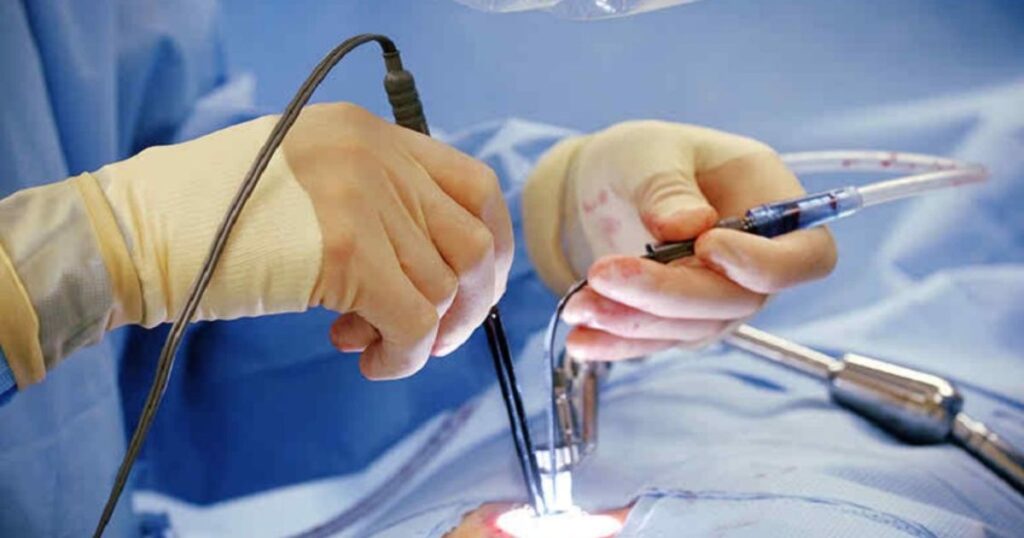

Back and neck pain can affect your work, sleep, movement, and time with family. When medication, physical therapy, or other treatments do not provide enough relief, surgery may become part of the discussion. Minimally Invasive Spine Surgery in Plano offers eligible patients an approach that uses smaller incisions and specialized instruments to reach certain spinal problems.
The goal is to limit disruption to nearby muscles and tissues while treating the source of pain or nerve pressure. However, this approach is not suitable for everyone. Understanding its potential benefits, available procedures, risks, and recovery expectations can help you prepare for a productive conversation with a qualified spine specialist in your area.
Ready to explore your options for lasting pain relief? Visit Spine & Pain Clinic of Texas for personalized pain management care in Plano. Their team can help you understand the cause of your symptoms and discuss treatment options suited to your needs. Take the next step by requesting an appointment or calling +1 (469) 915-5222 to schedule a consultation. Start your journey toward improved mobility, greater comfort, and a better quality of life.
1. What Is Minimally Invasive Spine Surgery?
Understanding Minimally Invasive Spine Surgery in Plano, TX
Minimally invasive spine surgery is a way to treat certain spinal problems through smaller incisions. Instead of exposing a large area of the spine, the surgeon uses specialized tools to reach the affected structures. These tools may include a microscope, an endoscope, or narrow access tubes. The goal is to treat the problem while limiting disruption to healthy tissue.
This approach is used for selected conditions involving discs, nerves, bones, or spinal stability. It may be considered for spinal stenosis, a herniated disc, or some cases of degenerative disc disease. The exact method depends on the location of the problem and your overall health. In other words, a smaller incision is a surgical approach, not a separate cure for every type of back pain.
How Does Minimally Invasive Spine Surgery Work?
During minimally invasive spine procedures, the surgeon makes one or more small incisions near the treatment area. A narrow tube or tubular retractors may create a working passage through the muscles. A camera or microscope helps the surgeon see the spine. Small instruments then remove or repair the tissue causing the problem. The surgeon may also use imaging to confirm instrument position and guide the procedure.
Endoscopic spine surgery uses a thin viewing instrument called an endoscope. It carries a small camera that sends images to a screen in the operating room. Other operations use a microscope and tubular access system instead. These are examples of muscle-sparing surgical techniques and minimally invasive surgical techniques. They still require careful planning, suitable anatomy, and a surgeon trained in the selected approach.
What Spinal Conditions Can These Procedures Treat?
A surgeon may consider minimally invasive neurosurgery for certain conditions that cause nerve pressure or spinal instability. These include a Herniated disc, Spinal stenosis, Degenerative disc disease, and some cases of Sciatica. A patient may experience Chronic back pain, Neck pain, tingling, numbness, or weakness when spinal structures irritate nearby nerves. However, these symptoms can have several causes, so diagnosis comes first.
In some patients, a disc bulge or bone growth can lead to Compressed nerves or Nerve root compression. Other people have Disc degeneration or Spinal instability that affects movement and comfort. A clinician may use an examination and imaging to identify the cause. Surgery is generally considered when the findings match the symptoms and other suitable treatments have not helped enough.
2. Benefits of Minimally Invasive Spine Surgery for Plano Patients
Smaller Incisions and Less Muscle Damage
One possible benefit of minimally invasive spine surgery is reduced disruption to nearby muscles and soft tissues. Traditional techniques may require wider exposure of the spine. Minimally invasive methods often use small openings and narrow access tools. This can mean smaller scars and less tissue trauma. It does not mean that the operation is painless or risk-free.
Less Blood Loss and a Potentially Lower Infection Risk
Smaller surgical openings may help reduce blood loss during selected procedures. Limited tissue exposure may also reduce certain wound-related risks. However, infection can still happen after a minimally invasive operation. Your surgeon must consider your health, the procedure, and other factors. Diabetes, smoking, immune problems, and poor wound healing can affect surgical risk.
Shorter Hospital Stays and Recovery
Some patients can return home on the day of surgery. Others need overnight monitoring or a longer hospital stay. The procedure itself makes a major difference. A selected Microdiscectomy may have a different recovery pattern from a complex spinal fusion. Your age, general health, pain level, and home support also matter.
Less Disruption to Everyday Activities
A smoother recovery can make it easier to return to normal routines. Still, you should not rush back to heavy lifting, exercise, or physical work. Your surgeon will give you activity limits based on the operation. People seeking Back pain treatment in Plano should also understand that surgery targets a specific problem. It may not remove every source of back discomfort.
3. Minimally Invasive Spine Surgery vs. Traditional Open Surgery
Differences in Incisions and Surgical Techniques
The main difference is how the surgeon reaches the spine. Traditional open spine surgery usually involves a larger incision and wider exposure of the surgical area. Minimally invasive spine surgery uses smaller incisions and tools such as tubular retractors or an endoscope. Both approaches aim to treat the same underlying spinal problem. The best approach depends on the patient’s condition and surgical needs.
Comparing Pain, Blood Loss, and Recovery
Minimally invasive methods may reduce muscle disruption, blood loss, and postoperative discomfort in suitable cases. They may also shorten the hospital stay. These potential benefits do not apply equally to every operation. Some minimally invasive procedures are technically demanding. An open approach may provide better access when the anatomy is complex. A surgeon should explain the expected benefits and risks of both options.
| Comparison | Minimally invasive approach | Traditional open approach |
|---|---|---|
| Incision | Usually smaller | Usually larger |
| Muscle exposure | Often more limited | Often wider |
| Blood loss | May be lower in selected cases | May be greater in some procedures |
| Hospital stay | May be shorter | May be longer |
| Recovery | May be quicker for suitable procedures | Can require more recovery time |
| Best use | Depends on anatomy and diagnosis | May suit complex or extensive conditions |
When May Open Spine Surgery Be More Suitable?
Some patients have severe spinal deformity, complex revision needs, extensive disease, or anatomy that is difficult to reach through a small opening. In these cases, open surgery may provide safer or more complete access. A surgeon may also change the planned approach if the minimally invasive method does not provide a safe view. Choosing a larger incision is not automatically a setback. The priority is appropriate treatment and patient safety.
4. Types of Minimally Invasive Spine Surgery Procedures
Minimally Invasive Discectomy and Microdiscectomy
A Herniated disc occurs when disc material pushes beyond its normal boundary. It can press on a nearby nerve and cause pain, tingling, or weakness. A Microdiscectomy procedure removes the part of the disc that is irritating the nerve. This type of Minimally invasive disc surgery may help selected patients with leg or arm symptoms caused by a herniated disc. It does not remove every cause of back pain.
Laminectomy and Lumbar Decompression
Lumbar decompression surgery aims to create more space for nerves in the lower back. A Laminectomy removes part or all of the lamina, which forms the back of a vertebra. A surgeon may also perform a foraminotomy to widen the opening where a nerve exits. These procedures can be used for selected cases of Spinal stenosis. The goal is to reduce pressure on affected nerves.
Minimally Invasive Spinal Fusion
Minimally invasive spinal fusion joins two or more vertebrae to limit movement between them. Surgeons may consider it when instability or another spinal problem makes fusion appropriate. The operation may use Spinal implants, screws, rods, or an interbody cage to support the area while bone heals. Fusion is not simply a way to treat ordinary back pain. It is a specific operation with its own risks and a longer bone-healing process.
Endoscopic Spine Surgery
Endoscopic spine surgery uses a small camera and specialized instruments to reach selected spinal structures. The Endoscope sends images to a monitor, allowing the surgeon to work through a narrow opening. This approach may be used for certain disc problems or nerve compression. It is not suitable for every spinal condition. Ask whether the surgeon performs the specific endoscopic procedure being considered and how often they use it.
Artificial Disc Replacement and Motion-Preserving Options
Artificial disc replacement removes a damaged disc and places an artificial implant between the vertebrae. It is designed to preserve movement at the treated level. This differs from fusion, which aims to stop movement between the fused bones. Motion-preserving spine surgery can be an option for carefully selected patients. It is not suitable for everyone, especially when significant instability, facet joint disease, or poor bone quality is present.
Comparing Common Procedures
| Procedure | Main purpose | Common reason for consideration |
|---|---|---|
| Microdiscectomy | Remove the disc material pressing on a nerve | Selected herniated discs |
| Laminectomy | Create more room around spinal nerves | Certain cases of spinal stenosis |
| Lumbar decompression | Reduce pressure on nerves | Nerve compression in the lower back |
| Spinal fusion | Stabilize selected spinal segments | Certain cases of instability |
| Artificial disc replacement | Replace a damaged disc while preserving movement | Selected cervical or lumbar disc conditions |
5. Who Is a Good Candidate for Minimally Invasive Spine Surgery?
Symptoms That May Need a Spine Evaluation
You may need a Spine surgery consultation when back or neck symptoms continue to affect daily life. Pain that travels into an arm or leg can suggest nerve irritation. Numbness, tingling, or weakness may also need assessment. Some people with Sciatica have pain that travels from the lower back into the leg. Symptoms alone, however, cannot confirm that surgery is necessary.
When Conservative Treatments Are Not Enough
Doctors often begin with nonsurgical care when it is safe and suitable. Treatment may include guided exercise, Physical therapy, activity changes, medication, or selected injections. The goal is to improve function and control symptoms without an operation. For some cases of lumbar stenosis, nonsurgical care can help manage symptoms. Surgery may be discussed when symptoms remain limiting or neurological problems require more urgent attention.
Tests Used to Assess Surgical Eligibility
A surgeon reviews your medical history and performs a physical and neurological examination. MRI scans can show discs, nerves, and other soft tissues. CT scans provide detailed views of bones and may help with surgical planning. X-rays can show alignment and movement between vertebrae. These tests help the surgeon understand the problem. Imaging findings must match your symptoms before they guide a treatment decision.
Who May Not Be an Ideal Candidate?
A minimally invasive approach may not be suitable for every patient. Extensive spinal deformity, complex revision surgery, certain tumors, or difficult anatomy may require another method. Other health problems can also increase surgical risk. A surgeon may recommend continued nonsurgical care, a different operation, or further testing. The right decision depends on your diagnosis, health, and treatment goals.
An Illustrative Example
Imagine a Plano resident who has leg pain from a confirmed lumbar disc herniation. An examination and MRI show that one disc is pressing on a nerve. Medication and guided therapy have not provided enough relief. A surgeon may discuss a microdiscectomy if the symptoms, imaging, and overall health support it. This is an example only. Another person with similar pain may need a different treatment or no surgery at all.
6. What to Expect During Minimally Invasive Spine Surgery
Preparing for Your Spine Surgery
Preparation starts with a detailed review of your symptoms and medical history. Your surgeon may request new imaging or review previous scans. Tell the care team about every medication, vitamin, and supplement you take. Do not stop prescribed medication without medical advice. You may also receive instructions about eating, drinking, smoking, and arranging help at home.
What Happens on the Day of Surgery?
The medical team checks your health and confirms the planned procedure. An anesthesiologist explains the anesthesia plan and monitors you during surgery. Many spine operations use general anesthesia, although the method depends on the procedure. The team positions you carefully and prepares the surgical area. They then use the planned approach to reach the affected part of your spine.
How the Surgeon Performs the Procedure
The surgeon makes one or more small incisions and uses a microscope or camera to view the area. A narrow tube may move muscles aside to create access. The surgeon then removes, repairs, or stabilizes the affected structures. Some operations also require Spinal hardware placement. Imaging and Surgical navigation can help guide instruments and implants during selected procedures.
How Long Does the Operation Take?
There is no single operating time for every patient. A limited nerve decompression may take less time than a fusion involving several spinal levels. The time also depends on anatomy, previous surgery, and unexpected findings. Your surgeon should explain the expected duration and why your procedure may require a different approach.
7. Recovery After Minimally Invasive Spine Surgery: What to Expect
The First 24–48 Hours After Surgery
After surgery, you will spend time in a recovery area while the anesthesia wears off. Nurses monitor your comfort, movement, and general condition. Your care team may help you stand and walk when it is safe. Some patients go home the same day. Others stay overnight or longer, depending on the operation and their recovery.
Recovery During the First Few Weeks
Your activity plan will depend on the procedure. You may be asked to take short walks and increase activity gradually. Heavy lifting, bending, twisting, and strenuous exercise may be restricted for a period. Keep the incision clean and follow the wound-care instructions. Do not compare your progress with another patient’s timeline. Your body and operation are different.
Physical Therapy and Rehabilitation
Spinal rehabilitation can help you rebuild strength, movement, and confidence. Your surgeon may recommend Physical therapy at a suitable stage of recovery. A therapist can guide safe movement and exercises for your condition. The plan may include walking, gentle mobility work, and core strengthening. Not every patient needs the same program, so follow the schedule set by your care team.
How Long Does Spine Surgery Recovery Take?
Spine surgery recovery time ranges from weeks to months. It depends on the type of operation, your general health, and the condition being treated. Recovery after a selected discectomy may differ from recovery after fusion. Bone healing after fusion can take several months. Feeling less pain does not always mean the spine has fully healed.
When Should You Contact Your Surgeon?
Contact your surgical team if you develop a fever, unusual wound drainage, increasing redness, or pain that is getting worse. New weakness, numbness, or difficulty walking also needs prompt medical advice. New loss of bladder or bowel control, or numbness around the groin or saddle area, can signal a medical emergency. Seek emergency care rather than waiting for a routine appointment.
Understanding Postoperative Spine Care
Good Postoperative spine care involves more than taking medication and resting. It includes following activity limits, attending follow-up visits, monitoring the incision, and gradually returning to daily tasks. Your surgeon may order further imaging when needed. If you had fusion, the team may monitor bone healing and implant position. Careful follow-up helps identify problems before they become harder to manage.
8. Risks and Possible Complications of Minimally Invasive Spine Surgery
Common Risks of Spine Surgery
All operations carry some risk, including minimally invasive procedures. Possible problems include bleeding, infection, blood clots, anesthesia reactions, and wound-healing issues. Some patients continue to experience pain after surgery. Others may not get the level of relief they expected. Smaller incisions can reduce certain types of tissue disruption, but they do not remove the risks of surgery.
Nerve Injury and Procedure-Specific Complications
Spine surgery takes place close to important nerves and the spinal cord. Possible complications include nerve injury, nerve irritation, or a leak of spinal fluid. Fusion can also fail to form solid bone, a problem called pseudarthrosis. Implants may move or become poorly positioned. The likelihood of a complication depends on the operation, anatomy, and personal health factors.
Can Symptoms Return After Surgery?
Surgery may not resolve every symptom, especially when several conditions contribute to pain. A disc can herniate again, another spinal level can become symptomatic, or the original problem may not be the only source of discomfort. Some people experience persistent pain after an operation. This has often been called Failed Back Surgery Syndrome (FBSS). The term describes ongoing pain after spinal surgery. It does not identify one single cause.
Adjacent Segment Disease and Long-Term Considerations
After a spinal fusion, the levels next to the fused area may experience changes over time. This is sometimes called Adjacent segment disease. It does not happen to everyone, and not every change causes symptoms. Age, natural disc wear, spinal alignment, and the original condition can all play a role. Ask your surgeon how fusion may affect the levels above and below the treated area.
How Surgeons Work to Reduce Risks
Careful patient selection and planning are important parts of safe surgery. Surgeons review imaging, medical conditions, medications, and previous operations. They also choose an approach that provides suitable access to the problem. Following preoperative instructions and recovery guidance can help you reduce avoidable risks. Your surgeon should explain the complications most relevant to your procedure rather than offering general promises.
9. How to Choose the Right Minimally Invasive Spine Surgeon in Plano, TX
Check the Surgeon’s Training and Experience
Choosing a Spine surgeon in Plano TX requires more than comparing advertisements. Review the surgeon’s specialty, board certification, training, and experience with your specific condition. A Neurosurgeon in Plano TX may perform spinal procedures, as may an orthopedic spine surgeon. Ask how often the surgeon performs the operation being recommended. You can also verify relevant certification through the American Board of Neurological Surgery.
Ask About Surgical Techniques and Technology
Some practices use Advanced spine surgery technology to assist with planning and instrument placement. Examples include the Globus Excelsius robotic navigation system and Augmedics augmented reality technology. These systems can help surgeons visualize anatomy and guide selected instruments. Robotic-assisted spine surgery still depends on the surgeon’s judgment and skill. Ask whether the technology is available at the facility and whether it is suitable for your procedure.
Technology may also include 3D spinal imaging, CT scans, MRI scans, and X-rays. Some operating rooms use High-definition cameras to view the surgical area. Precision-guided surgery and Surgical navigation can support selected operations, including some fusions. However, equipment alone does not prove that a procedure will produce a better result. The surgeon’s experience and your clinical needs remain central.
Questions to Ask During Your Plano Spine Surgery Consultation
A useful Spine surgery consultation should give you clear answers. Ask what is causing your symptoms and whether the imaging supports that diagnosis. Find out whether nonsurgical care remains reasonable. Ask why the surgeon recommends a particular procedure instead of another option. You should also understand the possible complications, expected recovery, and the chance that symptoms may continue.
Compare Local Practices and Patient Support
Plano patients may research a Spine specialist in Plano, a Spine surgery clinic in Plano, or a Spine specialist in North Texas. The wider Dallas-Fort Worth Metroplex includes Plano, Texas, Lewisville, Texas, Dallas, Fort Worth, Allen, Texas, Southlake, Texas, and McKinney, Texas. Consider travel time for consultations and follow-up appointments. Also ask which hospital or surgical facility will provide your care.
For example, Minimally Invasive Neurosurgery of Texas (MINT) lists a Plano office and identifies Dr. Scott Kutz as a Board-certified neurosurgeon on its practice website. Its biography lists education at the University of Illinois and fellowship training at Rush University Medical Center. It also lists professional affiliations with the American Association of Neurological Surgeons (AANS), the American College of Surgeons (ACS), and the North American Spine Society (NASS). Patients should confirm current credentials, facility arrangements, and procedure availability directly with the practice.
Understand the Role of Robotic and Navigation Systems
A robotic navigation platform can help a surgeon plan and guide selected steps, such as placing screws during spinal fusion. For example, Globus describes its ExcelsiusGPS platform as combining a robotic arm with navigation tools. Augmedics describes its xvision system as using augmented reality to display navigation information. These are examples of available technologies, not proof that a particular Plano clinic uses them. Ask the practice which systems it has and how they apply to your case.
10. Minimally Invasive Spine Surgery in Plano, TX: Take the Next Step
Start With a Personalized Spine Evaluation
Persistent pain deserves a clear diagnosis, not guesswork. A qualified clinician can review your symptoms, examine your movement and strength, and decide whether imaging is needed. If you are considering Spine surgery in Plano TX, bring previous test results and a list of treatments you have tried. This information can help the surgeon understand your condition and discuss suitable options.
Understand All Your Treatment Options
The goal should be to find the right treatment for the actual cause of your symptoms. Some patients may benefit from Spinal stenosis treatment through nonsurgical care. Others may need Herniated disc treatment or Degenerative disc disease treatment after conservative options fail. Selected cases may require Lumbar decompression surgery or Nerve decompression surgery. A suitable plan should explain why an operation is being considered and what alternatives remain.
Choose a Plan That Fits Your Needs
Ask how the proposed operation may affect your mobility, work, and daily routine. Discuss expected Chronic back pain relief and what symptoms may remain. If you need Neck pain treatment, make sure the evaluation addresses the cervical spine and the nerves involved. Also ask about costs, insurance approval, facility fees, and follow-up care. A careful decision is better than choosing a procedure based only on marketing claims.
Schedule a Minimally Invasive Spine Surgery Consultation in Plano
A consultation does not mean you have agreed to surgery. It gives you a chance to understand your diagnosis and ask questions. Whether you are looking for Neurosurgical care in Texas or comparing local treatment options, choose a provider who explains both the benefits and limitations of each approach. For a qualified patient, minimally invasive treatment may be one option worth discussing.
The next step is a professional evaluation. Ask whether a minimally invasive approach fits your condition, what alternatives exist, and what recovery may involve. A good treatment plan should be based on your health, imaging, symptoms, and personal goals.
Frequently Asked Questions About Minimally Invasive Spine Surgery in Plano
Is Minimally Invasive Spine Surgery Safer Than Traditional Open Surgery?
It may offer benefits such as smaller incisions and less disruption to nearby muscles. Some studies and clinical experiences also report less blood loss and shorter hospital stays in selected procedures. However, it is not automatically safer for every patient. Some complex conditions may be treated more effectively with an open approach. Your surgeon should compare the risks and expected benefits of both methods for your specific diagnosis.
How Long Does It Take to Recover From Minimally Invasive Spine Surgery?
Recovery depends on the procedure and your general health. Some patients return to light activities within a few weeks. Others need several months, especially after a spinal fusion. Your age, physical condition, work demands, and the extent of surgery also affect healing. Follow your surgeon’s instructions rather than relying on a general recovery estimate.
Can Minimally Invasive Spine Surgery Treat a Herniated Disc or Spinal Stenosis?
Yes, selected procedures can treat both conditions. A microdiscectomy may remove disc material that presses on a nerve. A decompression procedure may create more room for nerves affected by spinal stenosis. However, not every herniated disc or case of stenosis requires surgery. The decision depends on symptoms, examination findings, imaging, and response to other treatments.
Can I Go Home the Same Day After Minimally Invasive Spine Surgery?
Some patients can go home on the day of surgery. Others need overnight observation or a longer stay. The decision depends on the procedure, anesthesia recovery, pain control, mobility, and other health factors. Your surgical team will explain the expected discharge plan before the operation.
Does Insurance Cover Minimally Invasive Spine Surgery in Plano, TX?
Coverage depends on your insurance policy, diagnosis, medical necessity, provider network, and surgical facility. Some plans require prior authorization or proof that other treatments have been tried. Contact your insurer and the surgical office before scheduling. Ask for details about surgeon fees, facility charges, anesthesia, imaging, and rehabilitation costs.
Conclusion
Minimally invasive spine surgery in Plano can offer a treatment option for selected patients with disc problems, nerve compression, and spinal instability. Smaller incisions may reduce disruption to surrounding muscles. Some patients may also experience shorter hospital stays and an easier recovery. Still, every operation has risks, and results depend on the condition being treated.
The most important step is finding the cause of your symptoms. A detailed evaluation can help you compare nonsurgical care, minimally invasive procedures, and traditional surgery. Ask about the surgeon’s experience, the technology used, and the recovery plan. With clear information, you can make a decision that supports your health and long-term mobility.