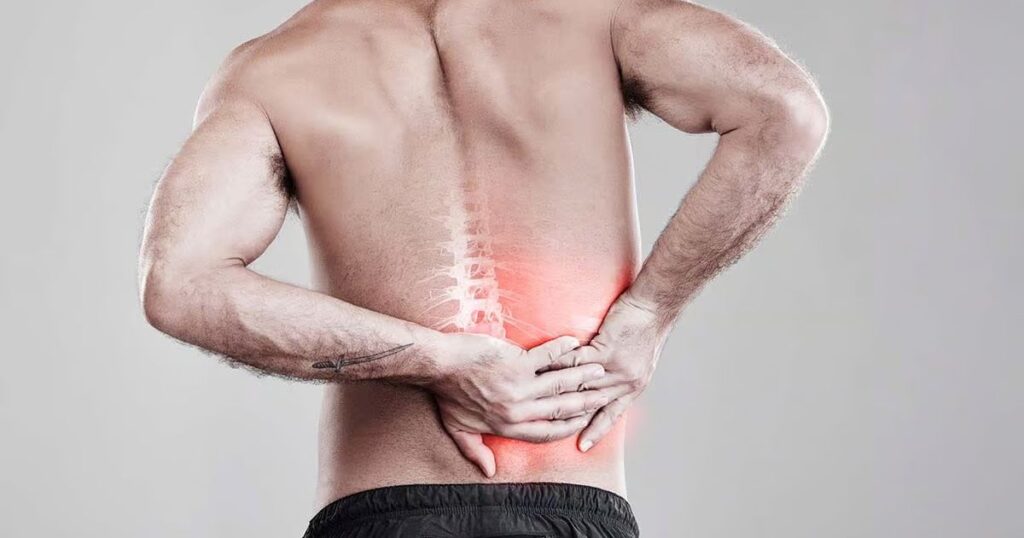

Experiencing lower back pain on the right side? Take the next step toward lasting relief with personalized care at Spine & Pain Clinic of Texas in Plano. Their experienced team can help identify the possible cause of your discomfort and recommend suitable treatment options for lower back pain right side. Don’t let persistent pain interfere with your daily activities. Request an Appointment today or call +1 (214) 256-3900 to schedule your consultation. Start your journey toward better mobility, improved comfort, and a healthier, more active lifestyle.
1. What Does Lower Back Pain on the Right Side Mean?
Your lower back supports much of your body’s weight throughout the day. It helps you bend, twist, walk, stand, and maintain balance. When discomfort develops on one side, it may involve muscles, joints, nerves, or nearby structures. Right-sided lower back pain does not automatically indicate a serious spinal condition. However, persistent or worsening symptoms deserve proper attention.
The discomfort may appear suddenly after lifting something heavy. Alternatively, it might develop gradually through repetitive movements or prolonged sitting. Some people notice lower back stiffness immediately after waking up. Others experience sharp discomfort while walking, bending, or changing positions. Understanding the location and behavior of your symptoms provides useful clues during medical evaluation.
Understanding the Anatomy of the Lower Right Back
The Lumbar spine contains five large Vertebrae that support your upper body and connect with your pelvis. Between these bones sit the Intervertebral discs, which absorb impact and allow controlled spinal movement. Nearby Spinal joints guide bending and twisting. Surrounding Spinal muscles and Ligaments stabilize this entire structure during everyday activities.
Your lower back also contains nerves and other Soft tissues that influence movement and sensation. The Pelvis connects your spine with your hips and legs. Therefore, irritation in one structure can affect nearby areas. Understanding this anatomy explains why a problem involving one muscle or joint may produce pain across a surprisingly large region.
What Does Right-Sided Lower Back Pain Feel Like?
Pain does not feel identical for everyone. You might notice a dull ache near your waistline or a sudden stabbing sensation after bending. Some people describe burning discomfort that spreads toward their buttocks. Others experience tightness that makes standing straight uncomfortable. These differences can help clinicians understand which structures might require examination.
For example, muscular discomfort often increases when you stretch or contract an affected area. Nerve-related pain may travel into your leg and involve tingling or numbness. Meanwhile, kidney-related discomfort can occur alongside urinary symptoms or fever. These patterns provide clues, but they cannot confirm a diagnosis independently.
Acute vs. Chronic Lower Right Back Pain
The duration of symptoms offers another useful piece of information. Acute pain generally lasts less than four weeks. Subacute discomfort continues between four and twelve weeks. Chronic back pain persists beyond twelve weeks. These categories help healthcare professionals describe your condition and plan appropriate care.
A sudden episode might follow exercise, lifting, or an awkward movement. Chronic discomfort may involve recurring mechanical stress, degenerative changes, or persistent nerve irritation. However, duration alone does not identify the cause. Even relatively recent pain may need urgent evaluation when serious warning signs appear.
Can Lower Back Pain Right Side Indicate a Serious Problem?
Most uncomplicated episodes involve musculoskeletal problems. However, certain symptoms can point toward conditions requiring faster medical evaluation. Fever, unexplained weight loss, recent serious trauma, or progressive weakness should not be ignored. New bladder or bowel problems require emergency assessment because they may indicate serious nerve compression.
Pain location offers a useful clue, but accompanying symptoms often tell a more important story.
The goal is not to assume the worst. Instead, recognize unusual changes and seek appropriate care. A qualified clinician can distinguish common mechanical pain from potentially serious spinal, urinary, abdominal, or pelvic conditions.
2. What Causes Lower Back Pain on the Right Side?
Several structures can contribute to discomfort around the right side of your waistline. Muscle injuries are common, particularly after unfamiliar exercise or heavy lifting. Disc problems, irritated nerves, and joint conditions may also produce localized symptoms. Sometimes, however, the source lies outside your spine. Lower back pain right side therefore requires an evaluation based on your symptoms and medical history.
The most useful distinction involves understanding whether movement triggers your discomfort or other symptoms appear alongside it. Pain that increases when bending may suggest a mechanical problem. Fever and painful urination raise different concerns. Neither pattern provides a diagnosis by itself. Still, recognizing these differences helps you explain your symptoms more clearly.
Muscle Strain and Ligament Injuries
A muscle strain can develop when your back muscles stretch beyond their comfortable limits. This commonly happens during heavy lifting, sudden twisting, sports, or repetitive bending. Small tissue injuries can trigger inflammation and Muscle tension around the affected area. As a result, your right lower back might feel tight, tender, or painful during movement.
An awkward lift can sometimes cause symptoms immediately. In other cases, soreness appears several hours after physical activity. You may notice discomfort when getting out of a chair or turning in bed. Most minor strains improve with appropriate activity modification and conservative care. Severe pain, significant weakness, or symptoms that continue worsening require medical evaluation.
Herniated or Bulging Disc
Your spinal discs act like cushions between neighboring bones. Their flexible outer layers contain softer material that helps distribute pressure. A bulging disc extends beyond its usual boundary. A herniated disc involves displacement of disc material through a weakened outer layer. Either condition may irritate nearby nerve structures.
Herniated spinal discs do not always cause symptoms. However, some produce back pain, numbness, tingling, or weakness. When a disc affects a nerve root on the right, discomfort may travel through your buttock and leg. This pattern becomes particularly important when you notice symptoms below your knee or changes in foot strength.
Sciatica and Pinched Nerves
Sciatica describes pain associated with irritation of the sciatic nerve or its contributing nerve roots. It often begins around the lower back or buttock. The discomfort may then travel down the back of your thigh and into your lower leg. Some people experience electric-like pain instead of ordinary soreness.
Nerve compression can develop when a herniated disc or narrowed spinal passage irritates a nerve. However, not every case of sciatica involves direct physical compression. Nerve inflammation can also contribute. If you experience progressive leg weakness, foot drop, or significant numbness, seek prompt medical attention.
Sacroiliac Joint Dysfunction
The sacroiliac joints connect your lower spine with your pelvis. These joints transfer weight between your upper body and legs. Irritation can develop after repetitive stress, an injury, or changes in movement patterns. Pain often appears around the lower back, buttock, or upper hip region.
Symptoms may increase when climbing stairs, standing on one leg, or changing positions. Some people notice discomfort after sitting for extended periods. However, sacroiliac joint problems can resemble hip, disc, and muscle conditions. A proper physical examination helps distinguish these possibilities.
Facet Joint Arthritis and Degenerative Disc Disease
Facet joints sit behind the spinal vertebrae and guide controlled movement. Over time, cartilage changes may contribute to joint irritation and stiffness. Similarly, spinal discs can gradually lose water content and flexibility. These age-related changes may affect the way your spine distributes weight.
Symptoms sometimes increase when extending your back or standing for long periods. You may also experience discomfort after waking or remaining still. These changes appear on imaging in many people without pain. Therefore, clinicians must connect examination findings with your actual symptoms before assigning a diagnosis.
Spinal Stenosis and Spondylolisthesis
Spinal stenosis occurs when spaces within the spine become narrower. This narrowing can irritate or compress nearby nerves. Some people experience leg discomfort, weakness, or heaviness while standing and walking. Sitting or leaning forward may provide temporary relief because the spinal canal position changes.
Spondylolisthesis occurs when one vertebra slips relative to another. This can alter spinal mechanics and sometimes irritate nearby nerves. Symptoms vary according to the affected level and degree of displacement. Imaging may help confirm suspected structural changes when examination findings justify further investigation.
Kidney Stones and Right Kidney Problems
Your right kidney sits toward the back of your upper abdomen. Problems involving this organ can produce pain around your back or flank. Kidney stones develop when minerals form hard deposits inside the urinary system. A stone moving through the urinary tract may trigger intense discomfort.
The pain can spread toward your lower abdomen or groin. Other symptoms may include nausea, vomiting, blood in urine, and painful urination. Some people experience discomfort that arrives in waves. A clinician may use urine testing and imaging to investigate suspected stones.
According to the National Institute of Diabetes and Digestive and Kidney Diseases, these symptoms can indicate kidney stones or another urinary condition. Seek medical evaluation rather than assuming the problem comes from your spine.
Kidney Infections and Urinary Tract Problems
A kidney infection can develop when bacteria travel from the bladder into one or both kidneys. Unlike ordinary muscular soreness, this condition often produces additional symptoms. You may experience fever, chills, nausea, painful urination, and discomfort around your back or side.
Prompt treatment matters because an untreated infection can cause serious complications. Healthcare professionals usually evaluate symptoms alongside urine tests and medical history. Antibiotics are commonly used when a bacterial kidney infection is confirmed. The NIDDK kidney infection guide explains common symptoms and treatment options.
Appendicitis and Other Abdominal Conditions
Not every problem near the right lower back starts in the spine. Appendicitis involves inflammation of the appendix and typically causes pain in the lower-right abdomen. The discomfort often begins near the belly button before moving downward. Movement, coughing, or pressure can make it worse.
Some people experience unusual pain patterns. Nausea, vomiting, appetite loss, fever, or changes in bowel habits may accompany symptoms. Appendicitis requires urgent hospital assessment. The NHS appendicitis guide explains its common warning signs.
Reproductive and Pelvic Health Conditions
Pelvic conditions can sometimes produce discomfort around the lower back. Women may experience pain related to ovarian cysts, endometriosis, or pelvic inflammatory disease. Pregnancy-related conditions can also produce unusual abdominal or back symptoms. These problems may require evaluation by an appropriate medical professional.
Severe pelvic pain during possible pregnancy deserves emergency assessment because an ectopic pregnancy can become life-threatening. Fever, unusual discharge, or significant pelvic tenderness also warrants prompt evaluation. Do not automatically attribute these symptoms to a spinal problem.
3. Why Is the Pain Only on the Right Side of Your Lower Back?
One-sided pain often develops because a particular structure experiences more stress than its opposite side. A muscle may become irritated during a twisting movement. A disc may affect one nerve root more than another. Joint inflammation can also remain concentrated around one side.
However, the same symptom can originate from an organ outside your spine. Kidney stones, infections, and abdominal conditions can produce right-sided discomfort. Identifying the exact location, timing, and accompanying symptoms helps guide an accurate examination. This distinction matters because lower back pain right side and left-sided discomfort may share spinal causes while involving different nearby organs.
Uneven Muscle Strain and Repetitive Movements
Daily habits can quietly overload one side of your back. Carrying a heavy laptop bag over one shoulder is one example. Repeatedly twisting toward the same direction can create another source of strain. Poor lifting technique may also place uneven stress on your lower back.
People who work at desks may remain in rotated or uneven positions without noticing. Drivers can experience similar problems after long periods behind the wheel. Over time, these movements may contribute to localized irritation. Adjusting your workspace and changing positions regularly can help reduce repetitive stress.
Right-Sided Nerve Compression
Sometimes the source involves a nerve leaving the spinal column. If a disc or narrowed spinal passage irritates a particular nerve root, symptoms may develop along that nerve’s pathway. This can create pain on the right side rather than across your entire back.
You may also notice tingling around your buttock, thigh, calf, or foot. Certain movements might increase symptoms because they change tension around affected structures. A neurological examination helps assess strength, reflexes, and sensation. These findings provide useful information when clinicians investigate suspected nerve problems.
Spinal Joint and Sacroiliac Joint Problems
Your spine contains several small joints that support movement and weight transfer. Irritation in a right-sided facet joint may produce localized discomfort. Similarly, problems involving the right sacroiliac joint can affect the lower back and buttock.
Pain may increase during twisting, bending backward, or climbing stairs. However, similar symptoms occur with other conditions. A clinician may use specific examination movements to assess the suspected joint. Imaging becomes useful only when the findings and clinical situation support it.
Referred Pain From Internal Organs
Internal organs sometimes produce pain in places away from their actual location. This phenomenon is called referred pain. Kidney problems may affect your back or flank. Certain digestive and pelvic conditions can also cause discomfort around nearby muscles and tissues.
The associated symptoms often provide important clues. Urinary changes suggest a different evaluation from pain that increases during lifting. Fever, vomiting, or abdominal tenderness also changes the clinical picture. Right-sided lower back pain should therefore be assessed as part of your overall health rather than in isolation.
Sleeping Posture and Daily Activity Habits
Your daily routine may influence how your back feels after several hours of rest. Sleeping in an uncomfortable position can increase stiffness. Long periods of sitting can also leave your muscles feeling tight. However, sleep posture is not necessarily the underlying cause of persistent pain.
A sudden increase in exercise can produce similar discomfort. Repeatedly lifting children, gardening, or performing household tasks can place extra strain on one side. Pay attention to patterns rather than blaming one activity automatically. Keeping a simple symptom record can help identify possible triggers.
4. Common Symptoms That Occur With Right-Sided Lower Back Pain
The sensation and location of discomfort can reveal useful information. Some people experience a localized ache near their waistline. Others notice pain extending toward their hip or leg. The severity can also range from mild stiffness to substantial movement limitations.
Pay attention to changes that occur alongside your pain. Numbness, weakness, fever, and urinary symptoms may suggest conditions beyond an ordinary muscle strain. A combination of symptoms usually provides more information than pain location alone. This is especially important when evaluating lower back pain right side.
Sharp, Dull, Aching, or Burning Lower Back Pain
Sharp discomfort may appear after a sudden movement or injury. A dull ache can develop through repetitive activity and prolonged postures. Burning pain sometimes accompanies nerve irritation. These descriptions help healthcare professionals understand your experience, although they cannot identify the cause independently.
You should also notice whether your pain changes during certain movements. Bending, coughing, standing, or lifting may increase discomfort. Pain that remains constant despite changing positions deserves closer evaluation. Sudden severe symptoms should never be dismissed simply because they occur in your back.
Pain That Spreads Into the Right Hip, Buttock, or Leg
Pain traveling into your leg may suggest irritation involving nearby nerves. The discomfort can begin in your lower back before spreading toward the buttock or thigh. In some cases, it reaches the calf or foot.
This pattern often appears with Sciatica, although other conditions can produce similar symptoms. You may experience tingling, pins and needles, or changes in sensation. Progressive weakness deserves special attention. A clinician can determine whether the symptoms follow a nerve distribution or involve another structure.
Numbness, Tingling, and Muscle Weakness
Your nerves carry messages between your brain, spinal cord, and body. When a nerve becomes irritated, these signals may change. You might notice reduced sensation, tingling, burning, or difficulty moving a particular muscle.
Weakness can affect standing, climbing stairs, or lifting your foot. Sudden or worsening weakness requires prompt medical assessment. New numbness around the groin or inner thighs requires emergency evaluation, particularly when accompanied by bladder or bowel changes.
Morning Stiffness and Pain After Sitting
Many people experience Lower back stiffness after sleeping. Muscles and joints may feel uncomfortable after remaining in one position for several hours. Getting up and moving gently may help ease temporary stiffness. However, prolonged morning stiffness can also occur with certain inflammatory or spinal conditions.
People who sit throughout the workday may notice similar discomfort. Their symptoms can increase after long meetings, extended driving, or working on a computer. Regular movement breaks may help. Persistent symptoms deserve evaluation rather than endless adjustments to your chair.
Abdominal Pain, Fever, and Urinary Symptoms
Certain accompanying symptoms change the level of concern. Fever and chills can indicate infection. Blood in urine may occur with kidney stones or other urinary conditions. Abdominal pain and vomiting may suggest an internal problem requiring urgent assessment.
The following table provides general examples. These patterns are not diagnostic tests, and several conditions can produce overlapping symptoms.
| Symptom pattern | Possible explanation | Recommended response |
|---|---|---|
| Pain after lifting or twisting | Muscle strain | Conservative care if mild and improving |
| Pain traveling down the leg | Nerve irritation | Medical evaluation if persistent or worsening |
| Flank pain with blood in urine | Possible kidney stone | Prompt medical assessment |
| Back or side pain with fever | Possible kidney infection | Urgent medical evaluation |
| Lower-right abdominal pain with nausea | Possible appendicitis | Emergency assessment |
| Back pain with new bladder problems | Possible serious nerve compression | Emergency department immediately |
The most important point is simple. Never use a symptom table to diagnose yourself. A healthcare professional must consider your history, examination, and relevant test results.
5. How Is Lower Back Pain on the Right Side Diagnosed?
Finding the cause begins with a careful medical evaluation. Your clinician will usually ask when symptoms started and what makes them better or worse. They may also ask about recent injuries, exercise habits, previous spinal problems, and other medical conditions.
A proper assessment looks beyond the painful area. Your hips, legs, abdomen, and neurological function may also require examination. This helps distinguish muscular conditions from nerve problems and internal-organ causes. For patients experiencing lower back pain right side, the goal is to identify the likely source before selecting treatment.
Medical History and Symptom Evaluation
Your medical history helps establish important patterns. A clinician may ask whether the pain appeared suddenly or gradually. They may also ask whether it follows lifting, prolonged sitting, or exercise. Changes in sleep, urinary habits, bowel function, and body weight can also matter.
Be specific when describing your symptoms. Explain whether pain stays near the waistline or travels into your leg. Mention any numbness, fever, or abdominal discomfort. Also discuss medications and previous injuries. These details help your clinician decide whether additional testing is necessary.
Physical Examination and Neurological Testing
During an examination, your clinician may assess posture, movement, and spinal flexibility. They can check whether certain movements reproduce your symptoms. Tenderness around particular muscles or joints may also help guide further evaluation.
A neurological examination may include reflex testing, muscle-strength checks, and sensation assessment. Your clinician might examine how you walk or stand on your heels and toes. These tests can reveal possible nerve involvement. No single examination maneuver proves every spinal condition, so findings must be interpreted together.
When Are X-Rays Necessary?
X-rays show bones and certain structural changes. They can help identify suspected fractures, significant alignment problems, and some forms of arthritis. However, ordinary X-rays do not show spinal discs or nerves in enough detail to evaluate every possible cause.
Doctors do not routinely order X-rays for every uncomplicated episode of lower back discomfort. Recent trauma or specific clinical concerns may justify imaging. The decision should reflect your individual symptoms rather than a general desire to obtain a scan.
When Should You Get an MRI Scan?
MRI provides detailed images of spinal discs, nerves, and surrounding soft tissues. It can help investigate suspected nerve compression, certain infections, tumors, and other serious conditions. Clinicians may recommend it when symptoms and examination findings justify further investigation.
However, an MRI is not automatically necessary for every patient. Many people show disc bulges or age-related changes without experiencing pain. Imaging findings must match your symptoms and examination. The American Academy of Family Physicians’ 2026 clinical review explains why routine imaging is generally unnecessary for uncomplicated acute back pain.
CT Scans, Blood Tests, and Urine Tests
Different suspected conditions require different tests. A CT scan may help evaluate certain fractures or kidney stones. Blood tests can investigate signs of infection or inflammation. Urine testing may identify blood or evidence of a urinary infection.
If symptoms suggest appendicitis or a pelvic condition, your clinician may recommend abdominal imaging or other specific investigations. Pregnancy testing can also matter when clinically appropriate. The purpose is to investigate the suspected condition rather than order every available test.
Finding the Right Back Pain Specialist in Plano, TX
Choosing the appropriate professional depends on your symptoms. A primary care clinician can evaluate many common episodes and arrange further care. An orthopedic spine specialist may assess structural spinal conditions. A neurologist or neurosurgeon may become involved when particular nerve or spinal problems require specialist assessment.
Pain management professionals can evaluate persistent pain and selected procedural options. Physical therapists help with movement, strength, and rehabilitation. For residents in Plano and nearby Collin County, the right starting point depends on symptom severity and the suspected condition. Emergency symptoms should always bypass routine appointment scheduling.
6. How to Relieve Lower Back Pain on the Right Side at Home
Home care can make everyday movement more comfortable during many uncomplicated back-pain episodes. However, the right approach depends on your symptoms and medical history. Gentle activity, appropriate heat therapy, and temporary activity adjustments often provide useful support.
Avoid treating every painful episode with complete bed rest. Staying gently active generally supports recovery when no serious condition prevents it. However, do not force exercises through severe pain. When lower back pain right side develops alongside fever, urinary symptoms, significant weakness, or concerning abdominal pain, seek medical evaluation instead of relying on home remedies.
Apply Heat or Cold Therapy
Heat therapy can relax tight muscles and improve comfort. A heating pad or warm compress may help during episodes involving stiffness. Keep a protective layer between the heat source and your skin. Avoid falling asleep with an active heating pad.
Cold packs may help after a recent strain or activity-related flare. Wrap the pack in a towel before applying it. Short applications can reduce discomfort without exposing your skin to extreme temperatures. Choose the option that feels helpful rather than assuming one method works for everyone.
Try Gentle Lower Back Stretches
Gentle movement can help maintain flexibility when your symptoms allow it. Pelvic tilts, controlled knee movements, and comfortable walking may suit some people. However, the correct exercise depends on the underlying condition. Certain movements can aggravate nerve-related symptoms.
For example, someone with Sciatica might experience increased leg pain during an unsuitable stretch. Another person with muscular stiffness may find gentle mobility helpful. Stop any movement that causes sharp pain, spreading numbness, or worsening weakness. A physical therapist can recommend exercises suited to your limitations.
Stay Active Without Overworking Your Back
Your back usually benefits from regular, comfortable movement. Walking around your home or taking short outdoor walks may help prevent stiffness. You can gradually increase activity as your symptoms improve. However, avoid intense exercise during a painful flare.
Extended bed rest can reduce strength and make everyday movement harder. Instead, temporarily adjust activities that aggravate your symptoms. If walking increases severe pain or neurological symptoms, seek medical advice before continuing. The AAFP clinical review identifies maintaining activity and heat therapy among the main early approaches for uncomplicated acute pain.
Improve Posture While Sitting and Standing
Long periods at a desk can make your back feel uncomfortable. Keep your feet supported and allow your chair to support your lower back. Position your monitor around a comfortable viewing height. Avoid leaning forward for hours without changing positions.
Standing for long periods can also increase discomfort. Shift your weight occasionally and take short movement breaks. People working in Plano offices or commuting across North Texas may spend considerable time sitting. Small changes throughout the day can reduce prolonged loading on uncomfortable tissues.
Avoid Heavy Lifting and Sudden Twisting
Heavy objects can place considerable stress on your lower back. Before lifting something, stand close to it and use your hips and knees. Keep the object near your body while moving. Avoid combining heavy lifting with sudden twisting.
Ask for help when an object feels too heavy. You should also reduce repetitive bending during a flare. Once symptoms settle, gradually rebuild strength rather than immediately returning to demanding activities. This approach helps prevent another avoidable injury.
Choose Appropriate Over-the-Counter Pain Relief
Some people use nonsteroidal anti-inflammatory drugs, often called NSAIDs, to manage short-term discomfort. These medications can reduce inflammation and provide modest pain relief. However, they are not appropriate for everybody.
People with kidney disease, stomach ulcers, certain heart conditions, or medication interactions may face additional risks. Pregnancy can also change which medications are appropriate. Ask a healthcare professional or pharmacist before using them. Never exceed product directions or combine medications without checking their ingredients.
Strengthen Your Core and Back Muscles
Your Core muscles help stabilize your trunk during movement. Strong, coordinated muscles can support comfortable lifting, walking, and everyday activities. Rehabilitation may include controlled abdominal exercises, hip strengthening, and gradual back-extension or flexibility work.
The important word is gradual. Beginning with demanding exercises during a painful episode can make symptoms worse. A tailored strengthening program should match your current mobility and medical condition. Consistency usually matters more than performing difficult exercises occasionally.
Everyday Lifestyle Adjustments for Plano Residents
Daily habits influence how your back handles physical demands. If your work involves long computer sessions, schedule regular movement breaks. During longer drives around Plano, adjust your seat and avoid remaining in one position unnecessarily. At home, distribute household loads rather than carrying heavy items on one side.
Gardening and weekend exercise also require sensible pacing. Warm up before unfamiliar activity and increase exercise intensity gradually. These adjustments cannot eliminate every cause of lower back pain right side. However, they can reduce avoidable stress and support healthier movement patterns.
7. Medical Treatments for Lower Right Back Pain
When home care does not provide enough improvement, professional treatment may become necessary. The best approach depends on whether symptoms involve muscles, joints, nerves, discs, or internal organs. Some patients improve with rehabilitation alone. Others need medication or more specialized treatment.
Lower back pain relief should focus on restoring function and addressing the underlying cause. Treatment does not need to begin with surgery or injections. Most uncomplicated episodes are managed without an operation. Your healthcare professional can discuss options after reviewing your examination and medical history.
Physical Therapy and Personalized Rehabilitation
Physical therapy focuses on restoring comfortable movement and improving physical function. Your therapist may assess muscle strength, hip mobility, flexibility, posture, and walking patterns. Treatment can include controlled strengthening and movement exercises tailored to your condition.
For example, someone with weak hip muscles may benefit from targeted strengthening. Another person might need exercises that improve mobility without increasing nerve irritation. Rehabilitation should progress at a manageable pace. Your therapist can adjust the program when symptoms change.
Prescription Medications for Lower Back Pain
Some patients require prescription medication when discomfort interferes with daily activities. A clinician may consider anti-inflammatory medicines or short-term muscle relaxants in selected cases. The decision depends on the suspected cause, health history, and possible side effects.
Stronger medication does not automatically produce better recovery. Certain drugs can cause sedation, dependence, or other complications. The NICE low back pain guideline emphasizes careful consideration of medication risks and appropriate prescribing. Discuss expected benefits and treatment duration before starting prescription therapy.
Epidural Steroid Injections for Nerve-Related Pain
An epidural steroid injection delivers anti-inflammatory medication into a space around spinal nerves. Clinicians may consider it for selected patients experiencing significant nerve-related pain. It is not a standard treatment for every episode of localized muscle discomfort.
The possible benefit, duration of relief, and risks vary between patients. An injection may reduce symptoms enough to support rehabilitation. However, it does not permanently correct every disc or structural problem. Your specialist should explain whether your examination findings support this option.
Facet Joint Injections and Radiofrequency Ablation
Some patients experience pain related to spinal facet joints. When examination suggests this source, specialists may consider diagnostic procedures. Selected patients may qualify for injections or radiofrequency ablation after further assessment.
Radiofrequency ablation uses controlled heat to interrupt selected nerve signals. It does not remove arthritis or rebuild damaged cartilage. Its role depends on the suspected pain source and diagnostic findings. These procedures require careful patient selection because they do not benefit every person.
Minimally Invasive Spine Procedures
Certain spinal conditions may require procedures when conservative treatment does not provide adequate relief. Minimally invasive techniques use smaller access points and specialized instruments. Depending on the condition, procedures may address disc material, nerve compression, or spinal stability.
Smaller incisions do not mean zero risk. Infection, bleeding, nerve injury, and persistent symptoms remain possible. Your surgeon should explain the expected outcome and alternatives. A careful evaluation is especially important when imaging shows several abnormalities.
When Is Lower Back Surgery Necessary?
Surgery becomes relevant when a specific structural problem causes significant symptoms. Progressive neurological weakness, certain forms of severe nerve compression, or persistent disabling symptoms may justify surgical evaluation. Some emergencies require immediate surgical assessment.
However, surgery is not the first solution for ordinary muscular discomfort. Many people recover through movement, rehabilitation, and suitable medical management. The decision should consider your symptoms, imaging, functional limitations, and overall health. Always discuss realistic benefits and risks before proceeding.
Treatment for Kidney or Other Non-Spinal Causes
A spinal procedure cannot correct a kidney infection or appendicitis. Each underlying condition requires its own treatment plan. Kidney infections often need antibiotics, while kidney stones may require observation, medication, or a procedure depending on size and complications.
Appendicitis usually requires urgent hospital management. Certain reproductive and pelvic conditions also need specific specialist care. This is why identifying the true source matters. Treating only the painful area can delay care for a more serious underlying problem.
8. What Is the Best Sleeping Position for Lower Back Pain on the Right Side?
A comfortable night can support recovery by reducing unnecessary strain. However, the Best sleeping position for lower back pain varies between individuals. Your symptoms, mattress, mobility, and preferred sleeping habits all matter. The goal is a comfortable Neutral spine position rather than forcing your body into an uncomfortable posture.
Good Sleeping positions for back pain often support the relationship between your spine, hips, and pelvis. This can reduce unnecessary twisting while your muscles relax. People experiencing Back pain at night should also pay attention to persistent symptoms. Pain that remains severe or repeatedly wakes you deserves medical evaluation.
Sleeping on Your Back With a Pillow Under Your Knees
Back sleeping with knee support can help some people relax their lower back. Lie comfortably on your back and place a supportive pillow beneath your knees. This may reduce tension around the lumbar region and help maintain a comfortable spinal position.
A small rolled towel beneath your waist may provide additional support when needed. However, avoid forcing your lower back into an exaggerated arch. Appropriate Pillow placement should improve comfort rather than create new pressure points. A supportive pillow beneath your head also helps maintain comfortable Neck alignment.
Side Sleeping With a Pillow Between Your Knees
Side sleeping with a pillow between knees is another helpful option. Lie on your side with your knees slightly bent. Place a supportive pillow between both knees to reduce uncomfortable rotation around your hips and pelvis.
This position may improve Hip alignment and support comfortable Hip and pelvic positioning. If a gap remains between your waist and mattress, a small towel may provide additional support. Avoid bending your knees too tightly or twisting your upper body in the opposite direction.
Is Sleeping on Your Right Side Bad for Lower Back Pain?
Sleeping on your right side is not automatically harmful. Some people feel more comfortable on their right side, while others prefer their left. The best approach is to choose the position that allows you to rest without increasing discomfort.
A pillow between your knees can help keep your legs from rotating unevenly. You may also experiment with a body pillow for additional support. If one position consistently increases pain, change it. Comfort and symptom response matter more than following a rigid sleeping rule.
The Fetal Position for Specific Back Conditions
The Fetal sleeping position involves lying on your side with your knees drawn gently toward your chest. This position can feel comfortable for some people with Spinal stenosis because slight forward bending may increase available space around certain nerves.
However, excessive curling can strain your hips or make breathing less comfortable. Keep the position relaxed rather than tightly folded. The Fetal position is an option to try, not a universal treatment. Your diagnosis and comfort should guide your decision.
The Worst Sleeping Positions for Lower Back Pain
Stomach sleeping can make comfortable spinal positioning more difficult for some people. It may increase the arch in your lower back and require you to turn your neck for breathing. This prolonged position can aggravate discomfort in susceptible individuals.
The Worst sleeping position for back pain is ultimately the one that repeatedly makes your symptoms worse. When stomach sleeping feels unavoidable, place a thin pillow beneath your hips and lower abdomen. A thin head pillow may also reduce uncomfortable neck rotation. Gradually experimenting with side or back sleeping may provide better comfort.
Choosing the Right Mattress and Pillow
A mattress should support your body without creating painful pressure points. Some people prefer a Medium-firm mattress because it balances cushioning and support. However, mattress preference varies with body shape, sleeping position, and existing conditions.
There is no single mattress firmness that works perfectly for everyone. A supportive mattress should allow comfortable movement without excessive sinking. Check whether your pillow keeps your head aligned with your chest and back. You should wake feeling comfortable rather than fighting your bedding throughout the night.
Tips for Getting Out of Bed Without Increasing Back Pain
Your first movements after waking can influence how comfortable your morning feels. Instead of sitting straight up, roll gently onto your side. Bend your knees and use your arms to push your upper body upward. Lower your feet toward the floor while moving into a sitting position.
This method reduces sudden strain during the transition. After standing, take a few comfortable steps before beginning demanding activities. Gentle morning movement may ease temporary stiffness. However, persistent Lower back pain when waking up deserves further evaluation rather than constant reliance on sleeping adjustments.
9. When Should You See a Doctor for Lower Back Pain on the Right Side?
Mild discomfort after exercise may improve with reasonable home care. However, persistent, worsening, or unusual symptoms require medical assessment. Pain that interferes with sleep, walking, or everyday activities should not be ignored. You deserve an evaluation that considers the underlying cause rather than simply masking discomfort.
Some conditions require immediate attention because they can affect nerves or internal organs. Others allow time for a scheduled medical appointment. Knowing the difference can help protect your health. Residents experiencing lower back pain right side in Plano should choose care based on symptom severity rather than waiting for a convenient appointment when warning signs appear.
When Persistent Lower Right Back Pain Needs Medical Evaluation
Arrange a medical appointment when symptoms fail to improve or repeatedly return. Pain that becomes more intense over time also deserves evaluation. The same applies when ordinary activities such as walking, sleeping, or working become difficult.
Persistent discomfort may involve disc problems, arthritis, muscle conditions, or another underlying issue. Your clinician can review your medical history and determine whether additional testing is appropriate. Do not assume that recurring pain is simply a normal part of getting older.
Warning Signs of Nerve Damage
Nerve-related symptoms deserve particular attention when they worsen. New muscle weakness, changes in walking, and spreading numbness may indicate neurological involvement. Difficulty lifting the front of your foot is another concerning change.
New numbness around your groin, buttocks, or inner thighs can indicate a serious condition called cauda equina syndrome. This may occur alongside bladder retention, loss of bladder control, or bowel dysfunction. Seek emergency medical care rather than waiting for symptoms to settle.
Signs That May Indicate Kidney or Abdominal Problems
Back discomfort combined with fever, chills, or urinary changes requires prompt assessment. Blood in urine and severe flank pain may indicate kidney stones or another urinary problem. Persistent vomiting and dehydration can increase the urgency.
Lower-right abdominal pain accompanied by nausea or fever may indicate appendicitis. Severe pelvic pain during possible pregnancy also needs immediate attention. These conditions should not be treated with routine back exercises or massage. Seek the appropriate medical care promptly.
When Is Right-Sided Back Pain a Medical Emergency?
Certain symptoms require emergency evaluation rather than a routine appointment. These include new loss of bladder or bowel control, saddle numbness, and rapidly progressing leg weakness. Severe back pain after a major accident or fall also needs urgent assessment.
Fever accompanying significant back pain can indicate infection or another serious condition. Severe abdominal pain, fainting, or signs of serious illness also require emergency care. In the United States, call 911 for a suspected emergency. Do not drive yourself when severe symptoms make travel unsafe.
When Should You Visit a Spine Specialist in Plano, TX?
A spine specialist may help when symptoms persist despite appropriate conservative care. Referral may also be suitable when examination suggests a disc problem, spinal stenosis, or significant nerve irritation. The specialist can review imaging when necessary and discuss treatment options.
An Orthopedic spine specialist evaluates spinal structure, movement, and conditions that may require surgical or nonsurgical treatment. Pain management clinicians can assess selected injection options, while physical therapists focus on restoring movement and strength. Your primary care clinician can help coordinate the right referral.
For Plano residents, seeking care locally can make follow-up and rehabilitation more practical. Choose a qualified professional who explains your diagnosis, treatment choices, expected outcomes, and possible risks. Good Spine health care should help you understand your condition rather than simply recommend a procedure.
Conclusion: Take Control of Lower Back Pain Right Side
Experiencing pain on one side of your lower back can disrupt almost every part of daily life. However, understanding its possible causes makes the next step easier. Muscle strain, disc conditions, irritated nerves, kidney problems, and abdominal conditions can all produce discomfort around this region. Their treatments differ considerably.
The most effective approach begins with accurate evaluation. Gentle activity, suitable sleeping positions, and sensible lifestyle adjustments may help many people. Persistent or unusual symptoms deserve professional attention. Emergency warning signs should never wait for a routine appointment.
For anyone experiencing lower back pain right side in Plano, TX, the priority should be finding the cause and choosing appropriate care. With a suitable treatment plan, many people can improve their movement, manage discomfort, and return to everyday activities with greater confidence.
Frequently Asked Questions About Lower Back Pain Right Side
1. What Is the Most Common Cause of Lower Back Pain on the Right Side?
Muscle strain is a common cause of one-sided lower back discomfort. It may develop after heavy lifting, sudden twisting, exercise, or repetitive movements. However, disc conditions, nerve irritation, kidney problems, and other medical conditions can produce similar symptoms. Persistent pain deserves proper evaluation.
2. Can Kidney Stones Cause Lower Right Back Pain?
Yes, kidney stones can cause sharp pain around the back, side, lower abdomen, or groin. The discomfort may come in waves and accompany nausea or vomiting. Blood in urine and painful urination can also occur. Seek medical evaluation when these symptoms develop.
3. Why Does My Lower Right Back Hurt When I Walk?
Pain during walking may involve muscles, spinal joints, hip structures, or irritated nerves. Some people with spinal stenosis experience leg symptoms after standing or walking. If walking causes increasing pain, weakness, or numbness, consult a healthcare professional.
4. Can Gas Cause Pain in the Lower Right Back?
Gas and digestive problems can sometimes cause abdominal discomfort that feels like it spreads toward the back. However, persistent lower-right abdominal pain should not automatically be blamed on gas. Fever, vomiting, worsening tenderness, or severe pain requires medical evaluation.
5. Why Does My Lower Right Back Hurt When I Wake Up?
Morning discomfort can develop after prolonged sleeping positions, muscle stiffness, or reduced movement overnight. Mattress support may also influence comfort. However, frequent morning pain can have other causes. Persistent stiffness or pain that worsens deserves medical assessment.
6. Can Sciatica Cause Pain on Only the Right Side?
Yes, Sciatica can affect one side when irritation involves nerve roots contributing to the right sciatic nerve. Pain may travel from the lower back into the buttock and leg. Tingling, numbness, or weakness can accompany it. A neurological examination helps identify the underlying problem.
7. How Do I Know If My Right-Sided Back Pain Is Serious?
Severe pain, progressive weakness, fever, unexplained weight loss, or urinary symptoms may indicate a more serious condition. New bladder or bowel dysfunction and saddle numbness require emergency attention. A healthcare professional can evaluate less urgent but persistent symptoms.
8. How Long Does Lower Back Pain on the Right Side Usually Last?
Minor muscular discomfort may improve within days or several weeks. Recovery varies according to the cause, severity, and individual health. Pain continuing beyond several weeks deserves evaluation, particularly when it interferes with daily activities or keeps returning.
9. Should I See an Orthopedic Spine Specialist for Right-Sided Back Pain?
A spine specialist may be appropriate when pain persists, affects movement, or involves suspected disc and nerve conditions. However, a primary care clinician can often provide the initial assessment. Emergency symptoms require immediate hospital evaluation instead of a routine specialist visit.
10. What Is the Fastest Way to Relieve Lower Right Back Pain?
The best approach depends on the underlying cause. For uncomplicated muscular pain, comfortable movement, heat therapy, and temporary activity adjustments may help. Avoid exercises that increase symptoms. Kidney problems, infections, and neurological emergencies require condition-specific medical treatment.
Medical information notice: This article provides general educational information and does not replace an individualized medical evaluation, diagnosis, or treatment plan. Seek professional care for persistent symptoms and emergency care for serious warning signs.