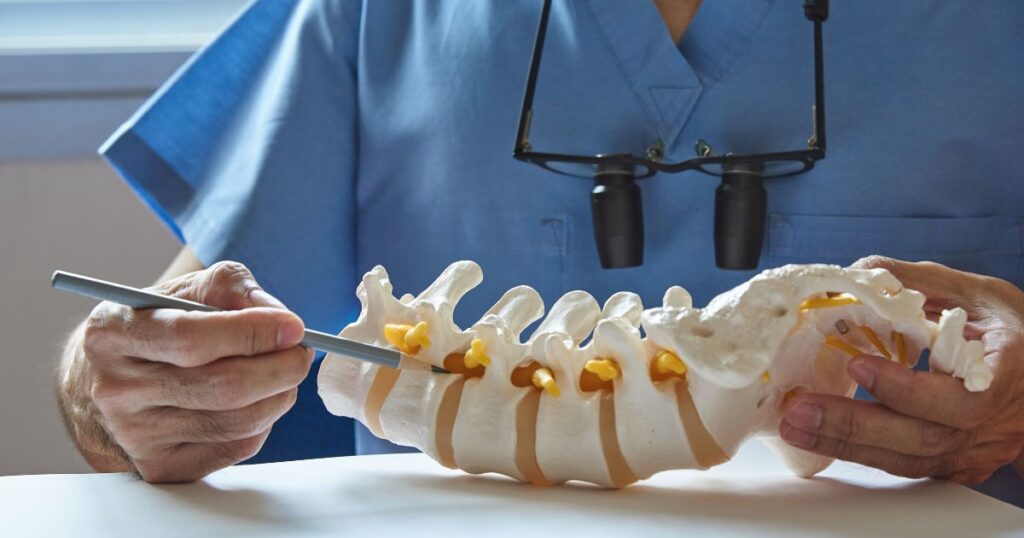

Ready to find relief from persistent pain? Contact Spine & Pain Clinic of Texas to explore personalized pain management solutions in Plano. Their experienced team can evaluate your symptoms, discuss suitable treatments, and help you take informed steps toward better comfort. Request an Appointment today or call +1 (214) 256-3900 to schedule your consultation. Start your journey toward improved mobility, lasting comfort, and a better quality of life.
What Are Mandibular and Maxillary Nerve Blocks?
A nerve block is an injection that temporarily interrupts signals traveling through a targeted nerve. Mandibular and Maxillary Nerve Blocks focus on the maxillary (V2) and mandibular (V3) divisions of the trigeminal nerve. These structures carry sensation from much of the middle and lower face.
During treatment, a qualified clinician places local anesthetic near the selected nerve. The medication temporarily reduces its ability to transmit pain signals. Depending on the patient’s condition and treatment goals, a specialist may block one branch or combine both. The procedure does not automatically remove the underlying cause of pain.
Understanding Mandibular and Maxillary Nerve Blocks
The trigeminal nerve acts like a communication network for facial sensation. Its branches carry information about pressure, touch, temperature, and pain toward the brain. When one branch becomes irritated or involved in a painful condition, targeted anesthesia may temporarily reduce the incoming signals. This is the basic principle behind these procedures.
A Maxillary nerve block targets the V2 division, while a Mandibular nerve block targets V3. Both procedures can help clinicians investigate or manage selected pain patterns. However, they are not interchangeable with routine dental injections. Their location, intended nerve target, clinical purpose, and imaging requirements can differ considerably.
How These Nerve Blocks Target the Trigeminal Nerve
The trigeminal nerve has three major divisions, known as V1, V2, and V3. The ophthalmic branch supplies the upper face, including the forehead and parts around the eyes. The other two divisions serve much of the upper and lower jaw regions.
Mandibular and Maxillary Nerve Blocks focus on the second and third divisions. The specialist selects the target according to the patient’s pain distribution and examination findings. For example, upper-jaw symptoms may suggest involvement of V2. Lower-jaw symptoms may point toward V3, although clinical assessment must confirm the likely source.
Difference Between Single and Combined V2 and V3 Nerve Blocks
A single-branch block targets either the maxillary or mandibular division. This approach may suit symptoms concentrated within one nerve’s sensory territory. A combined procedure targets both divisions when the patient’s pain pattern or surgical requirements involve the upper and lower facial regions.
Bilateral treatment means clinicians block the corresponding nerves on both sides. Unilateral treatment focuses on one side. These distinctions matter because a combined procedure can affect a wider area and may produce different sensory changes. Specialists choose the approach after reviewing the expected benefits and possible complications.
How These Procedures Differ From Routine Dental Numbing
Routine dental anesthesia usually targets a smaller nerve or local area surrounding a tooth. A more proximal trigeminal nerve block targets a larger nerve pathway before it divides into smaller branches. Consequently, the area experiencing temporary numbness may be wider than after an ordinary dental injection.
This difference also changes the clinical setting. Some dental injections take place in a standard dental office. More advanced Interventional pain management procedures may require specialized imaging, monitoring, and an experienced anesthesia or pain specialist. The correct technique depends on the reason for treatment.
Anatomy of the Maxillary (V2) and Mandibular (V3) Nerves
Understanding facial anatomy explains why two separate nerves require different approaches. The trigeminal nerve is the fifth cranial nerve and supplies much of the face with sensation. Its three divisions follow distinct routes and serve different anatomical regions.
The Trigeminal nerve branches also connect with smaller sensory nerves that supply the teeth, gums, lips, and oral structures. Therefore, pain in one region does not always mean the nearest visible structure is responsible. A specialist considers the complete nerve pathway before recommending Mandibular and Maxillary Nerve Blocks.
Understanding the Three Branches of the Trigeminal Nerve
The trigeminal nerve contains three principal divisions. V1 is the ophthalmic branch, V2 is the maxillary branch, and V3 is the mandibular branch. V1 mainly supplies sensation around the forehead, eyes, and upper nose. V2 and V3 serve the middle and lower facial regions.
These branches communicate sensory information to the brainstem. Their different pathways help specialists identify possible sources of Facial nerve pain, although trigeminal pain should not be confused with injury to the facial nerve itself. The facial nerve is cranial nerve VII and has different primary functions.
Maxillary Nerve (V2) and Its Sensory Functions
The maxillary nerve supplies sensation across much of the middle face. Its territory includes the upper teeth, upper gums, cheeks, lower eyelid, upper lip, and parts of the nasal cavity and palate. It travels through the pterygopalatine fossa before continuing toward the infraorbital region.
This pathway matters during a Maxillary nerve block because clinicians need to understand nearby anatomical structures. The nerve passes through complex spaces that contain blood vessels and other important tissues. Precise placement helps the specialist reach the intended region while reducing unnecessary exposure to surrounding structures.
Mandibular Nerve (V3) and Its Sensory and Motor Functions
The mandibular nerve differs from V2 because it carries both sensory and motor fibers. Its sensory territory includes the lower teeth, lower gums, chin, lower lip, and part of the tongue. It also supplies sensation around portions of the jaw and temporomandibular joint.
Its motor fibers control several muscles involved in chewing. Consequently, a sufficiently proximal V3 block may temporarily affect some jaw-muscle function. A Mandibular nerve block therefore requires careful planning, particularly when the patient needs to eat, speak, or perform activities involving normal jaw movement.
Facial Areas, Teeth, Jaw, and Oral Structures Supplied by V2 and V3
The upper and lower jaws receive sensory information through different branches. V2 gives rise to superior alveolar nerves that supply the upper teeth. V3 gives rise to the inferior alveolar nerve, which contributes sensation to the lower teeth, lower lip, and chin.
The front portion of the tongue also receives general sensation through the lingual nerve, a branch of V3. Taste in that region travels mainly through a different pathway. These distinctions help specialists understand why Oral mucosal pain may involve several nerve systems rather than one isolated structure.
| Nerve division | Main sensory territory | Important function |
|---|---|---|
| V1 – Ophthalmic | Forehead and upper facial region | Facial sensation |
| V2 – Maxillary | Upper teeth, cheek, upper lip, and palate | Facial and oral sensation |
| V3 – Mandibular | Lower teeth, chin, lower lip, and part of tongue | Sensation and chewing-related motor function |
How Nerve Anatomy Influences Block Placement
The target’s anatomical location determines how a specialist approaches the injection. The maxillary nerve travels through the pterygopalatine fossa, while the mandibular nerve passes through the foramen ovale after leaving the cranial cavity. Both regions sit near important blood vessels and other structures.
Anatomical variation can also affect treatment planning. Imaging may help the clinician identify the target and surrounding tissues. For this reason, Mandibular and Maxillary Nerve Blocks should follow an individualized plan rather than one universal injection method.
How Do Mandibular and Maxillary Nerve Blocks Work?
Pain signals travel through sensory nerves toward the spinal cord and brainstem. Local anesthetics temporarily interrupt this communication by affecting electrical activity within nerve cells. When the medication reaches the intended area, the patient may experience reduced sensation and less pain.
Mandibular and Maxillary Nerve Blocks use this principle to influence selected trigeminal pathways. The effect is usually temporary because the medication gradually leaves the surrounding tissues. The underlying nerve condition may still exist even when the patient experiences substantial Pain relief.
How Local Anesthetics Interrupt Pain Signals
Nerve cells depend on tiny electrical changes to transmit information. Sodium channels help create and carry these electrical signals along nerve fibers. Local anesthetics block these channels and temporarily prevent the affected nerve from sending normal impulses.
As a result, the brain receives fewer pain signals from the treated region. This effect can influence pain, temperature, and touch sensation. However, different nerve fibers respond at different rates. The patient’s experience also depends on medication choice, dose, injection location, and individual physiology.
How Bupivacaine and Lidocaine Affect Nerve Activity
Lidocaine and Bupivacaine are commonly used local anesthetics in different regional anesthesia procedures. Lidocaine generally produces a relatively quick onset with a shorter duration. Bupivacaine usually lasts longer, making it useful when clinicians want a more extended period of anesthesia.
The specialist selects the medication according to the intended procedure and patient’s medical history. Additional substances may sometimes appear in published treatment protocols. However, one case report’s medication mixture does not establish a standard formula for everyone receiving Mandibular and Maxillary Nerve Blocks.
Diagnostic vs. Therapeutic Mandibular and Maxillary Nerve Blocks
A diagnostic block helps clinicians investigate whether a particular nerve pathway contributes to the patient’s symptoms. The specialist compares pain before and after treatment. A meaningful temporary response may provide useful information, although it cannot prove a diagnosis by itself.
A therapeutic block aims to reduce discomfort. It may form part of a wider treatment plan involving medicines, rehabilitation, or surgery when appropriate. Some people experience longer improvement than the expected anesthetic period. Others experience only temporary relief or little benefit.
What Happens After the Target Nerves Become Numb?
Once the anesthetic takes effect, the treated area may feel numb, heavy, or different from normal. The patient may notice reduced pain along with altered touch or temperature sensation. These changes usually improve as the medication wears off.
Oral numbness can affect eating and speaking temporarily. Patients should follow their clinician’s instructions and avoid chewing numb areas accidentally. They should also be cautious with very hot drinks or food because reduced sensation can make burns harder to recognize.
Unilateral vs. Bilateral Combined Nerve Blocks
A unilateral block targets nerves on one side of the face. This may suit symptoms limited to one side, such as certain cases of trigeminal neuralgia. A bilateral approach treats both sides and may be useful during selected operations involving both jaws.
Combined bilateral treatment affects a broader sensory area. It can also produce more extensive temporary numbness. Therefore, specialists consider the patient’s anatomy, surgical plan, and recovery needs before choosing the technique. The wider treatment area does not automatically mean better results for every condition.
What Conditions Can Mandibular and Maxillary Nerve Blocks Treat?
The trigeminal nerve carries sensation from several facial and oral structures. Conditions affecting these pathways can cause sharp, burning, aching, or electric-shock-like discomfort. Mandibular and Maxillary Nerve Blocks may help selected patients when examination suggests an appropriate nerve target.
Potential applications include certain cases of trigeminal neuralgia, persistent oral burning, and pain following double-jaw surgery. However, these procedures do not treat every source of Orofacial pain. A dental infection, jaw injury, or unrelated throat condition may require a different treatment.
Trigeminal Neuralgia Affecting the Maxillary and Mandibular Branches
Trigeminal neuralgia is a neurological condition that causes sudden, severe facial pain. Patients often describe attacks as electric shocks, stabbing sensations, or sharp jolts. The attacks may last seconds or a few minutes and can occur during ordinary activities such as brushing teeth or talking.
V2 and V3 are commonly affected divisions. A specialist may consider targeted nerve blocks in selected situations, especially when acute pain requires additional management. Still, these injections should not replace a proper neurological assessment or established long-term treatment without a clear clinical reason.
Burning Mouth Syndrome and Persistent Oral Burning
Burning mouth syndrome causes a persistent burning, scalding, or tingling feeling inside the mouth. Symptoms commonly affect the tongue, lips, palate, or several oral areas. Some patients also report dry mouth or changes in taste, even when the mouth appears normal during examination.
The condition may involve altered pain processing or nerve function. Some patients also experience Neuropsychiatric conditions such as Depression, Anxiety, and Mood disorders. These associations do not mean emotional symptoms cause every case. A careful assessment remains important before considering a nerve block.
Postoperative Pain Following Double-Jaw Orthognathic Surgery
Orthognathic surgery changes the position or structure of the upper jaw, lower jaw, or both. Patients may experience substantial postoperative discomfort because the operation involves bone, soft tissues, and surrounding nerves. A regional nerve block may help reduce pain during the early recovery period.
In this setting, Mandibular and Maxillary Nerve Blocks may form part of a multimodal anesthesia plan. Clinicians combine different pain-control methods to reduce dependence on one medication. The approach may also help some patients avoid higher doses of opioid painkillers.
Chronic Orofacial Pain and Selected Maxillofacial Pain Conditions
Persistent facial discomfort can arise from several different structures. Teeth, jaw joints, muscles, sinuses, and sensory nerves may all contribute. Therefore, a correct diagnosis matters before clinicians choose a nerve-based intervention. Blocking a nerve will not fix an unrelated structural problem.
Specialists may consider Peripheral nerve blocks when examination suggests a specific pain pathway. The procedure may also assist selected patients with difficult-to-manage symptoms. However, evidence varies widely between diagnoses, and clinicians should explain the expected benefit before recommending treatment.
Facial Pain Following Certain Oral and Maxillofacial Procedures
Some oral and maxillofacial procedures can cause temporary or persistent pain around the operated area. The discomfort may result from tissue inflammation, surgical manipulation, or irritation of nearby sensory nerves. A targeted block may provide additional pain control in selected cases.
However, not every postoperative symptom requires a proximal nerve injection. Many patients recover with routine medication and standard aftercare. Clinicians should investigate unexpected swelling, infection, altered sensation, or severe worsening pain before assuming the problem requires another block.
When Nerve Blocks May Not Address the Underlying Cause of Pain
Pain is a symptom rather than a complete diagnosis. An upper tooth infection, oral ulcer, sinus problem, or inflamed jaw joint may produce symptoms near trigeminal nerve territories. A nerve block may temporarily reduce sensation without correcting the original condition.
This distinction is especially important when patients report Oropharyngeal pain. Much of the throat receives sensation through other cranial nerves, including the glossopharyngeal and vagus nerves. Therefore, V2 and V3 blocks are not general treatments for every type of throat or swallowing pain.
What Does Clinical Research Say About Mandibular and Maxillary Nerve Blocks?
Clinical research helps explain where these procedures may provide meaningful benefits. However, the strength of evidence differs between conditions. Randomized trials, individual case reports, and literature reviews answer different questions. Patients should understand these differences before making treatment decisions.
Research on Mandibular and Maxillary Nerve Blocks has explored persistent oral burning, acute trigeminal neuralgia, and postoperative pain. Findings are encouraging in some settings. Nevertheless, researchers need larger studies to establish long-term effectiveness, ideal medication combinations, and appropriate patient selection.
Research on Mandibular and Maxillary Nerve Blocks for Burning Mouth Syndrome
Refractory burning mouth syndrome can become difficult to manage when conventional treatments provide little improvement. One published case involved a woman who experienced persistent burning on the left side of her mouth. She had previously tried several medications without satisfactory results. Her clinicians eventually considered combined trigeminal nerve blocks.
The reported patient experienced approximately 90% pain reduction after two weeks. At six weeks, she still reported roughly 75% improvement. These findings are interesting but represent one patient’s experience. They cannot predict how another patient will respond to treatment.
A later scoping review also examined nerve blocks for this condition. Researchers found reports involving mandibular, maxillary, lingual, and stellate ganglion blocks. Lidocaine and bupivacaine appeared in the reviewed treatment reports. The authors concluded that standardized clinical studies remain necessary before stronger recommendations can be made.
Peripheral Nerve Blocks for Acute Trigeminal Neuralgia
Trigeminal neuralgia can produce sudden attacks that patients find extremely difficult to tolerate. A 2023 case report explored peripheral nerve blocks for acute symptoms involving the maxillary and mandibular divisions. Researchers described two patients who received targeted local anesthetic injections.
Their reported pain scores decreased from 8 to 2 and from 10 to 2. These outcomes suggest that peripheral blocks may offer short-term help in selected situations. However, a two-patient report cannot establish a reliable success rate or prove long-term effectiveness.
The findings also need to be considered alongside established trigeminal neuralgia treatments. Clinical guidelines generally recommend Carbamazepine or oxcarbazepine for long-term medical management. A specialist may consider additional interventions when medication fails or causes unacceptable side effects. Nerve blocks serve a different role and should not automatically replace standard care.
Randomized Controlled Trial of Combined V2 and V3 Blocks After Double-Jaw Surgery
One important study investigated combined bilateral blocks during double-jaw surgery. Researchers randomized 50 patients to receive either ultrasound-guided regional anesthesia or conventional intraoral local anesthetic infiltration. The researchers measured opioid consumption and other recovery outcomes during the first two postoperative days.
At 24 hours, the regional anesthesia group used an average of 25.5 mg oral morphine equivalents. The infiltration group used 45.7 mg. At 48 hours, the corresponding averages were 35.8 mg and 64.5 mg. The results support an opioid-sparing effect in this surgical setting.
However, the study did not establish that regional anesthesia eliminates postoperative pain. Reported pain scores did not show statistically significant differences between the groups. The authors concluded that combined blocks reduced opioid consumption by approximately half. Further research can help determine how broadly these results apply.
What Clinical Studies Reveal About Pain Relief and Opioid Reduction
The current research suggests that different patients may benefit for different reasons. People with acute neuralgia may seek temporary control during severe attacks. Surgical patients may receive blocks to reduce their need for additional medication. Selected patients with persistent oral burning may explore them after other treatments fail.
The strongest evidence among these examples comes from the randomized surgical trial. The burning mouth and neuralgia publications provide useful clinical observations but have smaller evidence bases. Therefore, treatment discussions should match the strength of research to the patient’s specific condition.
Limitations of Current Evidence and the Need for Further Research
Clinical evidence still has several gaps. Researchers need larger patient groups, consistent injection techniques, and longer follow-up periods. They also need standardized pain measurements and clear definitions of treatment success. Without these improvements, comparing different studies becomes difficult.
Another important question involves treatment duration. Some patients report improvement beyond the expected anesthetic period, but researchers do not fully understand why. Future studies should investigate whether medication choice, patient characteristics, or changes in pain processing influence longer-term outcomes.
How Are Mandibular and Maxillary Nerve Blocks Performed?
The procedure begins with a medical assessment rather than an immediate injection. The specialist reviews symptoms, previous treatments, medical history, and possible causes of pain. This information helps determine whether Mandibular and Maxillary Nerve Blocks are appropriate.
Depending on the technique, the clinician may use ultrasound, fluoroscopic imaging, or anatomical landmarks. These methods help identify important structures and guide needle placement. The procedure generally takes place under controlled clinical conditions with appropriate monitoring and emergency equipment available.
Initial Consultation, Pain Assessment, and Patient Preparation
Before treatment, your specialist should understand exactly where the pain begins and how it travels. You may discuss its intensity, duration, triggers, and effect on daily activities. Previous imaging, dental assessments, neurological examinations, and medication responses may also help clarify the diagnosis.
The clinician will review allergies, previous anesthesia reactions, bleeding problems, current medications, and relevant medical conditions. You should mention blood thinners and supplements that may affect bleeding. Never stop prescribed medication without professional instructions. This preparation helps reduce avoidable complications.
How the Maxillary Nerve Block Procedure Is Performed
A Maxillary nerve block targets the V2 division near an appropriate anatomical location. One specialized approach uses the pterygopalatine fossa, a small space containing the maxillary nerve and nearby structures. Ultrasound or another imaging method may help the clinician identify the treatment area.
After preparing the site, the clinician guides the needle toward the intended target. The medication is delivered around the nerve rather than directly into its substance. The exact approach and anesthetic depend on the clinical situation. Patients should not assume every specialist uses the same technique.
How the Mandibular Nerve Block Procedure Is Performed
A Mandibular nerve block targets the V3 division or an appropriate part of its pathway. The specialist considers nearby blood vessels, muscles, bone, and other anatomical structures. Different techniques may use imaging guidance or established anatomical landmarks to reach the intended region.
The procedure requires particular attention because V3 contains both sensory and motor fibers. An effective block may temporarily influence sensation and some chewing-related muscle activity. The clinician monitors the patient for expected effects and unexpected reactions throughout the process.
Combining Maxillary and Mandibular Nerve Blocks
Combined treatment targets both V2 and V3 during the same treatment session. Specialists may consider it when pain affects both upper and lower facial regions. It can also form part of an anesthesia plan for selected procedures involving both jaws.
A combined approach requires careful planning because it affects a larger sensory territory. The clinician considers the total local anesthetic exposure and the patient’s overall medical condition. The goal is to achieve an appropriate regional effect without creating unnecessary numbness or increasing avoidable risks.
Local Anesthetic Selection and Medication Considerations
Local anesthetic selection depends on the required onset, expected duration, and treatment setting. Clinicians may consider lidocaine or Bupivacaine for regional anesthesia. Their properties differ, so the choice should reflect the patient’s needs rather than a fixed recipe.
Some published protocols also describe additives such as Dexamethasone or Normal saline. Their use varies between procedures and clinical settings. A medication combination reported in one case should never be treated as a universal recommendation. The specialist must calculate safe doses and consider possible interactions.
Imaging Guidance, Injection Safety, and Patient Monitoring
A Sterile procedure helps reduce infection risk during injection. Depending on the approach, the clinician may use imaging to identify the target and nearby anatomy. Monitoring also helps detect unexpected sensory changes or reactions after the medication enters the treatment area.
The patient may remain under observation until the clinician considers discharge appropriate. The team checks the patient’s general condition and expected response. Interventional treatment should always include a clear plan for managing complications, even when serious reactions are uncommon.
Ultrasound-Guided vs. Traditional Mandibular and Maxillary Nerve Blocks
Imaging can improve anatomical awareness during procedures performed near complex facial structures. Ultrasound allows clinicians to observe selected tissues and guide the needle in real time. Traditional approaches may rely on anatomical landmarks or fluoroscopic imaging, depending on the target.
Neither method guarantees perfect placement or complete pain relief. Experience, anatomy, medication selection, and patient factors remain important. For Mandibular and Maxillary Nerve Blocks, technique selection should reflect the treatment goal and the specialist’s training.
How Ultrasound Guidance Helps Locate Target Nerves
Ultrasound uses sound waves to create images of tissues beneath the skin. A trained clinician can use these images to identify selected anatomical structures and surrounding blood vessels. This information may help guide the needle toward the intended region.
Another advantage involves observing the movement of the injectate during certain procedures. However, ultrasound does not show every nerve equally well. Image quality depends on anatomy, equipment, probe position, and operator skill. It should support clinical judgment rather than replace it.
Ultrasound-Guided Maxillary Nerve Block Through the Pterygopalatine Fossa
The pterygopalatine fossa contains the maxillary nerve and several connected anatomical structures. It provides an important target region for selected ultrasound-guided approaches. The specialist uses anatomical knowledge to identify the area and select a suitable path toward it.
Researchers have described different approaches to this region. These include anterior infrazygomatic, posterior infrazygomatic, and suprazygomatic techniques. Published reviews discuss the advantages and limitations of these methods. However, no single approach is suitable for every patient or clinical situation.
Suprazygomatic and Infrazygomatic Approaches
The names of these techniques describe their relationship to the Zygomatic arch. Suprazygomatic approaches reach the target from above this bony structure. Infrazygomatic approaches use a route below it. Both have been described for accessing the pterygopalatine fossa in selected cases.
The final choice depends on patient anatomy, procedural purpose, and clinician expertise. These approaches should not be confused with one universal technique for every V2 and V3 injection. A specialist must select the safest reasonable route for the specific target.
Traditional Anatomical Landmark and Fluoroscopy-Guided Techniques
Traditional techniques rely on knowledge of facial anatomy and carefully identified landmarks. Fluoroscopy provides moving X-ray images that help clinicians observe needle position and injected contrast. It can be useful when the target lies near complex structures that require additional visualization.
One published burning mouth case described identifying the Coronoid notch before advancing a needle below the Zygomatic arch toward the Pterygoid plate. A Spinal needle was used in that particular report. This describes one clinical approach, not a universal procedure for patients receiving nerve blocks.
Accuracy, Potential Benefits, and Technical Limitations
Imaging can help clinicians understand the needle’s relationship to the intended nerve and nearby structures. With fluoroscopic techniques, a Contrast injection may help assess the spread of medication. Clinicians also check for possible Vascular uptake, which could indicate unintended entry into a blood vessel.
However, imaging has limitations. Ultrasound may not display every structure clearly, while fluoroscopy involves radiation exposure. Neither method removes all procedural risks. Proper training, appropriate monitoring, and careful patient selection remain essential.
How Specialists Choose an Appropriate Nerve Block Approach
Specialists consider the location of pain and the underlying diagnosis before choosing a technique. A patient with one-sided neuralgia may need a different approach from someone undergoing bilateral jaw surgery. Previous operations and anatomical differences can also influence the decision.
The clinician should explain why a particular method suits the patient’s needs. You can ask about expected benefits, alternatives, imaging guidance, and possible complications. A good treatment discussion should provide realistic expectations rather than promise complete or permanent relief.
Benefits, Expected Pain Relief, and Alternatives to Nerve Blocks
The main benefit of a targeted block is temporary interruption of pain signals from a selected nerve pathway. For some patients, this may make daily activities more manageable. Mandibular and Maxillary Nerve Blocks may also support postoperative pain control and reduce medication requirements in selected settings.
However, the results vary considerably. Some patients notice substantial improvement, while others experience modest relief or no meaningful change. The cause of pain, nerve involvement, anesthetic choice, and overall health can all influence the outcome.
Potential Benefits of Combined Maxillary and Mandibular Nerve Blocks
Combined treatment may help patients whose symptoms involve both upper and lower facial regions. It can also provide regional anesthesia during selected maxillofacial operations. By targeting two sensory pathways, clinicians can address a wider area than one isolated nerve block.
For surgical patients, another potential advantage involves reducing the need for additional pain medication. This may be useful when clinicians want to limit opioid exposure. Still, a broader block does not automatically produce better results or guarantee a longer recovery benefit.
How Quickly Can Patients Experience Pain Relief?
Many local anesthetics begin working relatively quickly after successful placement. The precise onset depends on the medication, concentration, injection location, and individual response. Some patients notice reduced pain within minutes, while others experience a more gradual change.
Your clinician will assess the expected sensory effect after treatment. Immediate numbness does not necessarily mean the underlying condition has improved. Likewise, limited early relief may require reassessment rather than repeated injections without investigating the cause.
How Long Do Maxillary and Mandibular Nerve Blocks Last?
The duration depends largely on the local anesthetic and clinical technique. Lidocaine generally wears off sooner than long-acting agents such as bupivacaine. The amount injected, tissue characteristics, and individual metabolism may also influence the duration.
A temporary block may last several hours, but individual experiences differ. Some patients report improvement that continues after normal sensation returns. Researchers have documented longer responses in selected case reports, although those findings do not establish predictable treatment duration for everyone.
Can Combined Nerve Blocks Reduce Opioid Consumption?
Evidence from double-jaw surgery provides encouraging findings. In the randomized trial discussed earlier, patients receiving bilateral ultrasound-guided blocks required less morphine during the first two postoperative days. The researchers reported an approximately 50% opioid-sparing effect.
This matters because Opioids can cause nausea, constipation, drowsiness, and breathing-related complications. Reducing their use may benefit selected surgical patients. However, the findings relate to a specific operation and study population. They should not be generalized to every patient receiving nerve blocks.
Improving Comfort During Eating, Speaking, and Daily Activities
Persistent facial and oral pain can interfere with everyday tasks. Even drinking water or brushing your teeth may become uncomfortable. When a block reduces the targeted pain, some patients may find these activities easier during the period of benefit.
However, temporary numbness can also affect normal mouth function. Patients should follow advice about eating, drinking, and protecting the numb area. Those experiencing persistent swallowing problems, unusual weakness, or unexpected sensory changes should contact their healthcare provider.
Alternative Treatments for Trigeminal Neuralgia and Orofacial Pain
Nerve blocks are only one part of Chronic pain management. Most treatment plans begin by identifying the cause and considering less invasive options. The best alternative depends on the diagnosis, symptom severity, previous treatment response, and the patient’s medical history.
For Neuropathic pain, clinicians may consider several Pharmacological agents. These can include Gabapentin, Pregabalin, Duloxetine, and Amitriptyline. Carbamazepine is an established first-line medication for typical trigeminal neuralgia. Each medicine has different benefits, precautions, and possible side effects.
For burning mouth symptoms, treatment may involve addressing dry mouth, nutritional deficiencies, oral infections, or medication-related problems. A clinician may also consider Viscous lidocaine for selected symptoms. Other approaches can include oral care adjustments and behavioral support. No single Pharmacological treatment works for every patient.
How Doctors Evaluate Treatment Response
Doctors usually compare symptoms before and after treatment. They may ask about pain intensity, attack frequency, numbness, and changes in daily function. A patient who experiences fewer attacks or improved eating may have a meaningful response.
Follow-up also helps identify side effects and determine whether further treatment makes sense. The specialist may adjust the overall plan rather than repeat a block automatically. A structured assessment prevents temporary improvement from being mistaken for complete recovery.
Risks, Side Effects, Contraindications, and Recovery
Although nerve blocks are widely used in regional anesthesia, they are not risk-free. Most complications are temporary, but some reactions require urgent attention. The likelihood depends on the injection site, technique, medication, and patient’s health.
Before receiving Mandibular and Maxillary Nerve Blocks, patients should understand possible complications and recovery requirements. A qualified specialist reviews medical history, medication use, and allergies before proceeding. Clear aftercare instructions also help patients recognize unexpected symptoms.
Common Side Effects After Mandibular and Maxillary Nerve Blocks
Temporary numbness is an expected effect of successful local anesthesia. Some people also experience tingling, mild soreness, or bruising near the injection site. Depending on the target, changes in sensation may affect the cheek, lip, teeth, or tongue.
These symptoms usually improve as the anesthetic wears off. A mandibular block may also temporarily affect chewing-related muscle function because V3 contains motor fibers. However, increasing weakness or numbness that lasts beyond the expected period deserves medical assessment.
Potential Complications and Procedure-Related Risks
More significant complications can include bleeding, infection, unintended vessel injection, and nerve irritation. Rarely, patients may experience prolonged sensory disturbance or nerve injury. The risk depends on anatomy, needle placement, medication, and the clinician’s experience.
A needle can also affect nearby blood vessels. Bleeding around a nerve may create pressure and interfere with normal nerve function. Ultrasound and other imaging methods may help clinicians visualize certain structures, but they cannot remove every possible complication.
Local Anesthetic Systemic Toxicity and Other Serious Reactions
Local anesthetic systemic toxicity is an uncommon but potentially life-threatening complication. It can happen when excessive medication reaches the bloodstream or when the body absorbs an unsafe amount. Early symptoms may include dizziness, unusual sensations around the mouth, ringing ears, or confusion.
Severe cases can affect the brain and heart. Seizures, dangerous heart rhythm changes, and cardiovascular collapse require emergency treatment. Regional anesthesia teams prepare for this possibility by monitoring patients and maintaining appropriate emergency resources. The ASRA toxicity checklist outlines professional management principles.
Who May Not Be a Suitable Candidate?
Not everyone is an appropriate candidate for a targeted nerve injection. An active infection near the proposed injection site may increase risk. A history of serious local anesthetic allergy also requires careful review before treatment.
Bleeding disorders and blood-thinning medications need individual assessment. Certain neurological conditions or existing sensory problems may also influence the decision. Pregnancy, other medical conditions, and previous reactions to anesthesia should be discussed openly with the treating specialist.
Important Medication, Allergy, and Medical History Considerations
Your medication list provides important safety information. Prescription drugs, supplements, and over-the-counter products may influence bleeding or interact with treatment. Tell your clinician about previous reactions to anesthetics and any breathing or heart-related problems.
The specialist also needs to know about existing facial numbness, weakness, and neurological symptoms. Accurate information helps guide anesthetic selection and procedural planning. Never hide medication use or change a prescribed treatment independently before an injection.
Recovery, Aftercare, and Temporary Facial or Oral Numbness
Recovery depends on the technique, anesthetic, and patient’s response. Most patients return home after an appropriate observation period when clinicians consider discharge safe. However, the treated region may remain numb for several hours or longer.
During recovery, avoid biting the cheek, lips, or tongue accidentally. Protect numb areas from very hot food and drinks. Follow any eating, driving, and activity restrictions given by the clinician. Contact the treatment team when numbness lasts longer than expected or symptoms worsen.
Warning Signs That Require Immediate Medical Attention
Certain symptoms should never be ignored after a nerve block. Sudden breathing difficulty, severe facial swelling, chest discomfort, fainting, or seizure activity requires emergency medical attention. These symptoms may indicate a serious reaction rather than normal temporary anesthesia.
Patients should also seek prompt assessment for rapidly increasing pain, significant bleeding, fever, or worsening sensory changes. When symptoms appear severe, call 911 rather than waiting for a routine appointment. Early assessment can prevent a manageable complication from becoming more serious.
Conclusion: Understanding Your Mandibular and Maxillary Nerve Block Treatment Options
Persistent facial and oral pain can affect almost every part of daily life. Fortunately, modern pain management offers several approaches for selected conditions. Mandibular and Maxillary Nerve Blocks represent one option for targeting specific sensory pathways through the trigeminal nerve.
These procedures may help certain patients with trigeminal neuralgia, difficult oral burning symptoms, and postoperative jaw pain. Clinical research has demonstrated promising findings, particularly in double-jaw surgery. However, evidence remains limited for some chronic pain conditions. Individual results can differ significantly.
The best approach begins with an accurate diagnosis. Your clinician should investigate dental problems, nerve disorders, oral conditions, and other possible causes before recommending an injection. Conservative treatment, medication, and other interventions may offer suitable alternatives depending on your condition.
For patients in Longview, Texas, a discussion with an experienced pain-management professional can help clarify the available options. Ask questions about the procedure, expected benefits, potential risks, and recovery. An informed decision can help you choose a treatment plan that supports safer and more effective pain management.
Frequently Asked Questions About Mandibular and Maxillary Nerve Blocks
Patients researching facial pain treatments often have similar concerns. They want to understand whether injections hurt, how long the results last, and whether treatment can address their specific condition. The following answers explain important details about Mandibular and Maxillary Nerve Blocks.
What Are Mandibular and Maxillary Nerve Blocks Used For?
These procedures temporarily interrupt pain signals traveling through the maxillary and mandibular divisions of the trigeminal nerve. Specialists may consider them for selected cases of trigeminal neuralgia, persistent oral burning, and postoperative jaw pain. Their usefulness depends on the patient’s diagnosis and treatment goals.
Are Mandibular and Maxillary Nerve Blocks Painful?
Patients may feel pressure, a brief sting, or mild discomfort during injection. Local anesthetic helps reduce discomfort around the treatment area. Some soreness may follow the procedure. Your clinician can explain what sensations to expect based on the chosen technique.
Can These Nerve Blocks Help Relieve Trigeminal Neuralgia?
They may provide temporary relief for selected patients experiencing severe trigeminal neuralgia attacks. Small case reports describe encouraging results involving the V2 and V3 branches. However, these findings do not establish nerve blocks as a replacement for standard neurological treatment.
Can Maxillary and Mandibular Nerve Blocks Treat Burning Mouth Syndrome?
Some patients with Burning mouth syndrome may experience improvement after targeted injections. Published case reports describe promising individual outcomes. However, this remains an area of developing research. Clinicians generally consider the underlying causes and other available treatments before recommending a block.
How Long Does a Maxillary or Mandibular Nerve Block Last?
The duration depends on the anesthetic and individual response. Some medications provide several hours of temporary numbness. Others may last longer. Certain patients report continued pain improvement after normal sensation returns, although this longer response is not guaranteed.
Are Ultrasound-Guided Nerve Blocks More Accurate?
Ultrasound can help specialists visualize anatomical structures and guide needle placement. This may improve procedural accuracy in suitable cases. However, results depend on operator experience and image quality. Ultrasound does not eliminate complications or guarantee complete pain relief.
Can Both Nerve Blocks Be Performed During the Same Appointment?
Yes, clinicians can perform combined V2 and V3 blocks during one treatment session when medically appropriate. They may also use bilateral techniques for selected surgical patients. The decision depends on the pain distribution, treatment purpose, and total anesthetic exposure.
What Are the Possible Side Effects of These Nerve Blocks?
Temporary numbness, tingling, injection-site soreness, and minor bruising are possible. Less common complications include infection, bleeding, nerve irritation, and local anesthetic toxicity. Your specialist should explain individual risks and provide instructions for recognizing unexpected symptoms after treatment.
How Long Does Recovery Take After a Nerve Block?
Many patients recover within hours as the local anesthetic wears off. However, recovery varies with medication selection and procedural technique. Follow your clinician’s instructions about eating, drinking, driving, and physical activity until normal sensation and function return.
How Can Longview Patients Find an Appropriate Nerve Block Specialist?
Patients in Longview, Texas, can begin by discussing persistent facial or jaw pain with a qualified healthcare professional. A referral to an experienced pain specialist, neurologist, oral medicine specialist, or anesthesiologist may be appropriate.
Ask whether the clinician regularly performs trigeminal nerve blocks and uses suitable imaging guidance. You should also discuss previous treatments, medical history, potential complications, and realistic outcomes. A reputable Pain management clinic will explain alternatives rather than recommend injections automatically.
Medical disclaimer: This article provides general educational information. It does not replace an examination, diagnosis, or individualized medical advice from a qualified healthcare professional.