
What a New Report Says About Chronic Low Back Pain Treatments
Chronic low back pain affects millions of Americans, and most people dealing with it have tried at least two or three treatments before finding anything that helps. But a report published July 17, 2026 in Pharmacy Times raises a question that more providers and patients are asking: do many of the most common chronic low back pain treatments actually deliver enough benefit to justify their risks, costs, and side effects?
In this guide
- What a New Report Says About Chronic Low Back Pain Treatments
- Why Are Experts Questioning Common Back Pain Treatments?
- What This Means If You Have Chronic Low Back Pain in Grand Prairie, TX
- A Smarter Treatment Pathway: Conservative Care First
- What Is Radiofrequency Ablation (RFA) and How Might It Help?
- RFA Compared to Other Common Low Back Pain Treatments
- What Can You Expect During an RFA Procedure?
- Meet Dr. Muhammad Arif, MD: Interventional Pain Management in Grand Prairie, TX
- Taking the Next Step Toward Relief
- FAQ
That’s difficult to read when you’re already exhausted from months or years of pain. But understanding what the evidence does and doesn’t say can help you make smarter decisions about your own care.
Why Are Experts Questioning Common Back Pain Treatments?
The Pharmacy Times report signals a growing conversation in the medical community about the cost-benefit picture of treatments commonly used for chronic low back pain. Research suggests that some widely used approaches, including certain medications and procedures, may provide limited or short-lived relief for many patients while carrying risks that aren’t always discussed fully upfront.
According to the Mayo Clinic, chronic back pain is one of the most complex conditions to treat precisely because its causes vary so widely from person to person. What works well for one person may do very little for another, even when the pain feels the same on the surface.
Cost matters too. Many treatments for chronic low back pain are expensive, and when the benefit is modest or temporary, that’s a real burden for patients cycling through treatment after treatment without lasting improvement.
By mid-2026, a broader trend in pain management is clear: the field is actively searching for treatments that are minimally invasive and less reliant on opioid medications. That shift matters for every patient dealing with ongoing back pain right now.
What This Means If You Have Chronic Low Back Pain in Grand Prairie, TX
If you live in Grand Prairie, Arlington, Irving, Duncanville, Cedar Hill, Mansfield, or DeSoto, you probably aren’t reading medical journals to sort through this debate. You just want to know what to do about your back pain.
Reports like this one don’t suggest that all treatments are bad or that you should avoid care. They suggest that treatment decisions deserve a real conversation with a qualified specialist who can look at your specific situation and weigh the options honestly.
That’s exactly the kind of conversation the team at the Spine and Pain Clinic of Texas in Grand Prairie specializes in. The goal isn’t a one-size-fits-all solution. It’s to match the right treatment to the right patient.
If you’ve been dealing with chronic low back pain and wondering whether there’s a smarter path forward, consider calling (469) 680-3886 to schedule a consultation. The clinic serves patients from across the Dallas-Fort Worth Mid-Cities area, typically within a short drive.
A Smarter Treatment Pathway: Conservative Care First
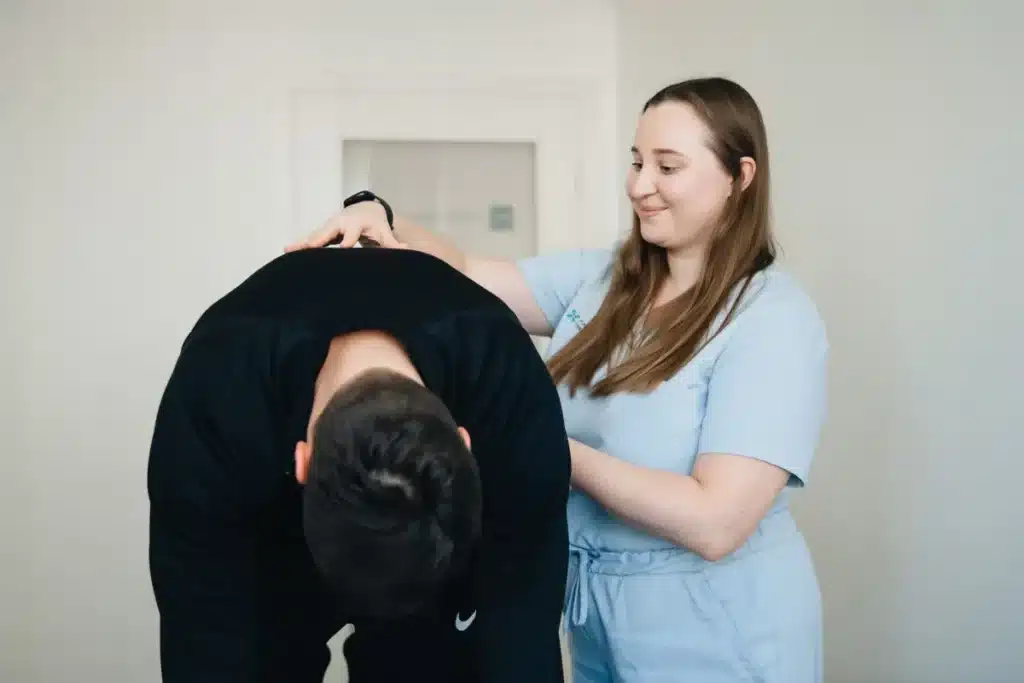
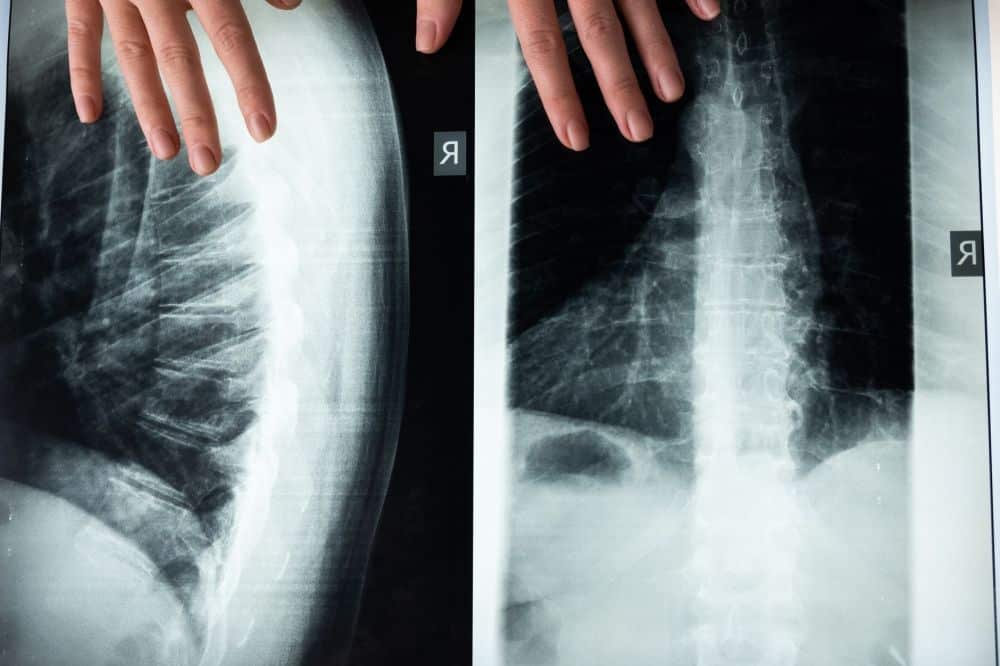
Before any interventional procedure is considered, conservative treatments form the foundation of responsible back pain care. These include physical therapy for the spine, which focuses on strengthening the muscles that support the lumbar vertebrae, as well as medication management, lumbar bracing, and targeted therapeutic exercises.
Most patients with chronic low back pain are encouraged to work through a course of conservative care first. Physical therapy and structured movement can genuinely help many people, and they carry far fewer risks than procedural options.
When conservative approaches haven’t produced enough relief after a fair trial, interventional options become worth discussing seriously. Conditions like sciatica, sacroiliac joint pain, and pain related to degenerative arthritis of the spine are common examples where targeted procedures may be appropriate.
Who This Treatment Pathway Is NOT Ideal For
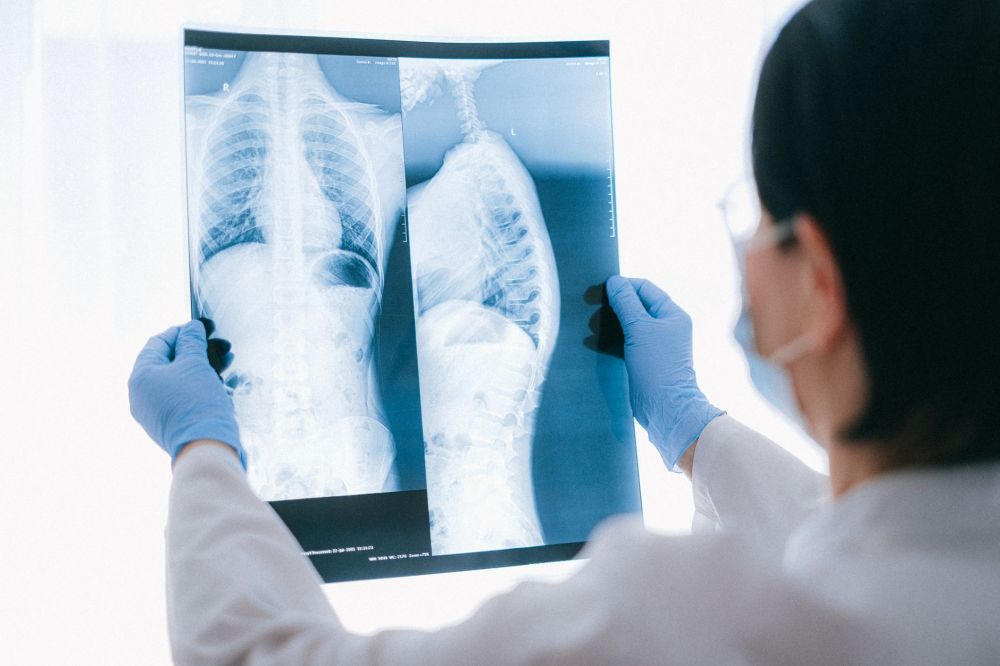
Not every patient is a candidate for interventional procedures. People whose back pain is linked to serious spinal instability, active infection, or certain structural problems may need a different approach entirely. A thorough evaluation, including imaging and a detailed physical exam, is essential before any procedure is planned. This is one reason a specialist consultation matters so much.
What Is Radiofrequency Ablation (RFA) and How Might It Help?
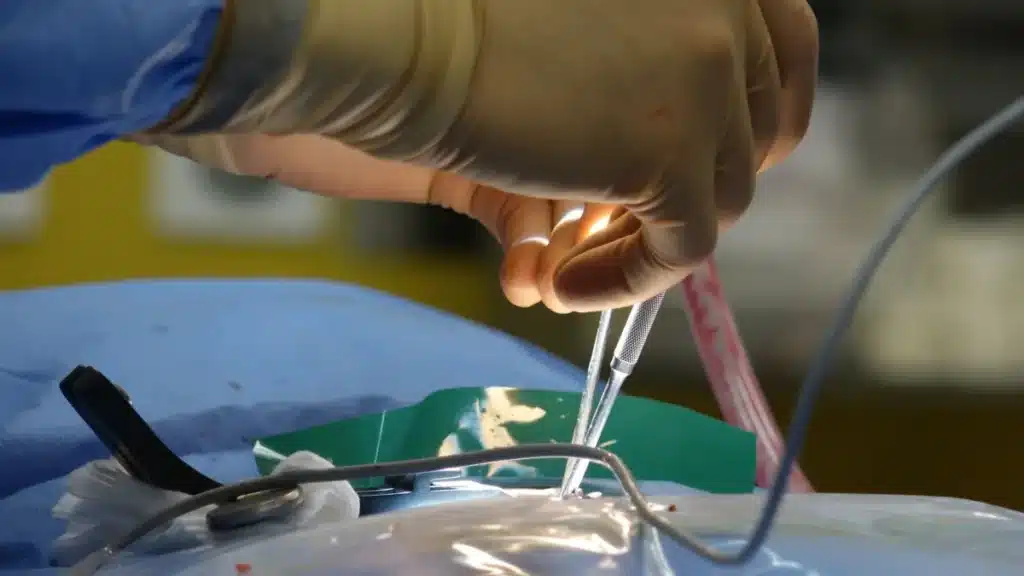
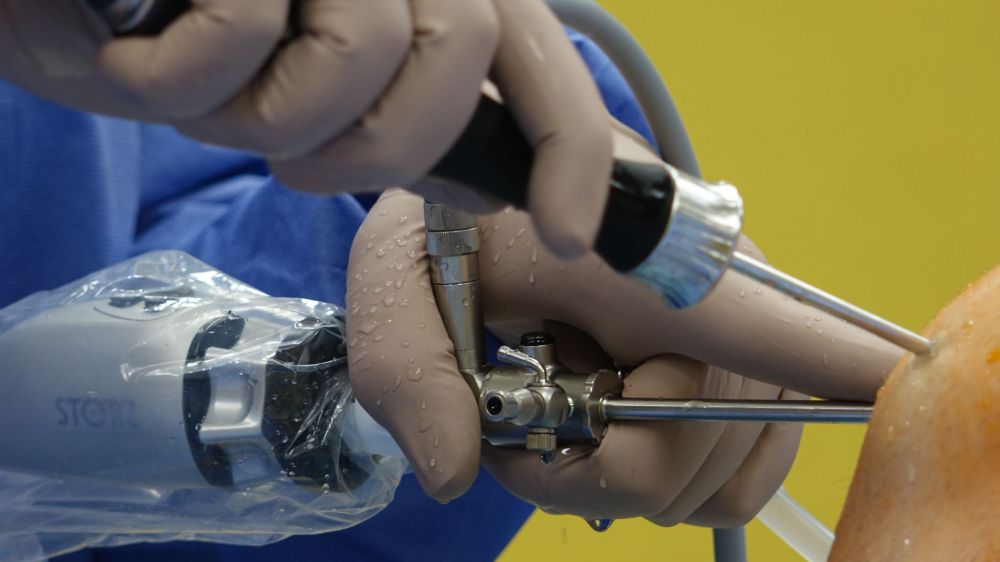
Radiofrequency Ablation (RFA) is a minimally invasive outpatient procedure designed to reduce pain by interrupting the pain signals sent from specific nerves to the brain. In plain terms, a thin needle-like probe is placed near the small nerves that carry pain signals from the facet joints (the small connecting joints along the back of the spine) or other target structures. A controlled heat energy is then applied, which disrupts the nerve’s ability to transmit pain.
The procedure is typically performed with image guidance, most often fluoroscopy (a type of real-time X-ray), to ensure the probe is positioned accurately. A local anesthetic numbs the area during the procedure, and most patients go home the same day.
For patients whose pain comes specifically from the facet joints or certain spinal nerve branches, radiofrequency ablation is commonly used as part of an interventional pain management plan. Many patients report meaningful relief that can last for months. Results vary, and no outcome can be guaranteed, but for carefully selected patients, RFA is considered a well-established option in interventional pain management.
RFA Compared to Other Common Low Back Pain Treatments
| Treatment | How It Works | Typical Setting | Key Consideration |
|---|---|---|---|
| Physical Therapy | Strengthens supporting muscles, improves mobility | Outpatient, ongoing sessions | Best first-line option; requires consistent participation |
| Epidural Steroid Injection (ESI) | Anti-inflammatory medication near spinal nerve roots | Outpatient procedure | May provide temporary relief; number of injections per year is typically limited |
| Facet Block Injections | Diagnostic and therapeutic injection near facet joints | Outpatient procedure | Often used to confirm RFA candidacy; see facet block injections |
| Radiofrequency Ablation (RFA) | Heat energy disrupts pain-transmitting nerve signals | Outpatient, image-guided procedure | May provide longer-lasting relief for appropriate candidates; not for everyone |
| Spinal Surgery | Structural correction of spinal problems | Hospital, recovery required | Reserved for cases where conservative and interventional options have not helped |
What Can You Expect During an RFA Procedure?
Understanding what happens on procedure day eases a lot of anxiety. Generally, you’ll be positioned comfortably on a procedure table. The skin over the target area is cleaned and a local anesthetic is applied to numb it. Using fluoroscopy guidance, the physician carefully positions a small probe near the target nerve.
The procedure itself typically takes 30 to 60 minutes, though this varies depending on how many levels are being treated. You’ll be monitored briefly afterward before going home. Most people are advised to take it easy for a day or two, with specific instructions from your care team.
Some patients notice mild soreness in the treated area for a short time after the procedure. Pain improvement often develops gradually over the following days to weeks, not immediately.
Questions Worth Asking at Your Consultation
- Am I a good candidate for RFA based on my imaging and exam findings?
- Will I need a diagnostic nerve block before RFA to confirm I’m a candidate?
- What results would be realistic for someone with my specific condition?
- How many levels of my spine would be treated?
- What does the recovery period typically look like?
- Does my insurance cover this procedure, and can the clinic help me check my benefits?

Meet Dr. Muhammad Arif, MD: Interventional Pain Management in Grand Prairie, TX
Dr. Muhammad Arif, MD is an interventional pain management specialist serving patients across all four Texas clinic locations, including Grand Prairie. Interventional pain management focuses on using targeted, procedure-based treatments to address pain at its source, rather than relying solely on long-term medication.
As the conversation around chronic low back pain treatments continues to evolve, having a specialist who can evaluate your individual case and discuss every option, including RFA, epidural steroid injections, nerve blocks, and minimally invasive procedures, makes a real difference.
Dr. Arif works with patients from across the Grand Prairie area, including those from Arlington, Irving, Mansfield, Duncanville, and Cedar Hill. If you’re searching for a pain clinic near me in the Dallas-Fort Worth region, the Grand Prairie location is centrally positioned for patients throughout the Mid-Cities area.
Taking the Next Step Toward Relief
If the recent conversation around chronic low back pain treatments has you wondering whether your current plan is the right one, that question is worth exploring with a specialist. As of July 2026, the medical community is actively pushing toward smarter, more targeted options, and patients in Grand Prairie, TX have access to exactly that kind of care.
The Spine and Pain Clinic of Texas in Grand Prairie is ready to help you understand your options, including whether radiofrequency ablation or other interventional treatments in Grand Prairie may be appropriate for your situation. Call (469) 680-3886 to schedule a consultation and talk with a specialist who can review your history, your imaging, and your goals.
The same expert care is also available at the clinic’s other Texas locations: Plano, TX at (469) 915-5222, Longview, TX at (214) 256-3900, and Tyler, TX at (214) 256-3900.
This article is for educational purposes only and is not a substitute for professional medical advice, diagnosis, or treatment. Always consult a qualified healthcare provider about your specific condition. If you experience severe or sudden symptoms, seek emergency care immediately.