
A Drug Approved for Acute Pain Is Now Being Prescribed for Chronic Pain. Here’s What That Means.
In January 2025, the FDA approved suzetrigine, sold as Journavx, for short-term pain after surgery or injury. By July 2026, reports show doctors are prescribing it far more broadly than that label allows. If you’re looking for a pain clinic near you or exploring your treatment options, understanding why this distinction matters could change how you approach your care.
In this guide
- A Drug Approved for Acute Pain Is Now Being Prescribed for Chronic Pain. Here’s What That Means.
- What Is Botox for Chronic Migraines, and Who Does It Help?
- Comparing Your Chronic Migraine Treatment Options
- Questions to Ask at Your Consultation
- Botox for Chronic Migraines in Grand Prairie, TX: Getting Evaluated Near You
- Taking the Next Step Toward Relief
- FAQ
Research from Epic Research in July 2026 documented that suzetrigine is being used for chronic pain despite its acute-pain-only FDA label. This matters because it means the medication hasn’t been formally tested, reviewed, or approved for long-term use.

What Is Suzetrigine, and Why Does the Label Matter?
Suzetrigine blocks a specific sodium channel called Nav1.8, which helps pain signals travel along your nerves. Unlike older pain medications, it doesn’t interact with opioid receptors, which appeals to doctors trying to avoid opioid-related risks.
The key difference lies in how pain works. Acute pain is short-term, the kind that follows surgery, a dental procedure, or a fall. Chronic pain lasts longer than three months and involves completely different mechanisms in your nervous system. The FDA approved suzetrigine only for acute pain. When doctors prescribe a medication outside its approved use, it’s called off-label prescribing. This is legal, but it means the drug hasn’t been formally tested or approved for that broader purpose.
What Does This Mean for Patients Living With Chronic Pain?
If you’ve been offered suzetrigine for chronic pain, or you’re searching for pain management in Grand Prairie, TX and weighing your options, this news deserves a careful conversation with your doctor. It doesn’t mean the medication is unsafe, but you should ask: Has this been studied for my specific condition? What does the evidence show so far? What are my other choices?
Consider chronic migraine as an example. It’s squarely in the chronic pain category, yet many patients and doctors overlook a well-established, FDA-approved treatment: Botox injections specifically for migraine prevention.
What Is Botox for Chronic Migraines, and Who Does It Help?
Botox for Chronic Migraines (onabotulinumtoxinA) is FDA-approved specifically for adults experiencing 15 or more headache days per month, with at least 8 qualifying as migraines. It’s the same compound used for cosmetic wrinkle treatment, but the dose and injection sites are different when used for migraine prevention.
The injections block the release of chemicals involved in pain signaling at nerve endings around your head, scalp, neck, and shoulders. According to the Mayo Clinic, treatments are administered every 12 weeks and may reduce how many headache days you experience. Results vary from person to person, and the treatment doesn’t work equally for everyone.
Spending more than two weeks each month managing headaches? This treatment may be worth exploring with a specialist.

Who May Be a Candidate for Botox Migraine Treatment?
Doctors typically consider Botox for migraines in patients who have been diagnosed with chronic migraine by a physician and haven’t found adequate relief from oral preventive medications alone. You’ll generally need to meet the threshold of 15 or more headache days monthly. Your doctor will also review your medical history, current medications, and any previous treatments before recommending this approach.
This treatment isn’t right for everyone. Patients who are pregnant, have certain neuromuscular disorders, or have an allergy to botulinum toxin components are generally not candidates. A thorough consultation with a specialist is the proper first step.
What Happens During a Botox Migraine Appointment?
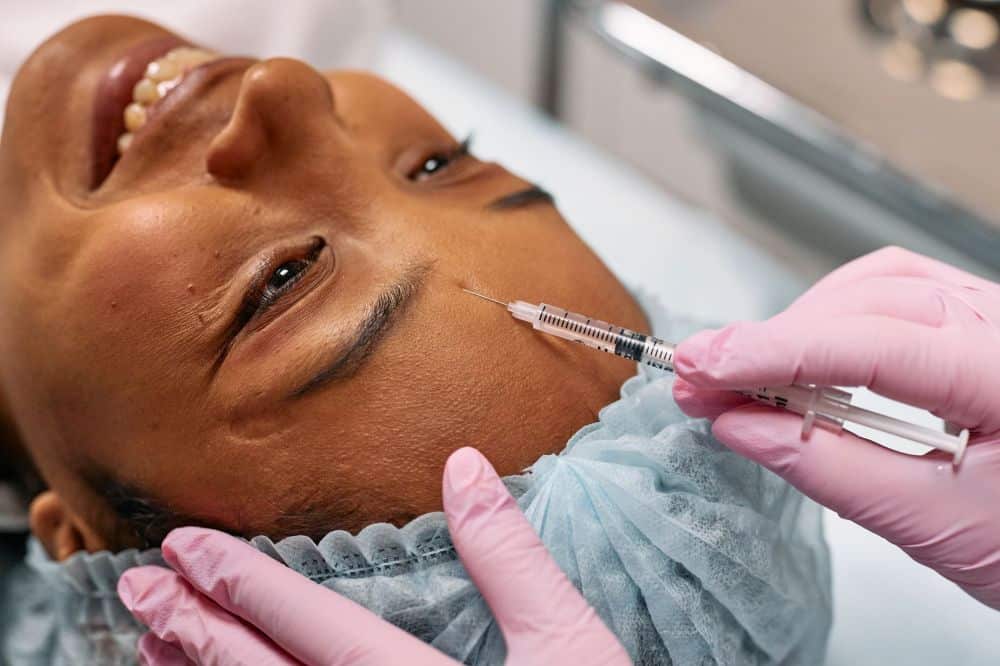
The procedure happens in the clinic and doesn’t require sedation or a hospital stay. Your provider administers a series of small injections across specific points on your forehead, temples, back of the head, neck, and upper shoulders. These sites match where pain-signaling nerve fibers are active in migraine sufferers.
Most patients describe the injections as small pinches. The appointment typically runs 20 to 30 minutes from start to finish, though your consultation beforehand will naturally be longer. You can usually drive yourself home afterward.
When results happen, they develop gradually over several weeks. Treatment protocols involve repeat sessions every 12 weeks to maintain benefit. Your provider will track your headache frequency between sessions to see how well the treatment works for you.
Comparing Your Chronic Migraine Treatment Options
Understanding how Botox fits alongside other approaches helps you have a more informed conversation with your care team. Here’s a general overview of common chronic migraine prevention options:
| Treatment Type | How It Is Given | FDA-Approved for Chronic Migraine? | Typical Frequency |
|---|---|---|---|
| Botox (onabotulinumtoxinA) | Clinic injections | Yes | Every 12 weeks |
| Oral preventive medications (beta-blockers, anticonvulsants, antidepressants) | Daily pill | Some are; varies by drug | Daily |
| CGRP monoclonal antibodies (newer biologics) | Monthly or quarterly injection | Yes (specific brands) | Monthly or every 3 months |
| Suzetrigine (off-label for chronic pain) | Oral pill | No (approved for acute pain only) | As prescribed; long-term data limited |
| Lifestyle modifications and physical therapy | Ongoing self-management | Not applicable | Ongoing |
Every patient’s situation is different. The right approach depends on your migraine frequency, other health conditions, your current medications, and what matters most to you. A specialist in headache and chronic pain management can work through these options with you systematically.
Questions to Ask at Your Consultation
Showing up prepared makes a real difference. Here are questions worth bringing:
- Do I meet the diagnostic criteria for chronic migraine specifically?
- Have I tried enough first-line preventive options before moving to injectable treatments?
- How will we measure whether Botox injections are working for me?
- What should I expect during the first treatment cycle?
- If I’m on another pain medication, how might it interact with Botox?
- Does my insurance cover Botox for chronic migraines, and can your office help verify that?
Insurance coverage for Botox migraine treatment varies by plan and typically requires documentation of your diagnosis and prior treatment attempts. The team at the Spine and Pain Clinic of Texas can help walk you through the verification process.
Botox for Chronic Migraines in Grand Prairie, TX: Getting Evaluated Near You
The Spine and Pain Clinic of Texas in Grand Prairie offers Botox for Chronic Migraines as part of a comprehensive injections and nerve blocks program. Patients from Arlington, Irving, Duncanville, Mansfield, Cedar Hill, DeSoto, and surrounding Mid-Cities communities will find the Grand Prairie location a short, easy drive from home.
Dr. Muhammad Arif, MD, an interventional pain management specialist serving all four Texas clinic locations, is part of the clinical team evaluating and treating patients with chronic pain conditions including chronic migraines. Learn more about his background and approach on his provider profile page.

Looking for a pain clinic near you in Grand Prairie? The clinic typically offers consultations where your full history is reviewed before any treatment is recommended. Your care isn’t rushed. The goal is an individualized plan that fits your actual needs.
If you’re currently trying off-label medications like suzetrigine without consistent relief, a specialist evaluation is especially worth considering. There may be options specifically designed and studied for long-term migraine prevention that your current care plan hasn’t yet explored.
Taking the Next Step Toward Relief
Chronic migraines are exhausting. Managing each attack, missing time with family or work, wondering if anything will ever actually reduce how often they happen, it takes a toll. You deserve a care plan built on treatments with solid evidence supporting them.
If you’re ready to discuss Botox for Chronic Migraines or review your full pain management options, contact the Grand Prairie, TX location of the Spine and Pain Clinic of Texas. Call (469) 680-3886 to request a consultation, or visit the location page to learn what to expect at your first visit.
Dr. Muhammad Arif, MD and the clinical team carefully review each patient’s situation and recommend only what the evidence and your individual history support.
The same chronic migraine evaluation and Botox treatment services are also available at the clinic’s other Texas locations: Plano, TX at (469) 915-5222, and both Longview, TX and Tyler, TX at (214) 256-3900, so patients across East Texas and the greater DFW area can access specialized care close to home.
This article is for educational purposes only and is not a substitute for professional medical advice, diagnosis, or treatment. Always consult a qualified healthcare provider about your specific condition. If you experience severe or sudden symptoms, seek emergency care immediately.