
Persistent pain can make everyday activities feel exhausting. Walking, driving, working, or sleeping may become difficult when discomfort keeps returning. Interventional pain management offers selected patients another way to address certain pain conditions. Rather than relying only on medication, a specialist first evaluates the likely source of your symptoms.
Depending on the diagnosis, treatment may involve targeted injections, nerve blocks, or other minimally invasive procedures. These options do not suit everyone, and results can vary. For people in Tyler, Texas, learning how these treatments work can make healthcare conversations more productive. Understanding the possible benefits, risks, and alternatives helps you make informed decisions with your physician before choosing a procedure.
Ready to take the next step toward better pain relief? Visit Spine & Pain Clinic of Texas to explore personalized interventional pain management options for chronic back pain, nerve pain, and other painful conditions. Their experienced team can evaluate your symptoms, explain available procedures, and help you understand which treatment may suit your needs. Request an Appointment today or call +1 (214) 256-3900 to schedule your consultation in Tyler, Texas. Take the first step toward improved mobility, lasting comfort, and a better quality of life.
1. What Is Interventional Pain Management?
Pain treatment becomes more effective when doctors understand what causes your discomfort. Interventional pain management is a specialized area of medical care that uses targeted procedures to evaluate and manage certain pain conditions. Instead of focusing exclusively on symptoms, physicians investigate the structures or nerves contributing to your discomfort. They then consider whether a specific procedure may help.
This approach belongs to interventional pain medicine, which combines medical evaluation, diagnostic techniques, and selected treatments. Depending on your condition, care may involve injections, nerve blocks, radiofrequency techniques, or implanted stimulation devices. Most procedures use small needles or specialized instruments rather than traditional surgical incisions. However, not every patient needs an intervention. Your diagnosis and treatment goals should guide every decision.
Understanding Interventional Pain Management and How It Works
Your pain may originate from several different structures. A damaged disc, irritated nerve, inflamed joint, or injured muscle can produce surprisingly similar symptoms. Therefore, identifying the likely pain source matters before selecting a treatment. An interventional pain specialist examines your symptoms and determines whether a targeted procedure makes medical sense.
For example, someone experiencing shooting leg pain may have irritation around a lumbar spinal nerve. Another person might experience localized back discomfort associated with spinal joints. These situations require different evaluations. The goal is to Identify the source of pain before discussing possible procedures.
What Are the Main Goals of Interventional Pain Management?
The central objective involves improving everyday function while managing uncomfortable symptoms. Depending on the diagnosis, treatment may aim to Reduce pain signals, address inflammation, or help identify a particular pain generator. Some procedures provide temporary relief while others target specific nerve pathways for longer-lasting effects.
A successful treatment plan should also help Improve mobility and function. You might want to walk comfortably, return to exercise, sleep better, or complete household responsibilities. Those practical improvements matter just as much as changes on a pain scale. Your physician should establish realistic goals before recommending treatment.
How Does It Differ From General Pain Management?
Traditional pain care often combines medications, exercise guidance, rehabilitation, lifestyle changes, and medical follow-ups. These approaches remain important for many patients. Minimally invasive pain management adds selected procedures when the clinical evaluation identifies a suitable target. It does not automatically replace medication or physical therapy.
For instance, medication may help control widespread discomfort while rehabilitation improves strength and movement. A targeted procedure might address a specific nerve or joint problem. These methods can complement each other when appropriate. The best approach depends on your condition rather than a preference for one treatment category.
2. What Does an Interventional Pain Management Specialist Do?
A specialist does much more than perform injections. Their responsibility begins with understanding your symptoms and reviewing the possible reasons behind them. A qualified Pain management physician considers your medical history, previous treatments, physical abilities, and personal goals. This evaluation helps determine whether an intervention offers meaningful potential benefits.
In Tyler, TX, patients can discuss persistent pain with physicians who have specialized training in pain medicine. Depending on your needs, your care may also involve physical medicine and rehabilitation specialists, neurologists, radiologists, or spine surgeons. Coordinated care matters because chronic pain rarely affects only one aspect of your health.
What Type of Doctor Performs Interventional Pain Management?
Interventional pain physicians commonly complete residency training in anesthesiology, physical medicine and rehabilitation, or another qualifying specialty. Many pursue additional fellowship training in pain medicine. This advanced education develops skills in diagnosing complex pain conditions and performing specialized procedures.
When evaluating a physician in Tyler, check their board certification, fellowship training, procedural experience, and professional credentials. Ask whether they regularly perform the treatment being considered. A doctor should also explain alternative approaches. Good clinical care involves more than access to advanced equipment.
How Do Specialists Identify the Source of Pain?
The diagnostic process begins with your symptoms and medical history. During a Diagnostic evaluation, your physician may ask when the pain started, where it travels, and which activities make it worse. They may also review previous injuries, surgeries, medications, and treatment responses. These details help establish a clearer clinical picture.
Next, your doctor performs a Physical examination to evaluate movement, strength, sensation, reflexes, and other relevant findings. They may review existing Imaging results from X-rays, MRI scans, or CT studies when appropriate. However, an imaging abnormality does not always explain your symptoms. Treatment decisions should consider the complete examination rather than a scan alone.
How Do Physicians Choose the Right Pain Management Procedure?
Choosing a procedure requires careful clinical judgment. Your physician considers the suspected pain source, symptom severity, previous treatment response, and possible complications. They also explain the expected duration of relief and whether evidence supports the proposed treatment for your particular condition.
A Personalized treatment approach helps avoid unnecessary procedures. Your physician may recommend additional rehabilitation instead of an injection. They might also suggest a specialist evaluation if your symptoms indicate a surgical problem. The objective is to choose a suitable treatment rather than automatically selecting the most advanced option.
What Should You Look for in a Pain Specialist in Tyler, TX?
Finding a suitable local physician involves more than checking appointment availability. Look for relevant certification, specialized training, clear communication, and experience with your specific condition. Ask whether the practice explains treatment alternatives and provides follow-up care after procedures.
You should also discuss insurance coverage, referral requirements, and facility arrangements before scheduling treatment. For example, CHRISTUS Trinity Clinic’s Pain Management Center in Tyler describes care involving conservative treatment, physical therapy, medication, and interventional options. Its published information provides a local starting point when researching available services.
3. What Conditions Can Interventional Pain Management Help Treat?
Persistent discomfort can develop from many different structures throughout your body. Some Chronic pain conditions involve irritated nerves while others originate from joints, muscles, or spinal structures. The same symptom can have several underlying explanations. Therefore, physicians evaluate each patient individually before considering a procedure.
People seeking Chronic pain treatment in Tyler may experience recurring back discomfort, neck problems, joint pain, or nerve-related symptoms. Certain interventions may help selected patients with these conditions. However, the presence of a diagnosis alone does not establish that an injection or nerve procedure will work.
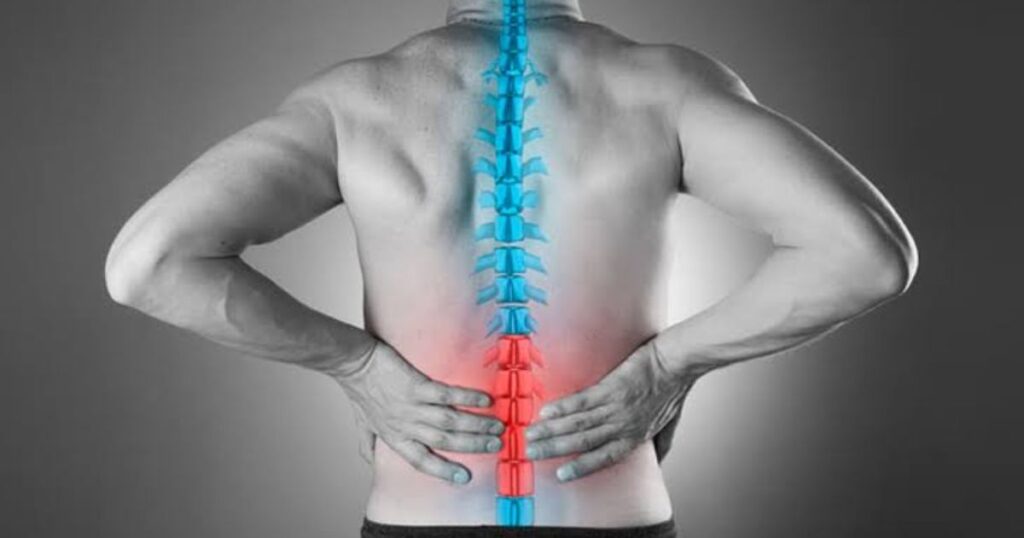
Chronic Back Pain and Lower Back Pain
Lower back pain can interfere with nearly everything you do. Sitting, lifting groceries, driving, and getting out of bed may become uncomfortable. Potential causes include disc problems, muscular conditions, spinal joint disorders, and nerve irritation. The correct treatment depends on the underlying condition.
Chronic back pain treatment may involve exercise therapy, medication, education, and selected procedures. Physicians sometimes evaluate injections or nerve treatments when symptoms and examination findings support a specific target. However, chronic nonspecific back pain does not automatically require an intervention. Conservative care often remains an important part of treatment.
Neck Pain and Cervical Spine Conditions
Neck discomfort can originate from muscles, joints, discs, or cervical nerves. Some people experience stiffness around the neck while others develop pain extending toward their shoulders, arms, or hands. Tingling and weakness may suggest nerve involvement and deserve proper assessment.
When Irritated spinal nerves contribute to symptoms, physicians may investigate cervical radiculopathy or related conditions. Depending on the diagnosis, they may discuss rehabilitation, medication, or selected cervical procedures. Severe or progressive weakness requires prompt medical assessment rather than simply waiting for a routine pain appointment.
Sciatica, Herniated Discs, and Spinal Stenosis
Sciatica describes pain that travels along the sciatic nerve pathway. People often feel discomfort through the buttock and down one leg. A herniated disc may irritate a nearby nerve root and contribute to these symptoms. Other conditions can create similar sensations.
Spinal stenosis involves narrowing within the spinal canal or nerve passageways. Depending on its location, this narrowing may contribute to pain, numbness, or leg weakness. Doctors evaluate the relationship between symptoms and examination findings before considering treatment. Not every disc abnormality or narrow spinal canal requires an injection.
Arthritis and Facet Joint Pain
Small joints along your spine help guide movement and provide stability. These structures can develop degenerative changes over time. In some patients, Facet joint pain may contribute to localized neck or back discomfort. However, imaging findings alone cannot always confirm that these joints cause the symptoms.
Other people experience Arthritis-related joint pain in their knees, hips, shoulders, or other areas. Treatment may involve exercise, medication, rehabilitation, or selected injections. A physician should explain what evidence supports the proposed procedure and whether other treatments offer better value for your particular condition.
Sacroiliac Joint Pain and Hip-Related Pain
The sacroiliac joints connect your pelvis with the lower spine. Problems in this region may produce discomfort around the lower back, buttocks, or upper legs. Patients sometimes mistake these symptoms for ordinary lumbar spine problems because the affected areas overlap.
A physician evaluating Sacroiliac joint pain may examine joint movement, symptom patterns, and other possible pain sources. Selected patients may undergo a diagnostic injection to investigate whether the joint contributes to their discomfort. Hip conditions and nerve problems should also remain part of the evaluation.
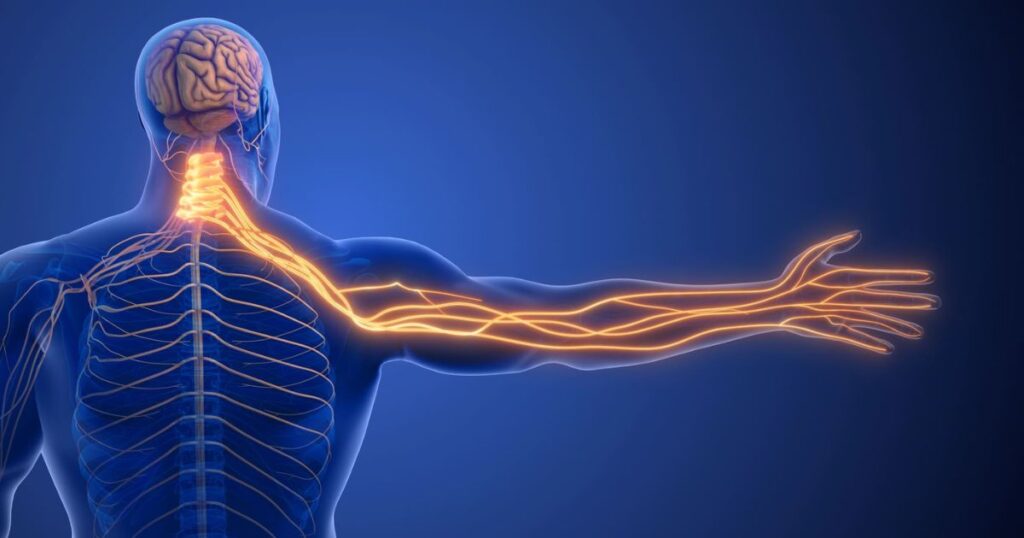
Nerve Pain and Peripheral Neuropathy
Nerve-related discomfort often feels different from ordinary muscle soreness. You might notice burning, electric-shock sensations, pins and needles, or unusual sensitivity to touch. Diabetes, nerve injuries, compression, and other medical conditions may contribute to these symptoms.
Nerve pain treatment depends on the underlying cause and affected nerves. Physicians may consider medication, rehabilitation, nerve blocks, or selected stimulation techniques. Some patients need additional neurological testing before treatment. A specialist should explain whether a proposed procedure addresses the suspected nerve problem or simply attempts to manage symptoms.
Chronic Postsurgical Pain and Myofascial Pain
Sometimes discomfort continues after an operation even when the original surgical problem has healed. This is known as Pain after surgery when symptoms persist beyond the expected recovery period. Nerve changes, scar tissue, recurrent disease, and other factors may contribute. A physician must investigate these possibilities before recommending another intervention.
Myofascial pain involves muscles and surrounding connective tissues. Certain patients develop sensitive trigger points that produce localized discomfort or referred pain. Treatment may include movement therapy, activity adjustments, and selected trigger point procedures. The choice depends on your examination and the likely source of symptoms.
4. What Are the Most Common Interventional Pain Management Procedures?
Modern Pain management procedures include several techniques designed for different clinical situations. Some deliver medication near specific nerves while others temporarily interrupt pain transmission. Additional treatments use electrical stimulation to influence nerve activity. Each option has different indications, limitations, and potential complications.
Understanding these differences helps you ask better questions during consultations in Tyler. Your physician should explain why a particular treatment fits your diagnosis and what evidence supports it. A procedure should never be recommended simply because another patient experienced improvement. Individual responses can vary considerably.
Epidural Steroid Injections for Back and Nerve Pain
Epidural steroid injections place medication into the epidural space around spinal nerves. Physicians may consider them for selected patients with symptoms such as radicular pain involving an irritated nerve root. The procedure usually uses imaging guidance to help position the needle. Medication may include a corticosteroid and local anesthetic.
Some patients experience temporary improvement while others notice little change. Importantly, epidural steroid administration is not FDA-approved for this use. The FDA has warned about rare but serious neurological complications, including stroke, paralysis, and vision loss. You should discuss these risks and available alternatives before proceeding. Read the FDA safety communication for additional context.
Facet Joint Injections and Medial Branch Blocks
Facet joint injections involve delivering medication into or around small spinal joints. Physicians may consider these procedures when the examination suggests that a particular joint contributes to localized pain. However, a positive scan does not automatically establish the diagnosis. Other structures may produce similar symptoms.
Medial branch blocks serve a different purpose. They place local anesthetic near small nerves that carry signals from facet joints. Physicians may use these blocks to assess whether those nerves contribute to discomfort before considering radiofrequency treatment. Diagnostic blocks and therapeutic injections should not be treated as interchangeable procedures.
Radiofrequency Ablation for Selected Chronic Pain Conditions
Radiofrequency ablation uses controlled electrical energy to heat a small section of selected nerve tissue. This process can reduce the nerve’s ability to transmit particular pain signals. Physicians may consider it for carefully selected patients when the likely pain source and diagnostic evaluation support the approach.
The procedure does not repair damaged discs or reverse arthritis. Nerves may recover over time, so symptom improvement is not necessarily permanent. Evidence and recommendations also differ across conditions. For example, NICE guidance supports considering lumbar radiofrequency denervation after appropriate assessment and a positive diagnostic medial branch block. A newer 2025 BMJ guideline recommends against several commonly used interventions for chronic non-cancer spine pain. These differences make shared decision-making especially important.
Selective Nerve Root Blocks and Peripheral Nerve Blocks
A selective nerve root block delivers medication near a particular spinal nerve. Physicians may use it in selected situations to investigate or manage symptoms associated with nerve irritation. Its diagnostic value depends on the patient’s symptoms, technique, and clinical interpretation.
Peripheral nerve blocks target nerves outside the central spine. They may help manage certain types of limb pain or provide temporary symptom control. Some blocks also help physicians understand which nerve pathways contribute to discomfort. However, results should be interpreted alongside the examination rather than considered proof of a diagnosis by themselves.
Sacroiliac Joint Injections
Sacroiliac injections involve placing medication inside or around the joint connecting the spine and pelvis. Physicians may consider them when examination findings suggest that the joint contributes to lower back or buttock symptoms. Image guidance can help improve needle placement during selected procedures.
These injections may serve diagnostic or therapeutic purposes depending on the medication and treatment goal. Relief can vary, and an injection does not correct every cause of pelvic or lower back discomfort. Your specialist should explain whether the procedure is intended to confirm a suspected source or provide temporary symptom relief.
Trigger Point Injections for Muscle Pain
Muscle tightness sometimes produces painful areas known as trigger points. These sensitive spots may cause discomfort locally or refer pain into nearby regions. Trigger point injections place a small amount of medication into selected muscle areas. Some procedures use local anesthetic while others may involve different approaches.
These treatments may form part of a broader plan involving stretching, strength training, and movement education. Research on their effectiveness varies across conditions. Therefore, patients should understand the expected benefits and limitations before choosing treatment. An injection should not replace appropriate rehabilitation when muscle function also needs attention.
Spinal Cord Stimulation and Peripheral Nerve Stimulation
Neuromodulation uses electrical stimulation to influence how nerves communicate with the nervous system. Peripheral nerve stimulation targets selected nerves outside the spinal cord. Spinal cord stimulation places specialized leads near the spinal cord to deliver electrical impulses. These treatments may be considered for certain persistent neuropathic pain conditions after other approaches have not provided adequate relief.
Unlike a simple injection, stimulation therapy involves more extensive assessment. Spinal cord stimulation usually includes a temporary trial before permanent implantation is considered. The trial helps evaluate comfort, functional goals, and the patient’s response. NICE’s spinal cord stimulation guidance describes specialist multidisciplinary assessment and successful trial stimulation as important considerations. Eligibility and coverage rules in the United States may differ.
The following table summarizes several commonly discussed procedures.
| Procedure | Main treatment target |
|---|---|
| Epidural steroid injection | Selected spinal nerve-root inflammation or irritation |
| Medial branch block | Diagnostic evaluation of facet-related pain |
| Radiofrequency ablation | Selected nerve pathways involved in pain transmission |
| Peripheral nerve block | Specific nerves outside the spine |
| Sacroiliac injection | Selected SI joint-related symptoms |
| Trigger point injection | Selected painful muscle trigger points |
| Spinal cord stimulation | Certain persistent neuropathic pain conditions |
5. Who May Be a Good Candidate for Interventional Pain Management?
Not everyone experiencing pain needs a procedure. Patient eligibility depends on your diagnosis, symptoms, previous treatment response, and general health. A physician should determine whether the potential benefits justify the risks. This process helps prevent unnecessary interventions and encourages more appropriate treatment choices.
For people exploring Nonsurgical pain relief in Tyler, an assessment may clarify which options deserve consideration. Some patients benefit from rehabilitation or medication adjustments. Others may qualify for a carefully selected intervention. Your treatment should match your medical needs rather than follow a standard package.
Patients Experiencing Persistent or Chronic Pain
People with discomfort lasting several months may benefit from a more detailed evaluation, particularly when symptoms affect daily activities. Persistent pain can interfere with walking, sitting, working, sleeping, and exercising. However, pain duration alone does not establish that an intervention is necessary.
Your physician will investigate possible causes and determine whether further treatment makes sense. They may also review changes in your symptoms over time. Sudden severe pain or rapidly worsening weakness requires a different level of medical attention.
People Who Have Not Responded to Conservative Treatments
Doctors often begin with Conservative treatment options when the condition allows. These may include appropriate medications, physical therapy, exercise, activity changes, and other noninvasive approaches. Many common musculoskeletal problems improve through these methods without requiring a procedure.
When symptoms continue, your physician may reconsider the diagnosis or discuss additional treatments. However, previous treatment failure does not automatically justify an injection. The proposed procedure must have a reasonable clinical purpose. Your doctor should also explain what happens if the treatment does not provide meaningful improvement.
When Should You See an Interventional Pain Specialist in Tyler, TX?
Consider arranging a medical evaluation when recurring pain limits everyday activities or refuses to improve with appropriate care. Persistent numbness, tingling, or radiating discomfort also deserves attention. A specialist can review your symptoms and determine whether a targeted procedure belongs in your treatment plan.
Do not wait for a routine consultation if you experience new bladder or bowel control problems, numbness around the groin, or rapidly progressing leg weakness. These symptoms can indicate serious nerve compression and require emergency assessment. The American Association of Neurological Surgeons explains these warning signs.
6. What Should You Expect Before, During, and After a Procedure?
Knowing what happens during treatment can reduce uncertainty. Your experience depends on the selected procedure, the facility, and your overall health. Some injections take only a short time while implanted stimulation treatments require more extensive planning. Your physician should explain each stage before scheduling treatment.
A Pain management consultation also gives you an opportunity to discuss concerns, ask about alternatives, and understand expected outcomes. Good preparation involves knowing which medications to review and which instructions to follow. Never stop prescribed medication without speaking with your healthcare team.
What Happens During Your First Consultation?
Your first visit usually begins with a detailed discussion of your symptoms. The physician may ask where discomfort starts, how long it lasts, and what makes it worse. They will review your Medical history, including previous injuries, surgeries, allergies, and ongoing health conditions.
Next, the doctor may review earlier tests or request additional investigations. Your treatment goals also become part of the discussion. Perhaps you want to return to work, walk without frequent breaks, or sleep comfortably. Clear goals help both you and your physician assess progress later.
How Should You Prepare for an Interventional Pain Procedure?
Preparation depends on the specific intervention. Your physician may review blood-thinning medications, diabetes treatment, allergies, and infection risks. Some procedures require fasting or temporary medication adjustments. Others involve no special preparation beyond following the clinic’s instructions.
Ask whether sedation will be used and whether someone must drive you home. Bring a current medication list and disclose recent illnesses or changes in your health. These details help your medical team plan treatment safely. Never change medication schedules independently.
What Happens During an Image-Guided Pain Procedure?
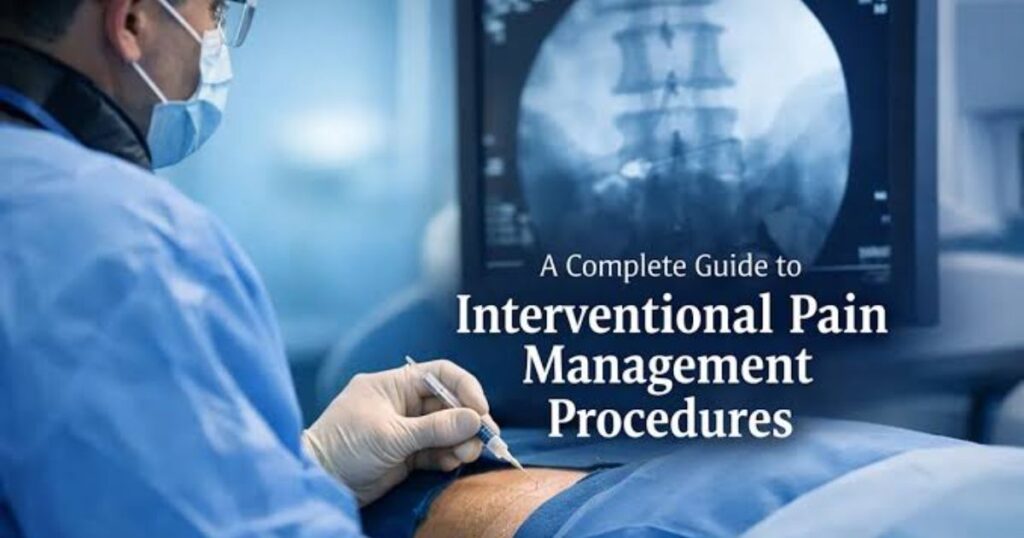
Many spinal injections use Image-guided procedures to help physicians guide a needle toward the intended location. Fluoroscopy provides live X-ray images while ultrasound uses sound waves to show selected soft tissues. The appropriate technique depends on the procedure and anatomical target.
Your team usually checks your identity, treatment site, allergies, and consent before starting. The clinician cleans the skin and may apply local anesthetic. After placing the needle, the physician delivers the planned medication or performs the intended procedure. You may experience pressure or brief discomfort during certain steps.
What Is Recovery Like After Pain Management Treatment?
Recovery and rehabilitation differ according to the procedure. Some patients leave shortly after an injection while others need observation following sedation or more involved treatment. Mild soreness around the treatment site can occur. Your team will explain which activities you should avoid and when normal routines may resume.
More complex procedures require additional follow-up. For example, radiofrequency treatment may produce temporary soreness before its full effect becomes clear. Stimulation implants involve wound care and device programming. Report unexpected symptoms promptly and follow your clinician’s instructions rather than assuming every reaction is normal.
How Long Does It Take to Notice Pain Relief?
There is no single timeline for every treatment. Local anesthetic may provide temporary changes within a short period. A corticosteroid’s effects, when they occur, may develop later. Radiofrequency procedures and stimulation treatments follow different response patterns.
Your doctor may ask you to record pain levels and daily function after treatment. Notice whether you can stand longer, sleep better, or resume selected activities. These observations provide useful information during follow-up. A procedure that produces no meaningful improvement may require a different strategy.
7. What Are the Benefits and Limitations of Interventional Pain Management?
Procedures can offer useful options for selected patients, especially when examination findings support a specific treatment target. Some interventions may temporarily reduce symptoms or help physicians investigate a suspected pain source. Others may support broader rehabilitation when symptom control makes movement easier.
However, Targeted pain treatment does not guarantee complete relief. Some procedures provide limited benefits while others may not help at all. The evidence also differs between individual interventions and pain conditions. A realistic discussion should cover potential improvement, uncertainty, cost, and possible complications.
Targeted Treatment for Specific Pain Sources
One potential advantage involves focusing treatment on a particular anatomical structure or nerve pathway. This may help physicians address a suspected contributor rather than relying only on general symptom control. The approach can also support diagnostic decisions when carefully selected blocks are appropriate.
Nevertheless, pain rarely follows a perfectly simple pattern. Several structures can contribute to the same symptoms. A scan may reveal abnormalities that have little connection to your actual discomfort. Your physician should therefore explain why a particular target deserves attention.
Minimally Invasive Alternatives to Traditional Surgery
Some procedures use needles or small instruments rather than the larger incisions associated with traditional operations. This can reduce the physical burden of treatment for certain patients. Many injections also take place in outpatient settings, allowing patients to return home the same day.
Still, minimally invasive does not mean risk-free. Certain procedures require specialized equipment, additional monitoring, or implanted devices. Others may not offer enough benefit to justify their risks. Your physician should explain why an intervention makes more sense than continued conservative care or a surgical consultation.
Can Treatment Improve Mobility and Quality of Life?
Better symptom control may help patients return to activities that pain previously disrupted. You might find it easier to complete household tasks, participate in rehabilitation, or take regular walks. Such improvements can support Quality of life even when some discomfort remains.
However, pain scores alone cannot show the full picture. Your physician should also consider sleep, mood, strength, activity levels, and personal goals. A meaningful outcome might involve returning to part-time work rather than eliminating every painful sensation. Progress should reflect what matters in your daily life.
Can Interventional Pain Management Reduce the Need for Opioids?
Some treatment plans may reduce reliance on certain medications, but this result is never guaranteed. Procedures can sometimes become part of broader nonopioid care involving rehabilitation, education, and appropriate medication choices. The goal is safe symptom management rather than replacing every prescription with an injection.
The CDC’s opioid prescribing guideline states that nonopioid therapies are preferred for subacute and chronic pain in many situations. However, treatment must remain specific to the patient and condition. Never reduce or stop opioid medication suddenly without medical guidance.
Why Does Treatment Not Work for Everyone?
Different diagnoses respond differently to the same intervention. A procedure targeting one nerve cannot reliably treat pain originating from a separate joint or muscle. Chronic pain may also involve several biological and psychological factors that require broader care.
Research findings deserve attention too. The 2025 BMJ guideline recommends against several commonly used procedures for certain chronic non-cancer axial and radicular spine pain lasting at least three months. Its conclusions do not cover every pain condition or acute presentation. Discuss how these findings relate to your individual diagnosis before agreeing to treatment.
8. What Are the Risks and Side Effects of Interventional Pain Procedures?
Every medical procedure carries some degree of risk. The nature and seriousness depend on the treatment, medication, anatomical location, and your medical history. Most people discuss ordinary discomfort and recovery expectations before deciding whether treatment is worthwhile.
Understanding Treatment side effects helps you make an informed decision. Your clinician should explain common reactions as well as uncommon but serious complications. They should also tell you which symptoms need immediate attention. Never hesitate to ask questions about safety.
Common Side Effects After Pain Management Injections
Temporary soreness, mild bruising, or tenderness around an injection site can occur. Some patients experience short-lived changes in pain or lightheadedness. Corticosteroid medications may also cause temporary effects such as flushing, sleep disturbance, or changes in blood glucose.
These reactions often settle without additional treatment, but your physician should explain what to expect. People with diabetes may need particular instructions about glucose monitoring after steroid treatment. Tell your medical team about unusual symptoms rather than making assumptions about their cause.
Potential Complications of Interventional Pain Procedures
Possible complications include infection, bleeding, allergic reactions, and unintended nerve irritation. Certain procedures carry additional risks related to their location and technique. Implanted stimulation devices may also involve problems such as lead movement, infection, or hardware malfunction.
Serious complications are not equally likely across all procedures. Your physician should describe the risks specific to the treatment being considered. The medical team should also explain how it reduces avoidable complications. Informed consent means understanding both expected benefits and possible harms.
What Are the Risks of Epidural Steroid Injections?
Epidural steroid injections deserve a careful safety discussion. The FDA has reported rare but serious neurological events following epidural corticosteroid administration. Reported problems include stroke, vision loss, paralysis, and death. The FDA has not approved corticosteroids for injection into the epidural space.
This does not mean every injection causes a serious complication. It does mean patients should understand the regulatory status and available evidence. Ask your doctor why the treatment is being considered and whether alternatives exist. Review the FDA’s safety information before making your decision.
Who May Have a Higher Risk of Complications?
Certain health conditions can change procedural risk. Patients taking anticoagulants or antiplatelet medicines may need careful assessment before some injections. Active infections, poorly controlled medical conditions, and medication allergies may also affect treatment decisions.
Tell your physician about every medication and supplement you use. Mention previous complications involving anesthesia or injections. These details allow the clinical team to assess whether adjustments are necessary. Never stop blood-thinning medication on your own because doing so can create serious health risks.
How Can You Improve the Safety of Pain Treatment?
Safety begins with choosing a properly qualified clinician and receiving an honest explanation of the proposed procedure. Your physician should confirm the treatment target, review relevant imaging when needed, and obtain informed consent. The practice should also explain its infection-control and monitoring procedures.
Follow every preparation and aftercare instruction carefully. Contact your medical team about fever, increasing redness, severe new pain, or other concerning symptoms. Sudden weakness, major vision changes, or new bladder and bowel problems require urgent medical attention. Prompt reporting can make an important difference.
9. How Is Interventional Pain Management Different From Surgery, Physical Therapy, and Medication?
Different treatment approaches serve different purposes. Surgery may correct a structural problem while rehabilitation improves strength and movement. Medication can influence inflammation or nerve activity throughout the body. Procedures offer another option when a specific treatment target makes clinical sense.
A broader Pain treatment plan may combine several approaches rather than rely on just one. This is particularly important for persistent conditions that affect multiple parts of everyday life. Your physician should discuss the advantages, disadvantages, and evidence behind every reasonable option.
Interventional Pain Management vs. Traditional Surgery
Surgery usually aims to repair, remove, replace, stabilize, or decompress a body structure. For example, a surgeon may remove disc material compressing a nerve or create additional space within a narrowed spinal canal. These procedures address structural problems directly.
Interventional treatments generally use injections, needle-based techniques, or stimulation systems to manage selected pain pathways. They do not repair every damaged structure. Some patients may benefit from an intervention while others need surgical assessment. A minimally invasive procedure should never delay necessary surgery when a serious structural problem requires it.
Interventional Pain Management vs. Physical Therapy
Physical therapy focuses on restoring movement, strength, balance, and functional ability. A therapist may design exercises that improve flexibility and support the muscles around your spine or joints. Rehabilitation can also help you understand how to move safely during daily activities.
Procedures may sometimes help manage selected symptoms while rehabilitation continues. However, neither approach automatically replaces the other. A comprehensive care strategy may use both when appropriate. Your clinician and therapist should coordinate treatment goals and track meaningful changes in your function.
Interventional Pain Management vs. Medication-Based Treatment
Medication can reduce inflammation, influence nerve activity, or improve symptom control. Depending on your condition, physicians may discuss anti-inflammatory medicines, certain nerve-pain medicines, or other appropriate options. These treatments can help without requiring an injection or procedure.
Procedures differ because they target particular anatomical areas or nerve pathways. However, targeted delivery does not automatically mean better results. Medication and interventional care each have benefits and limitations. Your doctor should explain why one approach or a combination suits your medical circumstances.
Can Different Pain Treatments Work Together?
Many people benefit from coordinated care involving several professionals. A physician may oversee diagnosis and medication while a physical therapist focuses on movement. Another specialist might assess a surgical concern or provide psychological support when chronic pain affects emotional well-being.
This wider model can also include Physical medicine and rehabilitation expertise. The aim is to address physical limitations and support long-term independence. In Tyler, patients can ask whether their providers coordinate referrals and follow-up appointments. Good communication helps prevent conflicting advice and unnecessary treatments.
Conclusion: Is Interventional Pain Management Right for You in Tyler, TX?
Persistent pain deserves careful attention rather than endless guesswork. Interventional treatments may offer additional options for selected people with nerve, joint, and spine-related conditions. These options include injections, diagnostic blocks, radiofrequency procedures, and electrical stimulation. However, every treatment requires an appropriate diagnosis and a realistic discussion of benefits and risks.
If you live in Tyler, Texas, begin by discussing your symptoms with a qualified pain medicine physician. Ask what may be causing your discomfort and which treatments have reliable evidence for your condition. Review conservative approaches alongside procedural options. Most importantly, choose a plan that supports your health, independence, and daily goals.
Frequently Asked Questions About Interventional Pain Management in Tyler, TX
What Is the Main Purpose of Interventional Pain Management?
The main purpose is to evaluate and manage selected pain conditions through targeted procedures. These treatments may reduce symptoms, influence specific nerve pathways, or help investigate a suspected pain source. Treatment selection depends on your diagnosis and individual health needs.
Is Interventional Pain Management Considered Surgery?
Most interventional procedures do not involve traditional surgery. Many use injections, specialized needles, or electrical stimulation devices. However, some treatments require implanted equipment and minor surgical techniques. Your physician can explain the difference between the options under consideration.
Does Interventional Pain Management Always Involve Injections?
No. Injections represent only one category of treatment. Depending on the diagnosis, care may involve nerve stimulation, radiofrequency procedures, rehabilitation, or medication. Some patients do not need an intervention at all.
How Painful Are Interventional Pain Management Procedures?
Most procedures involve some pressure or temporary discomfort. Physicians often use local anesthetic to reduce pain around the treatment area. Your experience depends on the procedure and anatomical location. Ask your clinician what sensations you should expect.
How Long Does Pain Relief Last After an Injection?
Relief varies by medication, diagnosis, and individual response. Some patients experience temporary improvement while others notice little change. Injections should never come with a guaranteed duration of relief. Your physician can explain what outcomes are realistic for your condition.
Can Interventional Pain Management Treat Sciatica?
Selected procedures may be considered for certain causes of sciatica. However, treatment depends on whether symptoms involve a herniated disc, nerve irritation, spinal narrowing, or another condition. Rehabilitation and medication may also play important roles.
Can I Avoid Surgery With Interventional Pain Management?
Some patients explore nonsurgical treatments before considering surgery. However, procedures cannot correct every structural problem. Severe nerve compression or other urgent conditions may require surgical evaluation. Your doctor should explain when an intervention is reasonable and when it might delay necessary treatment.
Can Interventional Pain Management Help Reduce Opioid Use?
It may support a broader nonopioid treatment strategy for selected patients. However, results vary and procedures do not automatically replace opioid medication. Any medication reduction should happen under medical supervision with an appropriate plan.
How Much Does Interventional Pain Management Cost in Tyler, TX?
Costs depend on the procedure, facility, physician fees, insurance coverage, and any required imaging. Some treatments may require prior authorization. Contact your provider and insurance company for an estimate before scheduling. Ask about facility charges and follow-up costs too.
Does Insurance Cover Interventional Pain Management Procedures?
Coverage depends on your health plan and the medical necessity requirements for a particular treatment. Insurers may require documentation, prior authorization, or previous conservative treatment. Confirm your benefits directly with the insurer and the clinic before receiving care.
How Do I Find an Interventional Pain Management Specialist in Tyler, TX?
Start by reviewing physician credentials, pain medicine training, procedural experience, and patient communication. Ask your primary care doctor about appropriate referrals. You can also review local services such as CHRISTUS Trinity Clinic Pain Management. Confirm insurance participation and appointment availability directly with the practice.