
Medically reviewed by Dr. Muhammad Arif, MD, Board-Certified Pain Management Specialist, Spine & Pain Clinic of Texas.
If lifting your arm, reaching overhead, or even sleeping on one side sends a sharp ache through your shoulder, you are not alone. For many patients, shoulder injections restore mobility and reduce pain when rest, physical therapy, and oral medications have not been enough. This minimally invasive, image-guided treatment delivers medication directly to the source of inflammation, helping you move more freely without immediately turning to surgery.
In this guide, Dr. Muhammad Arif, board-certified pain specialist, explains how these injections work, who benefits, what recovery looks like, and when it’s time to see a specialist.
What Are Shoulder Injections?
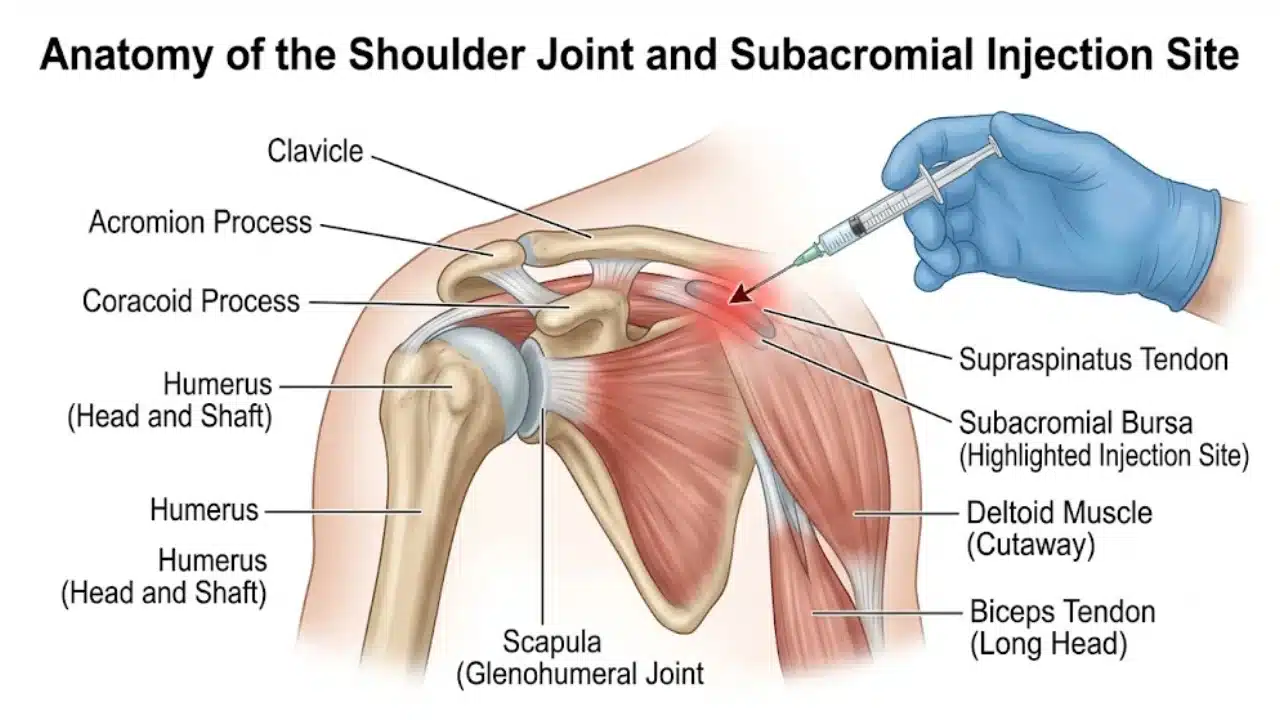
A shoulder injection is a targeted, in-office procedure that delivers anti-inflammatory or lubricating medication into a specific structure of the shoulder joint. Depending on your diagnosis, the medication may go into the joint space, the bursa, or the surrounding soft tissue.
Common types include:
- Corticosteroid injections: reduce inflammation and pain in the joint or bursa.
- Hyaluronic acid (viscosupplementation): adds lubrication in cases of arthritis.
- Local anesthetic injections: provide rapid, short-term relief and help confirm the pain source.
- Platelet-rich plasma (PRP): uses your own blood components to support tissue healing in select cases.
At Spine & Pain Clinic of Texas, Dr. Arif performs these shoulder injection procedures under precise fluoroscopic or ultrasound guidance to maximize both safety and accuracy.
How Do Shoulder Injections Work?
Inflammation is at the root of most shoulder pain. When tendons, bursae, or the joint lining become irritated, they swell and restrict movement. Anti-inflammatory medication delivered directly to that area calms the irritation, easing pain and allowing the joint to move more naturally again.
Because the medication is placed exactly where it’s needed, relief is often faster and more complete than with oral medications that travel through the entire body. The local anesthetic typically offers near-immediate comfort, while the steroid or other agent works over the following days.
Just as importantly, reduced pain creates a window of opportunity. Patients can finally participate in physical therapy and strengthening exercises that rebuild stability and prevent future flare-ups.
Which Conditions Do Shoulder Injections Help?
Shoulder injections can relieve a wide range of painful conditions, including:
- Rotator cuff tendinitis or tears (partial)
- Shoulder bursitis
- Osteoarthritis of the shoulder
- Adhesive capsulitis (frozen shoulder)
- Shoulder impingement syndrome
- Labral irritation and chronic inflammation
If you’re unsure what’s driving your pain, an evaluation with our experienced pain management team can pinpoint the cause before any treatment begins.
Who Is a Good Candidate?
You may be a strong candidate if you:
- Have persistent shoulder pain lasting several weeks or more.
- Have not found lasting relief from rest, ice, or oral medication.
- Want to avoid or delay surgery.
- Need pain relief to participate effectively in physical therapy.
- Have inflammation-driven pain confirmed by clinical exam or imaging.
Patients with active infections, certain bleeding disorders, or specific allergies may need an alternative plan. That’s why a personalized assessment always comes first.
What to Expect: Before, During, and After
Before the Procedure
Your visit begins with a thorough review of your symptoms, history, and any imaging. Dr. Arif confirms the diagnosis and target before proceeding. You may be advised to pause certain blood-thinning medications—always follow your provider’s specific instructions.
During the Procedure
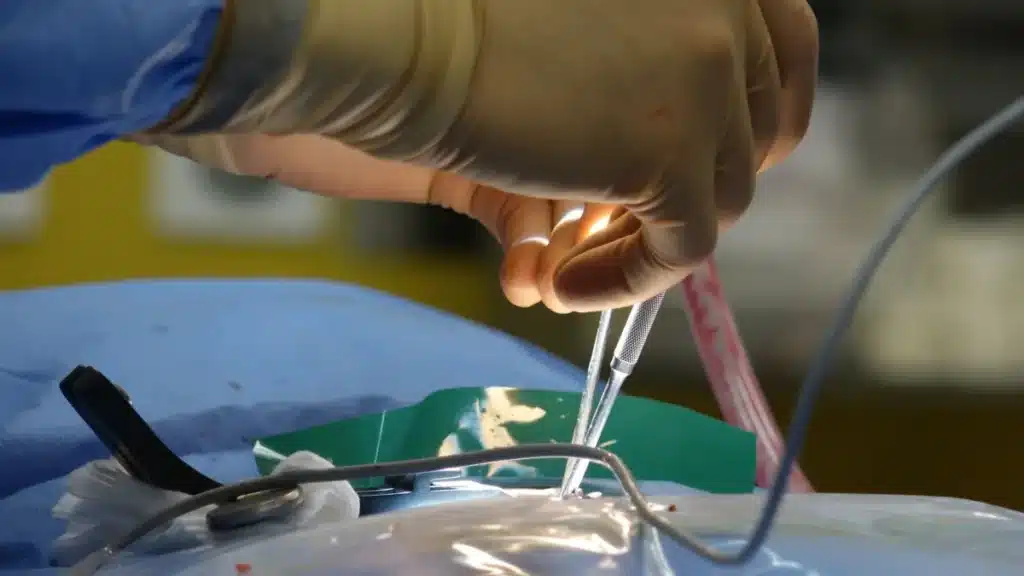
The injection itself usually takes only 10 to 15 minutes. After cleaning the skin and applying a local numbing agent, Dr. Arif uses image guidance to direct the needle precisely to the treatment site. Most patients feel mild pressure rather than significant pain.
After the Procedure
You can typically go home shortly afterward. Some patients feel relief within hours from the anesthetic, while the anti-inflammatory effect builds over the next few days. Mild soreness at the injection site is normal and usually fades quickly.

Recovery Timeline
Recovery is generally quick and well-tolerated:
- Day 1: Rest the shoulder; avoid strenuous lifting. Apply ice if sore.
- Days 2–3: Initial soreness fades; anti-inflammatory effect begins.
- Week 1: Many patients notice meaningful improvement in pain and range of motion.
- Weeks 2–6: Ideal window to engage in physical therapy and strengthening.
Relief duration varies. For some patients, it lasts several weeks; for others, several months. Injections may be repeated safely at appropriate intervals when needed.
Shoulder Injections vs. Surgery
For many patients, injections offer compelling advantages over surgical options:
- Minimally invasive: no incisions, stitches, or hospital stay.
- Quick recovery: return to daily activities within days, not weeks.
- Lower risk profile than surgery.
- Cost-effective and performed in-office.
- Preserves future options: surgery remains available if needed later.
Injections aren’t a fit for every case, particularly large structural tears, but they’re an excellent first step for inflammation-driven pain.
Safety and Risks
Shoulder injections are considered very safe when performed by a qualified specialist using image guidance. As with any procedure, minor risks exist, including temporary soreness, a brief pain flare, mild bruising, or rarely, infection or skin changes near the injection site.
Repeated corticosteroid injections must be spaced responsibly to protect joint tissue, which is why working with a board-certified specialist matters. Dr. Arif carefully tailors frequency and dosing to each patient.
When to See a Specialist
Don’t wait for shoulder pain to become disabling. Consider seeing a pain management specialist if you experience:
- Pain that persists beyond two to three weeks
- Difficulty sleeping due to shoulder discomfort
- Weakness or limited range of motion
- Pain that returns despite rest and medication
Early evaluation often leads to simpler, more effective treatment. Ultimately, shoulder injections restore mobility and reduce pain for countless patients, helping them return to the activities and rest they’ve been missing.
Schedule Your Consultation in Texas
If shoulder pain is holding you back, relief may be closer than you think. Our team welcomes patients across Texas at our Plano, Grand Prairie, Tyler, and Longview locations.
Contact us today to schedule your evaluation and find out whether shoulder injections are right for you.
Frequently Asked Questions
How long do shoulder injections take to work?
Many patients feel some relief within hours from the local anesthetic, while the anti-inflammatory effect typically builds over two to three days. Full benefit is often noticeable within the first week.
How long does relief from a shoulder injection last?
Relief varies by patient and condition. Some experience comfort for several weeks, while others enjoy several months of improvement. Your specialist can advise on safe repeat injections if needed.
Are shoulder injections painful?
Most patients report only mild pressure or brief discomfort. A local numbing agent is applied first, and the procedure usually takes just 10 to 15 minutes.
How many shoulder injections can I have?
Corticosteroid injections are spaced responsibly, often a few times per year, to protect joint tissue. Your provider will determine a safe schedule based on your individual needs.
Can shoulder injections help me avoid surgery?
For inflammation-driven pain, injections often reduce symptoms enough to delay or avoid surgery, especially when combined with physical therapy. They also preserve surgical options for the future if necessary.