
Chronic Migraines Don’t Wait for a Convenient Moment to Strike
If you’re dealing with chronic migraines in Plano, Frisco, or anywhere across North Texas, you know exactly what that feels like. The pounding starts during a workday. Light becomes unbearable. Plans get canceled. And you’re left wondering if there’s actually a treatment that goes beyond another daily pill.
In this guide
- Chronic Migraines Don’t Wait for a Convenient Moment to Strike
- Why the Conversation Around Chronic Pain Care Is Shifting Right Now
- What Is Botox for Chronic Migraines, Exactly?
- Who Is a Good Candidate for This Treatment?
- What Happens When You Come to Spine and Pain Clinic of Texas in Plano
- What Makes an Interventional Pain Specialist Different
- Beyond Migraines: A Broader View of Chronic Pain
- Taking the Next Step Toward Relief
- FAQ
A recent story in Palm Springs Life highlighted the work being done at a specialized pain center in California, where doctors focus on individualized treatment plans instead of one-size-fits-all approaches. That story gained attention because it named something many patients already know: chronic pain is complex, deeply personal, and often undertreated when approached too generically.
The broader conversation matters especially for people in the Dallas-Fort Worth area searching for real answers. If you’ve tried multiple headache medications without relief, or you’re tired of living around your pain instead of treating it, there’s a reason to pay attention to what interventional pain specialists are doing.
Why the Conversation Around Chronic Pain Care Is Shifting Right Now
As of 2026, pain medicine is changing. Doctors and patients are moving away from relying solely on daily medications toward more targeted interventional approaches for conditions like chronic migraines, neck pain, and spine disorders. It’s a real shift, and it’s creating new options for people who felt stuck.
Early research from Stanford Medicine and other leading centers shows that many chronic pain patients can reduce opioid medications when they have access to other strategies. That’s important news. But it also raises a natural question: if the goal is fewer pills, what actually replaces them?
Interventional pain management answers that gap. Instead of just managing symptoms with medication, interventional specialists target the specific nerves and structures generating pain. For patients with chronic headaches, one of the most well-researched interventional options is Botox for Chronic Migraines.
What Is Botox for Chronic Migraines, Exactly?
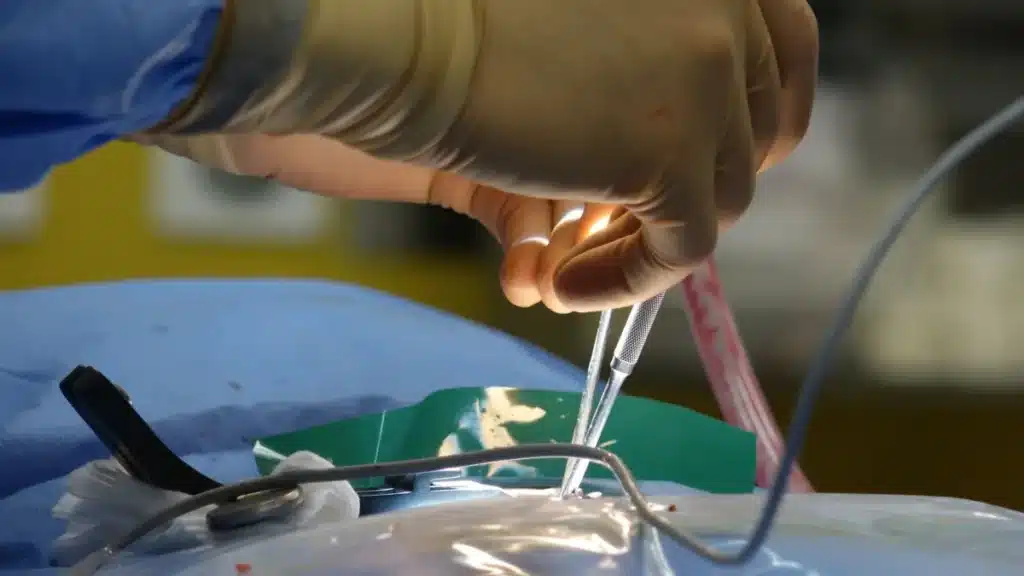
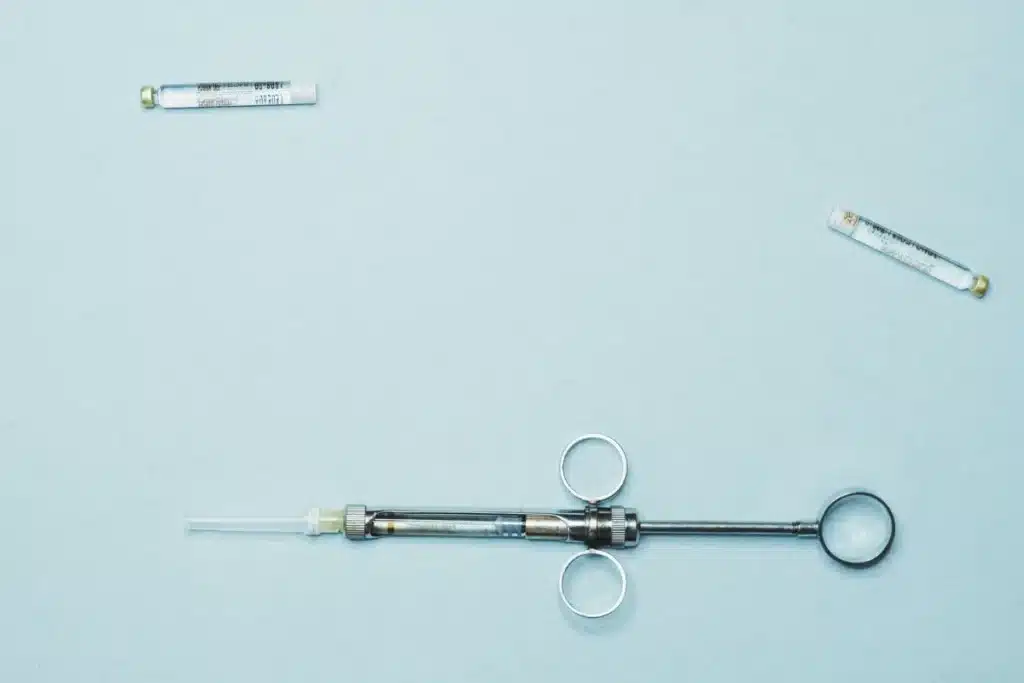
Botox for Chronic Migraines uses botulinum toxin type A, the same protein used in cosmetic treatments, but in a carefully mapped medical protocol designed specifically for migraine prevention. A specialist injects very small doses into 31 to 39 precise points across the forehead, temples, back of the head, neck, and upper shoulders.
It doesn’t just relax muscles. According to Mayo Clinic research, Botox appears to block the release of certain pain-transmitting chemicals from nerve endings. This helps interrupt the cascade of events that trigger a migraine attack. It works on both the trigeminal nerve system (a major player in migraine pain) and the muscle groups around it that can amplify pain when tense.
The injection session itself takes about 20 to 30 minutes. It happens in an outpatient setting, so no hospital stay is needed. Most patients return for treatments every 12 weeks. Research suggests it may take two to three treatment cycles before you notice the full benefit.

Who Is a Good Candidate for This Treatment?
Botox for Chronic Migraines may be right for you if you experience 15 or more headache days per month and haven’t found adequate relief from oral preventive medications. It’s typically considered after trying more conservative approaches first, such as lifestyle changes, medication management, and physical therapy.
Sound familiar? If you’ve gone through multiple prescription headache medications and still find yourself canceling plans, missing work, or spending days in a dark room, talking to a specialist about this option makes sense.
That said, it’s not right for everyone. It’s generally not recommended during pregnancy, and it may not be appropriate for people with certain neuromuscular conditions. Your provider will review your full medical history first. Patients with tension-type headaches that don’t meet the chronic migraine threshold might benefit more from other approaches, like trigger point injections or nerve blocks.
What Happens When You Come to Spine and Pain Clinic of Texas in Plano
Your first appointment includes a thorough evaluation. Your provider reviews your headache history, prior treatments, current medications, and any relevant imaging. This isn’t a rushed visit, and that matters: the quality of that first conversation shapes your entire care plan.
On the day of your procedure, a specialist uses a very fine needle to administer injections at each mapped site. Most patients describe it as mild discomfort, similar to a small pinch. No sedation is needed. You can drive home and return to normal activities the same day.
Clinical trials published through the National Institutes of Health (NIH) have shown a statistically significant reduction in headache days for many patients receiving Botox for chronic migraine prevention. Results vary from person to person, and your provider monitors your response over successive treatment cycles to determine whether this approach is working for you.

How Botox Compares to Other Headache Prevention Options
| Approach | Type | Frequency | Best Suited For |
|---|---|---|---|
| Botox Injections | Interventional / Preventive | Every ~12 weeks | Chronic migraine (15+ headache days/month) |
| Oral Preventive Meds | Medication / Daily | Daily pill | Episodic or chronic migraine (first-line) |
| Trigger Point Injections | Interventional | As needed / periodic | Muscle-driven tension headaches, myofascial pain |
| Nerve Blocks | Interventional | Periodic | Occipital neuralgia, cluster headache patterns |
| Physical Therapy | Conservative / Rehabilitative | Weekly sessions | Cervicogenic headache, posture-related pain |
What Makes an Interventional Pain Specialist Different
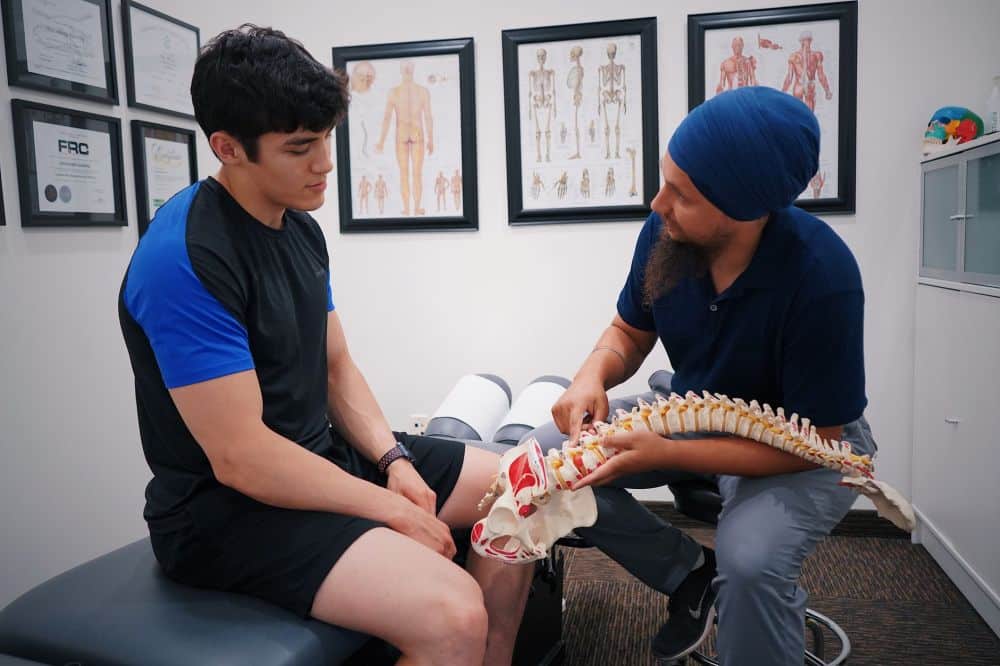
Interventional pain management takes a procedure-based approach to diagnosing and treating pain. Rather than relying only on pills, an interventional specialist uses targeted techniques to interrupt pain signals at their source.
Dr. Muhammad Arif, MD is an interventional pain management specialist serving patients across all four Texas clinic locations. His approach reflects the belief that chronic pain, whether it shows up as daily migraines, neck pain, or back pain, deserves a careful, personalized treatment plan.
For patients in McKinney, Allen, Richardson, Carrollton, The Colony, Murphy, Wylie, and North Dallas, the Plano location means no long commute. Most patients from Frisco and Allen are within a 20-minute drive. If you’ve been searching for a pain clinic near me or a pain specialist in Texas who treats headache disorders seriously, this is worth exploring.

Beyond Migraines: A Broader View of Chronic Pain
Chronic pain rarely travels alone. Many patients managing frequent migraines also experience neck pain, sleep problems, or co-existing conditions like fibromyalgia. A thorough evaluation at Spine and Pain Clinic of Texas can uncover whether those issues are connected and whether treating one might help with others.
Dr. Arif and the clinic team offer treatment options beyond Botox, including nerve blocks and facet blocks, radiofrequency ablation (RFA) for longer-lasting nerve pain relief, and minimally invasive procedures for spine-related pain. The goal is always to find the least invasive, most effective path forward.
For patients wondering whether something more targeted than what they’ve already tried exists, the conversation happening at specialized pain centers is encouraging: structured, interventional care delivered by the right specialist can make a real difference for many people living with chronic pain.
Taking the Next Step Toward Relief
If chronic migraines or persistent headaches are affecting your daily life in the Plano area, you don’t have to keep managing it alone. The team at Spine and Pain Clinic of Texas in Plano, TX is accepting new patients and can typically schedule a consultation to discuss whether Botox for Chronic Migraines or another approach might work for you. Call (469) 915-5222 to get started, or visit the Plano location page to learn more about what to expect.
Dr. Muhammad Arif, MD brings an interventional pain management perspective to every patient evaluation, helping you understand your options so you can make an informed decision about your care.
The same level of care is available at the clinic’s other Texas locations: Grand Prairie, TX at (469) 680-3886, Longview, TX at (214) 256-3900, and Tyler, TX at (214) 256-3900. No matter where you are in Texas, specialized pain management is closer than you think.
This article is for educational purposes only and is not a substitute for professional medical advice, diagnosis, or treatment. Always consult a qualified healthcare provider about your specific condition. If you experience severe or sudden symptoms, seek emergency care immediately.