
Medically reviewed by Dr. Muhammad Arif, MD, Board-Certified Pain Management Specialist, Spine & Pain Clinic of Texas.
Chronic knee pain can make simple things, such as climbing stairs, standing up from a chair, and walking the dog, feel exhausting. If pills and physical therapy haven’t given you lasting relief, the different types of knee joint injections may offer a minimally invasive path forward without immediate surgery. These targeted treatments deliver medication directly into or around the knee to reduce inflammation, ease pain, and help restore mobility.
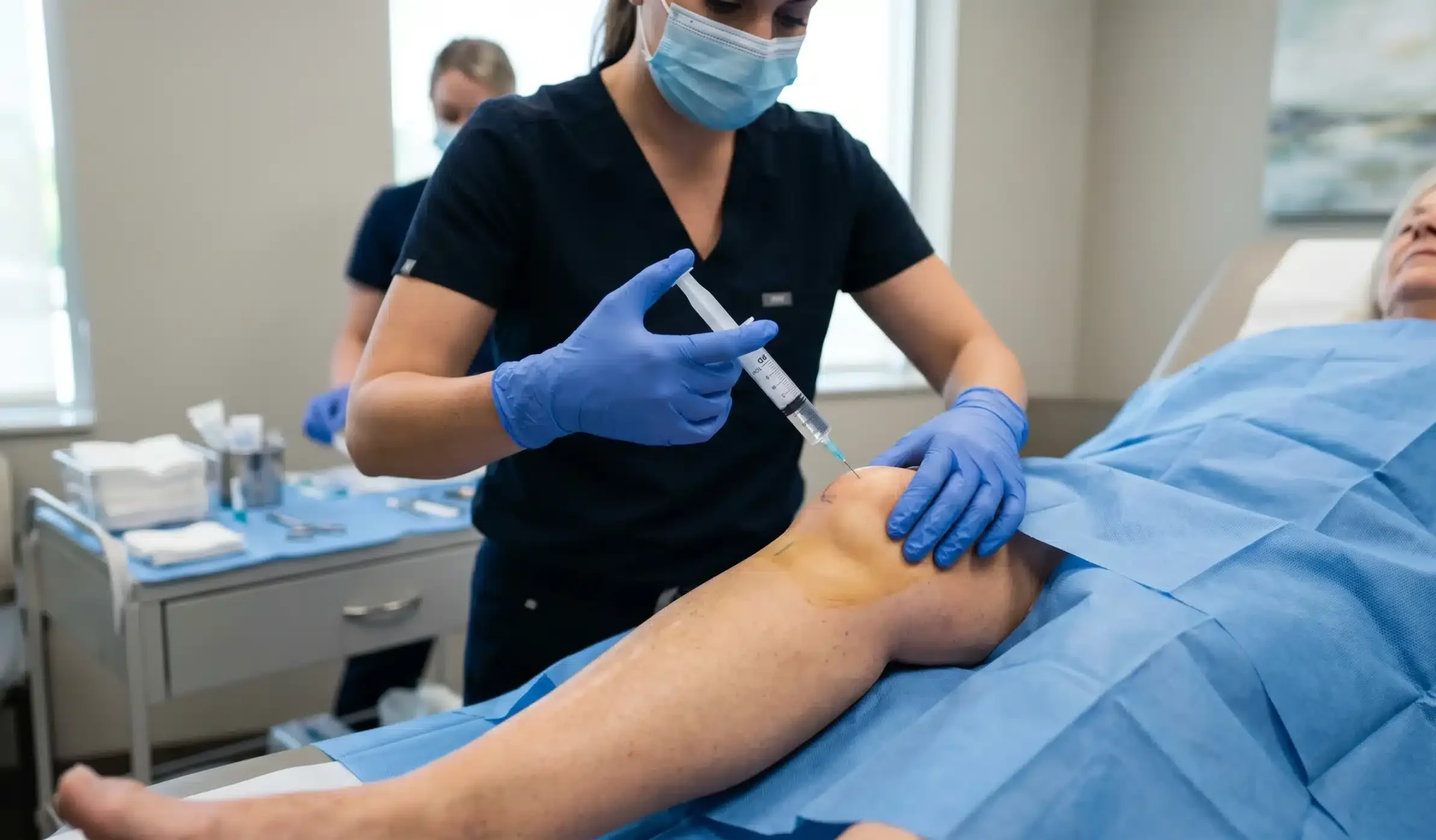
In this guide, Dr. Muhammad Arif, board-certified pain specialist, explains how each injection works, who benefits most, and what to expect before, during, and after the procedure.
How Knee Joint Injections Work
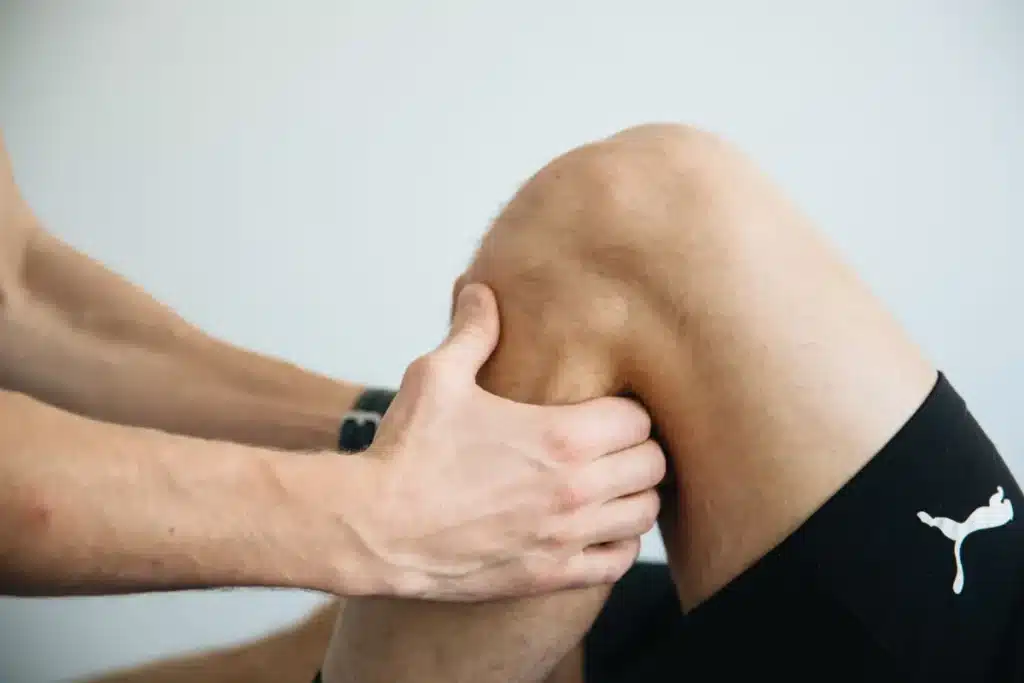
The knee is a complex joint where the thighbone, shinbone, and kneecap meet, cushioned by cartilage and lubricated by a thin layer of synovial fluid. When the cartilage wears down or the joint becomes inflamed due to arthritis, injury, or overuse, pain and stiffness often follow.
Knee injections work by placing medication exactly where it’s needed. Depending on the type, the medication may calm inflammation, lubricate the joint, or support healing in the surrounding tissue. The goal is to interrupt the pain cycle so you can move more comfortably and participate fully in physical therapy and daily life.
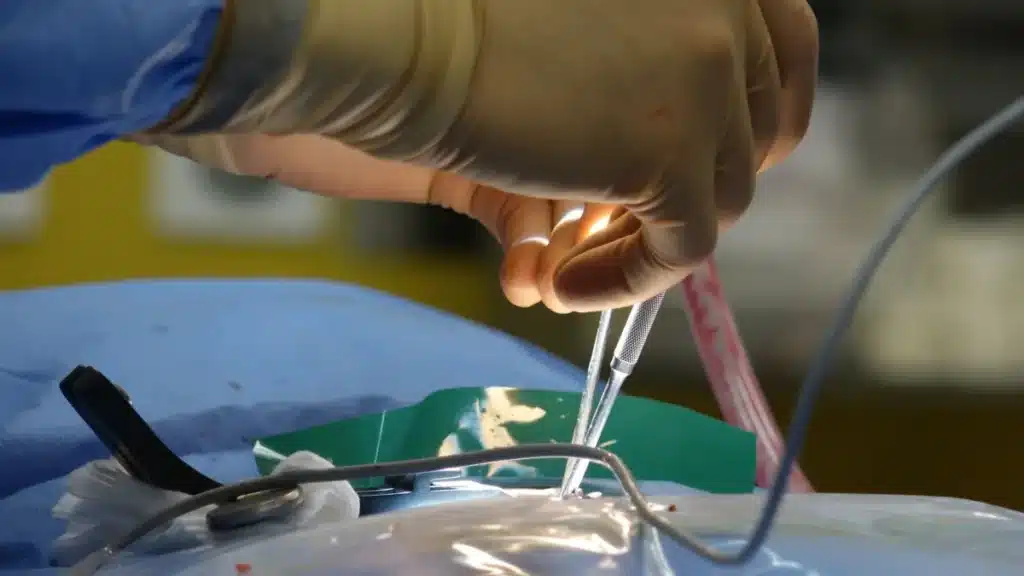
At Spine & Pain Clinic of Texas, Dr. Arif often performs these procedures under precise image guidance, such as fluoroscopy or ultrasound, to confirm that the needle reaches the correct target. This accuracy improves both safety and results.
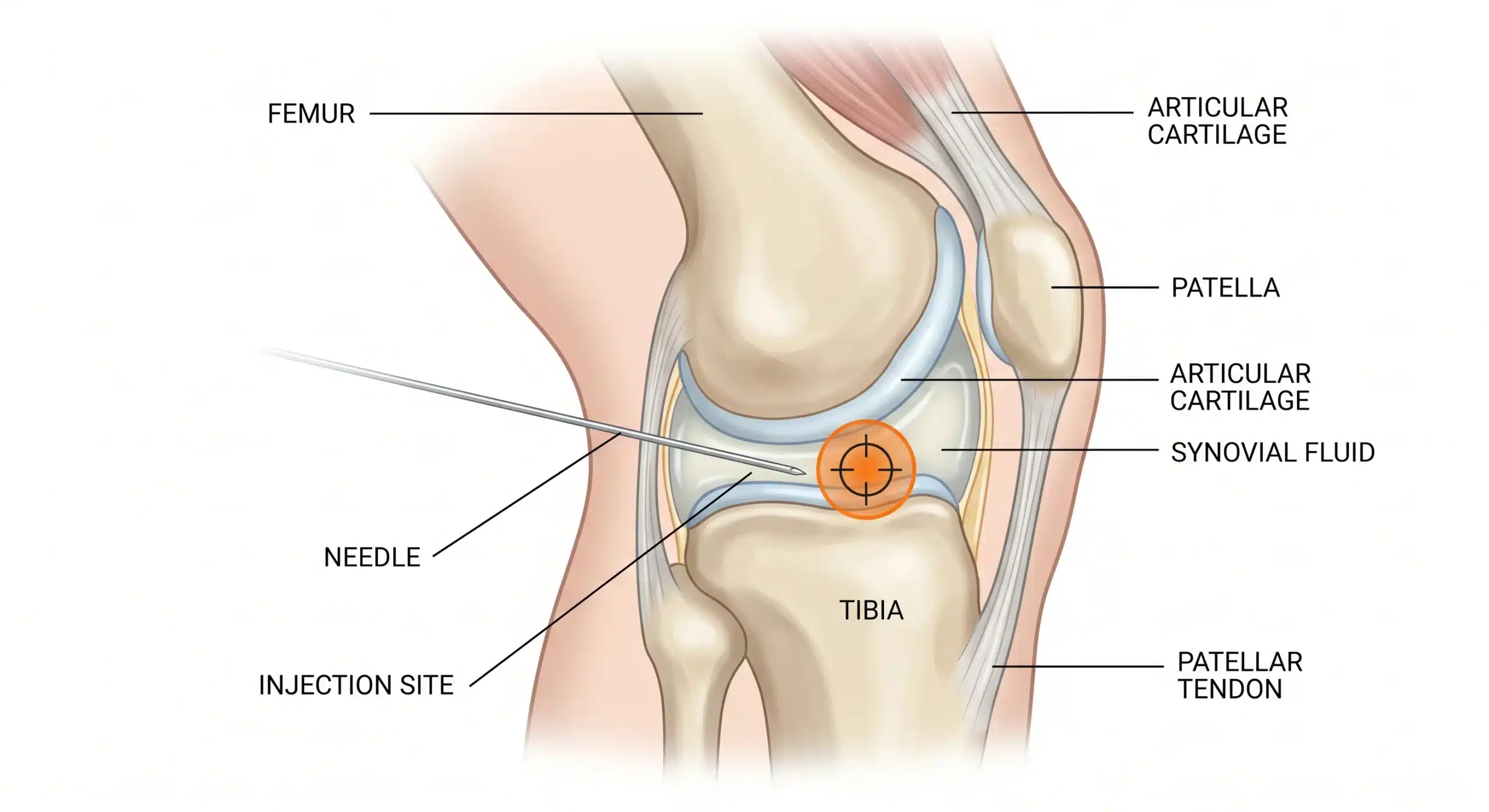
The Main Types of Knee Joint Injections
Not every injection is right for every patient. Here are the most common options used in pain management today.
1. Corticosteroid Injections
Corticosteroid (cortisone) injections are among the most widely used treatments for knee arthritis and inflammatory flare-ups. They deliver a powerful anti-inflammatory medication directly into the joint to quickly reduce swelling and pain.
Relief often begins within a few days and can last from several weeks to a few months. Because frequent steroid use can affect cartilage over time, these injections are typically limited to a few per year.
2. Hyaluronic Acid (Viscosupplementation) Injections
Hyaluronic acid is a substance that naturally occurs in healthy joint fluid, helping the knee glide smoothly. In knees affected by osteoarthritis, this fluid breaks down. Viscosupplementation injections are supplements that cushion to improve lubrication and reduce friction.
This option is often considered for patients with mild to moderate osteoarthritis who haven’t responded well to other treatments. Results may take a few weeks to develop, but can last up to six months.
3. Platelet-Rich Plasma (PRP) Injections
PRP injections use a concentrated sample of your own blood platelets to support the body’s natural healing response. After a small blood draw, the sample is processed and injected back into the knee.
PRP is sometimes chosen for early osteoarthritis or certain soft-tissue injuries. While research continues to evolve, many patients report meaningful improvements in pain and function.
4. Genicular Nerve Blocks
Rather than treating the joint itself, a genicular nerve block targets the small nerves that carry pain signals from the knee. By numbing these nerves, the procedure can significantly reduce pain.
This approach is often used both as a diagnostic step and as a longer-term solution that may lead to radiofrequency ablation for more durable relief.
You can learn more about all of these options on our knee, hip, and shoulder injections service page.
Conditions and Symptoms These Injections Help
Knee injections can address a range of issues, including:
- Osteoarthritis of the knee
- Rheumatoid and other inflammatory arthritis
- Chronic knee pain after injury
- Bursitis and tendon inflammation
- Persistent swelling and stiffness
- Pain that limits walking, bending, or sleep
Who Is a Good Candidate?
You may be a strong candidate for knee injections if you experience ongoing knee pain that hasn’t improved with rest, medication, bracing, or physical therapy, and you’d prefer to avoid or delay surgery.
A thorough evaluation is essential. Dr. Arif and our experienced pain management team review your history, imaging, and goals before recommending the most appropriate injection. Patients with active infections or certain bleeding disorders may need alternative approaches.

What to Expect: Before, During, and After
Before: Your specialist confirms the diagnosis and reviews your medications. You may be asked to pause certain blood thinners. The procedure is outpatient, so you can usually go home the same day.
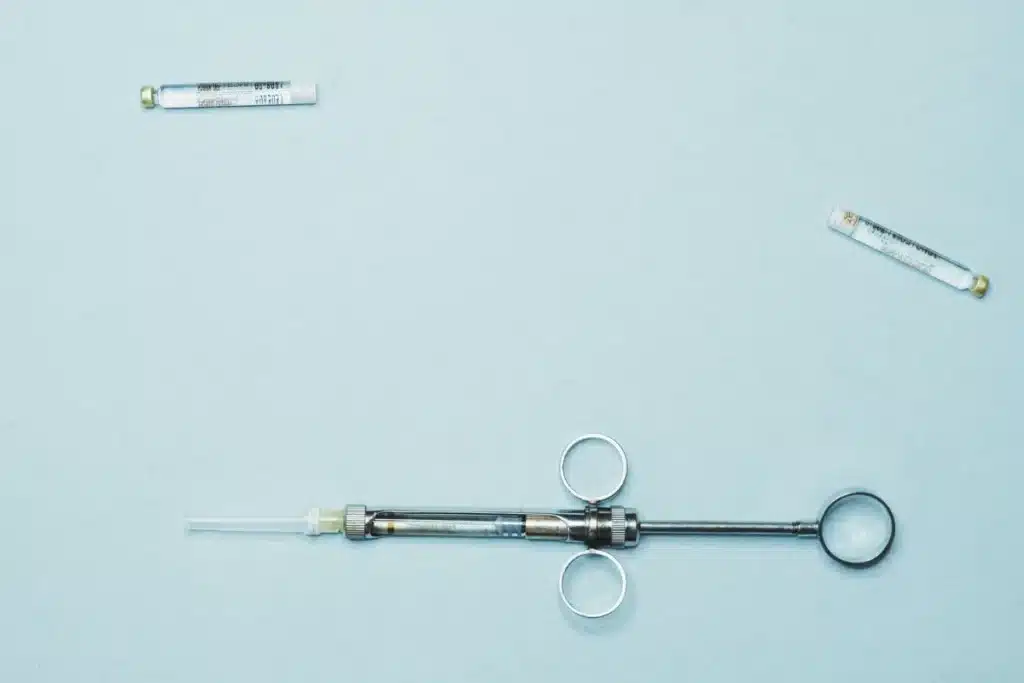
During: The skin is cleaned and numbed. Using image guidance when appropriate, the physician places the needle precisely and delivers the medication. Most injections take only a few minutes.
After: You may rest briefly before heading home. Mild soreness at the injection site is common and usually fades within a day or two.
Recovery Timeline
Most patients resume light activities the same day and normal activities within 24 to 48 hours. Strenuous exercise is typically avoided for a short period. The timing of pain relief depends on the injection type—steroids work quickly, while hyaluronic acid and PRP may take a few weeks.
Benefits Compared to Surgery
For many patients, injections offer real advantages over surgical options:
- Minimally invasive with no large incisions
- Little to no downtime compared to surgical recovery
- Lower risk profile
- Can delay or sometimes avoid knee replacement
- Repeatable when appropriate
Injections aren’t a cure for advanced joint damage, but they can provide significant, meaningful relief and improve quality of life.
Safety and Risks
Knee injections are generally considered safe, especially when performed by an experienced, board-certified specialist. As with any procedure, some risks exist, including temporary pain, swelling, bruising, or, rarely, infection. Image guidance helps minimize complications by ensuring accurate placement.
Your physician will discuss any risks specific to your health before proceeding.
When to See a Specialist
If knee pain is interfering with your sleep, work, or daily activities—or if conservative treatments have stopped helping—it’s time to consult a pain management specialist. Early evaluation can prevent further decline and open up effective, non-surgical options.
Understanding the different types of knee joint injections is the first step. The right choice depends on your specific diagnosis, and a personalized plan offers the best chance at lasting relief.
Find Relief at Spine & Pain Clinic of Texas
You don’t have to live with chronic knee pain. The team at Spine & Pain Clinic of Texas offers advanced, image-guided injections tailored to your needs across four convenient Texas locations: Plano, Grand Prairie, Tyler, and Longview.
Contact us today to schedule your consultation and take the first step toward moving comfortably again.
Frequently Asked Questions
How long do knee joint injections last?
It depends on the type. Corticosteroid relief may last several weeks to a few months, hyaluronic acid can last up to six months, and PRP results vary by patient. Your specialist will help set realistic expectations based on your condition.
Are knee injections painful?
Most patients feel only minor discomfort. The skin is numbed beforehand, and the injection itself usually takes just a few minutes. Mild soreness afterward typically fades within a day or two.
How many knee injections can I have?
This varies by injection type. Corticosteroid injections are generally limited to a few per year to protect the joint, while other options may follow different schedules. Your physician will recommend a safe plan for you.
Can knee injections help me avoid surgery?
For many patients, injections reduce pain and improve function enough to delay or avoid knee replacement. They aren’t a guaranteed cure for advanced damage, but they can be an effective non-surgical step.
How soon will I feel relief after a knee injection?
Corticosteroids often work within a few days, while hyaluronic acid and PRP may take a few weeks to reach full effect. Your care team will explain the expected timeline for your specific treatment.