
Medically reviewed by Dr. Muhammad Arif, MD — Board-Certified Pain Management Specialist, Spine & Pain Clinic of Texas.
If chronic hip pain is making it hard to walk, sleep, or get through your day, you may be wondering whether surgery is your only option. For many patients, it isn’t. Hip injections can be a good alternative to hip surgery, offering meaningful relief without the risks, downtime, and expense of a major operation.
This guide explains how hip injections work, who they help, and how to decide whether they’re right for you — written with the clinical insight of Dr. Muhammad Arif, board-certified pain specialist at Spine & Pain Clinic of Texas.
What Are Hip Injections?
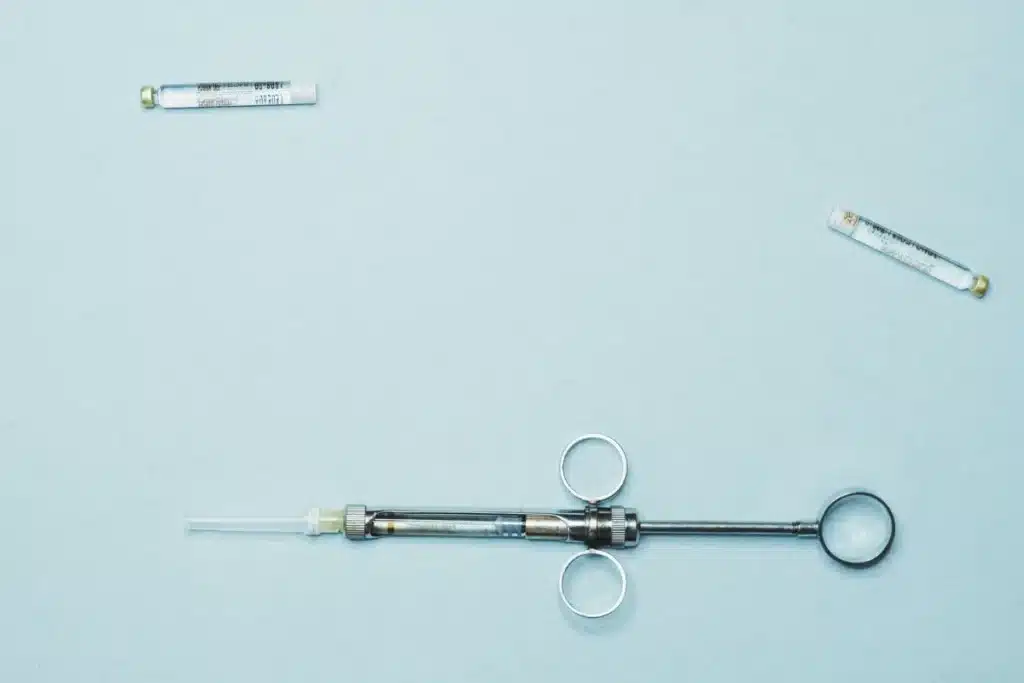
Hip injections are minimally invasive procedures that deliver medication directly into or around the hip joint to reduce inflammation and relieve pain. Most use a combination of a local anesthetic and a corticosteroid, though other options exist depending on your diagnosis.
The goal is simple: calm the source of pain so you can move more comfortably and stay active. Because the medication is placed precisely where it’s needed, hip injections often provide more targeted relief than oral pain medications.
These knee, hip, and shoulder injections are a core part of non-surgical pain care and are performed in an outpatient setting in just a few minutes.
How Hip Injections Work
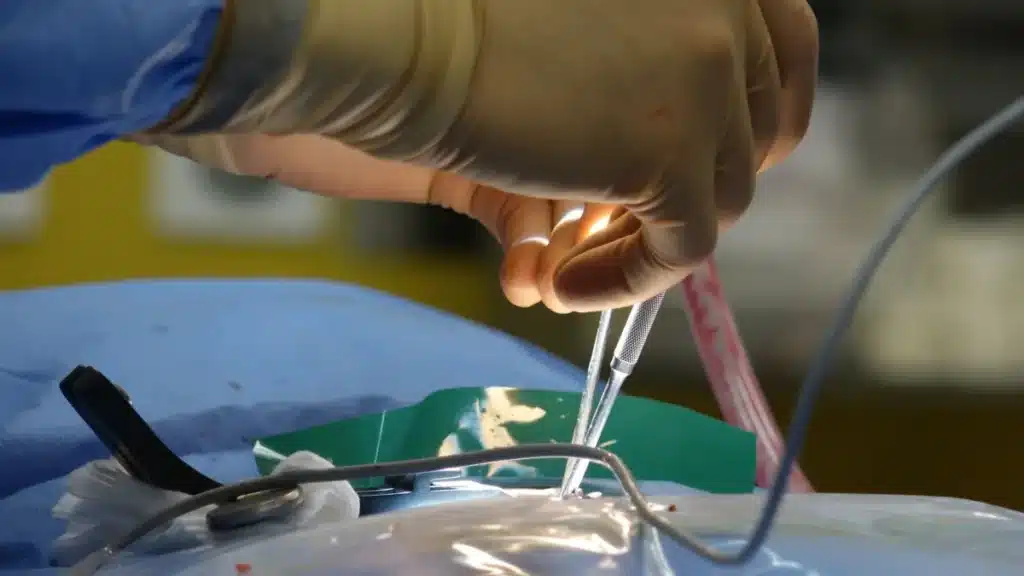
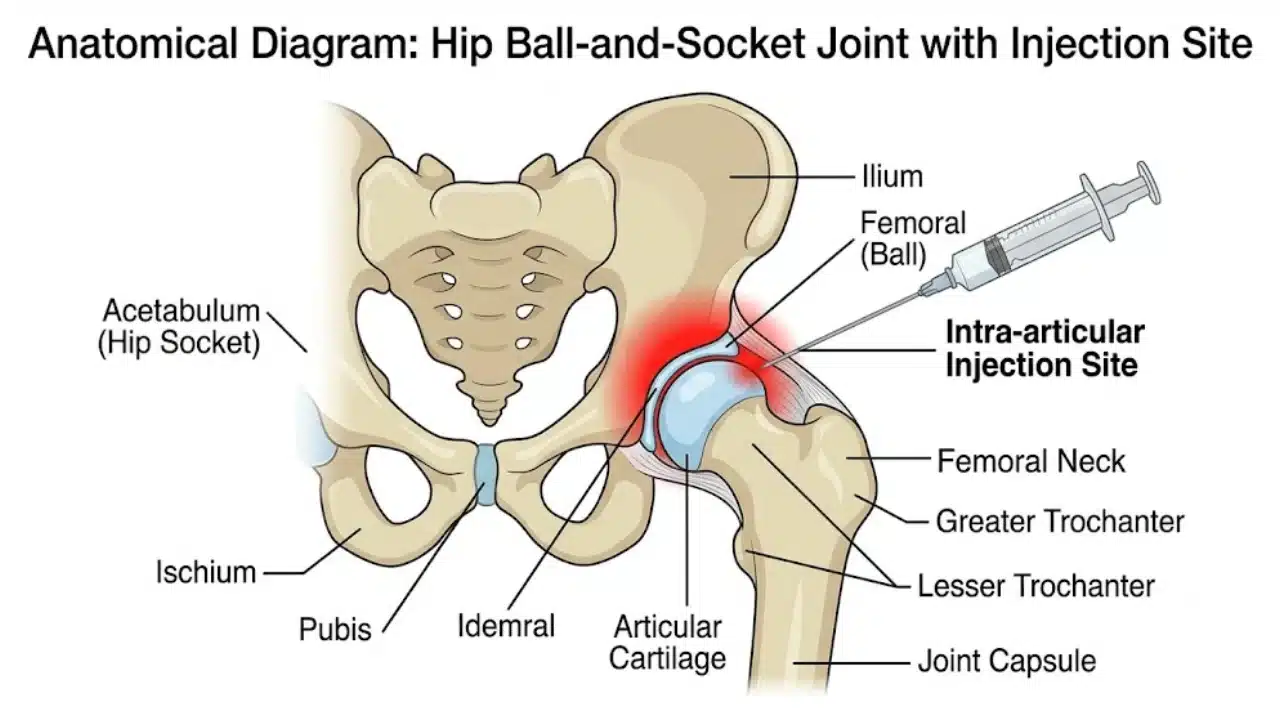
The hip is a deep ball-and-socket joint, so accuracy matters. At Spine & Pain Clinic of Texas, Dr. Arif performs hip injections under precise fluoroscopic (live X-ray) or ultrasound guidance to confirm the needle is in the exact right location before any medication is delivered.
Here’s the basic process:
- A numbing agent is applied to the skin over the hip.
- Using image guidance, a thin needle is advanced toward the joint or surrounding tissue.
- A small amount of contrast dye may confirm correct placement.
- The anesthetic and anti-inflammatory medication are injected.
The anesthetic often provides near-immediate relief, while the corticosteroid reduces inflammation over the following days, with effects that can last weeks to several months.
Which Conditions and Symptoms Do Hip Injections Help?
Hip injections are used to diagnose and treat pain from a range of conditions, including:
- Hip osteoarthritis: the most common reason for hip injections, caused by cartilage wear.
- Bursitis: inflammation of the fluid-filled sacs that cushion the hip.
- Labral tears: damage to the cartilage rim of the socket.
- Tendinitis: irritation of the tendons around the joint.
- Inflammatory arthritis, such as rheumatoid arthritis.
- Post-surgical or referred hip pain that hasn’t responded to other treatments.
Injections can also serve a diagnostic purpose. If a targeted injection relieves your pain, it helps confirm the hip joint is the true source — valuable information when planning further care.
Who Is a Good Candidate?
Hip injections may be a strong fit if you:
- Have hip pain that limits walking, sleeping, or daily activities.
- Haven’t found relief from rest, physical therapy, or oral medications.
- Want to delay or avoid surgery.
- Aren’t a candidate for surgery due to age, health, or personal preference.
- Need clarity on whether your hip joint is the actual pain generator.
Injections aren’t right for everyone. Patients with active infection, certain bleeding disorders, or poorly controlled diabetes may need alternative approaches. A thorough evaluation with our experienced pain management team helps determine the safest, most effective plan for you.

What to Expect: Before, During, and After
Before the Procedure
Your visit begins with a review of your symptoms, imaging, and medical history. You may be asked to pause blood thinners temporarily. The procedure itself requires no general anesthesia, so most patients can drive themselves home, though arranging a ride is wise if sedation is used.
During the Procedure
The injection typically takes 10 to 20 minutes. You’ll lie on your back while the area is cleaned and numbed. Using image guidance, the medication is delivered with precision. Most patients feel only mild pressure.
After the Procedure
You’ll rest briefly before heading home. It’s normal to feel some soreness at the injection site for a day or two. Many patients notice initial relief from the anesthetic, a brief return of discomfort, and then steadier improvement as the steroid takes effect over several days.
Recovery Timeline
Recovery from a hip injection is quick compared to surgery:
- Day of procedure: Light activity only; avoid strenuous exercise.
- Days 1–3: Mild soreness may occur; ice and rest help.
- Days 3–7: Anti-inflammatory effects begin building.
- Weeks 2–12+: Peak relief, often lasting weeks to months.
Many patients use this window of reduced pain to make real progress in physical therapy — strengthening the muscles that support the hip and improving long-term function.
Hip Injections vs. Hip Surgery: The Benefits
For the right patient, injections offer clear advantages:
- Minimally invasive: no incisions, no hospital stay.
- Fast recovery: return to normal activity within days, not months.
- Lower risk: fewer complications than major joint surgery.
- Repeatable: can often be administered again when relief fades.
- Diagnostic value: helps confirm the pain source.
- Surgery-sparing: may delay or eliminate the need for hip replacement.
That said, injections manage pain, they don’t repair severe structural damage. For advanced arthritis or significant joint deterioration, surgery may ultimately offer the most durable solution. The right choice depends on your diagnosis, goals, and how your body responds.
Safety and Risks
Hip injections are considered very safe, especially when performed under image guidance by an experienced specialist. Still, as with any medical procedure, some risks exist:
- Temporary pain or soreness at the injection site.
- Minor bleeding or bruising.
- Rare infection.
- Temporary blood sugar elevation in people with diabetes.
- Limited duration of relief for some patients.
Repeated corticosteroid injections are typically spaced out to protect the joint and surrounding tissue. Dr. Arif tailors the type, dose, and frequency of injections to each patient’s needs to maximize both safety and relief.
When to See a Specialist
Consider seeing a pain management specialist if your hip pain:
- Lasts longer than a few weeks despite home care.
- Interferes with sleep, work, or daily movement.
- Hasn’t improved with physical therapy or medication.
- Is pushing you toward surgery you’d rather avoid.
A specialist evaluation ensures you understand every option before committing to an irreversible procedure.
The Bottom Line
So, are hip injections a good alternative to hip surgery? For many patients, yes — particularly those seeking effective, low-risk relief who hope to postpone or avoid an operation. While injections aren’t a permanent cure for advanced joint damage, they can dramatically improve comfort and mobility, often buying valuable time and keeping you active.
The best way to know if you’re a candidate is a personalized evaluation with a board-certified expert.
Schedule Your Consultation in Texas
At Spine & Pain Clinic of Texas, Dr. Muhammad Arif and our team offer image-guided, non-surgical pain relief at four convenient locations: Plano, Grand Prairie, Tyler, and Longview.
Ready to explore your options? Contact us today to book your consultation and take the first step toward lasting relief.
Frequently Asked Questions
How long do hip injections last?
Relief varies by patient and condition. Many people experience improvement lasting from a few weeks to several months. Combining injections with physical therapy often extends the benefit.
Are hip injections painful?
Most patients feel only mild pressure or a brief pinch. The skin is numbed beforehand, and image guidance keeps the procedure quick and precise. Some soreness for a day or two afterward is normal.
How many hip injections can I have?
This depends on the medication used and your response. Corticosteroid injections are usually spaced several months apart to protect the joint. Your specialist will recommend a safe, individualized schedule.
Can hip injections help me avoid hip replacement surgery?
For many patients, yes. Injections can reduce pain enough to delay or avoid surgery, especially in earlier-stage conditions. They may not replace surgery for severe structural damage, but they’re often an excellent first step.
How soon will I feel relief after a hip injection?
The anesthetic may relieve pain within minutes, though this can wear off temporarily. The anti-inflammatory effect typically builds over 3 to 7 days, with peak relief in the following weeks.