
Chronic Pain Research Is Shifting, Here’s What It Means for You
Living with chronic pain changes everything. Your sleep suffers. Relationships strain. Even getting through a Tuesday feels harder. For people managing sickle cell disease on top of that, the weight feels even greater. A recent study is drawing attention for exploring something practical: what if structured group support could help?
In this guide
- Chronic Pain Research Is Shifting, Here’s What It Means for You
- What the Research Actually Shows
- What This Means for Pain Patients in Plano, TX
- Understanding Stem Cell Therapy as Part of Your Options
- Comparing Your Pain Management Options
- What Happens at a Stem Cell Therapy Consultation?
- Meet Dr. Muhammad Arif, MD: Pain Management Specialist in Plano, TX
- Taking the Next Step Toward Relief
- FAQ
A peer-reviewed study published in Cureus is catching the attention of pain specialists nationwide. Researchers asked a straightforward question: can a structured group therapy program actually work for adults living with both chronic pain and sickle cell disease, not just in a lab but in real clinical practice?
What the Research Actually Shows
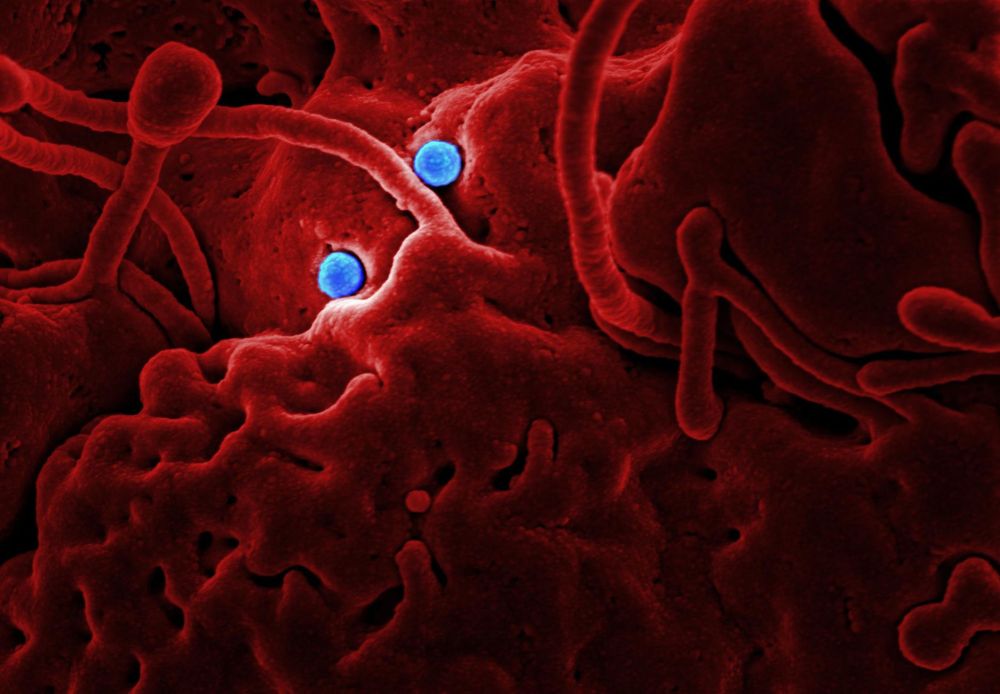
Early findings suggest group-based psychological support could be implemented effectively for this specific patient population. Sickle cell disease is a hereditary blood disorder where red blood cells become crescent-shaped and can block blood flow, causing intense pain episodes called vaso-occlusive crises and ongoing chronic pain between attacks. According to the CDC, hundreds of thousands of Americans have sickle cell disease, and chronic pain is one of its most challenging complications.
The link between chronic pain and mental health is well documented. Mayo Clinic research confirms that chronic pain, depression, and anxiety often feed into each other, making all three harder to manage. Group therapy tackles the psychological side by giving patients space to learn coping strategies, reduce isolation, and build practical skills.
The study indicates that implementing this kind of program is feasible. While the full published text contains the specific outcomes and participant details, early reports point to group-based care as a meaningful complement to medical treatment, not a replacement for it.
What This Means for Pain Patients in Plano, TX
This research reflects a growing shift in pain management: chronic pain rarely responds to one treatment alone. Whether you’re dealing with sickle cell disease, degenerative arthritis, back pain, or another chronic condition, the most effective plans combine several strategies.
For patients in Plano, Frisco, Allen, McKinney, Richardson, Carrollton, The Colony, Murphy, and surrounding North Dallas communities, the Spine and Pain Clinic of Texas in Plano offers interventional and regenerative treatments that become part of a broader, individualized plan. Behavioral approaches like group therapy work alongside medical treatments to address the full picture of pain.
Understanding Stem Cell Therapy as Part of Your Options
Stem Cell Therapy is an emerging regenerative treatment some chronic pain patients consider when conservative care hasn’t provided enough relief. It’s not a cure, and results vary person to person. For certain patients, though, it’s worth discussing with a qualified pain specialist.
Here’s what stem cell therapy generally involves in plain terms. Stem cells are the body’s raw building material. They can develop into different specialized cell types and may support your body’s natural healing processes. In pain management, stem cell injections are typically placed directly into or near the affected joint or tissue. The procedure usually happens as an outpatient treatment, meaning you go home the same day. Image guidance like fluoroscopy (real-time X-ray) or ultrasound helps ensure precise placement.
Who Might Consider Stem Cell Therapy?
Doctors typically consider stem cell therapy for patients with chronic joint pain, degenerative conditions, or soft tissue injuries who have already tried conservative approaches like physical therapy, medication, and injections without enough relief and want to explore options before surgery. Some patients who aren’t good surgical candidates also explore this option.
It’s not right for everyone. Patients with active infections, certain blood disorders, or other specific health factors may not qualify. Your pain specialist is the only one who can determine whether this approach fits your situation.
Comparing Your Pain Management Options
Understanding how Stem Cell Therapy fits with other treatments helps you have a smarter conversation with your care team. Here’s an overview of common approaches available at interventional pain clinics like ours.
| Treatment Option | Type | What It Generally Addresses | Typical Setting |
|---|---|---|---|
| Epidural Steroid Injections (ESI) | Interventional | Nerve-related back or leg pain, radiculopathy | Outpatient, image-guided |
| Radiofrequency Ablation (RFA) | Interventional | Facet joint pain, chronic neck or back pain | Outpatient, minimally invasive |
| Platelet-Rich Plasma (PRP) Injections | Regenerative | Joint pain, tendon and soft tissue conditions | Outpatient injection |
| Stem Cell Therapy | Regenerative (emerging) | Chronic joint pain, degenerative tissue conditions | Outpatient injection |
| Physical Therapy | Conservative | Functional movement, strength, pain reduction | Clinic or home-based |
| Group or Behavioral Therapy | Psychological/supportive | Coping skills, mood, quality of life | Group or individual sessions |
What Happens at a Stem Cell Therapy Consultation?
Walking into a new medical appointment can feel uncertain. Here’s what typically happens at an interventional pain clinic.
Your first visit is a conversation, not a procedure. Your provider reviews your medical history, asks about your symptoms, and may request or review imaging like MRI or X-ray results. The goal is understanding the complete picture before recommending any treatment. If stem cell therapy comes up, your provider explains what it may and may not offer for your specific condition so you can make an informed choice.
If you decide to move forward, the injection itself typically takes under an hour in an outpatient setting, though preparation and monitoring time can extend your visit. You’ll go home the same day. Recovery instructions depend on where the injection goes and your overall health.
Questions to Ask Your Pain Specialist
- Am I a good candidate for stem cell therapy given my specific diagnosis?
- What conservative treatments should I try first, or have I already exhausted them?
- How is the procedure performed, and what image guidance will you use?
- What results are realistic for someone with my condition?
- Does my insurance cover this, and what are the out-of-pocket costs?
- Are there other regenerative or interventional options I should consider alongside this?

Meet Dr. Muhammad Arif, MD: Pain Management Specialist in Plano, TX
Dr. Muhammad Arif, MD is an interventional pain management specialist serving patients at all four Spine and Pain Clinic of Texas locations, including Plano. Patients from Frisco, Allen, McKinney, Richardson, Carrollton, and other nearby communities drive in to see him regularly.
If you’re looking for a pain specialist in Texas who takes an individualized, thoughtful approach, Dr. Arif and the Plano team can help you explore which treatments match your diagnosis and goals. Whether you’re curious about regenerative options like stem cell therapy or want to understand the full range of minimally invasive procedures available, a consultation is the logical first step.
The clinic also provides related services that may fit into your care plan, including Exosome Therapy, nerve blocks and facet blocks, and non-surgical spine treatments. Patients with sciatica, knee pain, or neuropathy often benefit from a comprehensive evaluation.
Taking the Next Step Toward Relief
Research on group therapy for chronic pain reinforces an important truth: there’s rarely one single answer when it comes to managing persistent pain. The best outcomes come from care that addresses the physical, psychological, and functional sides of living with pain. If you’ve been managing chronic pain and wonder whether regenerative options like Stem Cell Therapy in Plano, TX could be part of your solution, the team at Spine and Pain Clinic of Texas is ready to help.
To schedule a consultation at the Plano, TX pain management clinic, call (469) 915-5222 today. We serve patients from Frisco, Allen, McKinney, Richardson, Carrollton, The Colony, Murphy, Wylie, and throughout North Dallas. Same-week consultations may be available when you call.
The same expert interventional pain care is also available at our other Texas locations: Grand Prairie, TX at (469) 680-3886, and both Longview, TX and Tyler, TX at (214) 256-3900. Quality care is closer than you think.
This article is for educational purposes only and is not a substitute for professional medical advice, diagnosis, or treatment. Always consult a qualified healthcare provider about your specific condition. If you experience severe or sudden symptoms, seek emergency care immediately.