
A Major Health System Just Expanded Non-Drug Pain Care. Here’s Why It Matters for You.
Millions of Americans are stuck in chronic pain and tired of being told their only options are pills or surgery. That’s starting to change, and fast.
In this guide
- A Major Health System Just Expanded Non-Drug Pain Care. Here’s Why It Matters for You.
- What Is Radial Shockwave Therapy?
- Why This Shift Matters for Pain Patients in Texas
- Botox for Chronic Migraines in Plano: A Proven Option
- What to Expect: Consultation to Treatment
- Specialized Care Tailored to Your Life
- Taking the Next Step Toward Relief
- FAQ
Valley Health System in New Jersey recently announced it’s offering radial shockwave therapy at two facilities. The move reflects something bigger: across the country, doctors are moving away from one-size-fits-all pain care toward treatments that actually target what’s causing your pain.
What Is Radial Shockwave Therapy?
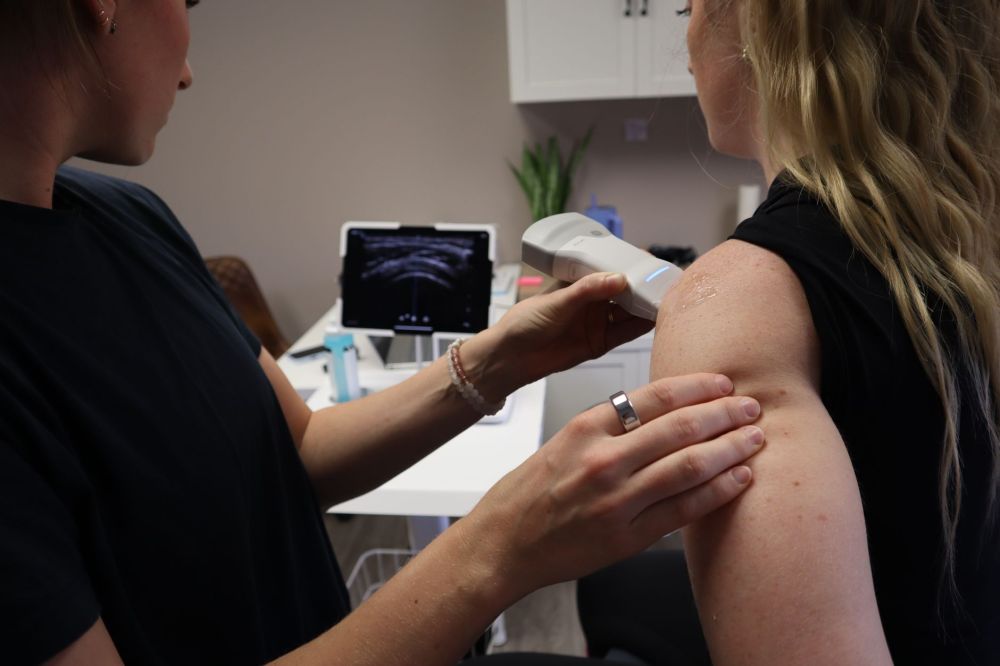
Radial shockwave therapy uses acoustic pressure waves (energy pulses) sent through the skin to help damaged soft tissue heal itself. A device is placed over the painful area, and pulses travel into the underlying muscle, tendon, or connective tissue. No surgery, no incisions.
Early research suggests it may help reduce pain from conditions like plantar fasciitis (heel pain), tendinopathy (tendon damage), and some musculoskeletal problems. It seems to work by increasing blood flow and waking up the body’s natural healing processes in areas that have been stuck for a long time. Most people get it done as an outpatient procedure without anesthesia or recovery time.
But here’s what matters: research into this treatment is still evolving. Not everyone is a candidate, and results vary. A respected health system expanding access to it is meaningful, but it’s not the answer for every type of chronic pain.
Why This Shift Matters for Pain Patients in Texas
The Valley Health System announcement reflects a change that’s already happening right here in Texas. The old “take this pill and see me in six months” approach is being replaced by smarter, more targeted care.
Interventional pain specialists are now offering treatments designed to fix what’s actually wrong, not just mask the symptoms. For people living with chronic migraines, neuropathy, or sacroiliac joint pain, this shift is huge. One-size-fits-all rarely works for chronic conditions.
If you’ve been looking for a pain clinic near me with modern options, you know how hard it can be to find the right specialist. Good news: that kind of specialized care exists right here in the Dallas-Fort Worth area.

Botox for Chronic Migraines in Plano: A Proven Option
Botox for chronic migraines (the medication is called onabotulinumtoxinA) is FDA-approved and may help reduce how often you get migraines if you experience 15 or more headache days per month. It doesn’t stop pain the way a painkiller does. Instead, it blocks the release of certain chemicals in your head and neck that trigger migraines.
According to the Mayo Clinic, Botox injections are typically given every 12 weeks. During the appointment, small amounts go into specific muscles across your forehead, temples, back of the head, neck, and upper shoulders. The injection sites target the nerve pathways most connected to migraine pain.
The whole procedure usually takes less than 30 minutes and happens in an office setting. Most people go back to normal activities the same day. Many patients say it takes one or two cycles before they notice real improvement, so patience is part of the deal.
Is Botox for Migraines Right for You?
Botox for migraines is meant for people with true chronic migraine, which means 15 or more headache days per month, with at least 8 of those being actual migraines. It’s not used for episodic migraines (fewer headache days per month).
You’re typically a good candidate if you’ve already tried other migraine prevention medications without enough relief. But first comes a thorough evaluation. Your specialist will review your headache history, current medicines, and overall health before recommending this treatment.
When Botox for Migraines Isn’t the Right Fit
This treatment isn’t for everyone. If you have certain neuromuscular conditions, are pregnant or nursing, or are allergic to botulinum toxin, you’re not a candidate. Also, if your headaches are tension-type headaches, medication-overuse headaches, or another type, a different approach might work better.
That’s why the consultation is so important. Getting the right diagnosis comes first. Understanding your headache type is the foundation of any good treatment plan.

What to Expect: Consultation to Treatment
Knowing what happens next takes the fear out of the process. Here’s how it typically goes.
| Stage | What Happens | Time |
|---|---|---|
| Initial Consultation | Full review of your headache history, physical exam, diagnosis talk, and treatment options explained | 45-60 minutes typically |
| Insurance and Approval | Clinic staff check your benefits and submit paperwork if needed | Varies by insurer |
| Treatment Session | Small injections across forehead, temples, scalp, neck, and shoulders | Often under 30 minutes |
| Recovery | You can go back to your day right away. Mild soreness at injection sites is normal | Minimal downtime |
| Follow-up Treatments | Repeat injections typically every 12 weeks. Your progress gets checked over time | Ongoing as needed |
Smart Questions to Ask Your Specialist
Come prepared. These questions will help you understand your situation better:
- Based on my headache pattern, do I actually have chronic migraines?
- Have I tried the main preventive medicines first?
- How many treatment cycles typically happen before I notice a real difference?
- What should I do if I get a severe migraine between appointments?
- Are there lifestyle changes or medicine adjustments that could help?
Specialized Care Tailored to Your Life
At Spine and Pain Clinic of Texas, interventional pain management specialist Dr. Muhammad Arif, MD works with patients across all four Texas clinic locations. His focus is understanding what’s actually causing your pain before recommending any procedure.
The Plano clinic serves patients from Frisco, Allen, McKinney, Richardson, Carrollton, The Colony, Murphy, Wylie, and North Dallas, most within a 30-minute drive. Whether you’re seeking a pain specialist in Texas for the first time or you’ve struggled with chronic migraines for years, talking with the care team can clarify what’s possible for you.
Beyond Botox for migraines, the clinic offers nerve blocks, radiofrequency ablation (RFA), and minimally invasive procedures for many pain conditions. Patients in nearby communities like Frisco, Richardson, or McKinney can reach the Plano location easily for specialist care without a long drive.
Dr. Arif and the team know that chronic migraines aren’t just about the headache. It’s the cancelled plans, missed work, and constant worry about the next one. Sound familiar? You deserve a care plan built around your life, not the other way around.

Taking the Next Step Toward Relief
If chronic migraines have been holding you back and nothing has worked yet, you don’t have to wait any longer. The team at Spine and Pain Clinic of Texas in Plano is ready to listen, evaluate, and walk you through every option available.
Looking for pain management in Plano, TX or a pain clinic near me in North Dallas? Visit the Plano location page to learn more, or call (469) 915-5222 to schedule a consultation. The team can verify your insurance and answer questions before your first visit.
Specialized care is also available at other Texas locations: Grand Prairie, TX at (469) 680-3886, and both Longview, TX and Tyler, TX at (214) 256-3900. No matter where you are in Texas, expert interventional pain care is within reach.
This article is for educational purposes only and is not a substitute for professional medical advice, diagnosis, or treatment. Always consult a qualified healthcare provider about your specific condition. If you experience severe or sudden symptoms, seek emergency care immediately.