
Introduction
Living with ongoing pain can make even simple daily activities feel difficult. Whether you struggle with back pain, neck discomfort, joint problems, or nerve-related symptoms, finding the right care matters. Pain Management in Plano, TX helps connect local patients with medical professionals who can assess their symptoms and discuss suitable treatment options.
A qualified specialist may recommend medication, physical therapy, injections, or other approaches based on your condition and health history. The goal is not only to ease discomfort but also to improve movement, sleep, and everyday function. Understanding your options can help you choose a clinic that supports your needs and long-term well-being through clear communication and personalized care.
Ready to take the next step toward better pain relief? Visit Spine & Pain Clinic of Texas to explore personalized pain management services in Plano. Their team can help you understand your symptoms and available treatment options. Request an Appointment today or call +1 (469) 915-5222 to schedule your consultation. Take the first step toward better mobility, comfort, and an improved quality of life.
1. Comprehensive Pain Management in Plano, TX
Living with persistent pain requires more than temporary relief. A comprehensive Pain Management in Plano, TX approach starts with understanding your symptoms, medical history, and physical limitations. Doctors evaluate possible causes before recommending treatment that supports your individual health needs Pain Management in Plano, TX
Unlike basic symptom control, comprehensive care considers how pain affects your entire life. Your treatment may combine medical procedures, medication, physical rehabilitation, and lifestyle adjustments. These approaches help establish realistic recovery goals while addressing the factors contributing to persistent discomfort in Pain Management in Plano, TX.
Helping Plano Patients Take Back Control From Chronic Pain
Chronic pain relief begins with understanding what triggers your discomfort. Pain specialists assess your symptoms and identify possible spinal, muscular, joint, or nerve-related problems. With appropriate treatment and continued monitoring, patients may improve movement, sleep, and participation in everyday activities.
Personalized Pain Management for Better Quality of Life
Every patient experiences pain differently. Therefore, personalized pain treatment plans consider your diagnosis, age, medical history, lifestyle, and treatment preferences. Your doctor may combine different therapies instead of relying on one approach. This flexibility helps address changing symptoms and individual recovery goals.
When Should You Consider Visiting a Pain Management Doctor?
Pain that continues for several weeks deserves attention, especially when it interferes with daily activities. You should consider specialist evaluation when regular treatments provide little improvement. A pain management center Plano TX patients can access may help investigate persistent symptoms and discuss appropriate medical options.
2. Chronic Pain Conditions We Treat
Pain can develop in almost any part of your body. Sometimes it follows an injury, while other cases involve inflammation, nerve irritation, or age-related changes. Understanding the underlying condition helps doctors select appropriate treatment and avoid unnecessary procedures.
A qualified pain management clinic in Plano may evaluate different spinal and musculoskeletal problems. However, individual clinics offer different specialties. Some conditions require coordinated care with neurologists, rheumatologists, orthopedic specialists, or other healthcare professionals in Pain Management in Plano, TX.
Chronic Back Pain and Spinal Conditions
Back problems can make sitting, standing, bending, and walking uncomfortable. Chronic back pain may develop from herniated discs, spinal stenosis, muscle injuries, or Pain Management in Plano, TX degenerative changes. Effective back pain treatment begins with a detailed examination and appropriate diagnostic testing in Pain Management in Plano, TX.
Depending on your condition, doctors may recommend medication, rehabilitation, injections, or surgical consultation. SCC Plano describes care for spinal disorders, including chronic back pain and minimally invasive spine procedures. You can explore its spine care services for additional information in Pain Management in Plano, TX.
Neck Pain and Cervical Conditions
Persistent Neck pain and stiffness can affect your ability to turn your head, drive, work, or sleep comfortably. Common causes include muscle strain, cervical disc problems, arthritis, and Pain Management in Plano, TX irritated nerves. Appropriate neck pain treatment depends on the source and severity of your symptoms in Pain Management in Plano, TX.
Some patients experience pain that travels into their shoulders, arms, or fingers. Tingling and weakness may suggest nerve involvement. A doctor can evaluate these symptoms through Pain Management in Plano, TX physical examinations and imaging when medically necessary.
Joint Pain and Arthritis
Arthritis gradually affects how certain joints move and function. Patients may experience Joint discomfort, swelling, stiffness, and reduced flexibility. Joint pain management focuses on improving Pain Management in Plano, TX movement and controlling symptoms through suitable medical care.
Treatment may include exercise therapy, medication, weight management, or selected injections. For osteoarthritis, regular movement can improve flexibility and strengthen supporting muscles. The NIAMS osteoarthritis treatment guide explains several evidence-based management approaches.
Sciatica and Nerve Pain
Sciatica usually develops when irritation or compression affects the sciatic nerve roots. Patients may experience sharp pain traveling from the lower back into the buttocks and legs. Symptoms can also include burning sensations, numbness, or tingling. Pain Management in Plano, TX
Effective sciatica treatment depends on the underlying cause. Doctors may recommend physical therapy, medication, or selected injections. More persistent symptoms sometimes require specialist evaluation. Nerve pain treatment should address the source of irritation rather than focusing only on temporary discomfort.
Chronic Headaches and Migraines
Chronic headaches can interfere with concentration, work, sleep, and family activities. Migraines may cause throbbing head pain alongside nausea and sensitivity to light or sound. Identifying Pain Management in Plano, TX triggers and understanding headache patterns helps doctors select appropriate treatment.
Some patients benefit from preventive medication, lifestyle changes, or specialist-directed procedures. Migraine treatment depends on headache frequency, severity, associated symptoms, and medical history. A pain clinic may coordinate care with a neurologist when specialized headache management becomes necessary.
Fibromyalgia and Widespread Body Pain
Fibromyalgia causes widespread pain, fatigue, tenderness, and sleep difficulties. Unlike an ordinary muscle injury, its symptoms involve changes in how the nervous system processes pain. Patients may also experience concentration problems and persistent exhaustion.
Fibromyalgia treatment usually combines several approaches. These may include gradual exercise, medication, behavioral therapy, and better sleep habits. The NIAMS fibromyalgia guide explains why coordinated care often works better than relying on one treatment.
Sports Injuries and Post-Surgical Pain
Sports injuries can damage muscles, ligaments, tendons, and joints. Sprains, strains, and impact injuries may cause swelling, stiffness, and movement restrictions. Proper sports injury treatment helps protect injured tissues and restore strength during recovery.
Meanwhile, Post-surgical pain sometimes continues beyond the expected healing period. Post-surgical pain management may involve medication adjustments, rehabilitation, and further medical evaluation. Your doctor should investigate persistent symptoms before recommending additional treatment.
3. Pain Management Services and Treatment Options
Modern pain care offers several ways to reduce discomfort and improve physical function. The right treatment depends on your diagnosis, medical history, and response to previous therapies. A responsible specialist explains expected benefits, possible risks, and available alternatives.
Many patients begin with Non-surgical pain treatment before considering more invasive options. Treatment may involve medication, physical therapy, injections, or rehabilitation. SCC Plano’s published service information includes interventional pain management with injections and nerve blocks, alongside spine care and rehabilitation guidance.
Comprehensive Pain Evaluation and Diagnosis
Good treatment starts with an accurate diagnosis. Doctors review your medical history and ask about pain location, intensity, duration, and triggers. They may also examine your posture, muscle strength, reflexes, flexibility, and movement patterns.
Depending on your symptoms, diagnostic testing may include X-rays, MRI scans, CT scans, or laboratory tests. However, imaging does not always explain pain. Your specialist must connect test findings with physical symptoms before recommending treatment.
Medication Management for Chronic Pain
Medication can help control inflammation, reduce discomfort, or manage certain nerve-related symptoms. Doctors select medicines according to your diagnosis and individual health risks. They also consider allergies, existing prescriptions, possible interactions, and your response to previous treatment.
Responsible Chronic pain treatment does not depend on medication alone. The CDC recommends considering nonopioid therapies for many common pain conditions. Opioids may have a role in selected situations, but clinicians should carefully weigh potential benefits against risks.
Physical Therapy and Rehabilitation
Movement plays an important role in many recovery plans. Physical therapy can improve strength, flexibility, balance, and joint movement. Therapists choose exercises according to your condition and gradually increase activity as your body becomes stronger.
For example, someone with recurring lower back pain may need core strengthening and movement training. Another patient might benefit from gentle stretching and balance exercises. Proper rehabilitation helps restore function while reducing unnecessary strain.
Injection Therapy and Nerve Blocks
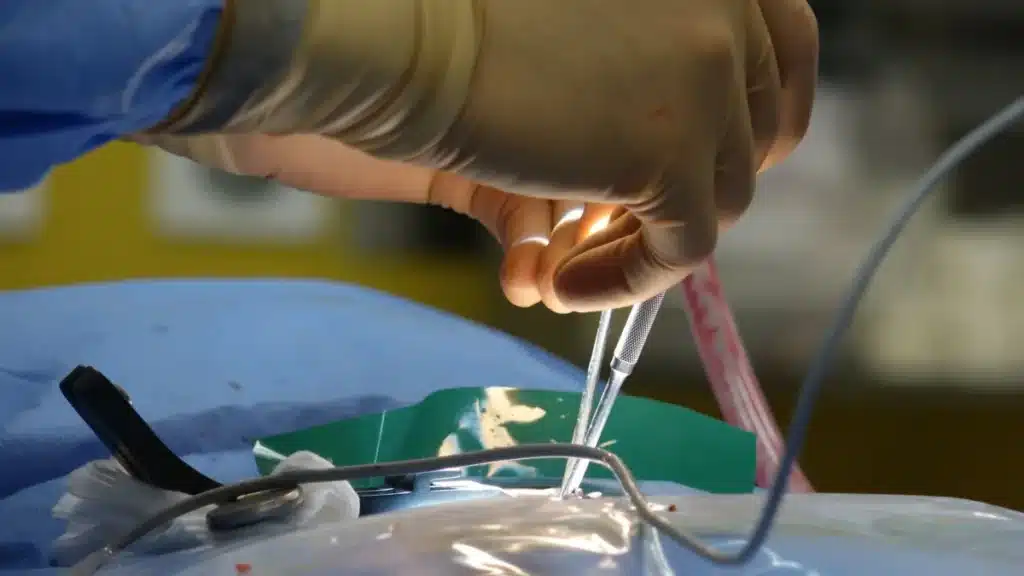
Some patients need targeted procedures when conservative treatment provides insufficient relief. Doctors may recommend epidural steroid injections, facet joint injections, or selected nerve blocks. These procedures aim to reduce inflammation or interrupt specific pain signals.
Image guidance can help physicians place medication accurately during certain procedures. However, injections do not suit every diagnosis. Your doctor should explain the expected duration of benefit, possible complications, and whether another treatment may work better.
Radiofrequency Ablation for Persistent Pain
Radiofrequency ablation uses controlled heat to affect selected nerves that transmit pain signals. Specialists may consider it for certain chronic spinal or joint conditions. A diagnostic nerve block can sometimes help determine whether a particular nerve contributes to your symptoms.
Relief varies between patients and may not last permanently. Doctors assess your medical history and previous treatment response before recommending the procedure. Read more about radiofrequency ablation to understand its general purpose.
Spinal Cord Stimulation and Advanced Procedures
Some patients experience persistent nerve-related pain despite trying several treatments. In selected cases, specialists may discuss spinal cord stimulation. This therapy uses an implanted device to deliver electrical signals that modify pain transmission.
However, spinal cord stimulation requires careful patient selection and a detailed evaluation. It carries potential risks, including infection, lead movement, and device-related complications. Your specialist should explain the procedure and alternatives before you consider it Pain Management in Plano, TX.
Lifestyle Changes and Non-Surgical Pain Relief
Medical treatment often works better when supported by practical daily habits. Gentle movement, healthy sleep routines, weight management, and stress reduction may improve your ability to manage discomfort. Your doctor can help you choose activities that suit your physical condition.
Avoid suddenly starting intense exercise when pain limits your movement. Instead, follow a gradual plan developed with your healthcare professional. Consistency matters more than pushing yourself beyond comfortable limits.
Common Pain Management Treatments at a Glance
The following table explains several treatment categories and their general purposes. Your doctor determines which options suit your condition in Pain Management in Plano, TX.
| Treatment | General purpose |
|---|---|
| Medication management | Controls selected pain symptoms |
| Physical therapy | Improves strength and mobility |
| Epidural injections | Targets selected spinal inflammation |
| Nerve blocks | Temporarily interrupts specific pain signals |
| Radiofrequency ablation | Reduces signals from selected nerves |
| Spinal cord stimulation | Modifies certain chronic pain signals |
| Lifestyle adjustments | Supports movement and overall well-being |
Not every Pain relief clinic provides every procedure listed above. Always confirm available services and discuss the medical suitability of each option.
4. When Should You See a Pain Management Doctor?
Ignoring persistent pain can make everyday activities harder. Although some injuries improve with time, recurring symptoms may indicate an underlying problem. Early evaluation helps doctors understand what is happening and whether you need specialist treatment.
Consider an appointment when discomfort lasts beyond expected healing or repeatedly returns. Professional Acute pain management may also help when sudden injuries require assessment. However, emergency symptoms need immediate medical attention rather than a routine clinic appointment.
Warning Signs That Your Back Pain Needs Medical Attention
Back pain deserves attention when it continues despite reasonable self-care. Persistent discomfort, worsening stiffness, or pain traveling into your legs may require medical evaluation. You should also discuss symptoms that interrupt sleep or limit normal movement.
Seek urgent care for severe symptoms or new neurological changes. Sudden leg weakness, numbness around the groin, or loss of bladder or bowel control can indicate a serious spinal emergency. The American Association of Neurological Surgeons explains these warning signs.
When Should You See a Doctor for Neck Pain?
Occasional neck soreness may follow poor posture or muscle strain. However, persistent Neck pain and stiffness deserves professional evaluation. Pain spreading into your arms, tingling fingers, or new weakness may indicate nerve compression.
You should also seek medical advice after significant injuries or when symptoms progressively worsen. A specialist can assess cervical spine problems and recommend appropriate treatment. Sudden severe weakness or symptoms following major trauma require urgent evaluation.
When Is Joint Pain a Cause for Concern?
Joint pain becomes more concerning when swelling, stiffness, or reduced movement continues. You may struggle to climb stairs, open containers, or walk comfortably. Persistent symptoms deserve attention because different joint conditions require different treatment approaches.
Early Arthritis pain relief strategies may help protect mobility and improve daily function. Doctors may recommend exercise, medication, or other therapies based on your diagnosis. Sudden joint swelling with fever also needs prompt medical assessment.
When Should You Seek Help for Chronic Headaches?
Frequent headaches deserve medical attention when they disrupt normal activities or change in pattern. Recurring Migraines may require preventive treatment rather than relying only on medication during attacks. Keep track of headache frequency, duration, possible triggers, and associated symptoms.
Some headache symptoms require emergency care. A sudden, explosive headache or severe pain accompanied by speech problems, vision changes, or weakness needs immediate assessment. Review the MedlinePlus migraine guidance for additional warning signs.
Emergency Symptoms You Should Never Ignore
Certain symptoms should never wait for a routine appointment. New loss of bladder or bowel control, saddle-area numbness, sudden limb weakness, or serious injury-related spinal pain may indicate an emergency. Call 911 or visit an emergency department when these symptoms appear.
Remember that a pain clinic is not a substitute for emergency care. Prompt assessment can help doctors identify serious problems and begin appropriate treatment. Never delay emergency evaluation while waiting for a scheduled consultation.
5. How Chronic Pain Can Affect Your Daily Life
Persistent pain affects much more than physical comfort. It can change how you work, sleep, exercise, and interact with family members. Even ordinary household activities may become difficult when discomfort continues throughout the day.
According to MedlinePlus, chronic pain can affect mood and relationships. It may also contribute to stress and emotional difficulties. Understanding these effects helps doctors develop treatment goals that reach beyond pain intensity alone.
Physical Limitations Caused by Chronic Pain
Ongoing discomfort can gradually reduce your confidence in movement. You may avoid walking, lifting objects, or participating in activities you once enjoyed. Chronic back pain and Joint discomfort can also make prolonged sitting or standing difficult.
For older adults, Age-related pain may increase challenges with balance, flexibility, and independence. Appropriate medical guidance can help maintain safe movement. The aim is to preserve everyday function rather than simply avoid all physical activity.
The Emotional Impact of Persistent Pain
Living with pain every day can feel frustrating and exhausting. You might become worried about worsening symptoms or uncertain about your ability to complete daily responsibilities. These feelings can affect motivation and relationships with people around you.
Emotional support deserves attention alongside physical treatment. Relaxation techniques, counseling, and behavioral therapies may help some patients manage the stress linked with persistent symptoms. Asking for support does not mean your pain is imaginary.
How Chronic Pain Can Affect Sleep and Productivity
Pain can interrupt sleep by making comfortable positions difficult to maintain. Poor sleep may then increase fatigue and reduce concentration the following day. This cycle can make workplace responsibilities and household tasks feel overwhelming.
Creating a consistent bedtime routine may support better rest. Your doctor can also review medications or medical conditions affecting sleep. Better rest does not replace treatment, but it can support your overall recovery plan.
How Pain Management Can Improve Everyday Activities
Effective treatment should focus on meaningful improvements. You might want to walk farther, sleep more comfortably, return to work, or play with your children. These goals help doctors measure progress beyond a simple pain score.
A useful treatment plan tracks mobility, sleep, medication use, and daily activity. Progress may happen gradually rather than all at once. Small improvements can still represent important steps toward greater independence.
6. What to Expect During Your First Pain Clinic Visit
Your first appointment helps establish a clear picture of your condition. The doctor will discuss your symptoms, medical history, previous treatments, and daily limitations. This conversation helps determine which examinations or diagnostic tests may be necessary.
A visit to a Pain management center Plano TX patients can access should also provide room for questions. You should understand your diagnosis, available treatment options, and recommended next steps. Good communication makes it easier to participate in decisions about your healthcare.
Reviewing Your Medical History and Symptoms
Your doctor may ask when the pain started and whether anything makes it better or worse. They may also review previous injuries, surgeries, medications, allergies, and existing health conditions. Be honest about treatments that helped or caused unwanted effects.
It helps to bring previous medical records and imaging reports. A simple symptom diary can also provide useful details. Note the frequency, location, intensity, and daily impact of your discomfort before the appointmentin Pain Management in Plano, TX.
Physical Examination and Diagnostic Evaluation
A physical examination helps doctors understand how your body moves. They may check muscle strength, reflexes, posture, flexibility, sensation, and painful areas. These findings help identify possible spinal, joint, or nerve-related problems.
Additional testing depends on your symptoms and examination results. X-rays may show certain bone changes, while MRI scans provide detailed images of soft tissues. Doctors should order tests when the results can influence diagnosis or treatment decisions in Pain Management in Plano, TX.
Understanding Your Pain Diagnosis
A diagnosis explains the likely source of your symptoms. Sometimes one condition accounts for your discomfort, while other patients have several contributing problems. Your specialist may explain how muscles, joints, discs, or nerves influence the pain you experience in Pain Management in Plano, TX.
Remember that imaging results do not always match symptom severity. A scan may show structural changes that cause no discomfort. Your doctor should interpret those findings alongside your medical history and examination.
Developing Your Personalized Treatment Plan
After evaluating your condition, the specialist discusses suitable treatment options. Your plan may include medication, rehabilitation, injections, or further specialist consultation. The recommended approach should reflect your health needs and personal recovery goals in Pain Management in Plano, TX.
Ask about expected benefits, possible side effects, and alternative options. You should also understand follow-up arrangements and signs that require another evaluation. Treatment plans may change as symptoms improve or new information becomes available in Pain Management in Plano, TX.
Questions to Ask Your Pain Management Specialist
A productive consultation gives you a chance to understand your options. Ask what may be causing your pain and which treatments suit your diagnosis. You should also discuss recovery expectations, procedure risks, insurance coverage, and follow-up visits.
There is no need to understand every medical term immediately. Ask your doctor to explain anything that seems unclear. Clear answers help you make informed decisions and follow your treatment plan confidently.
7. Why Choose Our Pain Management Clinic in Plano, TX?
Choosing a healthcare provider requires more than finding the nearest clinic. You need qualified professionals who understand your condition and explain treatment choices clearly. Convenient Pain Management in Plano, TX access, appropriate technology, and coordinated care also influence your experience.
Specialty Care Clinics Plano describes its approach around spine care, pain management, and patient-focused medical services. Its published information highlights fellowship-trained spine specialists, interventional procedures, and rehabilitation guidance. Explore the SCC Plano website to review its current services and locations in Pain Management in Plano, TX.
Experienced Pain Management Specialists
Medical experience matters when evaluating complex spinal and musculoskeletal conditions. You should understand the physician’s qualifications, specialty training, and experience with your diagnosis. These details help you judge whether the provider’s expertise matches your healthcare needs in Pain Management in Plano, TX.
SCC Plano’s website describes fellowship-trained spine specialists and board-certified physicians. However, you should confirm the treating clinician’s specific credentials before scheduling. Ask who will evaluate your symptoms and whether that professional regularly manages similar Pain Management in Plano, TX conditions.
Patient-Focused and Individualized Treatment
Good medical care begins with listening. Your doctor should understand how pain affects your daily routine before discussing possible treatments. They should explain the reasons behind each recommendation and invite you to share concerns.
Individualized care also means avoiding unnecessary procedures. One patient may improve through rehabilitation, while another may need further investigation. A suitable plan considers your diagnosis, medical history, preferences, and response to previous treatment in Pain Management in Plano, TX.
Advanced Diagnostic and Treatment Technologies
Modern diagnostic tools can help doctors investigate spinal and musculoskeletal problems. Depending on your symptoms, testing may involve X-rays, MRI scans, or other imaging methods. Specialists use these findings alongside physical examinations to develop an appropriate treatment strategy.
SCC Plano highlights diagnostic resources and interventional pain management options. Its published service information also mentions injections and nerve blocks. You should contact the clinic to confirm which procedures are currently available for your specific condition.
Comprehensive Care and Ongoing Patient Support
Pain management often requires regular evaluation rather than one isolated appointment. Your treatment team may monitor symptoms, review medication effects, and adjust recommendations when necessary. Rehabilitation guidance can also support safe movement and functional improvement.
SCC Plano describes care across primary care, urgent care, and spine services. This broader medical setting may help patients discuss related healthcare needs. However, the exact professionals involved will depend on your diagnosis and treatment requirements.
Convenient Pain Management Care in Plano, TX
Location can influence how easily you attend consultations and follow-up visits. SCC Plano lists East Plano and West Plano locations on its website. It also describes convenient access to medical services for patients in the surrounding community.
Before visiting, confirm the correct office, appointment time, and available services. You should also verify insurance participation for the specific clinician and procedure. These small checks can prevent avoidable delays during your healthcare journey.
8. How to Find the Right Pain Medicine Doctor Near Plano, TX
Finding suitable Pain medicine doctors near Plano TX requires careful research. Start by considering your symptoms and the type of specialist you may need. A spine condition, nerve disorder, and inflammatory joint problem may require different medical expertise.
A reliable provider should explain treatment options without promising guaranteed results. You should also feel comfortable discussing your symptoms and asking questions. Comparing credentials, services, communication, and practical costs can help you make a more informed choice.
Check the Doctor’s Qualifications and Experience
Begin by reviewing the doctor’s medical qualifications and specialty training. Board certification, fellowship experience, and relevant clinical practice can offer useful information. You should also ask whether the physician regularly treats your particular condition.
For spinal problems, look for experience with the relevant diagnosis and available treatment options. Do not assume every pain specialist performs the same procedures. Confirm the physician’s role before choosing a clinic.
Understand Available Pain Treatment Options
Different conditions require different treatment approaches. A clinic may focus on medication management, while another offers interventional procedures or spine surgery. Make sure its services match your diagnosis and treatment needs.
Ask whether doctors consider conservative care before recommending invasive procedures. You should understand the expected benefits and possible risks of each option. A trustworthy specialist will discuss alternatives rather than pressure you into one treatment.
Review Patient Feedback and Clinic Reputation
Patient reviews may help you understand communication, appointment experiences, and clinic organization. Look for detailed feedback rather than relying only on star ratings. Repeated comments about clear explanations or follow-up support can provide useful context.
However, online reviews cannot guarantee clinical outcomes. Individual experiences differ because diagnoses and treatment needs vary. Use reviews alongside medical credentials, verified services, and direct conversations with the clinic.
Ask About Insurance Coverage and Treatment Costs
Healthcare expenses can vary based on your insurance plan, provider network, and recommended procedures. Ask whether the clinic participates in your plan before scheduling. You should also confirm whether your consultation or procedure requires prior authorization.
SCC Plano’s published information mentions acceptance of most major insurance plans, including Parkland Health Plan. Coverage may vary by provider and service. Verify your individual benefits directly before receiving treatment.
9. Accepting New Patients in Plano, TX
Starting treatment becomes easier when you understand the appointment process. Before contacting a clinic, identify your main symptoms and gather relevant medical information. This preparation helps the scheduling team guide you toward the appropriate appointment.
A Pain relief clinic should explain how patients arrange consultations and what documents they need. You should also confirm current appointment availability. Contacting the clinic directly provides the most reliable information about new patient scheduling.
How to Schedule a Pain Management Appointment
You can begin by visiting the clinic’s website or contacting its office. Explain your main symptoms and mention any previous diagnosis or treatment. The scheduling team can provide information about appointment availability and the next steps.
For SCC Plano, visit sccplano.com or call (469) 833-2927. Confirm which Plano location handles your appointment and whether you need a referral or medical records beforehand in Pain Management in Plano, TX
Insurance and Payment Information
Insurance details can affect your choice of provider and treatment location in Pain Management in Plano, TX. Ask whether the clinic accepts your specific insurance plan in Pain Management in Plano, TX and whether your specialist participates in its network. Confirm procedure coverage separately because benefits may differ in Pain Management in Plano, TX.
You should also request information about copayments, deductibles, and authorization requirements. If you have questions about an estimated cost, ask the billing team before treatment. Clear financial information helps you plan responsibly.
What to Bring to Your First Appointment
Arriving prepared can make your first consultation more productive. Bring identification, insurance details, current medication information, previous medical records, and relevant imaging reports in Pain Management in Plano, TX. You should also prepare a short history of your symptoms and previous treatments.
Write down questions before your visit so you do not forget important concerns. Mention allergies, previous surgeries, and other medical conditions. Accurate information helps your doctor evaluate your needs more effectively in Pain Management in Plano, TX
Serving Plano and Nearby Communities
Plano residents may need convenient access to ongoing Pain Management in Plano, TX. SCC Plano lists East Plano and West Plano locations. Patients from nearby North Texas communities can check the website for the most suitable office and current appointment arrangements.
Before traveling, verify the exact location and available services. Confirm parking, office hours, and insurance information as well. These details can make consultations and follow-up visits easier to manage.
Conclusion
Persistent pain should not prevent you from enjoying everyday activities. The right medical evaluation can help identify possible causes and establish a suitable treatment direction. From spinal conditions to joint problems, different symptoms require careful assessment and individualized care.
Finding a trusted Pain Management in Plano, TX provider can be an important step toward better mobility and comfort. Specialty Care Clinics Plano offers spine care and pain management services, including interventional procedures and rehabilitation guidance. Explore the official clinic website to learn more about its services and locations.
Take the first step toward understanding your symptoms. Call (469) 833-2927 to contact SCC Plano and ask about scheduling a consultation. Discuss your concerns with a qualified medical professional and explore treatment options suited to your needs.
Frequently Asked Questions About Pain Management in Plano, TX
Understanding pain treatment can help you prepare for a medical consultation. Many patients have questions about specialist care, procedures, recovery, and insurance. The answers below explain common concerns in straightforward language.
However, treatment decisions always depend on your individual condition. Your doctor can explain which options suit your medical history and symptoms. Use these answers as general information rather than a personal diagnosis.
What Does a Pain Management Doctor Do?
A pain management doctor evaluates, diagnoses, and treats different types of pain. These specialists may recommend medication, rehabilitation, injections, or other procedures. Their goal is to reduce symptoms and improve your ability to perform everyday activities in Pain Management in Plano, TX.
When Should You Visit a Pain Management Clinic?
Consider a consultation when pain persists, returns frequently, or interferes with normal activities. You should also seek evaluation when previous treatment provides limited improvement. Sudden weakness, severe trauma, or new bladder and bowel problems require emergency assessment.
Can Chronic Pain Be Treated Without Surgery?
Yes, many chronic pain conditions can be managed without an operation. Treatment may include medication, physical therapy, lifestyle changes, and selected injections. The best approach depends on the cause of your pain and your medical condition in Pain Management in Plano, TX.
What Happens During a Pain Management Consultation?
Your specialist reviews your medical history and discusses your symptoms. They may perform a physical examination and recommend diagnostic tests when necessary. After evaluating the findings, they explain possible treatments in Pain Management in Plano, TX and develop a suitable care plan.
Do I Need a Referral to See a Pain Management Specialist in Pain Management in Plano, TX?
Referral requirements depend on the clinic Pain Management in Plano, TX, insurance policy, and specialist. Some providers accept appointments without referrals, while certain insurance plans require one in Pain Management in Plano, TX. Contact the office of Pain Management in Plano, TX and your insurer before scheduling to confirm their requirements.
How Long Does Pain Management Treatment Take in Pain Management in Plano, TX?
Treatment timelines vary because different conditions respond differently. Pain Management in Plano, TX Some patients improve after a short course of treatment in Pain Management in Plano, TX, while others need ongoing care. Your doctor monitors progress and adjusts the plan according to symptoms and functional improvements. Pain Management in Plano, TX
Are Pain Management Injections Safe?
Pain injections are commonly used for selected conditions, but they still carry risks. Possible complications include bleeding, infection, temporary discomfort, or medication-related side effects in Pain Management in Plano, TX. Your doctor should explain the specific procedure in Pain Management in Plano, TX, expected benefits, and potential complications before obtaining your consent. Pain Management in Plano, TX
How Can I Find a Pain Management Doctor Near Plano, TX?
Start by reviewing specialist qualifications, treatment experience, and available services. Consider clinic location, insurance participation, and patient communication. A consultation can help you understand whether the provider’s expertise matches your symptoms and treatment goals. Pain Management in Plano, TX