Living With CRPS Pain in Plano, TX? You Have Options.
If you live near Legacy West or along US-75 (Central Expressway) in Plano, you know that Complex Regional Pain Syndrome (CRPS) doesn’t respond like other pain conditions. The burning, swelling, and extreme sensitivity that come with CRPS often frustrate standard treatments. But a therapy called spinal cord stimulation (SCS) is designed specifically for nerve-driven pain like this, and it’s available right here in the Plano area.
In this guide
- Living With CRPS Pain in Plano, TX? You Have Options.
- What Spinal Cord Stimulation May Offer for CRPS
- What Is CRPS, and Why Is It So Hard to Treat?
- How Does Spinal Cord Stimulation Work?
- Who May Be a Candidate for SCS?
- Who This Procedure May Not Be Ideal For
- What to Expect on Procedure Day and During Recovery
- Practical Questions to Ask at Your Consultation
- Why Choose the Spine and Pain Clinic of Texas in Plano?
- Taking the Next Step Toward Relief
- FAQ
What Spinal Cord Stimulation May Offer for CRPS
No responsible provider will promise specific results, but research and clinical experience show that SCS can offer several potential benefits for many CRPS patients:
- Reduced pain intensity: SCS may help lower the burning or shooting nerve pain associated with CRPS.
- Improved daily function: Many patients report being able to perform routine activities that pain had made difficult.
- Reduced reliance on pain medications: For some people, SCS may allow for lower medication doses as part of a broader care plan.
- A reversible, adjustable option: The system can be turned off, adjusted, or removed, which sets it apart from permanent surgical procedures.
- A trial period before full commitment: A temporary SCS trial is typically performed first, giving you a chance to assess the therapy before any permanent implant.
These are potential benefits, not guarantees. Your care team will help you understand what’s realistic for your specific situation. Learn more about CRPS and the clinic’s full approach on the CRPS condition page.
What Is CRPS, and Why Is It So Hard to Treat?
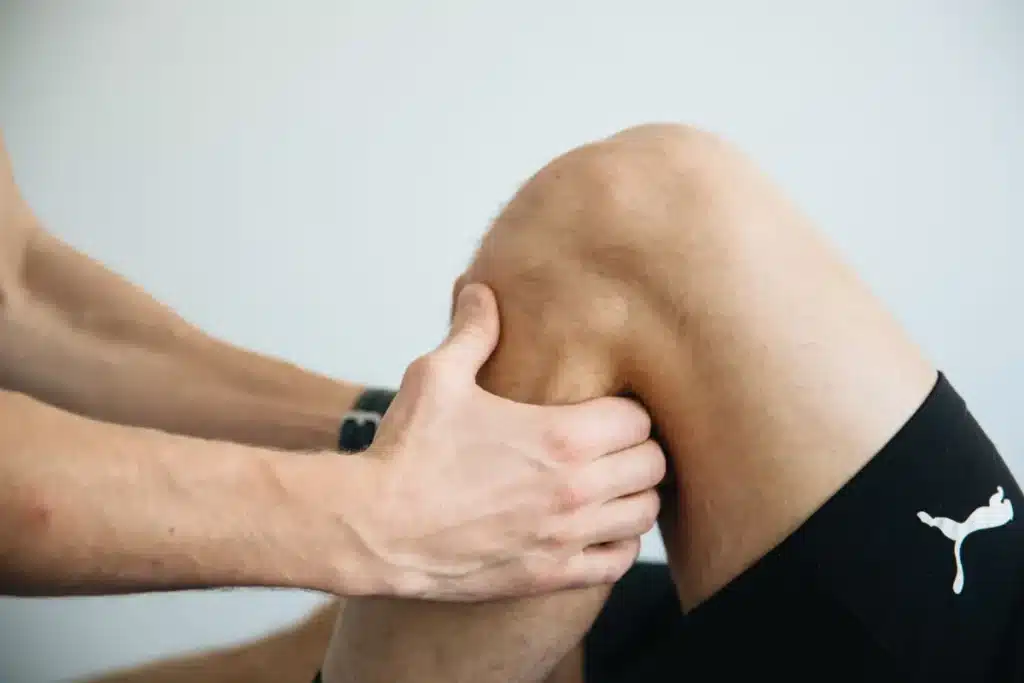
CRPS typically develops after an injury, surgery, stroke, or even a minor event. The nervous system amplifies pain signals far beyond what the original injury would justify. According to the Mayo Clinic, CRPS often affects an arm or leg and produces intense burning pain, extreme sensitivity to touch or temperature, skin color and texture changes, and swelling.
Standard treatments like oral medications, physical therapy, and topical agents often help only partially. That’s where interventional options like SCS become relevant. CRPS involves changes in how the central nervous system processes pain, which is exactly the mechanism that spinal cord stimulation targets. Research from the National Institutes of Health (NIH) suggests that neuromodulation therapies, including SCS, may interrupt the abnormal pain processing that CRPS creates.
How Does Spinal Cord Stimulation Work?
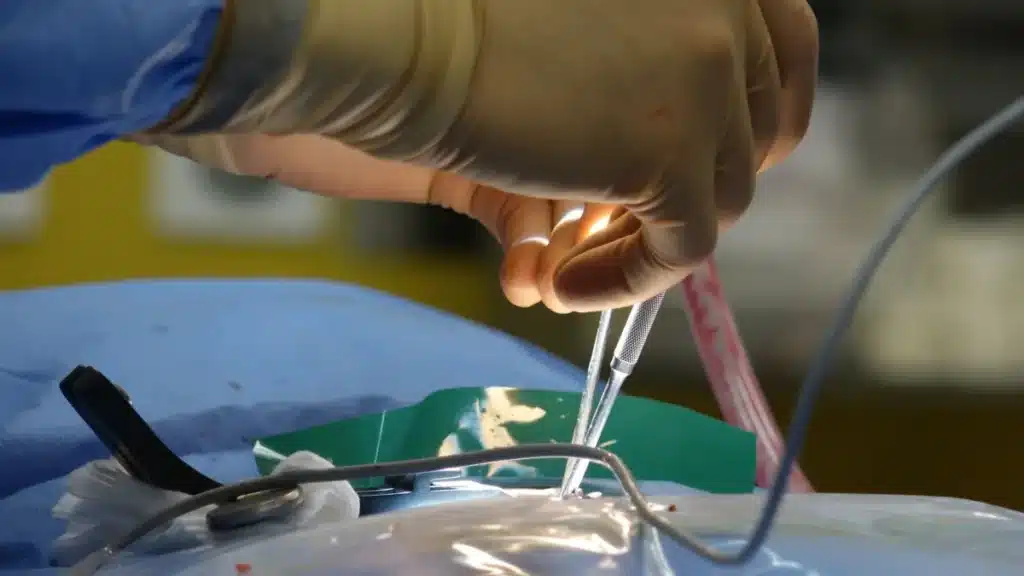
SCS works by delivering mild electrical pulses to the epidural space, the area just outside the protective covering of the spinal cord. Thin insulated leads (wires) are placed near the affected nerve pathways to deliver these pulses. The electrical current is thought to interfere with pain signal transmission before it reaches the brain, changing how pain is perceived. In some SCS systems, patients feel a mild tingling instead of pain. Newer waveform technologies may produce no sensation at all while still providing relief.
The procedure uses image guidance, typically fluoroscopy (real-time X-ray), so the leads can be positioned precisely along the right spinal levels. Local anesthetic keeps you comfortable during lead placement. The entire process is outpatient, so most patients go home the same day.
Here’s how the process typically unfolds from consultation to permanent implant:
Now Accepting New Patients
Explore SCS for CRPS Relief in Plano, TX
If you live near Legacy West or anywhere along US-75 and are struggling with CRPS pain, a consultation at our Plano clinic can help clarify whether spinal cord stimulation may be an appropriate option for you. Contact us today to schedule your visit.
Who May Be a Candidate for SCS?
SCS is generally considered for CRPS patients who have already tried more conservative treatments without adequate relief. This typically means medications, physical therapy, nerve blocks, or other non-surgical interventions have been explored first.
The table below shows where SCS fits in the CRPS treatment landscape:
| Treatment Option | Type | Typical Use Stage | Reversible? | Notes |
|---|---|---|---|---|
| Medications | Conservative | First line | Yes | Often insufficient alone for CRPS |
| Physical Therapy | Conservative | First to second line | Yes | Helpful but challenging for many CRPS patients |
| Nerve Blocks | Interventional | Second line | Yes | Temporary relief, may be repeated |
| Spinal Cord Stimulation | Interventional / Device | Second to third line | Yes | Trial period required before permanent implant |
| Regenerative Medicine (PRP) | Emerging / Adjunct | Varies | Yes | Evidence still emerging, not a standalone CRPS treatment |
Typical candidates have a confirmed CRPS diagnosis, have tried at least two to three other treatment approaches without adequate relief, are medically stable enough for a minor procedure, and don’t have active infections or other contraindications. Your physician will also evaluate psychological factors, as mental health plays an important role in chronic pain management.
Who This Procedure May Not Be Ideal For
Honest conversations about candidacy matter. SCS isn’t right for everyone with CRPS. Patients with bleeding disorders, active infections near the implant site, or certain cardiac devices may not qualify. Those whose pain is caused by a physical problem that surgery could fix may benefit more from a different approach. If you haven’t yet tried medications or physical therapy, you’ll generally be encouraged to explore those options first, as most insurance plans and clinical guidelines require documented conservative treatment before approving SCS. Being upfront about these considerations is part of responsible pain management.

What to Expect on Procedure Day and During Recovery
For the SCS trial, you’ll typically arrive without eating or drinking for several hours beforehand. The procedure is performed while you’re awake but relaxed, often with mild sedation and local anesthetic applied to the skin and tissue near the spine. Your feedback during lead placement helps your physician confirm that the electrical coverage is reaching the painful areas accurately. The trial procedure usually takes about 45 to 90 minutes, though timing varies.
After the trial leads are placed, you’ll be monitored briefly before going home with the external stimulator and programming instructions. You’ll track your pain levels and daily function throughout the trial period. Most patients are asked to avoid bending, twisting, or heavy lifting during this time to protect the lead position.
Recovery after the permanent implant is generally slightly longer than after the trial. Most patients can return to light activities within a few days to a couple of weeks, with a gradual return to normal activities over four to six weeks. Your physician will give you specific activity guidelines based on your health and the placement used. The SCS system can be programmed and adjusted remotely to fine-tune relief as needed over time.
Now Accepting New Patients
Talk to a Plano Pain Specialist About Your Options
Recovery from a spinal cord stimulator procedure is different for everyone, and our team is here to walk you through every step. Call (469) 915-5222 or visit our Plano location page to request a consultation at a time that works for you.
Practical Questions to Ask at Your Consultation
Walking in prepared makes a real difference. Here are questions that help patients get the most from their first visit:
- Am I a good candidate for SCS: Given my specific CRPS history and prior treatments?
- Which SCS technology: Might work best for my type of pain?
- How does insurance work: And can your team help verify my benefits?
- What activity restrictions apply: During the trial and after a permanent implant?
- If the trial doesn’t help: What are my next options?
Bring a list of your current medications, prior procedures, and a pain diary if you keep one. That helps your care team build an accurate picture from the start. Patients from Frisco, Allen, McKinney, Richardson, Carrollton, The Colony, and Murphy will find the Plano clinic straightforward to reach via the Dallas North Tollway or the President George Bush Turnpike.
Why Choose the Spine and Pain Clinic of Texas in Plano?
Finding a pain clinic near you that genuinely specializes in complex nerve pain like CRPS takes more than a quick search. The Spine and Pain Clinic of Texas in Plano focuses on interventional pain management, meaning procedures like SCS are central to what the team does. The clinic serves patients across the North Dallas corridor, including Frisco, Allen, McKinney, Richardson, Carrollton, Wylie, and North Dallas, and is accessible from US-75 and the Dallas North Tollway near the Downtown Plano Arts District.
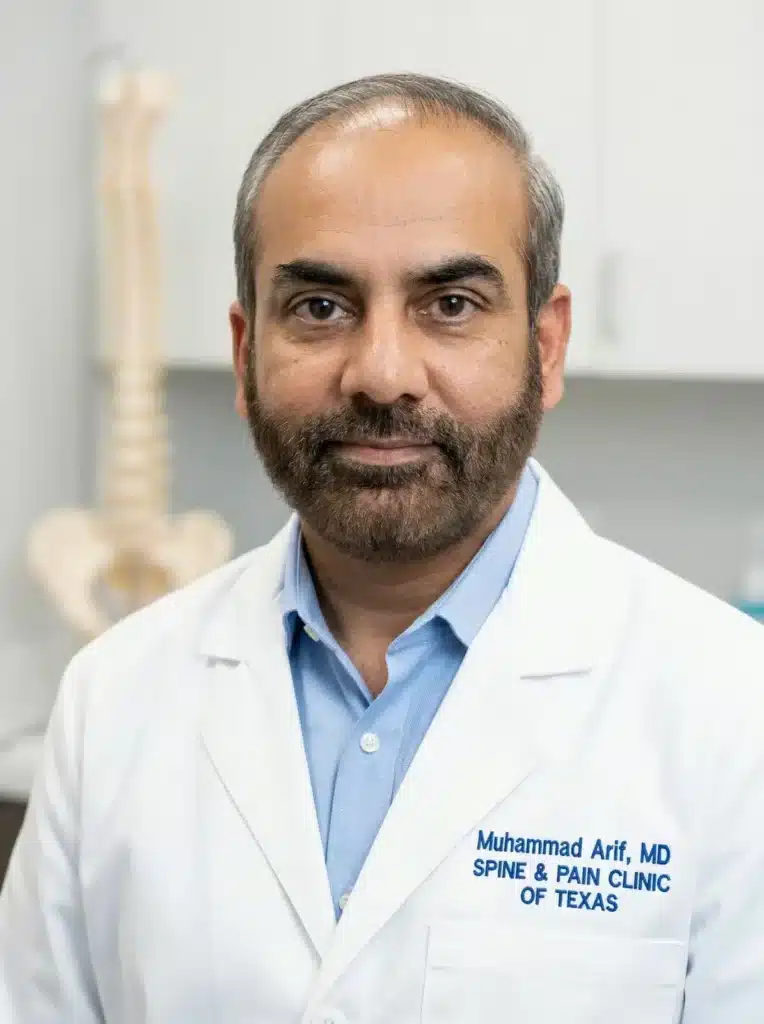
Dr. Muhammad Arif, MD, an interventional pain management specialist, serves all four Texas clinic locations and brings a focused approach to CRPS that requires careful, individualized evaluation. His role is to help you understand your options, set realistic expectations, and build a care plan that fits your situation. You can explore the full range of spinal cord stimulator services in Plano on the clinic’s dedicated procedure page, or browse minimally invasive procedures available.
Pain management in Plano doesn’t have to feel overwhelming. Whether you’re searching for a pain specialist in Texas after years of struggling with CRPS or you’ve recently been diagnosed, a conversation with the team is a reasonable first step.
Taking the Next Step Toward Relief
CRPS pain is real, and it deserves attention from specialists who understand its complexity. Spinal cord stimulation may offer a meaningful path forward for patients who have exhausted conservative approaches and are still dealing with significant daily pain. It’s not the right choice for everyone, but for the right candidate, it can be a turning point in how pain is managed.
The Spine and Pain Clinic of Texas in Plano is just minutes from the Dallas North Tollway and welcomes patients from across the North Dallas area. Dr. Muhammad Arif and the clinic team are available to evaluate your symptoms and help you understand whether SCS or another approach makes sense for your situation. Call (469) 915-5222 or visit the Plano clinic page to request a consultation.
Expert interventional pain care is also available at the clinic’s other Texas locations: Grand Prairie, TX at (469) 680-3886, Longview, TX at (214) 256-3900, and Tyler, TX at (214) 256-3900, so no matter where you are in Texas, specialized interventional care is within reach.
Now Accepting New Patients
Ready to Take the Next Step Toward CRPS Care?
Dr. Muhammad Arif and the team at our Plano, TX clinic are available to evaluate your CRPS symptoms and discuss whether spinal cord stimulation may fit your care plan. Call (469) 915-5222 or book online today.
This article is for educational purposes only and is not a substitute for professional medical advice, diagnosis, or treatment. Always consult a qualified healthcare provider about your specific condition. If you experience severe or sudden symptoms, seek emergency care immediately.