
Ready to take the next step toward better pain relief? Explore personalized Medial Branch Block Plano TX treatment options at Spine & Pain Clinic of Texas. Their experienced team can help evaluate your spinal pain, explain the injection procedure, and recommend suitable treatment options based on your needs. Request an Appointment today or call +1 (469) 915-5222 to schedule your consultation. Take the first step toward improved mobility, lasting comfort, and a better quality of life.
What Is a Medial Branch Block?
A medial branch nerve block is a minimally invasive Diagnostic procedure that helps identify pain originating from the small joints along your spine. These Facet joints connect neighboring vertebrae and support everyday movements. When these joints become irritated, their nerves may transmit persistent pain signals.
During a Medial branch block injection, a physician places a small amount of Local anesthetic near the targeted Medial branch nerves. This medication temporarily interrupts Pain signals traveling toward your brain. The resulting relief helps your physician evaluate whether those nerves contribute to your discomfort.
What Are the Medial Branch Nerves?
Tiny nerves play an important role in how your spine communicates discomfort. Medial branch nerves carry sensory information from the facet joints toward the central nervous system. Each spinal level has nerve branches supplying particular joints. Blocking selected branches helps physicians investigate specific areas of Spinal discomfort.
How Does a Medial Branch Block Injection Work?
The injection works by interrupting pain transmission temporarily. Your physician guides a thin needle toward selected nerve branches using imaging. A small amount of anesthetic numbs the targeted nerves. You can then compare your usual symptoms against your pain levels after treatment.
What Is the Purpose of a Diagnostic Medial Branch Block?
A Diagnostic medial branch block helps determine whether facet joints contribute to your symptoms. Your physician records your baseline pain before administering medication. Afterward, you perform suitable activities and monitor changes. The amount and duration of relief provide useful information for treatment planning.
How Does a Medial Branch Block Help Identify Facet Joint Pain?
Temporary relief offers valuable clues about your pain source. For example, someone experiencing lower back discomfort may notice easier standing or bending. However, the response does not guarantee a diagnosis. Physicians interpret your symptoms, examination, injection technique, and relief pattern together.
Is a Medial Branch Block a Diagnostic Test or a Pain Treatment?
Its primary role is usually diagnostic and prognostic. The injection can provide Temporary pain relief while helping physicians assess whether radiofrequency treatment might work. Some patients receive therapeutic injections under different treatment plans. However, a diagnostic block should not be mistaken for permanent pain control.
What Causes Facet Joint Pain?
Your spine contains several small joints that help control movement. These Facet joints allow bending, twisting, and rotation while supporting spinal stability. However, cartilage deterioration, inflammation, and repeated mechanical stress can irritate their surfaces. Such changes may contribute to Facet joint pain in different spinal regions.
Over time, Facet joint degeneration can develop alongside osteoarthritis or previous injuries. Some people experience stiffness after resting or discomfort during particular movements. Others notice pain after prolonged standing. Because several spinal conditions produce similar symptoms, physicians need a careful Spinal pain diagnosis before recommending treatment.
Understanding the Location and Function of Facet Joints
Your spine has three main regions with facet joints. The Cervical spine supports neck movement, while the Thoracic spine connects with your rib cage. Meanwhile, the Lumbar spine carries substantial body weight. These joints guide movement and prevent excessive spinal rotation during everyday activities.
How Arthritis and Age-Related Changes Affect Facet Joints
Cartilage gradually changes as the body ages. When protective cartilage deteriorates, neighboring joint surfaces may experience additional friction. Cervical arthritis and lumbar osteoarthritis can contribute to stiffness and localized discomfort. These changes may also cause inflammation around affected joints and surrounding tissues.
Can Spinal Injuries and Degenerative Conditions Cause Facet Joint Pain?
Previous injuries can place unusual stress on spinal joints. Sudden twisting, lifting, or impact injuries may irritate their surrounding structures. Conditions such as Cervical spondylosis and degenerative disc disease can also coexist with facet problems. Therefore, physicians consider several possible pain sources.
Common Symptoms of Cervical and Lumbar Facet Joint Pain
Facet-related symptoms often remain around the neck or lower back. Neck discomfort may spread toward the shoulders or upper back. Lumbar symptoms can extend toward the buttocks or thighs. However, pain traveling down a limb may suggest another condition requiring separate evaluation.
How Can Facet Joint Pain Affect Your Daily Activities?
Persistent joint discomfort can interfere with simple routines. You may struggle to look over your shoulder, bend forward, or stand comfortably. Sitting through lengthy meetings might become frustrating. Over time, these limitations can affect sleep, exercise, work, and overall quality of life.
Who Is a Good Candidate for a Medial Branch Block?
Not everyone experiencing back pain needs a nerve block. Physicians usually consider this procedure when symptoms suggest facet-related discomfort. Patients with persistent Chronic spinal pain may qualify after appropriate evaluation. Previous conservative treatments and functional limitations also influence the recommendation.
For patients exploring Chronic back pain treatment or Chronic neck pain treatment, the procedure may provide useful diagnostic information. However, your medical history matters. Existing conditions, medications, neurological symptoms, and previous treatments help determine whether the injection suits your situation.
Signs Your Neck or Back Pain May Come From the Facet Joints
Certain movement patterns may raise suspicion of facet-related discomfort. Pain that increases during spinal extension or rotation deserves attention. Localized tenderness may also provide useful clues. However, these symptoms cannot confirm Facet joint syndrome without further medical assessment.
When Do Doctors Recommend a Medial Branch Block?
Physicians may recommend this injection when persistent symptoms remain despite appropriate conservative care. Physical therapy, activity changes, and medication may form part of earlier treatment. A nerve block becomes relevant when the clinical picture suggests facet involvement and further diagnostic information could guide treatment.
Can You Get a Medial Branch Block for Chronic Back or Neck Pain?
Yes, physicians use these injections to investigate selected cases of chronic neck and lower back pain. A Cervical facet joint syndrome diagnosis may lead to cervical evaluation. Similarly, lumbar facet problems may justify lower spinal testing. Your symptoms determine the targeted levels.
What Medical Tests Help Determine Your Eligibility?
Your evaluation may include a physical examination and review of previous imaging. MRI or CT scans can reveal arthritis, disc changes, and other structural problems. However, these images cannot reliably confirm painful facet joints. A diagnostic block provides additional functional information.
When Might a Medial Branch Block Not Be Recommended?
An injection may need postponement when you have an active infection, certain bleeding risks, or an uncontrolled medical condition. Pregnancy also requires careful consideration because imaging may involve radiation. Your physician reviews these circumstances before selecting an appropriate treatment plan.
What Are the Different Types of Medial Branch Blocks?
Spinal nerve anatomy determines where physicians perform these injections. A Cervical medial branch block investigates suspected neck-related facet pain. A Thoracic medial branch block examines selected mid-back joints. Meanwhile, a Lumbar medial branch block evaluates potential lower back facet problems.
Although the techniques share similar principles, their target locations differ. Each procedure requires an individualized approach to imaging and needle positioning. Your physician selects the appropriate spinal levels after reviewing symptoms, medical history, and examination findings.
Cervical Medial Branch Block for Neck Pain
A Cervical medial branch block targets nerves supplying facet joints within your neck. These joints help control head movement and maintain stability. Physicians may consider this injection when suspected cervical joint problems cause persistent discomfort. Depending on the findings, it may help guide further Spinal pain management.
Thoracic Medial Branch Block for Mid-Back Pain
A Thoracic medial branch block evaluates nerves supplying facet joints in your mid-back. These joints work alongside the rib cage during everyday movement. People with localized thoracic discomfort may undergo evaluation when other causes require investigation. Your physician selects appropriate injection levels based on clinical findings.
Lumbar Medial Branch Block for Lower Back Pain
A Lumbar medial branch block examines nerves supplying lower back facet joints. These structures experience considerable mechanical stress during lifting, walking, and bending. Physicians may recommend the procedure for selected patients with persistent axial lumbar pain. The injection can help determine whether facet nerves contribute to symptoms.
Which Type of Medial Branch Block Is Right for You?
Your symptoms provide the starting point for selecting an injection level. Neck discomfort generally requires cervical evaluation, while mid-back symptoms may involve thoracic joints. Lower back complaints may warrant lumbar assessment. Your physician considers these patterns alongside examination findings and imaging.
Medial Branch Block vs. Facet Injection vs. Epidural: What’s the Difference?
Not every spinal injection targets the same structure. A medial branch block targets nerves supplying facet joints. A Facet joint injection places medication inside or around an affected joint. Meanwhile, an Epidural steroid injection delivers medication into the Epidural space near spinal nerve structures.
Understanding these differences helps you discuss suitable treatment options. Each technique addresses particular pain patterns and clinical goals. For example, facet-related pain may justify diagnostic nerve testing. Certain conditions involving irritated Nerve roots may require a different approach.
Medial Branch Block vs. Facet Joint Injection
The main difference involves the injection target. A medial branch block numbs small nerves supplying the facet joints. A Facet joint injection delivers medication directly into the joint space. Both approaches can provide diagnostic information, but medial branch blocks generally predict response to radiofrequency treatment better.
Medial Branch Block vs. Epidural Steroid Injection
An epidural targets a different anatomical area. An Epidural steroid injection delivers medication near irritated spinal nerve structures. Physicians may consider it when certain conditions cause radiating pain. A medial branch block instead investigates pain coming from facet joints. These procedures are not interchangeable.
Understanding the Difference Between Their Target Areas
Injection location helps explain why these treatments serve different purposes. Medial branch blocks target nerves outside the spinal canal. Facet injections reach the small spinal joints. Epidural injections enter the space surrounding the Spinal cord and nerve roots, although exact placement depends on technique.
Which Injection Is Better for Facet Joint Pain?
Neither procedure is universally better for every patient. A medial branch block often helps evaluate suspected facet pain before possible nerve ablation. Facet injections may suit selected patients with joint inflammation. Your physician chooses an approach according to your diagnosis and treatment goals.
Diagnostic Block vs. Therapeutic Injection
A diagnostic injection answers a clinical question. It temporarily numbs selected nerves so physicians can assess pain changes. A Therapeutic treatment aims to manage symptoms more directly. Medication selection varies by procedure, and a diagnostic block does not automatically include steroid medication.
| Feature | Medial branch block | Facet joint injection | Epidural injection |
|---|---|---|---|
| Injection target | Medial branch nerves | Facet joint | Epidural space |
| Main purpose | Diagnostic evaluation | Joint-related pain management | Selected nerve-related pain |
| Typical medication | Local anesthetic | Anesthetic and sometimes steroid | Anesthetic and/or steroid |
| Potential next step | Radiofrequency ablation | Further joint treatment | Condition-specific treatment |
How Do You Prepare for a Medial Branch Block Procedure?
Good preparation makes your appointment safer and more predictable. Before scheduling your Medial branch block procedure, discuss current medications, allergies, previous reactions, and existing medical conditions. Your physician may also review recent imaging and earlier treatments before confirming the plan.
Instructions can vary depending on sedation and procedural technique. Some patients need temporary fasting, while others do not. Blood-thinning medication also requires individual assessment. Never change prescribed medicines without your physician’s instructions.
What to Tell Your Doctor Before the Injection
Your physician needs an accurate picture of your health. Discuss previous surgeries, medication allergies, bleeding disorders, diabetes, and recent infections. Mention pregnancy concerns when relevant. Also explain where your pain occurs and which activities make it worse.
Medications, Blood Thinners, and Existing Medical Conditions
Blood-thinning medicines can affect procedural bleeding risks. Your care team will decide whether any medication changes are necessary. Diabetes also deserves attention because certain steroid injections may temporarily increase Blood sugar levels. Always follow personalized instructions rather than stopping medication independently.
Do You Need to Stop Eating or Drinking Before the Procedure?
Fasting requirements depend on the procedure and planned sedation. Some patients receive local anesthesia without sedation. Others may need additional medication to remain comfortable. Your clinic will provide specific instructions about eating and drinking before your appointment.
Should You Arrange Transportation Before Your Appointment?
Arranging transportation is a sensible precaution. Sedation can affect coordination, alertness, and reaction time. Many facilities also advise patients against driving for approximately 24 hours. Confirm your clinic’s instructions before arranging a ride home.
Questions to Ask Your Spine Specialist Before Treatment
A useful consultation should leave you comfortable with the treatment plan. Ask which spinal levels require evaluation and why. Discuss expected sensations, possible complications, medication choices, recovery instructions, and how your physician will interpret the results.
What Happens During a Medial Branch Block Procedure?
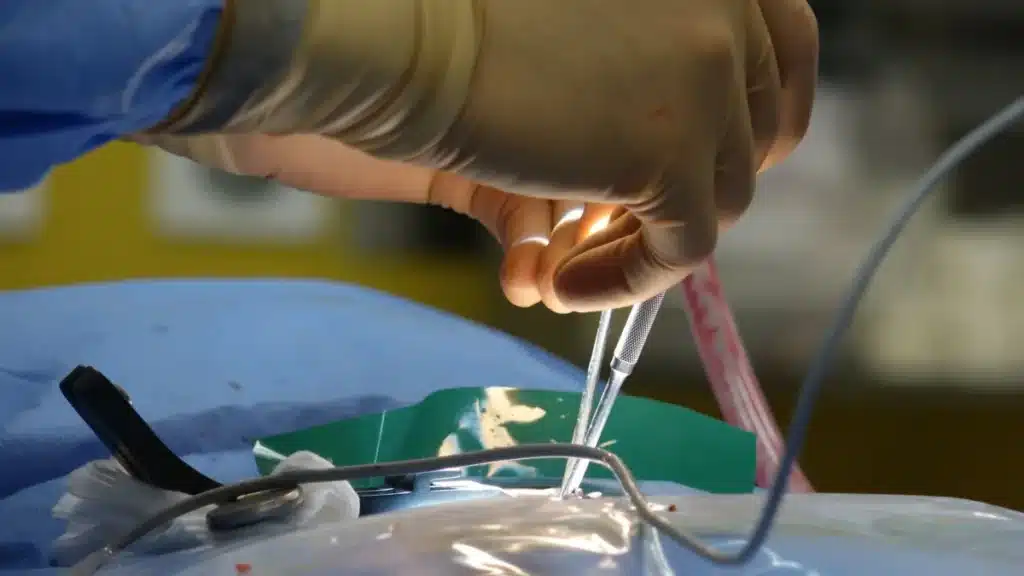
A Minimally invasive procedure usually takes place in an outpatient setting. Patients commonly lie face down while the treatment team prepares the injection area. Throughout the Medial branch block procedure, imaging helps guide the physician toward the selected nerves.
Using Fluoroscopic guidance, your physician carefully positions a thin needle near each target. A small amount of anesthetic then numbs the selected nerves. The procedure usually requires relatively little recovery time. However, the exact experience depends on the number of injection sites.
Step 1: Patient Positioning and Injection Site Preparation
First, you’ll lie comfortably on the procedure table. Your physician identifies the targeted spinal levels and cleans the skin with an antiseptic solution. Sterile coverings help protect the treatment area. The team may also connect monitoring equipment to check your vital signs.
Step 2: Local Anesthesia to Minimize Discomfort
Next, your physician numbs the skin using a small injection. The Local anesthetic reduces discomfort during deeper Needle placement. You might experience a brief sting or burning sensation. Most patients tolerate this preparation without significant difficulty.
Step 3: Fluoroscopic Guidance and Precise Needle Placement
Imaging improves the physician’s ability to identify the target location. During this Fluoroscopy-guided injection, real-time X-ray images guide the needle toward selected nerve branches. This approach supports accurate placement and helps reduce unintended medication spread.
Step 4: Injecting Medication Near the Medial Branch Nerves
After confirming the needle position, your physician delivers a small amount of medication. Sometimes, Contrast dye helps confirm the needle location and medication spread. Diagnostic medial branch blocks generally rely on local anesthetic rather than routine steroid administration.
A Corticosteroid medication may feature in certain separate therapeutic injection plans. However, adding steroid to a diagnostic medial branch block does not provide established additional benefit for predicting radiofrequency treatment response. Your physician determines the appropriate medication for your specific procedure.
Step 5: Post-Procedure Monitoring and Initial Assessment
Once the injection finishes, the team checks your condition before discharge. This Post-procedure monitoring helps identify immediate reactions or temporary weakness. Your physician may ask you to record pain changes during ordinary activities. These observations become useful during follow-up discussions.
How Long Does the Medial Branch Block Procedure Take?
The actual injection often takes approximately 15–30 minutes, although timing varies. Preparation and observation add additional time. You may leave the facility after the team confirms you’re stable. Sedation, multiple treatment levels, and individual medical needs can change the schedule.
Is a Medial Branch Block Painful?
Most patients experience manageable discomfort rather than severe pain. The skin-numbing injection may sting briefly, while deeper needle movement can create pressure. Tell your physician immediately if you experience sharp or unusual pain. Your comfort matters throughout the procedure.
What Are the Side Effects and Risks of a Medial Branch Block?
Like other injections, medial branch blocks carry some potential risks. Most patients experience only mild, temporary reactions. However, understanding Medial branch block side effects helps you recognize unusual symptoms. Your physician considers your medical history before deciding whether treatment is appropriate.
Common reactions include tenderness, bruising, and temporary discomfort around the needle location. Rare complications may include infection, bleeding, allergic reactions, or Nerve damage. Serious complications are uncommon, but prompt medical attention matters when concerning symptoms develop.
Common Temporary Side Effects After a Medial Branch Block
Mild Injection site soreness may develop after treatment. Some patients notice bruising, dizziness, or temporary numbness. A small Injection site reaction can also occur. These symptoms usually improve without extensive intervention, although persistent or worsening discomfort deserves medical review.
Can a Medial Branch Block Cause Increased Pain?
Some patients notice a temporary pain flare after injection. Needle irritation, local tissue sensitivity, or the return of untreated pain may contribute. Occasionally, discomfort increases for a day or two. However, severe or progressively worsening pain should never be ignored.
Rare Complications Such as Infection, Bleeding, or Nerve Injury
Serious complications remain uncommon, particularly when physicians follow sterile techniques and image-guided precautions. Nevertheless, infection, significant bleeding, allergic reactions, and nerve irritation can occur. Contact your physician promptly if redness, fever, unusual swelling, or worsening neurological symptoms appear.
Why Might You Experience Temporary Numbness or Weakness?
Temporary numbness or weakness may occur when medication affects nearby structures. This can sometimes happen after injections around cervical or lumbar nerves. Most mild effects resolve as medication wears off. However, new or persistent weakness needs immediate professional assessment.
When Should You Contact Your Doctor After an Injection?
Do not wait when symptoms suggest a serious complication. Seek urgent medical evaluation for progressive weakness, severe headache, fever, or loss of bladder or bowel control. These problems require prompt assessment rather than routine follow-up. Your clinic should provide emergency contact instructions before discharge.
Medial Branch Block Recovery: How Long Does Relief Last?
Most patients experience relatively brief initial recovery. The Medial branch block recovery period often involves mild soreness and temporary restrictions. However, diagnostic pain relief usually lasts only while the local anesthetic remains effective. This temporary response provides information rather than guaranteeing lasting improvement.
Your Medial branch block recovery time depends on the injection type, medication, and individual response. Some patients resume normal activities within a day or two. Your physician may recommend avoiding strenuous exercise temporarily. Follow your clinic’s instructions instead of relying on general timelines.
What to Expect During the First Few Hours After Injection
Immediately after treatment, you may notice reduced pain around the targeted area. This improvement usually reflects the anesthetic effect. Your physician may ask you to perform suitable movements and record changes. Once the medication wears off, your original discomfort may return.
How Long Does a Medial Branch Block Last?
A diagnostic block generally provides relief for several hours. The exact duration depends on the anesthetic used and individual response. A longer-lasting therapeutic injection may produce a different outcome. Therefore, temporary relief should not be confused with permanent facet joint treatment.
Medial Branch Block Recovery Time: When Can You Return to Normal Activities?
Many patients return to regular routines within one or two days. Mild tenderness may continue around the injection site. Your physician may recommend gentle movement while avoiding heavy lifting temporarily. Always follow the specific recovery instructions provided by your treatment team.
Can You Drive, Work, or Exercise After a Medial Branch Block?
Driving restrictions depend on facility instructions and whether sedation was used. Many clinics recommend avoiding driving for 24 hours. Desk work may resume sooner than physically demanding duties. Likewise, strenuous workouts should wait until your physician considers them appropriate.
Why Is Keeping a Pain Diary Important After Injection?
A pain diary helps your physician understand how the injection affected your symptoms. Record your baseline pain and subsequent changes at recommended intervals. Note activities such as walking, sitting, and bending. Also document how long any improvement continues after treatment.
What If Your Medial Branch Block Doesn’t Provide Pain Relief?
Little or no improvement may suggest that the targeted facet joints are not responsible for your symptoms. However, injection accuracy and other clinical factors also matter. Your physician may reconsider the diagnosis or investigate different spinal structures before recommending another treatment.
What Happens If a Medial Branch Block Works?
A meaningful positive response provides evidence that targeted nerves contribute to your discomfort. Your physician may discuss additional diagnostic testing or further treatment. However, the amount of relief required varies by clinical guidelines, insurance policies, and individual circumstances.
When Is Radiofrequency Ablation Recommended After a Medial Branch Block?
When diagnostic blocks support facet-related pain, Radiofrequency ablation may become a treatment option. This procedure uses controlled heat to disrupt selected nerve signals. Another term is Radiofrequency neurotomy. It may provide longer-lasting relief for suitable patients, although results vary.
Medial Branch Block Plano TX: Frequently Asked Questions
Finding clear answers can make your treatment decisions easier. Patients considering Medial Branch Block Plano TX services often ask about pricing, insurance, recovery, and expected results. The following answers address common concerns while explaining why individual medical advice remains essential.
Every patient has different symptoms and treatment needs. Therefore, your physician should explain the procedure according to your medical history. A consultation also helps clarify insurance requirements, follow-up appointments, and possible next steps.
How Much Does a Medial Branch Block Cost in Plano, TX?
The total cost depends on the injection levels, facility charges, physician fees, and insurance coverage. Imaging and sedation may affect expenses too. Contact your clinic for an individualized estimate before scheduling. Also ask whether prior authorization is required.
Does Insurance Cover Medial Branch Block Injections?
Many insurance plans cover medically necessary diagnostic injections when their requirements are satisfied. However, coverage varies by insurer and policy. Some plans require conservative treatment records, specific relief thresholds, or prior authorization. Verify your benefits directly before receiving treatment.
How Many Medial Branch Block Injections Do You Need?
Some patients need one diagnostic block, while others undergo additional testing. Requirements depend on physician judgment and applicable insurance policies. Your response to the initial injection helps guide decisions. There is no universal injection schedule for every patient.
Can You Walk After a Medial Branch Block?
Most patients can walk after the procedure once the medical team confirms they’re stable. However, temporary numbness or weakness may require additional observation. Avoid pushing yourself immediately afterward. Follow the discharge instructions provided by your treatment team.
Can You Return to Work the Day After the Procedure?
Many patients return to desk-based work the following day. Physically demanding occupations may require additional recovery time. Sedation and temporary soreness can also affect readiness. Your physician can recommend a suitable return-to-work schedule.
Why Does My Back Hurt More After a Medial Branch Block?
Temporary pain increases may occur because of needle irritation or local inflammation. The original pain may also return once the anesthetic wears off. Mild soreness often settles within a few days. Severe or worsening symptoms require medical assessment.
Is Temporary Leg Weakness Normal After a Lumbar Medial Branch Block?
Some patients experience temporary weakness or altered sensation following an injection. However, significant weakness is not something to ignore. Contact your physician promptly and avoid walking without support. Progressive weakness or other neurological changes require urgent medical evaluation.
Can a Medial Branch Block Help With Chronic Neck Pain?
It may help identify facet-related sources of persistent neck discomfort. A cervical injection targets nerves supplying selected neck joints. However, other conditions can produce similar symptoms. Your physician must determine whether the cervical facet joints explain your particular pain pattern.
What Is the Next Treatment If a Medial Branch Block Is Successful?
A successful diagnostic response may support consideration of radiofrequency ablation. This treatment targets the nerves responsible for carrying pain messages. Your physician reviews diagnostic results, medical history, and treatment eligibility before recommending the next step.
Get Expert Medial Branch Block Treatment in Plano, TX
Persistent spinal discomfort deserves a careful and individualized evaluation. Understanding your symptoms and identifying their source can help guide appropriate care. A Spine pain specialist Plano TX consultation may help determine whether diagnostic injections or other treatments suit your needs. The goal is a practical plan that supports better movement and daily comfort.
The Advanced Spine Center provides Orthopedic spine care in Plano, Texas. Its approach emphasizes modern evaluation and Patient-centered care for people experiencing spinal conditions. Patients seeking a Minimally invasive spine treatment option can discuss available services and determine whether a medial branch block fits their clinical needs.
Medical information note: This article provides general educational information, not an individual diagnosis or treatment recommendation. A qualified healthcare professional should review your symptoms, medical history, and treatment options before any spinal injection.
Conclusion: Find the Right Medial Branch Block Treatment in Plano, TX
Living with persistent back or neck pain can make everyday activities challenging. Fortunately, a medial branch block injection can help identify whether facet joints contribute to your discomfort. Understanding the procedure, potential risks, and recovery process helps you make informed decisions about your care.
Frequently Asked Questions About Medial Branch Block Plano TX
Choosing a spinal injection often brings additional questions. Understanding the diagnostic process, medication choices, and follow-up requirements can make your decision easier. Here are some additional questions patients commonly ask before considering treatment.
Is an MRI Enough to Confirm Facet Joint Pain?
No. An MRI can reveal arthritis and structural changes but cannot reliably confirm painful facet joints. Your physician combines imaging findings with your medical history, examination, and diagnostic block results to evaluate the suspected pain source.
Does Every Medial Branch Block Contain Steroids?
No. A diagnostic medial branch block generally uses a small amount of local anesthetic to temporarily interrupt pain signals. Some therapeutic approaches may include steroids, but medication selection depends on the procedure’s purpose and your physician’s treatment plan.
Do You Need Sedation During a Medial Branch Block?
Most patients do not require sedation for this procedure. However, physicians may consider it for certain medical or personal circumstances. Excessive sedation can affect diagnostic results because it changes how you perceive pain during the evaluation.
Should You Stop Taking Blood Thinners Before the Injection?
Never stop blood-thinning medication without medical advice. Your physician evaluates your medication, bleeding risk, and overall health before providing instructions. Some patients can continue their regular medicines, while others may require an individualized plan.
How Many Diagnostic Blocks Are Required Before Radiofrequency Ablation?
The number varies according to clinical judgment, treatment guidelines, and insurance requirements. Some patients undergo additional diagnostic testing before ablation. Your physician explains the recommended approach and the pain-relief criteria used to interpret your results.
What Should You Record After a Medial Branch Block?
Record your pain levels before and after the injection. Note changes during walking, sitting, standing, and other normal activities. Also document how long relief lasts and whether you need additional pain medication. This information helps your physician evaluate the response.