
Persistent neck or back pain can make everyday activities difficult, from sitting at work to enjoying time with family. When a damaged spinal disc continues causing symptoms despite appropriate treatment, disc replacement may be worth discussing with a spine specialist.
This procedure removes the affected disc and inserts an artificial implant designed to maintain space and allow movement at the treated level. However, it is not suitable for everyone, and results depend on careful diagnosis and patient selection. If you are exploring disc replacement in Plano, TX, this guide explains the procedure, possible benefits, risks, and recovery considerations so you can prepare informed questions for your consultation and care options.
Ready to explore your options for lasting pain relief? Visit Spine & Pain Clinic of Texas to discuss your symptoms and discover personalized treatment options in Plano. Their team can help you understand available approaches to managing back and neck pain. Request an Appointment today or call +1 (214) 256-3900 to schedule your consultation. Take a positive step toward improved mobility, greater comfort, and a better quality of life.
1: What Is Disc Replacement Surgery?
Your spinal discs work like natural shock absorbers between the bones of your backbone. They support movement, distribute pressure, and help maintain comfortable Spinal flexibility. Each disc sits between two Vertebral bodies and contains a strong outer layer surrounding a softer center. When a disc becomes damaged or worn, everyday movements can become painful.
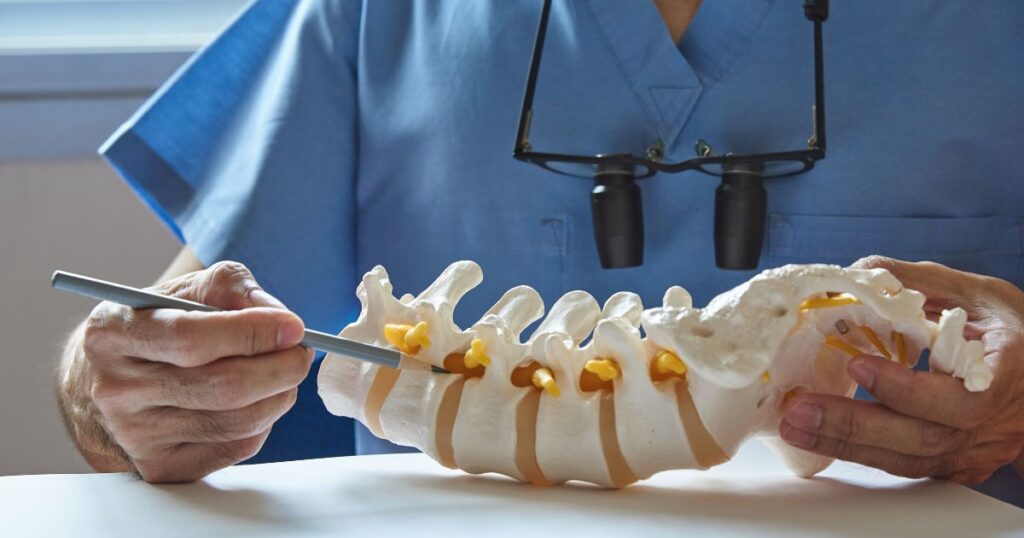
Disc replacement is a surgical procedure that removes a damaged spinal disc and places an artificial implant in its position. Doctors also call this procedure Total disc replacement (TDR) or Total disc arthroplasty. The implanted device restores spacing between the vertebrae while allowing movement at the treated level. Its design aims to imitate some functions of a healthy natural disc. Unlike fusion, it does not depend on permanently joining the surrounding bones. The American Academy of Orthopaedic Surgeons explains this motion-preserving approach</a> in its patient guide.
How Does an Artificial Disc Implant Work?
An artificial implant replaces the damaged disc structure with a mechanical device. Depending on its design, it may contain metal endplates and a medical-grade plastic or polymer core. Other devices use different combinations of materials. The surgeon selects an appropriate Artificial disc implant based on the spinal level, anatomy, and approved device indications. Once positioned, the implant provides support between the bones and allows controlled movement.
A Prosthetic disc device does not work exactly like natural spinal tissue. However, it aims to maintain spacing and support bending, turning, and other movements. Its performance depends on proper sizing, stable bone support, and accurate placement. Patients should understand that an implant cannot reverse every effect of spinal degeneration. It also cannot guarantee complete pain relief or restore every movement lost before surgery.
Why Is Disc Replacement Considered a Motion-Preserving Procedure?
Traditional fusion removes a damaged disc and joins the nearby vertebrae. This approach prevents movement at the treated level. Artificial replacement follows a different path by maintaining controlled motion between those bones. Doctors therefore describe it as a Motion-preserving procedure that supports Spinal motion preservation.
Keeping movement at one spinal level may offer an advantage for carefully selected patients. However, preserving motion does not eliminate every risk involving nearby discs. Adjacent levels can still develop age-related changes or degeneration. Your surgeon must consider the health of the entire spine before recommending surgery. The goal is to choose a treatment that addresses your pain while supporting your long-term function.
2: What Conditions Can Artificial Disc Replacement Treat?
Not every painful spinal condition requires an operation. However, certain damaged discs can cause persistent symptoms despite appropriate nonsurgical care. Degenerative disc disease is one condition doctors may evaluate when considering artificial disc replacement. It develops as spinal discs lose water content, height, or structural strength over time. These changes can contribute to stiffness, inflammation, and discomfort during normal activities.
A Degenerated disc may also develop cracks or lose its ability to distribute pressure evenly. Some patients experience pain mainly in their neck or lower back. Others develop nerve-related symptoms when disc material or nearby bone structures irritate spinal nerves. A Herniated disc can cause this problem, although the presence of a herniation alone does not make someone suitable for disc replacement. The surgeon must identify the actual pain source and determine whether the damaged disc fits an approved surgical indication.
Degenerative Disc Disease and Persistent Spinal Pain
Degenerative disc disease can affect different regions of the spine. In the neck, it may contribute to Chronic neck pain, stiffness, or discomfort extending into the shoulders. In the lower back, it may cause Chronic back pain that worsens after prolonged sitting, bending, or lifting. Symptoms differ between individuals, even when imaging shows similar disc changes.
Some patients experience pain during specific movements rather than constantly. Others report stiffness after waking or discomfort after standing for extended periods. A doctor considers these patterns alongside imaging findings and physical examination results. Surgery becomes a possible discussion when the symptoms match a damaged disc and other suitable treatments have not provided enough improvement.
Herniated Discs and Nerve Compression
A herniated disc occurs when its inner material pushes through a weakened outer layer. Depending on its location, this material may irritate a nearby nerve root or contribute to spinal cord compression. Patients may notice tingling, numbness, weakness, or pain traveling into an arm or leg. These symptoms suggest possible nerve involvement rather than ordinary muscular discomfort.
Nevertheless, different herniated discs require different treatments. Some improve with medication, physical therapy, activity changes, or injections. Others need surgery to remove pressure from affected nerves. For selected cervical patients, disc replacement may follow removal of the damaged disc. Lumbar replacement has narrower indications and is generally considered for carefully selected patients with disc-related back pain. The surgeon must distinguish Disc-related pain from isolated nerve compression before recommending an implant.
3: What Is the Difference Between Cervical and Lumbar Disc Replacement?
The location of your damaged disc determines which type of surgery your doctor may consider. Cervical disc replacement treats selected damaged discs in the neck. Lumbar disc replacement addresses certain painful conditions affecting the lower spine. Both procedures replace damaged disc material with an artificial implant. However, their surgical access routes, eligibility rules, and recovery requirements can differ considerably.
The cervical spine supports your head and allows movements such as turning and bending. The lumbar spine carries much of your body’s weight and supports bending, lifting, and walking. Therefore, surgeons evaluate these areas differently. They also consider the surrounding joints, spinal curves, nerve structures, and mechanical demands before recommending surgery.
| Comparison | Cervical disc replacement | Lumbar disc replacement |
|---|---|---|
| Spinal region | Neck | Lower back |
| Common symptoms | Neck pain, arm pain, numbness | Lower back pain and selected leg symptoms |
| Surgical access | Usually through the front of the neck | Usually through the front of the abdomen |
| Main objective | Relieve nerve pressure and preserve neck movement | Relieve disc-related pain and preserve lumbar movement |
| Recovery considerations | Swallowing, neck movement, and wound care | Walking, abdominal incision care, and lifting restrictions |
| Eligibility | Depends on the device and cervical diagnosis | Depends on disc levels, bone health, and lumbar diagnosis |
Cervical Disc Replacement for Neck and Arm Pain
Cervical surgery commonly addresses damaged discs between the neck vertebrae. A herniation or bone spur may compress a nearby nerve or the spinal cord. This pressure can produce pain, numbness, weakness, or coordination problems. In selected cases, the surgeon removes the damaged disc and inserts an implant to restore spacing while maintaining movement.
The FDA has approved different cervical disc systems with specific indications. For example, the Simplify artificial disc has approval for selected one-level or two-level cervical procedures. The Synergy Disc received FDA approval in 2026 for a specific one-level indication. These details matter because different implants have different eligibility requirements. Your surgeon should explain which device is appropriate and whether your condition meets its approved labeling. Lumbar Disc Replacement for Lower Back Pain
Lumbar surgery focuses on selected discs in the lower portion of the spine. It may help patients whose persistent pain comes from one or two appropriately diagnosed degenerative levels. The objective is to replace the painful disc while retaining movement between the affected vertebrae. However, surgeons must carefully examine the surrounding joints and bone structures before choosing this option.
Lumbar implants have specific restrictions involving spinal levels and patient health. For example, FDA-approved ProDisc-L labeling covers selected patients with degenerative disc disease at one or two adjacent levels from L3 to S1. It also requires a suitable medical history and failure of at least six months of nonsurgical care. Other devices may have different requirements. The patient information explains these device-specific conditions.
Single-Level vs. Two-Level Disc Replacement
A single-level procedure replaces one damaged disc between two vertebrae. A two-level procedure replaces two adjacent discs when both areas meet the relevant clinical and device requirements. Treating additional levels can make surgical planning more complex. Surgeons must assess bone quality, spinal stability, and the condition of nearby joints.
More extensive surgery does not automatically provide better results. Some patients need treatment at only one level, while others may require a different approach altogether. The surgeon compares your symptoms with imaging results before making a recommendation. The number of implants should reflect your actual diagnosis rather than an assumption that replacing more discs will solve more pain.
4: Who Is a Good Candidate for Disc Replacement Surgery?
Choosing the right patient is one of the most important parts of successful spine surgery. A person may have visible disc degeneration but still need no operation. Good Patient eligibility depends on several factors, including pain location, spinal stability, bone strength, and overall health. Doctors also check whether the affected disc explains the symptoms you experience.
Many candidates have persistent pain linked to a clearly identified damaged disc. They have usually tried appropriate nonsurgical options without achieving satisfactory improvement. Some cervical patients also have nerve compression caused by a herniation or bone spurs. Lumbar candidates generally need a specific pattern of disc-related lower back pain. The exact criteria depend on the implant’s FDA-approved labeling and the surgeon’s clinical assessment.
When Conservative Treatments Are No Longer Effective
Doctors usually begin with nonsurgical care unless urgent neurological problems require faster intervention. Conservative treatment may include physical therapy, medication, activity modification, and selected spinal injections. These approaches can reduce inflammation, improve strength, and help patients manage painful movements. Many people improve without requiring an operation.
However, persistent symptoms may justify another evaluation. For example, someone with confirmed disc-related pain may continue struggling despite a structured rehabilitation plan. A patient with worsening weakness may need more urgent assessment. Cervical and lumbar implant requirements differ, so there is no single waiting period that applies to everyone. Certain cervical devices require at least six weeks of nonsurgical care, while ProDisc-L requires at least six months under its labeling.
Medical Conditions That May Affect Eligibility
Bone health plays a major role in implant stability. Osteoporosis can weaken the bones that support the artificial device. Poor bone quality increases concerns about implant support and fixation. Surgeons also evaluate severe facet joint disease, spinal deformity, and significant instability before considering an operation.
Other concerns include active infections, certain autoimmune diseases, and allergies to implant materials. Spondylolisthesis, which involves one vertebra slipping relative to another, may also affect eligibility. Previous spinal operations or significant Vertebral fractures can change the available surgical options. These conditions do not all create identical restrictions for every device. Your surgeon must compare your medical history with the specific implant labeling.
Who Should Avoid Artificial Disc Replacement?
Patients with advanced joint degeneration may not benefit from a motion-preserving implant. Severe damage to the facet joints can remain painful even after replacing the central disc. Significant spinal instability or poor bone strength may also make the implant unsuitable. In these situations, another treatment may provide a more appropriate solution.
Patients whose pain mainly comes from unrelated conditions also need a different treatment plan. Examples include certain spinal deformities, severe spinal stenosis, or isolated nerve compression. Previous Abdominal surgery may complicate the access route for lumbar replacement. However, a previous operation does not automatically rule out every patient. A detailed medical assessment helps identify the safest practical option.
5: What Tests Are Needed Before Disc Replacement Surgery?
Before recommending an operation, doctors need to understand exactly where your symptoms originate. A Medical evaluation combines your health history, physical examination, and diagnostic imaging. The purpose is to confirm that a damaged disc matches your symptoms. Imaging alone cannot establish whether an artificial implant will improve your condition.
Your assessment may include different tests depending on the suspected spinal problem. MRI scans show discs, nerves, and other soft tissues. X-rays help doctors examine bone alignment and movement. CT scans provide detailed views of bone structures and joint changes. Additional tests may help assess bone density or other medical risks. The AAOS lumbar disc replacement guide discusses several imaging tests used during candidate evaluation.
MRI Scans for Identifying Disc Damage
MRI is particularly useful because it shows soft tissues inside the spine. It can reveal disc dehydration, herniation, nerve compression, and changes around the spinal cord. Doctors compare these findings with your symptoms and examination results. A disc abnormality that does not match your pain may not explain the problem.
MRI findings also help identify other conditions that may need attention. These can include spinal stenosis, tumors, infections, or significant tissue changes. In cervical cases, doctors examine whether nerve roots or the spinal cord face pressure. For lumbar patients, the surgeon checks whether symptoms truly come from the proposed replacement level. This careful comparison prevents treatment decisions based only on a scan.
CT Scans, X-Rays, and Spinal Stability
X-rays provide useful information about bone position and overall Spinal alignment. Standing images show how the spine supports body weight. Flexion and extension views may reveal abnormal movement or instability. These images help surgeons evaluate disc spacing and the relationship between nearby vertebrae.
CT scans provide clearer details of bone structure and joint surfaces. Doctors may use them to assess the Facet joints, bone spurs, or previous fractures. They may also examine the shape and size of the vertebral endplates. This information helps guide implant selection and placement. If bone weakness is suspected, a bone density scan may provide additional evidence about surgical suitability.
Bone Density and Other Medical Checks
Bone density testing can help identify osteoporosis or weakened bone tissue. Strong supporting bones matter because an implant needs stable contact with the vertebrae. Your surgeon may also review blood tests, medications, smoking history, and existing medical conditions. These details help the surgical team plan around possible risks.
Doctors do not order every test for every patient. Testing depends on your age, health history, examination findings, and proposed procedure. Some patients may need a cardiac assessment before anesthesia. Others may require additional imaging to clarify a complicated diagnosis. The purpose is simple: confirm the diagnosis, understand the risks, and prepare a treatment plan that fits your needs.
6: How Is Disc Replacement Surgery Performed?
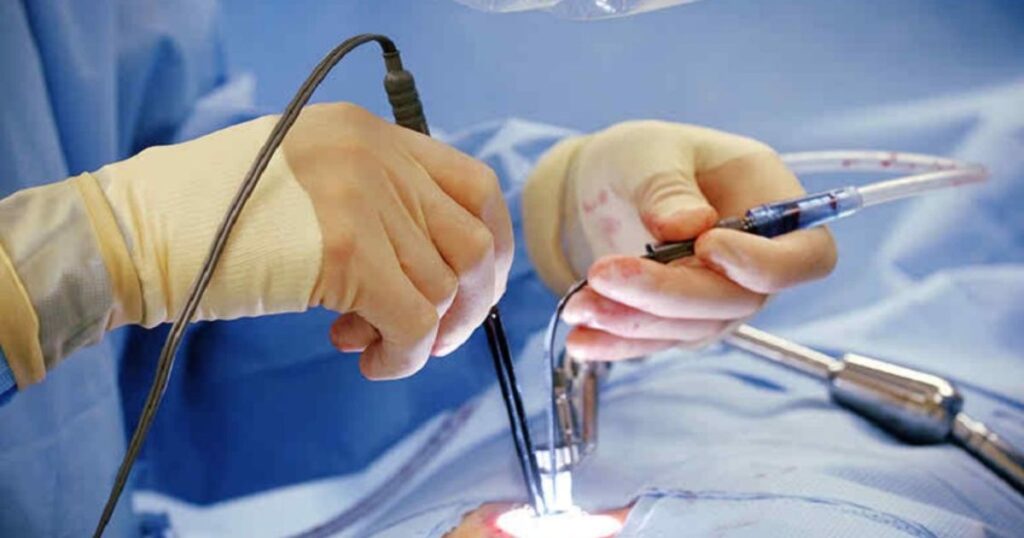
Although the procedure varies by spinal region, the overall objective remains similar. The surgeon removes the damaged disc and prepares the space for an artificial implant. The team then checks the implant’s size, placement, and stability. Accurate Implant positioning matters because the device must fit the treated level and support proper movement.
Most procedures take place in a hospital or specialized surgical center. Patients receive General anesthesia so they remain asleep throughout the operation. The surgical team monitors vital signs and follows a planned sequence. The exact technique depends on the spinal region, implant design, and individual anatomy. Your surgeon should explain the proposed approach before you consent to surgery.
Preparing for Artificial Disc Replacement Surgery
Preparation often begins with a review of medications and medical conditions. Your doctor may adjust certain medicines before the operation. You will also receive instructions about eating, drinking, and arriving at the hospital. Smoking cessation may be recommended because tobacco can affect healing and overall surgical risk.
The team may discuss expected hospital arrangements and support after discharge. You should understand wound care, movement restrictions, and medication instructions before going home. Planning ahead also helps with everyday needs. Arrange transportation and assistance with activities that may be difficult during early recovery. Never stop prescription medication without instructions from your medical team.
The Anterior Surgical Approach and Disc Removal
Lumbar replacement commonly uses an Anterior surgical approach, meaning the surgeon accesses the spine from the front of the body. The Surgical incision is usually made in the abdominal area. Nearby organs and Blood vessels are carefully moved aside to expose the affected disc space. A vascular surgeon may assist with access when appropriate.
After reaching the disc, the surgeon removes the damaged material and prepares the surrounding surfaces. In cervical surgery, the access point is usually at the front of the neck. The surgical team moves nearby soft tissues carefully before removing the damaged disc. Although the route differs, both procedures require careful protection of nearby nerves and blood vessels.
Inserting and Positioning the Artificial Disc
Once the damaged disc has been removed, the surgeon measures the remaining space. The team selects an implant that matches the patient’s anatomy and the device requirements. Proper sizing helps restore disc height and support balanced movement. The implant is then placed between the prepared vertebral surfaces.
Imaging may confirm the device’s location before the surgeon closes the incision. The team checks its fit and relationship with the nearby bones. Once the procedure is complete, staff transfer the patient to a Recovery room for monitoring. The length of the operation and hospital stay varies by spinal level, medical needs, and surgical complexity.
7: Disc Replacement vs. Spinal Fusion: What Are the Benefits and Differences?
Patients often compare artificial replacement with Spinal fusion surgery before choosing an operation. Both procedures can address selected painful spinal conditions. However, they use different methods to manage the damaged level. Replacement places a mechanical disc between the vertebrae, while fusion aims to join them into one solid structure.
A traditional Discectomy and fusion removes damaged disc material and stabilizes the area using bone grafts and implants. Over time, the bones are expected to grow together. Replacement instead aims to preserve movement between the treated vertebrae. Neither option suits every diagnosis. Your surgeon should explain the expected benefits, risks, and limitations of each approach.
Benefits of Preserving Spinal Motion
One potential advantage of artificial replacement is maintaining movement at the treated level. This may help patients retain more natural bending and turning than a fusion allows at that specific location. The procedure also avoids relying on bone growth across the treated disc space. However, the implant still needs stable bone attachment and proper healing around its surfaces.
Some patients may also benefit from reduced mechanical stress on nearby spinal levels. Fusion changes movement at the operated segment, which may influence forces elsewhere. Researchers continue to study how motion-preserving surgery affects neighboring discs over time. Importantly, preserving movement does not guarantee freedom from future degeneration. It also does not promise that your pain will disappear completely.
Understanding Adjacent Segment Disease
Adjacent segment disease describes problems that develop in spinal levels next to a previously treated area. These changes can involve disc degeneration, nerve compression, or other structural issues. Fusion may alter the movement and loading patterns around the operated level. This is one reason some surgeons consider replacement for suitable patients.
However, Adjacent segment disease can develop for several reasons. Natural aging, genetics, existing degeneration, and spinal mechanics all play a role. Artificial replacement cannot prevent every future problem in nearby discs. Some research suggests motion-preserving procedures may offer advantages for selected patients. The evidence varies by device, spinal region, and length of follow-up. Your decision should reflect realistic expectations rather than a promise of complete protection.
Comparing Disc Replacement and Fusion
The best procedure depends on your spinal anatomy and the source of pain. Some patients have healthy surrounding joints and stable vertebrae, making replacement worth discussing. Others have severe facet damage, instability, or poor bone quality. These factors may favor another surgical strategy.
| Factor | Disc replacement | Spinal fusion |
|---|---|---|
| Main goal | Replace the damaged disc and retain movement | Stabilize the level by joining vertebrae |
| Movement at treated level | Designed to allow controlled movement | Intentionally stops movement |
| Bone graft | Usually not required for the replacement itself | Commonly used |
| Implant | Artificial disc | Graft, screws, plates, or cages may be used |
| Possible advantage | Preserves movement at the treated level | Provides stability when motion is a problem |
| Main limitation | Not suitable for every spinal condition | Permanently removes movement at the fused level |
A thorough discussion should include the expected Long-term outcomes for your particular diagnosis. Ask about revision risks, recovery requirements, and how each operation may affect your daily activities. Your age and Activity level can also influence treatment planning. The right decision is the one that best matches your condition, not simply the procedure with the most appealing description.
8: What Are the Risks and Potential Complications of Disc Replacement?
Every operation carries potential risks, even when an experienced surgical team performs it. Surgical complications may arise from anesthesia, infection, bleeding, or injury to nearby structures. Some patients also experience persistent discomfort or slower-than-expected healing. Your surgeon should explain the risks specific to your spinal region and selected implant.
The chance of a complication depends on your health, anatomy, and surgical circumstances. Certain risks relate to the front-facing access route. Others involve the implant itself or the body’s response to the new device. Understanding these concerns helps you prepare and recognize warning signs. It also gives you an opportunity to discuss any personal risk factors before surgery.
Common Surgical Risks and Side Effects
General surgical risks include infection, blood loss, blood clots, and reactions to anesthesia. Cervical surgery may cause temporary swallowing difficulty, throat discomfort, or a hoarse voice. These symptoms can occur because the surgeon works near structures in the front of the neck. Serious nerve or spinal cord injury is less common but remains an important risk.
Lumbar replacement involves access through the abdominal region. Because major vessels and nearby structures sit close to the spine, injury can occur during exposure. Some complications may also affect surrounding nerves or organs. Patients should discuss personal concerns, including previous abdominal procedures, with the surgical team. provides a device-specific discussion of cervical surgical risks.
Implant Failure, Movement, and Abnormal Bone Growth
Artificial implants can loosen, shift, wear, or break over time. These problems are generally described as Implant failure or device-related complications. A poorly fitted implant may also cause discomfort or unwanted changes in movement. Proper device selection and careful placement help reduce avoidable problems, but they cannot remove every risk.
Another concern is heterotopic ossification, which means bone forms in soft tissue around the artificial disc. This growth may limit movement and sometimes reduce the intended benefit of replacement. Patients should understand Artificial disc longevity is not guaranteed. An implant may function for many years, but its lifespan depends on the device, mechanical demands, and individual circumstances. Some patients may eventually require additional treatment or revision surgery.
When Might Revision Surgery Be Necessary?
Revision surgery may become necessary if the implant moves, wears out, or causes ongoing problems. A surgeon may also consider another procedure when pain continues despite adequate healing. Before recommending revision, the doctor must identify the cause of persistent symptoms. Further imaging and clinical testing can help determine whether the implant or another condition is responsible.
Not every patient with discomfort needs another operation. Some symptoms improve with medication, rehabilitation, or other targeted care. However, new weakness, worsening numbness, fever, wound drainage, or severe pain requires prompt medical advice. Contact your surgical team when symptoms change unexpectedly. Early assessment can help identify a problem before it becomes more difficult to manage.
9: What Is the Recovery Timeline After Disc Replacement Surgery?
Recovery depends on the spinal region, implant, and your overall health. Patients often begin gentle movement sooner than they expect. However, early mobility does not mean unrestricted activity. Your Postoperative recovery plan should balance safe movement with protection of the healing tissues and implant.
Some cervical patients leave the hospital on the day of surgery or after an overnight stay. Lumbar patients may remain in the hospital for one to three days, depending on their progress. These are general patterns rather than fixed promises. The surgeon decides when you can go home based on pain control, walking ability, and medical stability. AAOS provides further information about typical lumbar recovery in its patient guide.
The First 24–48 Hours After Surgery
Immediately after surgery, medical staff monitor your breathing, circulation, pain, and neurological function. You may receive medication as part of your Pain management plan. Nurses also check the incision and help you begin safe movement. Many patients are encouraged to stand or walk with assistance once the surgical team considers it appropriate.
Your first movements may feel uncomfortable, but gentle activity supports circulation and general recovery. Lumbar patients may need additional guidance about abdominal incision care and body movements. Cervical patients may notice temporary throat discomfort or swallowing changes. Follow the instructions provided by your surgical team. Report severe pain, new weakness, breathing problems, or other concerning symptoms without delay.
The First Few Weeks of Recovery
During the early weeks, walking often becomes an important part of rehabilitation. Short, regular walks may help restore endurance without placing unnecessary stress on the surgical area. Your doctor may recommend limits on lifting, twisting, bending, or driving. These restrictions depend on the operation and how well you are healing.
Incision care also matters during this stage. Keep the wound clean and follow instructions about showering, dressings, and bathing. Avoid strenuous Physical activity until your surgeon approves it. Do not judge recovery only by how the incision looks. Internal tissues also need time to settle, and symptoms may change as you gradually become more active.
Physical Therapy and Rehabilitation
Physical therapy may help improve strength, balance, posture, and movement control. Your therapist can guide exercises that match your surgery and healing progress. Early sessions often focus on walking, gentle movements, and safe daily activities. Later exercises may target core strength and flexibility.
Rehabilitation should progress gradually rather than follow a race against the clock. Excessive exercise can aggravate symptoms or interfere with healing. Your therapist and surgeon should coordinate the plan. A comfortable routine may eventually include low-impact activities such as walking or stationary cycling. Always confirm when you can restart swimming, gym workouts, lifting, and sports.
When Can You Return to Work and Exercise?
Your return date depends on the type of work you perform. Someone with a desk-based job may resume duties sooner than a person who lifts heavy items. Driving also depends on mobility, medication use, reaction time, and your surgeon’s approval. Patients should not drive while taking sedating pain medicines.
The following table gives a broad planning guide. It is not a personal medical clearance schedule.
| Recovery stage | General focus |
|---|---|
| First 1–2 days | Monitoring, safe walking, and basic movement |
| First 1–2 weeks | Wound care and short, regular walks |
| Weeks 2–6 | Gradual return to suitable daily activities |
| Weeks 6–12 | Progression of approved rehabilitation and activity |
| After 3 months | Continued improvement and individualized activity progression |
Some people recover faster, while others need more time. Cervical and lumbar procedures also have different restrictions. Your surgeon should provide a personalized schedule based on examination findings and follow-up imaging. Never use a general online timeline as permission to resume demanding activities.
Long-Term Recovery and Artificial Disc Longevity
Long-term follow-up helps the surgeon assess implant position and spinal function. Your doctor may recommend periodic examinations and imaging. These visits can identify changes before they cause major symptoms. Continue attending appointments even when you feel better.
The expected Artificial disc longevity varies by design and patient factors. Activity demands, implant materials, bone quality, and mechanical wear can influence performance. Some implants remain functional for many years, but no device lasts forever. Patients should also remember that surgery may reduce symptoms without eliminating every source of pain. A realistic plan focuses on function, comfort, and maintaining healthy movement over time.
10: How Can You Explore Disc Replacement in Plano, TX?
Choosing a qualified Spine surgeon is an important step when considering treatment in Plano, TX. Look for a specialist who regularly evaluates degenerative disc conditions and understands both replacement and fusion options. Ask about their experience with your specific spinal region and the implant being considered. Their recommendation should reflect your diagnosis rather than a preference for one procedure.
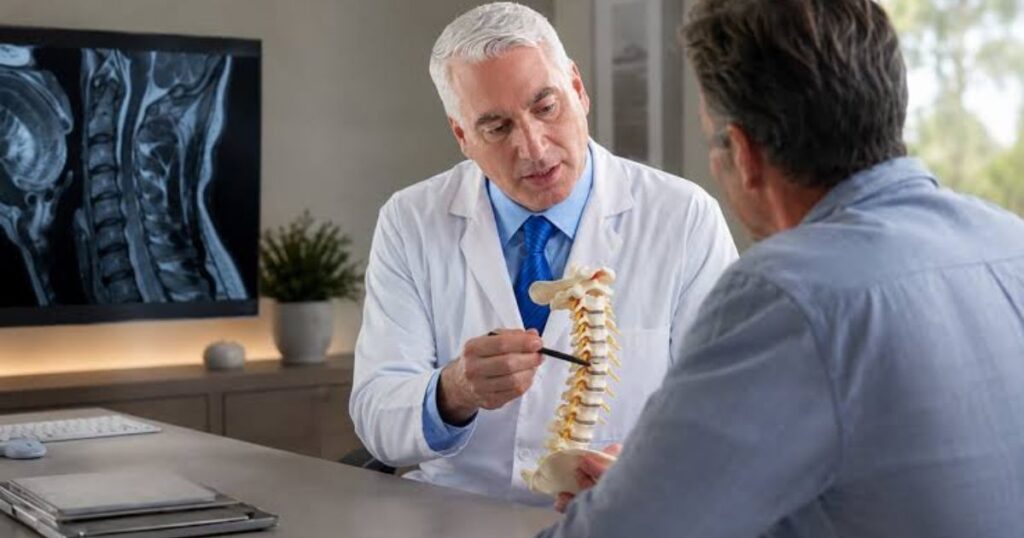
Patients in Plano and nearby North Texas communities can begin by arranging a comprehensive spine evaluation. Bring previous imaging reports, medical records, and a list of treatments you have tried. Ask whether your symptoms match the proposed surgical level. A careful consultation should explain the expected benefits, possible complications, nonsurgical alternatives, and likely recovery requirements. You should feel comfortable asking questions before making a decision.
Finding an Experienced Disc Replacement Surgeon in Plano, TX
Experience matters because disc replacement requires careful patient selection and precise implant placement. Ask the surgeon how often they perform cervical or lumbar replacement procedures. You should also understand which FDA-approved devices they use and why a particular model may suit your condition. Discuss how they handle complications and whether they offer alternative procedures when replacement is unsuitable.
A qualified specialist should review your scans and explain the diagnosis in plain language. They should also discuss the limits of surgery. No surgeon can guarantee complete pain relief or a perfect result. A useful consultation gives you a realistic picture of the options and enough information to make an informed choice.
Questions to Ask During Your Spine Consultation
A consultation is your opportunity to understand the full treatment plan. Ask which disc level is causing your symptoms and how the doctor confirmed that diagnosis. Find out whether you meet the implant’s approved indications. You should also ask why replacement may be more suitable than fusion or continued nonsurgical care.
Discuss the surgeon’s experience, expected hospital stay, and recovery restrictions. Ask what complications are most relevant to your health history. Insurance coverage deserves attention as well. Some plans apply specific medical criteria or prior authorization requirements. Contact your insurer to confirm benefits before scheduling surgery. Clear answers can prevent surprises later.
Understanding Your Surgical and Nonsurgical Options
Surgery is not always the next step when back or neck pain continues. Depending on your diagnosis, treatment may include medication, physical therapy, activity changes, or injections. Some patients may benefit from other procedures that address nerve compression or spinal instability. The correct choice depends on the actual pain generator.
A second opinion can be helpful when surgery involves several levels or when the diagnosis remains uncertain. Ask another qualified specialist to review your imaging and treatment history. Compare the recommendations and discuss why they differ. Good care should focus on your health goals, not simply the availability of a particular implant.
Schedule a Disc Replacement Consultation in Plano, TX
Persistent neck or back pain deserves a careful evaluation, especially when it interferes with work, sleep, or daily activities. A specialist can help determine whether a damaged disc explains your symptoms. They can also explain whether replacement, fusion, or nonsurgical treatment offers the most appropriate path.
If you live in Plano, TX, consider arranging a consultation with a qualified spine specialist. Bring your medical history and any previous MRI, CT, or X-ray reports. Discuss your concerns openly and ask for a treatment plan that reflects your needs. The first step toward better function is understanding what is causing your pain and which options are medically appropriate.
Conclusion: Is Disc Replacement the Right Option for Your Spine Health?
Artificial disc replacement offers a motion-preserving option for selected patients with painful spinal disc conditions. It may help relieve symptoms while maintaining movement at the treated level. However, it is not suitable for every form of back or neck pain. Proper diagnosis, healthy supporting structures, and careful patient selection remain essential.
For patients considering disc replacement in Plano, TX, a detailed consultation can clarify the available options. Your surgeon should explain the differences between cervical and lumbar procedures, compare replacement with fusion, and discuss realistic recovery expectations. Take time to understand the benefits and risks before deciding. The best treatment is one that addresses your actual condition and supports your long-term spinal health.
Frequently Asked Questions About Disc Replacement
How Long Does an Artificial Disc Replacement Last?
An artificial disc is designed to function for many years, but its lifespan varies. Implant materials, daily activities, bone quality, and mechanical wear can influence durability. Some patients may eventually need additional treatment. Regular follow-up helps doctors monitor implant function and identify potential concerns.
Is Disc Replacement Surgery Better Than Spinal Fusion?
Neither procedure is best for every patient. Replacement aims to preserve movement at the treated level, while fusion creates stability by joining vertebrae. Your spinal condition, facet joint health, bone strength, and diagnosis help determine which option may be more appropriate.
How Painful Is Recovery After Disc Replacement?
Some discomfort is normal after surgery. The amount varies according to the procedure, individual pain sensitivity, and overall health. Doctors may recommend medication and gentle movement to manage symptoms. Severe or worsening pain should always be reported to the surgical team.
What Is the Success Rate of Artificial Disc Replacement?
Success depends on how doctors define improvement and which device or spinal region they study. Many patients experience better pain and function, but results vary. Your surgeon can discuss clinical evidence for the specific implant and explain what outcomes are realistic for your condition.
Can You Bend and Twist After Disc Replacement Surgery?
Many patients gradually return to bending and turning after recovery. However, movement restrictions apply during the early healing period. Your surgeon will explain which activities are safe and when you can increase them. Avoid forceful movements until you receive medical clearance.
How Long Does It Take to Return to Work?
The timeline depends on your procedure and job responsibilities. Desk work may require less recovery time than physically demanding employment. Your surgeon will consider pain control, mobility, medication use, and healing before recommending a return date.
Does Insurance Cover Artificial Disc Replacement?
Coverage depends on your insurance plan, medical necessity rules, and the device being considered. Some insurers require prior authorization or documentation of failed nonsurgical care. Contact your insurance provider and surgical office to review coverage, deductibles, and potential out-of-pocket expenses before scheduling.
Can You Have Disc Replacement Surgery at Multiple Levels?
Some FDA-approved devices permit treatment at two adjacent levels. However, approval and eligibility vary by implant and spinal region. Your surgeon must confirm that each level meets the device’s requirements. More treated levels do not automatically mean better results.
What Is the Difference Between Cervical and Lumbar Disc Replacement?
Cervical replacement treats selected damaged discs in the neck. Lumbar replacement treats selected painful discs in the lower back. The procedures use different access routes and have different eligibility criteria. Your symptoms, imaging, and medical history determine which evaluation may be appropriate.
Can an Artificial Disc Need Replacement in the Future?
Yes. Although artificial discs are designed for long-term use, they can wear, loosen, move, or develop other problems. Some patients may eventually need revision surgery. Regular follow-up and prompt reporting of new symptoms help doctors monitor the implant.