
Persistent neck or back pain can make everyday activities difficult, especially when sitting, driving, working, or sleeping becomes uncomfortable. If you are searching for Disc Replacement Near Me in Plano, Texas, understanding your options is an important first step. Artificial Disc Replacement may help suitable patients with painful spinal disc damage while preserving movement at the treated level. Specialists assess your symptoms, imaging results, bone health, and previous treatments before recommending surgery.
Depending on your condition, Cervical Disc Replacement or Lumbar Disc Replacement may be considered. Learning about Spinal Fusion, recovery, risks, and local care can help you prepare informed questions for a qualified spine surgeon and choose a treatment plan that fits your needs and long-term health goals carefully.
Ready to take the next step toward lasting pain relief? Contact Spine & Pain Clinic of Texas in Plano to explore personalized treatment options for your pain and spinal health concerns. Their experienced team can evaluate your symptoms, discuss suitable treatments, and help you find a path toward better mobility and comfort. Request an Appointment today or call +1 (214) 256-3900 to schedule your consultation. Take the first step toward managing your pain and enjoying a more active, comfortable lifestyle.
1: What Is Artificial Disc Replacement and How Does It Work?
Your spine depends on small but important structures called intervertebral discs. These flexible cushions sit between your vertebrae and absorb pressure during everyday movement. They also allow your back and neck to bend, rotate, and remain flexible. When a disc deteriorates, surrounding structures may experience additional stress and irritation.
Artificial Disc Replacement addresses certain painful disc conditions by removing damaged disc material and inserting an artificial replacement. The implant acts as a mechanical cushion between the affected vertebrae. Its design aims to maintain movement instead of permanently joining the bones. This approach is commonly described as Motion Preservation because it attempts to maintain function at the treated level.
Understanding the Role of Natural Spinal Discs
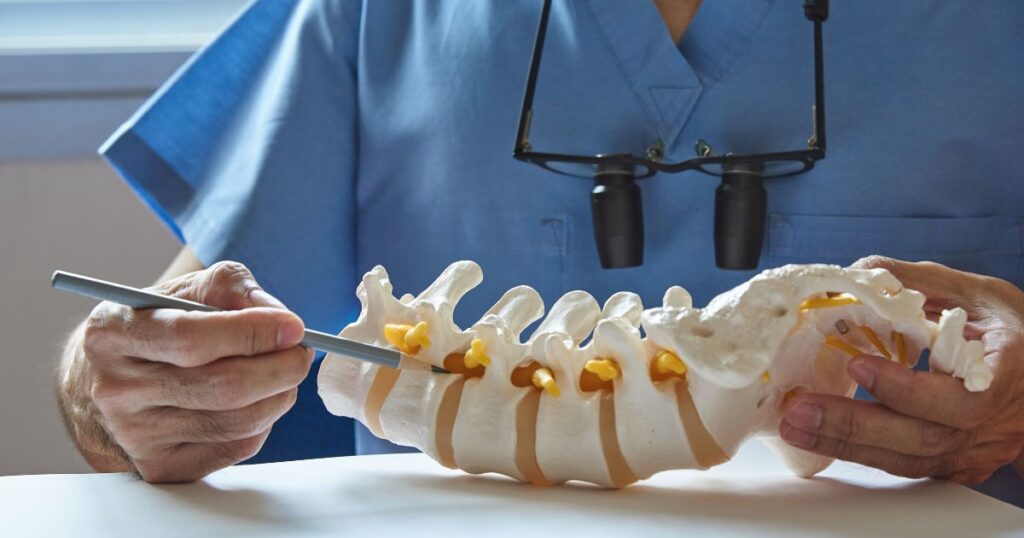
Think of your spinal discs as small shock absorbers positioned between vertebrae. Each disc contains a soft inner nucleus surrounded by a tougher outer ring. This structure distributes pressure and supports smooth movement. Healthy discs also help maintain the spacing needed for comfortable spinal movement.
However, Disc Degeneration can gradually change these structures. A disc may lose water content, become thinner, or develop cracks. This process can cause Disc Height Loss and sometimes expose nearby nerves to irritation. Consequently, people may experience stiffness, radiating pain, or reduced movement.
What Is Artificial Disc Replacement Surgery?
Disc Replacement Surgery involves removing a damaged disc and placing a specially designed implant between the surrounding vertebrae. Surgeons choose the device according to the patient’s anatomy and the specific spinal level. The procedure aims to restore disc height while maintaining appropriate movement.
A Prosthetic Disc may contain medical-grade metal, plastic, or other approved materials. Different implant systems use different designs and movement mechanisms. Some allow controlled rotation and bending, while others use specific materials to reproduce the function of natural disc tissue. Your surgeon determines which device fits your medical needs.
How Does an Artificial Disc Restore Natural Spinal Movement?
Traditional fusion stabilizes a painful spinal segment by joining neighboring vertebrae. Artificial replacement takes a different approach. The implant allows movement at the treated level within its designed mechanical limits. This can help preserve Natural Spinal Movement and support Spinal Mobility.
Nevertheless, an artificial disc does not recreate every property of a natural disc. It cannot guarantee normal flexibility or eliminate every source of back pain. Its performance depends on correct patient selection, implant positioning, surrounding joint health, and postoperative care.
What Happens to the Damaged Disc After Replacement?
During surgery, the surgeon removes the problematic disc material from the selected spinal level. The surgeon then prepares the space between the vertebrae and places the replacement device. Imaging helps confirm the implant’s position and alignment.
The surrounding bones must support the implant securely. Therefore, surgeons carefully examine Spinal Anatomy, disc condition, and Bone Quality before recommending this procedure. A poorly supported implant may create additional complications instead of improving spinal function.
2: What Are the Different Types of Disc Replacement Surgery?
Disc problems can affect different regions of your spine. The two major approaches are Cervical Disc Replacement and Lumbar Disc Replacement. The cervical region controls neck movement, while the lumbar region supports much of your upper-body weight. Although both procedures replace damaged discs, their surgical techniques differ.
Choosing between them depends on your symptoms, imaging results, physical examination, and medical history. Your specialist must identify the affected disc before recommending treatment. Understanding these differences can help you prepare for a more productive consultation when researching Artificial Disc Replacement Near Me.
Cervical Disc Replacement for Neck Pain
The cervical spine contains seven vertebrae that support your head and allow neck movement. Damaged cervical discs may irritate nearby nerves and cause persistent Neck Pain. Some patients also experience shoulder discomfort, arm weakness, tingling, or numbness.
Cervical Disc Replacement removes the affected disc and places an artificial device between the surrounding cervical vertebrae. Surgeons commonly access the disc through an incision at the front of the neck. The goal involves relieving pressure on affected neural structures while preserving movement at the treated level.
Lumbar Disc Replacement for Lower Back Pain
The lumbar spine supports your body during standing, walking, bending, and lifting. Its discs experience considerable mechanical pressure throughout the day. Consequently, degeneration in this region may contribute to persistent Chronic Back Pain and reduced activity tolerance.
Lumbar Disc Replacement replaces a damaged lower-back disc with an artificial device. Surgeons commonly approach the lumbar spine through the abdomen to reach the affected disc. This requires careful planning because major blood vessels and abdominal structures sit near the surgical pathway. The procedure suits selected patients with disc-related pain rather than every person experiencing lower-back discomfort.
Cervical vs. Lumbar Disc Replacement: What Is the Difference?
Both procedures aim to preserve movement, but they address different spinal regions. Cervical replacement focuses on neck function and may address nerve compression affecting the arms. Lumbar replacement focuses on lower-back function and carefully diagnosed disc-related pain. Surgical access, implant design, and rehabilitation requirements also differ.
| Feature | Cervical replacement | Lumbar replacement |
|---|---|---|
| Treatment area | Neck | Lower back |
| Spinal region | Cervical Spine | Lumbar Spine |
| Common symptoms | Neck and arm pain | Lower-back and leg symptoms |
| Surgical approach | Usually through the front of the neck | Usually through the abdomen |
| Main objective | Preserve cervical movement | Preserve lumbar movement |
| Recovery considerations | Neck movement and swallowing | Walking, abdominal healing, and back activity |
How Do Surgeons Select the Right Artificial Disc Implant?
Surgeons consider several factors before choosing a Spinal Prosthetic Device. These include the affected spinal level, disc height, bone strength, joint condition, and required range of movement. The implant must also match the applicable regulatory approval and device-specific indications.
Different FDA-Approved Technologies offer different designs and eligibility requirements. Some devices have approval for particular cervical levels, while lumbar implants have their own indications. Therefore, patients should discuss the exact implant model and its approved use before surgery.
3: What Conditions Can Artificial Disc Replacement Treat?
A damaged spinal disc does not always require replacement. Many people experience disc changes on imaging without developing significant symptoms. Others experience pain that comes from muscles, joints, or different spinal structures. Doctors must identify the actual source before recommending surgery.
Artificial Disc Replacement may help selected patients with symptomatic disc degeneration and certain nerve-related conditions. However, the procedure does not treat every form of Spinal Stenosis, back pain, or spinal injury. Your diagnosis must match the procedure’s medical indications and the implant’s approved use.
Degenerative Disc Disease
Degenerative Disc Disease describes changes that develop as spinal discs lose their normal structure and cushioning ability. Despite its name, it does not always represent a dangerous disease. Age, genetics, injuries, and repetitive mechanical stress may contribute to disc deterioration.
Some people develop significant pain when degeneration affects surrounding structures. Others experience no symptoms at all. Artificial disc replacement may become an option when doctors identify a painful disc, confirm suitable anatomy, and find that appropriate nonsurgical treatments have not provided sufficient relief.
Herniated or Bulging Spinal Discs
A Herniated Disc develops when disc material pushes beyond its normal outer boundary. A bulging disc extends outward more broadly. Either condition may irritate nearby Spinal Nerves, depending on its location and severity.
Some patients experience shooting pain, tingling, or weakness because of this irritation. These symptoms can affect the arms or legs. However, a herniated disc does not automatically qualify for replacement. Your specialist must determine whether the damaged disc itself causes the symptoms and whether an artificial implant offers an appropriate solution.
Cervical Radiculopathy and Nerve Compression
Radiculopathy occurs when a spinal nerve root becomes irritated or compressed. In the neck, this condition may produce pain extending into the shoulder, arm, or fingers. Some patients also develop numbness, tingling, or muscle weakness.
Nerve Compression can result from disc herniation, bone spurs, or age-related changes. In selected cervical cases, disc replacement may address the affected disc while allowing the surgeon to relieve pressure on nearby neural structures. Progressive weakness or other neurological changes deserve prompt medical attention.
Chronic Lower Back Pain Caused by Disc Degeneration
Persistent lower-back pain can make sitting, standing, and walking difficult. When a damaged lumbar disc causes the pain, everyday activities may become increasingly frustrating. However, several other conditions can produce similar symptoms.
A proper evaluation helps distinguish disc-related pain from muscle disorders, hip problems, and Facet Joint Arthritis. Lumbar replacement may be considered only when the diagnostic findings support the disc as the primary pain source. This distinction matters because replacing the wrong structure will not solve the underlying problem.
Which Spinal Conditions May Require Different Treatments?
Not every spinal disorder responds to artificial disc replacement. Severe Spinal Stenosis, major deformity, advanced facet damage, and Spinal Instability may require different approaches. Some patients benefit more from decompression, stabilization, or Spinal Fusion.
The best treatment depends on the complete spinal picture. A surgeon must examine the affected level and surrounding structures rather than focusing on one MRI finding. This careful process helps prevent unnecessary procedures and supports more realistic treatment expectations.
4: Who Is a Good Candidate for Disc Replacement Surgery?
Finding the right patient is one of the most important parts of successful spine treatment. Two people may have similar MRI results but completely different medical needs. One person may qualify for disc replacement, while another may need a different procedure. The difference often involves bone strength, joint health, spinal stability, and the actual source of pain.
A qualified Spine Surgeon examines these factors before making a recommendation. A patient may qualify when a specific disc causes persistent symptoms and conservative care has not provided enough relief. However, artificial implants have specific limitations. Your surgeon must confirm that the procedure fits your condition rather than simply choosing the newest technology.
Signs You May Need Artificial Disc Replacement
Persistent back or neck pain deserves attention when it affects your everyday routine. You might struggle to sit comfortably, turn your head, or complete normal work activities. Some people also develop radiating pain, numbness, tingling, or weakness because damaged discs irritate nearby nerves.
However, these symptoms alone do not establish surgical eligibility. Doctors must connect your complaints with examination findings and diagnostic images. A specialist may also investigate whether physical therapy, medication, or targeted injections could provide meaningful relief before considering an operation.
Medical Conditions That May Make You a Suitable Candidate
Carefully selected patients often have symptomatic disc degeneration at a spinal level suitable for an approved implant. Their imaging findings should explain their symptoms. They should also have sufficient bone strength and reasonably healthy surrounding joints.
Successful Motion-Preserving Surgery depends on appropriate mechanical conditions. The implant needs stable support and enough surrounding movement to function properly. Patients with suitable anatomy may benefit when conservative treatment has failed. Nevertheless, final eligibility depends on individual findings and the specific device’s approved indications.
Who May Not Qualify for Disc Replacement Surgery?
Certain medical conditions can increase implant complications or reduce its expected benefits. Severe osteoporosis, active infection, significant facet degeneration, and major spinal instability may make replacement unsuitable. Advanced deformity can also interfere with proper implant positioning.
The FDA patient information for the Synergy Disc explains several device-specific contraindications. These include severe bone weakness, active infection, certain spinal abnormalities, and significant joint degeneration. Other implants have their own requirements. Your surgeon must review the exact device labeling before recommending surgery.
When Should You Consider Surgery After Conservative Treatment?
Most patients should explore appropriate nonsurgical options before pursuing disc replacement. These may include Physical Therapy, medication, activity adjustments, and selected injections. Such Conservative Treatments can reduce symptoms and improve everyday function without requiring an operation.
However, some people continue experiencing significant pain despite reasonable treatment efforts. Others develop progressive neurological symptoms that require earlier specialist assessment. Surgery becomes a consideration when the diagnosis, symptoms, and imaging findings support intervention. The decision should involve a detailed discussion of expected benefits and possible risks.
Why Is a Second Opinion Important Before Disc Replacement?
A second opinion can help you understand whether replacement offers a suitable option for your condition. It also gives you an opportunity to compare different surgical recommendations. This matters when one specialist recommends fusion while another discusses motion preservation.
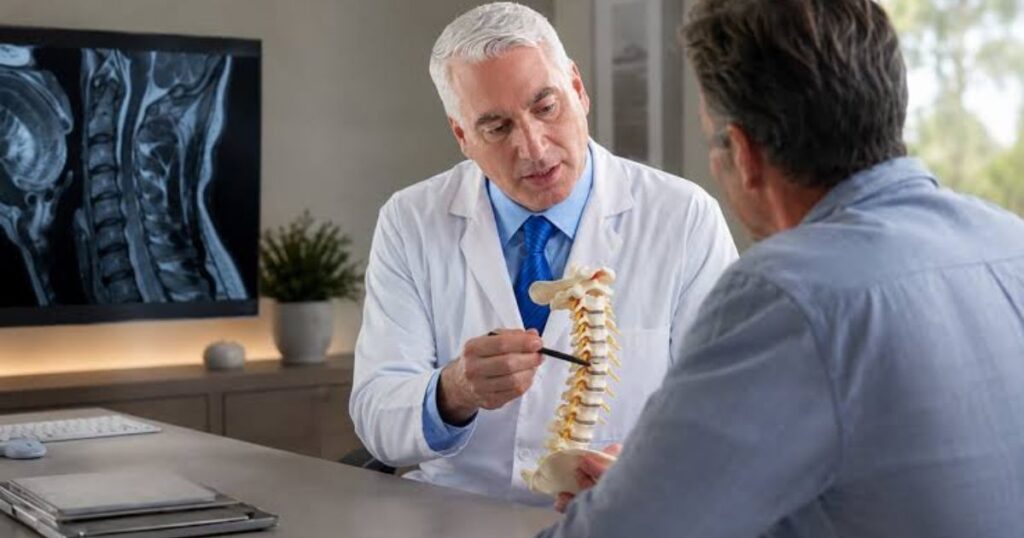
Consider asking both specialists to explain their reasoning using your imaging results. Discuss bone strength, facet joint health, implant selection, and long-term expectations. A thoughtful Surgical Consultation should leave you understanding why a particular procedure makes sense. It should never feel like pressure to schedule surgery immediately.
H2 #5: How Is Disc Replacement Surgery Diagnosed and Planned?
Before surgery, your medical team must identify the damaged disc and understand its relationship with surrounding structures. This requires more than simply reviewing an MRI report. Your symptoms, physical examination, neurological findings, and medical history all contribute to the diagnosis.
A careful Diagnostic Evaluation also helps identify conditions that may respond better to another treatment. Doctors examine spinal alignment, disc height, nerve pathways, and surrounding joint health. This information guides implant selection and surgical planning. Good preparation reduces avoidable uncertainty before an operation.
Medical History and Physical Examination
Your specialist will begin by discussing your symptoms and previous treatments. They may ask when your pain started and whether certain movements make it worse. Previous surgeries, medications, injuries, and existing medical conditions also matter.
A physical examination helps assess movement, strength, reflexes, sensation, and walking ability. Your doctor may perform specific movements to identify possible nerve irritation. These findings help connect your symptoms with the affected spinal structures. They also help distinguish spinal problems from other medical conditions.
How MRI Scans Help Identify Damaged Spinal Discs
MRI provides detailed images of soft tissues inside the spine. It can reveal disc degeneration, herniation, nerve compression, and changes around the spinal cord. Doctors use these images to identify possible sources of pain.
However, an abnormal MRI does not automatically mean you need surgery. Some people have disc abnormalities without noticeable symptoms. Your specialist must compare imaging findings with your physical examination. This combination makes treatment planning more reliable.
Why Doctors Recommend X-Rays and CT Scans
X-rays show spinal alignment, disc spacing, and the position of vertebrae. Certain movement-based images can help reveal instability between spinal bones. CT scans provide additional detail about bone structures and joint degeneration.
These tests can help identify conditions that may affect implant stability. They also support more accurate surgical measurements. Your doctor may recommend additional imaging when standard examinations do not explain your symptoms clearly.
Bone Density Testing Before Artificial Disc Replacement
Strong bones provide an important foundation for an artificial disc implant. Weak bones may struggle to support the device properly. Therefore, surgeons may review bone density when evaluating possible candidates.
A DEXA scan can help identify osteoporosis when clinically indicated. This information becomes especially important for patients with previous fractures or known bone-strength concerns. Your doctor may recommend bone-health treatment or another surgical approach when necessary.
Creating a Personalized Disc Replacement Treatment Plan
After reviewing your results, your surgeon develops a Personalized Treatment Plan. This plan considers the affected spinal level, implant design, surgical approach, and postoperative needs. It should also address medical conditions that could affect healing.
Planning may involve reviewing medications, anesthesia risks, and the patient’s home environment. Your surgeon should explain expected outcomes without making unrealistic promises. You should also understand alternative procedures before agreeing to surgery.
6: How Is Artificial Disc Replacement Surgery Performed?
Disc replacement surgery requires careful preparation and precise implant placement. The surgical approach depends on whether the damaged disc sits in your neck or lower back. Both procedures involve removing the problematic disc and placing an artificial device between neighboring vertebrae.
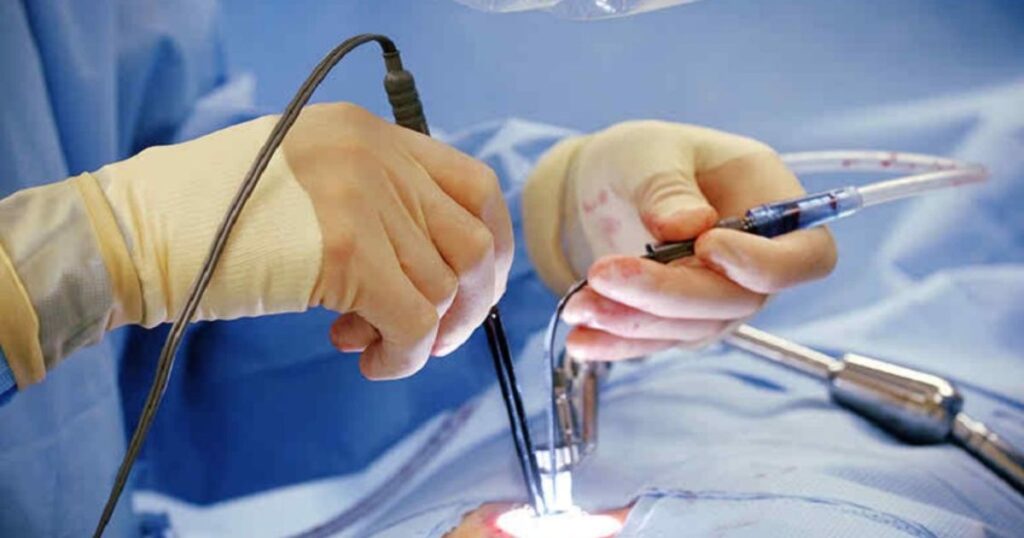
Modern Minimally Invasive Spine Surgery techniques aim to reduce unnecessary tissue disruption when appropriate. However, smaller incisions do not remove the need for careful anatomical access. Surgeons must protect nerves, blood vessels, and surrounding structures throughout the operation.
Preparing for Artificial Disc Replacement Surgery
Your surgical team will review medications, allergies, previous procedures, and existing medical conditions. You may receive instructions about fasting, smoking cessation, and temporarily stopping certain medicines. Never stop prescribed medication without approval from your medical team.
You should also arrange transportation and support after discharge. Preparing your home can make early recovery easier. Keep frequently used items nearby and avoid unnecessary lifting. Your surgeon will provide instructions based on the planned procedure and your health.
Step-by-Step Cervical Disc Replacement Procedure
Cervical replacement commonly uses an anterior approach through the front of the neck. After administering general anesthesia, the surgeon makes a carefully positioned incision. They gently move nearby structures to reach the affected disc.
The surgeon removes the damaged disc and addresses relevant nerve compression. Imaging helps guide implant sizing and placement. The artificial disc then sits between the prepared vertebral surfaces. Finally, the surgeon closes the incision and monitors the patient during early recovery.
Step-by-Step Lumbar Disc Replacement Procedure
Lumbar replacement usually requires access through the abdominal region. The surgeon reaches the spine through a carefully planned pathway. Nearby blood vessels and abdominal structures require particular attention during this stage.
After accessing the damaged disc, the surgeon removes the affected material and prepares the space. The selected implant is then positioned between the lumbar vertebrae. The team checks alignment before completing the operation. This approach requires specialized knowledge of both spinal and abdominal anatomy.
What Types of Artificial Disc Implants Are Used?
An Artificial Disc Implant must match the patient’s anatomy and the intended spinal level. Designs vary in material, shape, movement, and fixation methods. Some devices use combinations of medical-grade metal and polyethylene components.
The implant’s regulatory approval matters as much as its design. A device approved for one spinal region may not be appropriate elsewhere. Your surgeon should explain the selected model and its approved indications. You can also request patient information describing its possible complications.
How Long Does Artificial Disc Replacement Surgery Take?
Surgical duration depends on the affected spinal region and procedural complexity. The American Academy of Orthopaedic Surgeons reports that many cervical disc replacement operations take approximately two to three hours. Lumbar procedures may differ because they involve another surgical access route.
Additional factors include the number of levels, previous operations, and individual anatomy. Your surgeon can provide a more useful estimate after reviewing your scans. Remember that operating time does not determine recovery speed by itself.
What Happens Immediately After Disc Replacement Surgery?
After surgery, medical staff monitor your breathing, circulation, pain, and neurological function. They also check your incision and help you begin moving safely. Some patients return home the same day, while others require hospital observation.
Early walking may help prevent complications associated with prolonged bed rest. Your care team will explain medication schedules and movement restrictions. You should also understand which symptoms require urgent medical attention. Follow-up appointments help your surgeon assess healing and implant position.
7: Disc Replacement vs. Spinal Fusion: Which Is Better for You?
Choosing between disc replacement and fusion requires an individual medical assessment. Both procedures address certain painful spinal conditions, but their mechanical goals differ. Replacement aims to preserve movement, while fusion stabilizes the treated area by joining vertebrae.
Some patients naturally prefer the idea of maintaining movement. Others benefit more from the stability that fusion provides. Neither option is universally superior. Your anatomy, bone health, spinal stability, and diagnosis determine which approach deserves consideration.
What Happens During Spinal Fusion Surgery?
During Spinal Fusion, surgeons join two or more vertebrae to create a stable spinal segment. They may use bone graft material, screws, rods, or other fixation devices. The goal is to stop painful movement at the affected level.
Fusion can help patients with instability, certain deformities, or conditions unsuitable for disc replacement. However, the treated segment no longer maintains its normal movement. Nearby spinal levels may experience altered mechanical demands after fusion.
How Artificial Disc Replacement Preserves Spinal Mobility
Artificial replacement follows a different mechanical principle. The surgeon removes the damaged disc and inserts a device designed to allow controlled movement. The treated segment can maintain some bending and rotation rather than becoming permanently fused.
This difference explains why many specialists consider replacement a motion-preserving option. However, the implant cannot restore every aspect of natural movement. Results depend on proper positioning, healthy surrounding joints, and suitable patient selection.
Disc Replacement vs. Spinal Fusion: Recovery Differences
Recovery varies according to the procedure, surgical levels, and individual health. Fusion requires the bones to grow together over time. Disc replacement does not depend on the same bone-fusion process, although surrounding bone still needs to support the implant.
Patients may receive different activity restrictions and rehabilitation instructions. Some return to desk work earlier, while others need longer recovery. Neither procedure guarantees a faster recovery for every patient. Your surgeon should provide expectations based on your specific operation.
How Do Both Procedures Affect Adjacent Spinal Discs?
Adjacent Segment Disease describes degeneration or symptoms developing at spinal levels next to a treated segment. Fusion changes movement at the operated level, which may alter mechanical demands elsewhere. Researchers continue studying how these changes affect long-term outcomes.
Disc replacement preserves movement at the treated level and may reduce some mechanical changes associated with fusion. However, it does not prevent age-related disc degeneration. Future problems can still develop at nearby levels.
Which Procedure Is Better for Your Spinal Condition?
The better option depends on what causes your symptoms. A patient with healthy facet joints and suitable bone strength may qualify for replacement. Someone with severe instability or extensive joint degeneration may benefit more from fusion.
| Comparison | Artificial disc replacement | Spinal fusion |
|---|---|---|
| Main goal | Preserve movement | Stabilize the segment |
| Treated level | Designed to retain movement | Bones join together |
| Implant | Artificial disc | Hardware and/or bone graft |
| Bone fusion | Not the intended goal | Required |
| Best use | Carefully selected disc conditions | Conditions requiring stabilization |
| Main consideration | Implant support and joint health | Bone healing and fusion success |
The most useful question is not which operation sounds more advanced. It is which treatment addresses your diagnosis with an acceptable balance of benefits and risks. A second opinion can help clarify that decision.
8: What Are the Benefits, Risks and Possible Complications of Disc Replacement?
Every spinal operation involves potential benefits and complications. Artificial disc replacement may help appropriately selected patients improve pain and preserve movement. However, it cannot guarantee complete relief or prevent future spinal problems. Understanding both sides helps you make a more confident treatment decision.
Your surgeon should explain the risks associated with your anatomy and chosen implant. These include general surgical complications and problems specific to artificial disc devices. Reviewing official patient information from the FDA can also help you understand device-specific warnings.
Potential Benefits of Artificial Disc Replacement
One important benefit involves preserving movement at the operated spinal level. Patients may maintain more natural flexibility than they would after fusion. Some also experience reduced nerve irritation when the surgeon successfully addresses the affected disc and compression.
Another potential advantage involves maintaining movement between adjacent vertebrae. This may reduce certain mechanical changes associated with fusion. Selected patients may also return to normal activities after appropriate rehabilitation. Still, results vary according to age, health, diagnosis, and surgical technique.
Common Surgical Risks and Complications
Artificial replacement carries risks like other major operations. Infection, bleeding, blood clots, and anesthesia complications can occur. Nearby nerves or blood vessels may also sustain injury. Some patients experience persistent symptoms even after technically successful surgery.
Other complications include implant displacement, loosening, subsidence, or device failure. These problems may require additional treatment or revision surgery. Your surgeon should discuss how often relevant complications occur with the specific implant being considered.
Cervical Disc Replacement: Specific Risks to Understand
Cervical procedures involve working near the throat, blood vessels, and important neural structures. Some patients experience temporary swallowing difficulty or changes in their voice. These symptoms often improve, but persistent problems require medical assessment.
Other possible complications include nerve injury, spinal cord damage, bleeding, and problems related to implant placement. The FDA also identifies additional bone formation around artificial discs as a potential concern. This condition may restrict the movement the implant aims to preserve.
Lumbar Disc Replacement: Specific Risks to Understand
Lumbar replacement requires access through the abdominal region. Therefore, it involves risks that differ from cervical procedures. Surgeons must protect major blood vessels, abdominal structures, and nearby nerves during the operation.
Potential complications include vascular injury, abdominal problems, infection, nerve damage, and sexual-function changes. Some patients may also experience persistent lower-back discomfort. Your surgeon should explain these risks and whether your medical history changes their likelihood.
Can an Artificial Disc Implant Fail or Move?
An implant may develop problems even after correct placement. Loosening, movement, wear, breakage, or sinking into the surrounding bone can affect its function. Some devices may also develop extra bone growth that restricts movement.
This is why regular follow-up matters after surgery. Your surgeon may recommend imaging to evaluate implant position and nearby spinal structures. Early assessment can help identify problems before they cause further complications. Sometimes revision surgery becomes necessary.
What Are the Long-Term Results of Disc Replacement?
Many appropriately selected patients experience improvements in pain and daily function. However, complete pain elimination is not guaranteed. The American Academy of Orthopaedic Surgeons explains that patients generally see improvement over weeks and months, although some discomfort may remain.
Long-term results depend on several factors. Implant design, surgical positioning, physical health, and surrounding joint condition all matter. Patients should also understand that artificial discs do not stop natural aging. Protecting your overall spinal health remains important after surgery.
9: What Is the Recovery Time After Disc Replacement Surgery?
Recovery is an important consideration when choosing spinal surgery. Most patients want to know when they can walk comfortably, return to work, and resume regular activities. However, healing does not follow one universal schedule. Cervical and lumbar procedures have different recovery requirements.
Spine Surgery Recovery usually involves gradual movement, incision care, pain management, and scheduled follow-up appointments. Your specialist will determine when you can increase activity safely. Rushing the process can create unnecessary problems. Following your medical team’s guidance supports a more controlled recovery.
The First 24–72 Hours After Disc Replacement Surgery
During the first few days, medical staff monitor your comfort and neurological function. You may receive medication to control Post-Operative Pain and prevent complications. Your team will also assess your ability to stand and walk safely.
Some patients return home quickly, while others need additional observation. Cervical patients may notice temporary swallowing discomfort. Lumbar patients may experience soreness near the abdominal incision. Your discharge instructions will explain appropriate movement and wound care.
Recovery During the First Two Weeks
Early recovery usually focuses on gentle movement and protecting the incision. Short walks may help maintain circulation and reduce stiffness. However, heavy lifting and strenuous exercise should wait until your surgeon approves them.
Some discomfort is expected during healing. Your doctor may adjust medications as your symptoms improve. You should also attend your scheduled appointments and report unusual changes. Increasing pain, fever, wound drainage, or new weakness deserves prompt medical attention.
Returning to Work After Artificial Disc Replacement
Your return-to-work date depends on your occupation and recovery progress. Desk workers may resume duties earlier than people performing heavy physical labor. Jobs involving lifting, bending, or prolonged standing require additional consideration.
The AAOS reports that many cervical replacement patients return to desk jobs within one or two weeks. Strenuous work may require six to twelve weeks. Plano’s Center for Disc Replacement describes a general work-return estimate of two to four weeks. These figures are references rather than guarantees.
Physical Therapy and Rehabilitation After Surgery
Rehabilitation helps patients rebuild strength and confidence after surgery. Your specialist may recommend supervised Physical Therapy when appropriate. The program may include gentle mobility exercises, walking, posture training, and gradual strengthening.
Therapists also help patients recognize unsafe movement patterns. You may learn how to sit, stand, and lift objects more comfortably. However, not every patient starts formal rehabilitation at the same time. Your surgeon determines when exercise is appropriate.
When Can You Drive, Exercise, Bend, and Lift Again?
Driving usually requires good mobility and the ability to respond safely. You should also avoid driving while taking medications that impair alertness. Exercise and lifting restrictions depend on the operated spinal region and healing progress.
Patients should not assume that feeling better means every activity is safe. Gradually increasing movement gives tissues time to recover. Your surgeon will provide specific instructions for driving, bending, twisting, lifting, and returning to sports.
Long-Term Recovery and Follow-Up Appointments
Recovery continues after the initial healing period. Your specialist may review symptoms, movement, and implant positioning during follow-up appointments. Additional imaging helps assess the treated spinal level when clinically necessary.
The goal involves a sustainable return to everyday activities. Maintaining a healthy weight, improving strength, and avoiding tobacco can support spinal health. Patients should also report new neurological symptoms instead of ignoring them.
General Disc Replacement Recovery Timeline
| Recovery stage | What patients may experience |
|---|---|
| First 24–72 hours | Monitoring, walking assistance, and pain control |
| First two weeks | Incision care and gentle movement |
| Two to four weeks | Possible return to selected desk jobs |
| Four to six weeks | Gradual activity progression when approved |
| Six to twelve weeks | Possible return to more demanding activities |
| Two to three months | Further improvement and recreational activity progression |
These are general reference points. Individual recovery varies, and the treating surgeon’s instructions take priority.
10: Where Can You Find Disc Replacement Near You in Plano, TX?
Finding the right specialist involves more than searching online for the nearest clinic. You should consider surgical experience, medical credentials, treatment options, and access to follow-up care. Convenient locations also matter when you need repeated appointments during recovery.
People researching Artificial Disc Replacement Plano TX have several local resources to investigate. These include dedicated disc replacement programs and practices offering specialized spine care. Patients from Frisco, Allen, McKinney, Richardson, and other nearby communities can also explore available consultation options.
How to Find an Experienced Disc Replacement Surgeon in Plano, TX
Start by reviewing the surgeon’s education, board certification, and experience with artificial disc procedures. Ask whether they regularly perform cervical or lumbar replacement. Their experience should match the type of surgery you are considering.
A qualified Board-Certified Neurosurgeon or orthopaedic spine surgeon can evaluate your condition and discuss appropriate options. However, credentials alone do not determine the best treatment. Look for a specialist who explains risks clearly and considers nonsurgical alternatives.
What Technology May Be Used During Spine Surgery?
Advanced technology can help surgeons plan and perform certain spinal procedures. MINT lists the Globus Excelsius robotic navigation platform among its surgical technologies. Its website describes image-guided navigation and trajectory planning for several spine procedures.
The practice also lists Augmedics Technology, including its xvision system, which provides Augmented Reality Guidance during selected procedures. However, these tools are not automatically required for every disc replacement. Ask whether a particular Robotic Navigation System would contribute to your planned operation. Technology supports surgical planning, but it cannot replace clinical judgment.
Questions to Ask Before Choosing a Disc Replacement Specialist
A productive consultation should give you a clear understanding of your treatment options. Ask how many similar procedures the surgeon performs and which implant systems they use. Discuss their experience with complications and revision operations.
You should also ask whether another treatment could provide similar benefits with fewer risks. Find out where surgery takes place and who manages your recovery. A good specialist welcomes informed questions rather than rushing your decision.
How Much Does Artificial Disc Replacement Cost in Plano, TX?
The cost of replacement surgery varies considerably between patients. The final amount depends on the surgeon’s fees, hospital charges, implant selection, anesthesia, and diagnostic tests. Additional expenses may include rehabilitation, medications, and follow-up imaging.
Insurance coverage can also change your out-of-pocket responsibility. Some patients have deductibles or coinsurance requirements. Others may need special approval before scheduling surgery. Request a written estimate from the provider and facility before making financial decisions.
Does Health Insurance Cover Disc Replacement Surgery in Texas?
Many insurance plans evaluate artificial disc replacement according to medical necessity and specific coverage rules. However, approval is not automatic. Policies can differ between cervical and lumbar procedures and between individual implant systems.
Contact your insurer before scheduling surgery. Ask whether your surgeon, facility, and implant are covered. Confirm prior authorization requirements and possible out-of-pocket expenses. Your provider’s billing department may also help verify your benefits.
Finding Artificial Disc Replacement Services Near Plano
Patients searching for Disc Replacement Near Me may also consider nearby communities. Plano sits within a wider North Texas healthcare network. People from Allen and McKinney can investigate specialist services in Plano and other surrounding cities.
For North Texas Patients, travel distance should remain only one consideration. Surgical experience, treatment suitability, hospital support, and follow-up arrangements matter just as much. Confirm that the clinic actually offers the procedure you need rather than assuming every spine specialist performs artificial disc replacement.
Schedule a Disc Replacement Consultation in Plano, TX
A professional evaluation can help determine whether your symptoms come from a damaged spinal disc. Bring previous imaging reports, medication details, and records of earlier treatment. These documents help your specialist understand your medical history.
During the appointment, discuss your goals and concerns openly. Ask about replacement, fusion, and nonsurgical options. A clear Personalized Treatment Plan should explain the expected Surgical Outcomes, potential complications, and follow-up requirements. This approach helps you make a decision based on your actual medical needs.
Conclusion: Is Disc Replacement the Right Treatment Option for You?
Living with persistent spinal pain can affect nearly every part of your daily routine. Fortunately, modern treatment approaches provide options for carefully selected patients. Artificial Disc Replacement may help preserve movement while addressing certain painful disc conditions.
However, successful treatment starts with an accurate diagnosis. Your bone strength, joint health, spinal alignment, and medical history all influence surgical eligibility. Some patients benefit from replacement, while others need fusion or nonsurgical care.
When researching Disc Replacement Near Me in Plano, TX, prioritize experienced specialists and thorough evaluations. Compare available treatment approaches and understand their potential complications. Most importantly, choose a treatment plan that addresses your actual condition rather than relying on general promises.
Frequently Asked Questions About Disc Replacement Near Me
1. How Do I Find Disc Replacement Near Me in Plano, TX?
Start by researching local spine surgeons and dedicated artificial disc replacement programs. Review medical credentials, procedural experience, and available facilities. Confirm that the specialist evaluates your specific spinal condition before scheduling an operation.
2. How Do I Know If I Need Artificial Disc Replacement Surgery?
You may need an evaluation when persistent neck or back pain interferes with daily activities. Numbness, weakness, and radiating pain also deserve attention. However, only a medical examination and appropriate imaging can establish whether surgery is suitable.
3. What Is the Difference Between Cervical and Lumbar Disc Replacement?
Cervical replacement treats damaged discs in the neck. Lumbar replacement addresses selected disc conditions in the lower back. Both procedures aim to preserve movement, but their surgical approaches, implant designs, and recovery requirements differ.
4. Is Artificial Disc Replacement Better Than Spinal Fusion?
Neither procedure is universally better. Disc replacement aims to preserve movement, while fusion stabilizes the affected spinal segment. Your diagnosis, bone quality, surrounding joint health, and spinal stability determine which option may offer greater benefits.
5. How Long Does It Take to Recover From Disc Replacement Surgery?
Recovery depends on the spinal region, surgical complexity, and individual healing. Some patients resume desk work within a few weeks. Physically demanding activities may require several additional weeks and medical approval.
6. How Long Does an Artificial Disc Implant Last?
Artificial disc implants are designed for long-term use. However, their lifespan varies with implant materials, positioning, patient activity, and other factors. Regular follow-up helps monitor implant function and identify possible complications.
7. Is Artificial Disc Replacement Considered Major Surgery?
Yes. Artificial disc replacement requires anesthesia, surgical removal of damaged tissue, and implant placement. Although modern techniques may reduce tissue disruption, it remains a significant operation with potential complications and recovery requirements.
8. Does Insurance Cover Artificial Disc Replacement in Texas?
Coverage depends on your individual insurance policy, medical necessity, implant approval, and provider network. Some plans require prior authorization. Contact your insurance company and surgical facility to confirm coverage before scheduling treatment.
9. Can Artificial Disc Replacement Treat Sciatica and Nerve Pain?
It may help selected patients when disc degeneration contributes to nerve compression. However, sciatica can develop from several spinal conditions. A specialist must identify the actual source before recommending artificial disc replacement.
10. When Can I Return to Work After Artificial Disc Replacement?
Some patients return to desk-based work within one to four weeks. Physically demanding jobs may require six to twelve weeks or longer. Your surgeon determines the appropriate timeline according to healing and job requirements.
Important Medical Disclaimer
This article provides general educational information about artificial disc replacement. It does not replace professional medical advice, diagnosis, or treatment. Individual eligibility, surgical risks, and recovery timelines vary. Always consult a qualified spine specialist before making medical decisions.