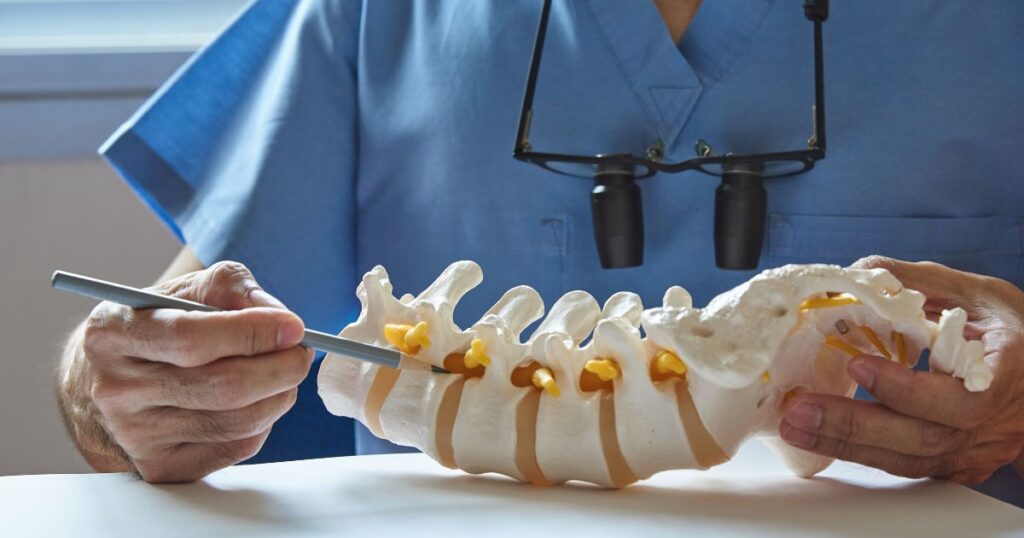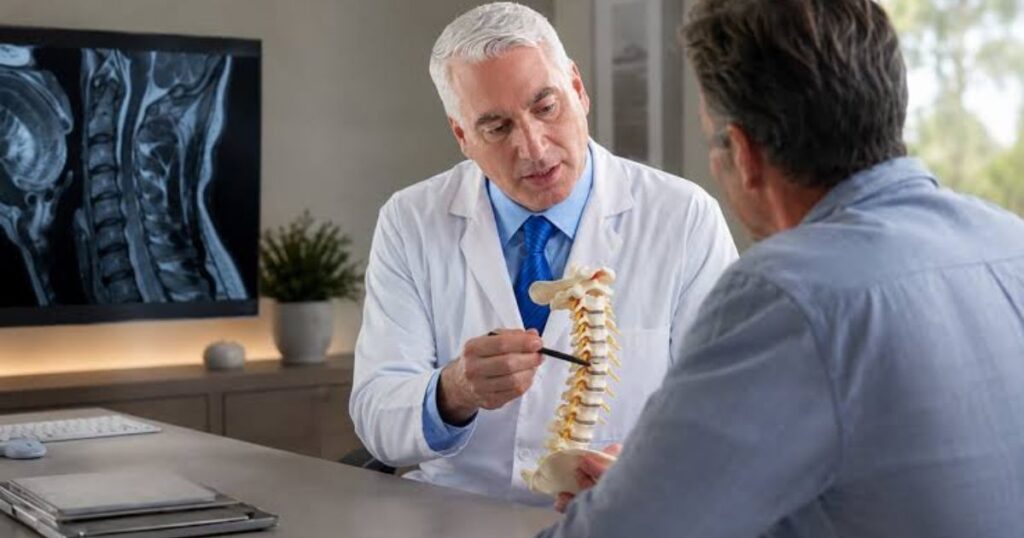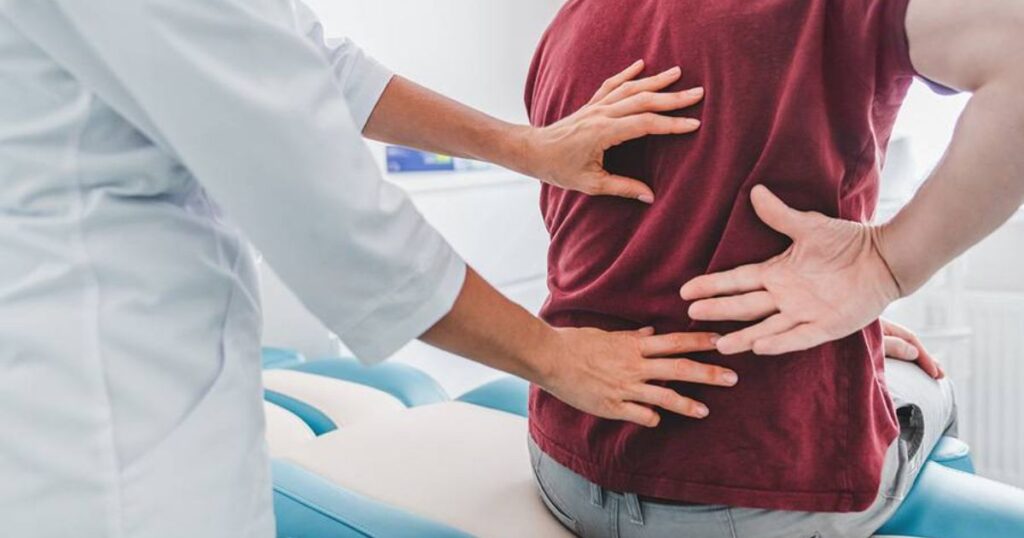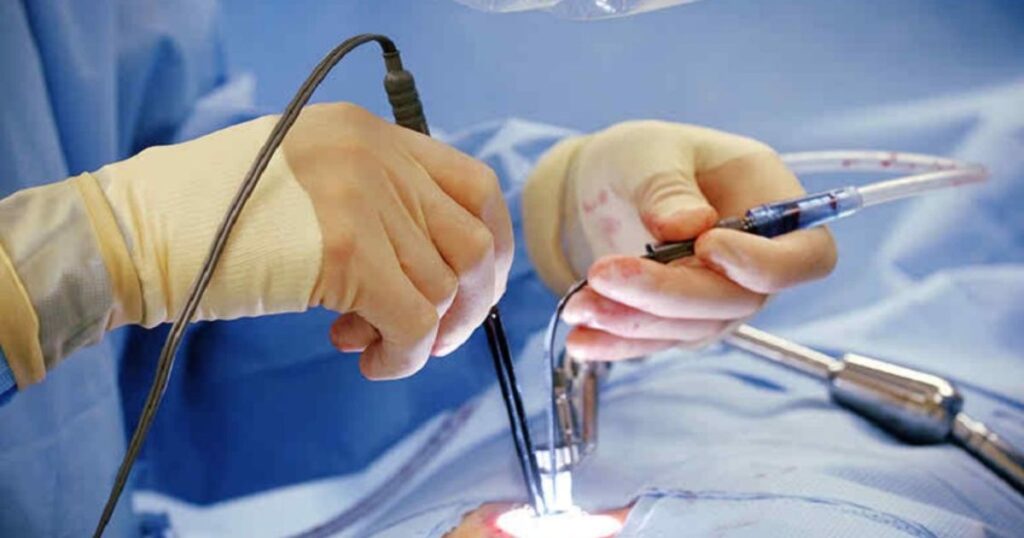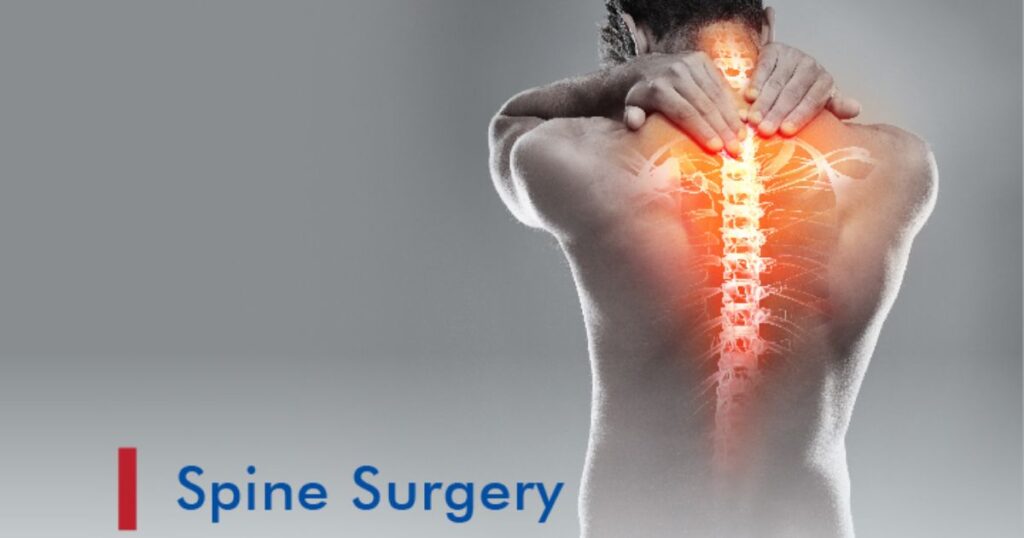

Depending on your condition, treatment may include physical therapy, medication management, targeted injections, and lifestyle adjustments. Whether you experience sciatica, a herniated disc, or persistent lower back pain, understanding your options matters. With proper evaluation and an individualized treatment plan, you can explore effective ways to regain movement and improve your quality of life.
Ready to find a treatment approach that fits your needs? Contact Spine & Pain Clinic of Texas to explore personalized pain management options in Plano, TX. Their team can evaluate your symptoms, discuss suitable treatments, and help you understand your next steps. Request an Appointment today or call +1 (214) 256-3900 to schedule your consultation. Take a positive step toward reduced discomfort, improved mobility, and a more active, comfortable lifestyle.
1. What Is Non-Surgical Spine Care, and Which Conditions Can It Treat?
Your spine supports nearly every movement you make. It helps you bend, twist, walk, lift, and maintain balance. When something affects its joints, discs, muscles, or nerves, everyday movement can become difficult. Non surgical spine care focuses on managing these problems without traditional spine surgery.
These treatments range from simple rehabilitation to minimally invasive procedures. Many patients benefit from a combination rather than one isolated treatment. The goal is to reduce discomfort, improve movement, and restore function. However, results depend on the underlying condition and your response to treatment.
Understanding Non-Surgical Spine Care and How It Works
Think of your spine as a carefully connected support system. Its vertebrae, discs, joints, ligaments, and muscles work together. When one structure becomes irritated or damaged, other areas may compensate. Noninvasive strategies aim to address symptoms and improve how this system functions.
For example, physical rehabilitation can strengthen weak muscles and improve movement patterns. Medication may help selected patients manage inflammation or discomfort. Some minimally invasive procedures target specific pain pathways. These approaches form part of Conservative treatment when surgery is not immediately necessary or appropriate.
Common Spine Conditions That May Benefit From Nonsurgical Treatment
Several spinal conditions may respond to nonsurgical management. These include herniated discs, degenerative disc disease, lumbar spinal stenosis, sciatica, facet joint arthritis, and certain cases of spondylosis. Patients with neck pain may also benefit from appropriate conservative treatment.
However, the diagnosis matters more than the treatment’s popularity. A person with muscular back pain may need a different approach than someone with compressed spinal nerves. Persistent lower back pain also deserves proper assessment when it continues, returns frequently, or interferes with daily activities.
Common Symptoms That Indicate You May Need Spine Care
Your symptoms can provide important clues about an underlying spine problem. Localized back pain may relate to muscles, joints, or spinal discs. Pain that travels into your buttock or leg may suggest nerve irritation. Tingling, numbness, weakness, and reduced mobility also deserve attention.
Pay particular attention to Back pain symptoms that become progressively worse. Difficulty walking, recurring leg pain, or reduced muscle strength may require a detailed examination. Early assessment can help identify the cause and guide suitable treatment before symptoms become more disruptive.
What Are the Main Benefits of Non-Surgical Spine Treatment?
One major advantage is the opportunity to explore treatment without immediately undergoing an operation. Many nonsurgical options avoid surgical incisions and general anesthesia. Rehabilitation can also help you build strength and improve movement gradually. Selected procedures may target pain without requiring traditional surgery.
Nevertheless, non surgical spine care does not guarantee a permanent cure. Some treatments manage symptoms rather than correct structural damage. For example, exercise may improve function in spinal stenosis without widening the narrowed spinal canal. Understanding this distinction helps you develop realistic treatment expectations.
2. What Are the Most Effective Non-Surgical Spine Treatment Options?
Treatment should match the source of your pain. No single method works for every spinal condition. Some patients improve through exercise and rehabilitation, while others need medication or additional specialist care. Noninvasive treatment options can also work together when a clinician considers the combination appropriate.
The following ten approaches represent common parts of a broader treatment discussion. Their evidence, benefits, and suitability differ. A specialist should explain which options make sense for your diagnosis rather than recommending every available procedure.
1. Physical Therapy for Spine Pain Relief
Physical therapy helps improve strength, flexibility, balance, and movement control. A trained therapist may assess your posture, walking pattern, muscle strength, and mobility. Your program can then target specific weaknesses that contribute to discomfort.
For example, someone with recurring lower back pain may need better core control and hip mobility. Professional therapists can teach safe movements and adjust exercises as your strength improves. Consistent rehabilitation may support Back stabilization and make ordinary activities easier.
2. Therapeutic Exercises and Guided Movement Programs
Movement plays an important role in many recovery plans. Walking, gentle stretching, and strengthening exercises can help maintain mobility. Appropriate Muscle strengthening exercises also improve the support provided by surrounding muscles.
However, exercise selection matters. A movement that helps muscular back pain may aggravate certain nerve-related symptoms. Start with exercises suited to your condition and build intensity gradually. Avoid forcing painful movements or copying routines that someone else’s diagnosis requires.
3. Medication Management for Chronic Spine Pain
Medication may help control symptoms when pain interferes with sleep or daily activities. Doctors sometimes consider anti-inflammatory medicines, selected muscle relaxants, or other medications based on the diagnosis. Over-the-counter medications may also provide temporary relief for certain patients.
Still, every medicine carries potential risks. Anti-inflammatory drugs can affect the stomach, kidneys, blood pressure, and cardiovascular system. Some medications interact with blood thinners or other prescriptions. Ask your clinician or pharmacist before starting treatment, especially when you have existing medical conditions.
4. Epidural Steroid Injections for Nerve-Related Pain
An epidural steroid injection delivers medication into the epidural space around spinal nerves. Doctors may consider it for selected patients with severe sciatica or nerve-root inflammation. The aim is to reduce inflammation and provide an opportunity for improved movement.
These injections do not repair a damaged disc or permanently remove nerve compression. Their benefits may also be limited or temporary. Evidence differs according to the condition and pain duration. The 2026 summary published by the American Academy of Family Physicians discusses important limitations of injections for chronic spine pain.
5. Facet Joint Injections and Diagnostic Nerve Blocks
Facet joints connect neighboring vertebrae and help guide spinal movement. Arthritis or irritation in these joints can contribute to localized back or neck pain. A specialist may consider diagnostic injections when the examination suggests facet-related pain.
A medial branch block temporarily numbs selected nerves that carry signals from facet joints. Doctors may use the response to assess whether those nerves contribute to symptoms. The result should guide a careful discussion rather than automatically lead to another procedure.
6. Trigger Point Injections for Muscle-Related Back Pain
Sometimes, tight muscle bands develop painful, sensitive areas called trigger points. These areas may cause localized discomfort or pain that spreads into nearby regions. Doctors may consider trigger point injections for selected patients with persistent muscle-related symptoms.
The treatment involves placing a small needle into the targeted area. Depending on the plan, the clinician may use local anesthetic or another appropriate technique. However, injections are not a universal solution for Muscle tension or chronic back pain. The underlying cause still needs attention.
7. Radiofrequency Ablation for Selected Chronic Spine Pain
Radiofrequency ablation uses heat to interrupt signals carried by selected nerves. Specialists may consider it for certain patients with suspected facet-related pain after diagnostic testing. The procedure aims to reduce pain signals from a specific area.
Patient selection matters greatly. A positive diagnostic response does not guarantee lasting improvement. Evidence and clinical recommendations also continue to evolve. A 2026 American Family Physician summary of a BMJ guideline reports that joint radiofrequency ablation did not outperform sham procedures for chronic axial spine pain. Patients should discuss this evidence before considering the procedure.
8. Manual Therapy and Massage as Supporting Treatments
Hands-on treatment may help selected patients with stiffness or muscular discomfort. Massage therapy can temporarily ease tight muscles and improve comfort. Manual techniques may also complement an exercise program when a clinician or therapist considers them appropriate.
Chiropractic care often involves manual spinal techniques, including mobilization or manipulation. Some patients report short-term symptom relief, although results vary. Strong manipulations may not suit everyone, particularly people with certain bone, vascular, or neurological conditions. Discuss your diagnosis before receiving Spinal adjustments or other forceful techniques.
9. Acupuncture and Dry Needling for Pain Management
Acupuncture uses Thin needles placed at selected points on the body. Some patients choose it as part of a broader pain management program. Research suggests that acupuncture may reduce chronic lower back pain for some people compared with receiving no treatment.
Dry needling also uses thin needles, but its approach and clinical purpose differ. Providers generally target muscles and trigger points rather than traditional acupuncture points. Neither treatment should replace an appropriate diagnosis or essential medical care. Their role is to support symptom management and potentially improve comfort.
10. Lifestyle Changes and Home-Based Spine Care
Your daily habits can influence how your back feels. Lifestyle changes may include gradual exercise, better sleep habits, healthy eating, and appropriate Weight management. These adjustments can reduce unnecessary strain and support long-term function.
Home care also includes sensible activity modification and comfortable movement. Supportive back braces may help in selected situations, but routine long-term use is not recommended for most chronic primary lower back pain. The World Health Organization advises against routinely using lumbar braces for this condition. Ask your clinician before depending on external support.
3. How Can You Relieve Lower Back Pain Without Surgery?
Lower back discomfort can interfere with work, sleep, exercise, and household tasks. Fortunately, Lower back pain treatment without surgery may be appropriate for many people. The first step is understanding whether your symptoms come from muscles, discs, joints, nerves, or another medical problem.
Effective Lower back pain relief often requires several small changes rather than one dramatic intervention. Your clinician may recommend movement, rehabilitation, medication, or another diagnosis-specific approach. A consistent plan can help you regain confidence and improve everyday function.
Identify the Underlying Cause of Your Lower Back Pain
Not all back pain begins in the same structure. A muscle strain may cause localized soreness after lifting something heavy. A herniated disc may irritate a nearby nerve and produce pain into the leg. Arthritis may contribute to stiffness and discomfort during certain movements.
The distinction matters because Lower back pain treatment should address the likely cause. Your provider will consider symptom location, duration, severity, and triggers. They may also check strength, sensation, reflexes, and mobility. Avoid assuming that every episode comes from a slipped disc or poor posture.
Use Physical Therapy to Improve Strength and Flexibility
A structured exercise program can help restore movement and reduce physical limitations. Your therapist may focus on the abdominal muscles, glutes, hips, and back. These are among the Muscles supporting your spine during everyday activities.
Some exercises emphasize flexibility, while others improve endurance and coordination. The right program may include gentle stretching, controlled core movements, and gradual strengthening. Progress should be measured by better function rather than by completing the hardest exercise.
Apply Heat and Cold Therapy for Temporary Relief
Simple home treatments can sometimes make discomfort easier to manage. Heat and cold therapy may offer temporary relief, depending on your symptoms and personal response. Warm compresses can help some people relax tight muscles. Cold packs may feel soothing after an irritating activity.
Use Hot or cold packs with a protective cloth between the pack and your skin. Avoid placing extreme temperatures directly against your skin. Limit each application to a comfortable period and stop if you notice burning, skin changes, or increased discomfort. These methods support comfort but do not correct every underlying problem.
Maintain Proper Posture While Sitting, Standing, and Driving
Long periods in one position can aggravate discomfort. Proper posture helps distribute physical loads more comfortably, although no single sitting position prevents all back pain. Adjust your chair, screen, and driving position to suit your body.
Focus on Maintaining proper posture without keeping your back rigid all day. Change positions regularly and take short movement breaks. Posture correction should feel practical rather than forced. A comfortable workstation and frequent walking can be more useful than trying to hold one perfect position for hours.
Stay Active Without Overloading Your Lower Back
When your back hurts, resting all day may seem like the safest option. However, prolonged bed rest can contribute to stiffness and reduced conditioning. Many people with uncomplicated lower back pain benefit from continuing comfortable daily movement.
Start with gentle walking or another activity you tolerate. Increase duration gradually and avoid sudden increases in lifting or exercise intensity. Notice Activities that worsen back pain and adjust them temporarily rather than abandoning movement altogether. Your clinician can help identify safe activity limits when symptoms are severe.
When Should Lower Back Pain Receive Professional Attention?
Occasional soreness may improve with time and appropriate self-care. However, symptoms deserve evaluation when they persist, repeatedly return, or interfere with work and sleep. Numbness, tingling, or pain spreading down one leg may also require assessment.
Seek prompt medical advice when back pain accompanies fever, unexplained weight loss, a history of cancer, significant trauma, or progressive weakness. New bladder or bowel changes and numbness around the groin require emergency evaluation. Do not rely on home remedies when serious warning signs appear.
4. What Nonsurgical Treatments Can Help Spinal Stenosis, Sciatica, and Herniated Discs?
Different spinal conditions need different treatment plans. Spinal stenosis involves narrowing around the spinal canal or nerve openings. Sciatica describes symptoms related to irritation or compression of nerves that contribute to leg pain. A herniated disc occurs when disc material extends beyond its usual boundary.
Nonsurgical approaches may improve comfort and function in selected cases. However, they do not always correct the structural cause. A patient with mild nerve irritation may respond differently from someone with severe compression or worsening weakness.
Non-Surgical Treatment Options for Lumbar Spinal Stenosis
Lumbar spinal stenosis develops when spaces around spinal nerves become narrower. Some people experience leg pain, numbness, or heaviness while standing or walking. These symptoms may ease when sitting or leaning forward.
Treatment may include guided exercise, activity modification, medication management, and selected procedures. Physical therapy often focuses on mobility, balance, and endurance. Importantly, Noninvasive lower back pain treatment can reduce symptoms without reversing the narrowing itself. Severe or progressive neurological problems require further specialist assessment.
How to Manage Sciatica Without Spine Surgery
Sciatica commonly causes pain that travels from the lower back through the buttock and into the leg. Some people also notice tingling, numbness, or weakness. A herniated disc is one possible cause, although other conditions can irritate the sciatic nerve.
Treatment depends on the cause and severity. Clinicians may recommend activity modification, guided exercise, suitable medication, or selected injections. Many cases improve without surgery, but progressive weakness deserves prompt evaluation. Severe symptoms that persist despite appropriate care may require a surgical opinion.
Nonsurgical Treatments for Herniated or Bulging Discs
A spinal disc acts as a cushion between neighboring vertebrae. When its outer layer weakens or tears, inner material may protrude and irritate nearby nerves. This can cause back pain, leg pain, numbness, or weakness, depending on its location.
Treatment may involve guided movement, medication, and a gradual return to normal activities. Some herniated discs become less symptomatic over time without surgery. However, imaging findings alone do not determine treatment. Your symptoms and physical examination must match the suspected problem.
Can Degenerative Disc Disease Be Managed Without Surgery?
Disc degeneration often develops as part of aging. Some people have visible changes on imaging without experiencing pain. Others develop recurring discomfort, stiffness, or reduced tolerance for certain activities.
Conservative treatment may include strengthening, movement training, medication, and carefully selected pain procedures. Maintaining activity can help preserve physical capacity. A clinician should also explain whether imaging findings actually relate to your symptoms. Degeneration on an MRI does not automatically mean you need an operation.
How Doctors Select Treatment for Different Spine Conditions
A useful treatment decision starts with the diagnosis. Specialists consider the location of pain, neurological findings, medical history, functional limitations, and previous treatment results. They also evaluate whether imaging would change the recommended plan.
The goal is to match treatment with Individual treatment needs, not simply choose the newest procedure. For example, an exercise program may suit muscular pain, while selected nerve-related symptoms require further investigation. This individualized process helps prevent unnecessary treatments and unrealistic expectations.
| Spine condition | Common symptoms | Possible treatment approaches |
|---|---|---|
| Lumbar spinal stenosis | Leg discomfort, numbness, walking difficulty | Guided exercise, activity modification, medication |
| Sciatica | Radiating pain, tingling, possible weakness | Rehabilitation, selected medication, further evaluation |
| Herniated disc | Back pain, leg pain, nerve irritation | Activity modification, exercise, selected procedures |
| Degenerative disc disease | Recurring discomfort, stiffness | Strengthening, movement training, symptom management |
| Facet joint arthritis | Localized back pain, stiffness | Exercise, assessment, selected interventions |
5. Who Is a Good Candidate for Non-Surgical Spine Care?
Many patients can explore nonsurgical treatment before considering an operation. This may include people with muscular pain, certain disc conditions, mild nerve irritation, or stable degenerative changes. Their symptoms must be assessed in light of their overall health and neurological function.
However, not everyone is a suitable candidate for every treatment. The best non surgical spine care plan depends on your diagnosis, symptom progression, and personal circumstances. A qualified clinician should explain which methods are reasonable and which could carry unnecessary risks.
Patients With Mild to Moderate Spine Pain
People with manageable symptoms may benefit from a structured conservative program. Treatment might include physical therapy, gradual exercise, appropriate medication, and practical activity changes. The objective is to improve function while monitoring symptoms.
For instance, a person who develops back soreness after long periods of sitting may need movement training and workstation adjustments. Someone with recurring leg pain may need a neurological assessment first. The difference matters because similar pain descriptions can have different causes.
People With Herniated Discs or Spinal Degeneration
A disc abnormality does not automatically make someone a surgical candidate. Many people have disc changes that improve with time and appropriate symptom management. Clinicians consider the relationship between scan findings and physical symptoms before recommending an intervention.
Patients with stable strength and manageable symptoms may discuss conservative options. However, significant neurological changes need prompt attention. Treatment should follow the clinical picture rather than an MRI report alone.
Patients Who Want to Explore Alternatives Before Surgery
Some patients prefer to understand conservative options before making a surgical decision. That is a reasonable discussion when no urgent warning signs exist. Your doctor can explain what a nonsurgical plan involves, how progress will be measured, and when reassessment becomes necessary.
Spinal support from stronger muscles, improved movement, and suitable rehabilitation may help some people maintain independence. Still, avoiding surgery should never become more important than protecting nerve function. A surgical opinion can be appropriate even when you want to explore conservative care.
Factors That Determine Your Eligibility for Nonsurgical Treatment
Your clinician will consider pain duration, symptom severity, strength, sensation, medical history, and earlier treatment results. They may also review medications, bone health, other medical conditions, and the demands of your daily activities.
These details help determine whether a treatment is suitable. For example, certain medications may be unsafe for people with kidney disease or stomach ulcers. Some exercise movements may require adjustment after an injury. A treatment that suits one patient may create unnecessary risk for another.
When Conservative Spine Treatment May Not Be Enough
Persistent symptoms do not always mean surgery is necessary. However, progressive weakness, serious nerve compression, or worsening neurological function can change the treatment decision. The same applies when a person has substantial disability despite appropriate treatment.
Your clinician may recommend a surgical consultation when the diagnosis, imaging, and symptoms support it. Emergency symptoms require faster action. The purpose of nonsurgical treatment is to improve your health, not delay necessary care.
6. What Happens During a Spine Evaluation Before Starting Treatment?
A proper evaluation helps explain why your spine hurts and what may improve it. Your clinician will first discuss your symptoms and medical history. They may then perform physical and neurological examinations to identify patterns that suggest muscular, joint, disc, or nerve-related problems.
This process guides non surgical spine care more safely than choosing a procedure based only on pain location. The doctor may review earlier imaging or order additional tests when the findings could affect treatment. Not every patient needs an MRI or X-ray at the first visit.
Reviewing Your Medical History and Pain Symptoms
Your doctor may ask when the pain started and whether an injury triggered it. They may ask where symptoms travel, what makes them worse, and whether you have experienced weakness or numbness. Previous treatments and medical conditions also matter.
Be specific about how pain affects your life. Explain whether you struggle to sit, stand, sleep, work, or walk. Mention prescription medicines and supplements. These details help the clinician understand your symptoms and avoid overlooking important medical factors.
Physical Examination and Neurological Assessment
A physical examination may include checking your posture, walking pattern, spinal movement, and muscle strength. The clinician may test reflexes and sensation when nerve irritation is suspected. They may also observe how certain movements affect your symptoms.
These findings help distinguish different causes of pain. For example, pain during a particular movement does not confirm one diagnosis by itself. A careful evaluation combines several findings before recommending Pain management or a specific procedure.
When Do You Need an MRI, X-Ray, or CT Scan?
Imaging can reveal structural details that a physical examination cannot show. X-rays help assess bone alignment and certain degenerative changes. MRI scans show discs, nerves, soft tissues, and areas of possible compression. CT scans provide detailed views of bone structures.
However, scans are not necessary for every episode of back pain. Guidelines generally discourage routine early imaging when there are no warning signs and results would not change management. Your provider may recommend imaging for serious symptoms, persistent problems, or planned specialist treatment.
Creating an Individualized Non-Surgical Spine Treatment Plan
Once the clinician understands your condition, they can discuss treatment choices. The plan may include rehabilitation, medication, activity guidance, or selected procedures. Some patients benefit from combining approaches rather than relying on one intervention.
A clear plan should explain expected benefits, possible risks, costs, and alternatives. It should also identify what improvement looks like. For example, walking farther or sleeping better may be more meaningful than achieving a zero-pain score immediately.
Monitoring Your Progress and Adjusting Treatment
Recovery rarely follows the same timeline for everyone. Your clinician may review pain levels, walking distance, sleep, strength, and daily function. These measures help show whether treatment is making a meaningful difference.
If symptoms remain unchanged, the plan may need adjustment. That does not automatically mean surgery is next. The clinician may reconsider the diagnosis, review imaging, or discuss another reasonable approach. Regular assessment keeps treatment focused on Patient recovery and practical progress.
7. Does Non-Surgical Spinal Decompression Work, and Is It Safe?
Mechanical spinal decompression is often advertised as a way to relieve pressure on spinal discs. The treatment usually involves a motorized table that applies controlled pulling forces. Some clinics promote it for selected lower back conditions, but its evidence deserves careful examination.
First, understand that mechanical decompression is not the same as surgical decompression. The nonsurgical method uses traction-like forces without removing bone or disc material. Non surgical spine care should describe this distinction clearly because the names can easily confuse patients.
What Is Non-Surgical Spinal Decompression Therapy?
Non-surgical spinal decompression is a form of mechanical traction. A patient lies on a specialized table while the device applies controlled forces to the spine. Treatment settings may vary according to the equipment and provider.
Some providers suggest that this process changes pressure around spinal discs. However, proposed mechanisms do not establish reliable clinical benefits. Patients should ask about research, realistic goals, and alternatives before paying for a series of sessions.
How Does a Spinal Decompression Machine Work?
The machine generally uses straps or supports to position the patient. A computer-controlled system then applies and releases pulling forces. Sessions usually take place in a clinic under staff supervision.
Treatment duration and force settings vary between devices. A patient may feel stretching or pulling during the session. Stop and report worsening symptoms, unusual pain, or new numbness immediately. Never assume that stronger traction creates better results.
What Conditions Are Treated With Spinal Decompression?
Some clinics market mechanical decompression for herniated discs, bulging discs, or chronic lower back pain. However, marketing claims should not replace evidence. Research has not established that this treatment reliably repairs discs or permanently restores normal disc structure.
People with different diagnoses may respond differently. Mechanical traction is not an appropriate universal treatment for spinal stenosis, sciatica, or degenerative disc disease. A proper evaluation should determine whether a trial is reasonable at all.
What Does Scientific Evidence Say About Spinal Decompression?
The evidence for traction and mechanical decompression remains limited. The World Health Organization advises against routine traction for chronic primary lower back pain. The American Academy of Orthopaedic Surgeons also describes the results of lumbar traction as limited.
A 2026 review in American Family Physician similarly reports that traction is ineffective for nonspecific acute or chronic lower back pain. These findings do not prove that every individual experience will be identical. They do mean patients should avoid promises of permanent disc repair or guaranteed relief.
Who Should Avoid Spinal Decompression or Receive Additional Screening?
Suitability depends on your medical history and the device being considered. Certain fractures, severe bone weakness, unstable spinal conditions, or serious neurological problems may affect safety. Your clinician should also consider previous surgery and other relevant medical conditions.
Do not start treatment simply because an advertisement recommends it. Ask who will evaluate you and what evidence supports the proposed method. Discuss alternatives before committing to a treatment package.
What Should You Expect During a Decompression Session?
A responsible provider should begin with a medical review and explain the proposed treatment. You should understand the expected sensation, session schedule, potential risks, and stopping rules. Staff should monitor your response rather than leave you without appropriate supervision.
Progress should be measured through meaningful changes in pain and function. If sessions repeatedly increase symptoms or provide no useful benefit, the provider should reassess the plan. Back pain recovery should never depend on purchasing an unlimited number of treatments.
8. How Does Non-Surgical Spine Treatment Compare With Surgery?
Both approaches have different purposes. Nonsurgical treatment usually aims to manage symptoms, maintain mobility, and improve daily function. Surgery may correct selected structural problems or directly relieve pressure on compressed nerves.
The better option depends on the condition rather than personal preference alone. Non surgical spine care can be a suitable starting point for many patients. However, a person with serious nerve compression may need surgery sooner. An honest comparison considers likely benefits, risks, recovery, and long-term goals.
Differences Between Nonsurgical Spine Care and Surgical Treatment
Nonsurgical treatment includes rehabilitation, medication, activity modification, and selected minimally invasive procedures. Some options require no needles or incisions. Others, such as injections, involve specialized medical procedures but are not conventional open surgery.
Surgery involves an operation to address a specific structural problem. Depending on the diagnosis, a surgeon may remove disc material, create more space for nerves, or stabilize part of the spine. Neither approach guarantees complete relief.
Recovery Time and Daily Activities After Treatment
Recovery varies widely between treatment types. A person starting physical therapy may continue most regular activities with adjustments. Someone receiving an injection may need temporary activity restrictions. Surgical recovery can involve wound care, rehabilitation, lifting limits, and a longer return to normal activity.
However, treatment complexity alone cannot predict recovery. Age, overall health, condition severity, and neurological function all matter. Ask your clinician for a realistic timeline based on the procedure or treatment being considered.
Potential Benefits and Risks of Each Approach
Nonsurgical treatment may avoid surgical risks and help preserve normal activity. However, medicines can cause side effects, injections carry procedural risks, and some therapies offer limited benefit. Delaying necessary treatment can also create problems when serious nerve compression progresses.
Surgery may address an underlying structural cause more directly. Yet operations can involve infection, bleeding, anesthesia complications, nerve injury, and persistent symptoms. Your surgeon should explain both common and serious risks using information relevant to your condition.
| Comparison factor | Nonsurgical treatment | Spine surgery |
|---|---|---|
| Main purpose | Manage symptoms and improve function | Address selected structural problems |
| Treatment examples | Exercise, medication, injections | Discectomy, laminectomy, fusion |
| Incision | Often none; some procedures use needles | Usually involves an incision |
| Recovery | Varies by treatment | Depends on the operation |
| Main risks | Medication effects and procedure-specific risks | Surgical and anesthesia-related risks |
| Suitability | Depends on diagnosis and symptoms | Depends on structural findings and clinical need |
Can Non-Surgical Treatment Provide Long-Term Pain Relief?
Some patients achieve lasting improvement through exercise, rehabilitation, and practical lifestyle adjustments. Others experience recurring symptoms that require ongoing management. Outcomes depend on the diagnosis and the treatment’s suitability.
The aim should be better function and a manageable level of discomfort. A treatment plan should also help you recognize when symptoms change. Long-term success rarely depends on one appointment or one procedure alone.
Which Approach May Be More Appropriate for Your Condition?
A specialist considers your symptoms, examination, imaging, medical history, and previous response to treatment. They also discuss your priorities and concerns. For example, someone with stable symptoms may reasonably explore conservative treatment, while progressive weakness requires faster investigation.
You should receive a clear explanation of the available choices. Ask what happens if you wait, what happens if treatment fails, and whether a second opinion would help. Shared decisions allow you to compare options without feeling pressured.
9. When Should You Consider Spine Surgery Instead of Nonsurgical Treatment?
Surgery becomes a consideration when a specific spinal problem causes substantial symptoms or neurological risks. It may also enter the discussion when suitable nonsurgical treatment fails to restore acceptable function. Your doctor must connect the diagnosis with your symptoms before recommending an operation.
Avoid assuming that severe pain always requires surgery. Some painful conditions improve without an operation. However, progressive nerve damage and certain emergency conditions need prompt attention. Non surgical spine care should never delay treatment when a dangerous problem is suspected.
Persistent Back Pain That Does Not Respond to Conservative Treatment
Some patients continue experiencing disabling pain despite appropriate rehabilitation, medication, or other treatments. Doctors may review the diagnosis and investigate whether a structural problem explains the symptoms. They may also consider how much pain affects walking, work, sleep, and independence.
A surgical opinion may be reasonable when imaging findings match the symptoms and a suitable operation could improve function. The decision should involve a careful discussion of expected benefits and risks. There is no universal number of weeks that automatically makes surgery necessary for everyone.
Progressive Nerve Damage, Weakness, or Foot Drop
Nerve compression can sometimes cause weakness in the legs or feet. Foot drop occurs when a person struggles to lift the front of the foot during walking. This can increase the risk of tripping and falling.
New or worsening weakness needs prompt medical assessment. Do not continue an exercise program without reporting neurological changes. Depending on the cause and severity, a specialist may recommend urgent imaging or surgical evaluation.
Severe Spinal Stenosis Affecting Walking and Mobility
Advanced lumbar stenosis can restrict walking and standing. Some patients experience pain, numbness, or heaviness in the legs after covering short distances. Others find that sitting or bending forward temporarily improves their symptoms.
Conservative treatment may help selected patients manage these limitations. However, severe disability or progressive neurological problems may justify surgical assessment. A surgeon may discuss decompression when the clinical findings support it and other appropriate treatments have not provided enough improvement.
When a Herniated Disc May Require Surgical Treatment
Many herniated discs improve without an operation. However, some patients continue experiencing severe nerve pain or progressive weakness. Surgery may become appropriate when symptoms, examination results, and imaging identify a matching source of compression.
A surgeon may discuss discectomy or another suitable procedure. The choice depends on the affected spinal level and specific findings. Patients should understand what the operation aims to improve and which symptoms may remain afterward.
Emergency Warning Signs That Require Immediate Medical Attention
Certain symptoms can signal serious compression of nerves in the lower spinal canal. One dangerous condition is cauda equina syndrome. It requires immediate assessment because delayed treatment may cause permanent neurological damage.
Seek emergency medical care if you develop new urinary retention, loss of bladder or bowel control, numbness around the groin or saddle area, or rapidly worsening leg weakness. Do not wait for a routine appointment or another conservative treatment session. Sudden neurological changes deserve urgent attention.
What Spine Surgery Options Might Your Doctor Discuss?
The recommended operation depends on the structural problem. A discectomy removes part of a herniated disc that compresses a nerve. A laminectomy removes selected bone to create more space around spinal nerves. Spinal fusion joins vertebrae when stabilization is necessary.
Some patients may qualify for minimally invasive versions of certain procedures. Others require different surgical approaches. The name of an operation alone cannot predict its benefits. Ask why your surgeon recommends it and whether other suitable options exist.
10. How Can You Choose the Right Non-Surgical Spine Care in Plano, TX?
Finding the right clinic involves more than choosing the closest office. You need a provider who understands your symptoms and can explain the available treatment choices. Look for relevant medical training, experience with your condition, clear communication, and appropriate follow-up care.
For local patients, Plano, Texas offers access to different medical practices and pain management services. Before selecting a clinic, verify its address, clinician credentials, available treatments, insurance policies, and appointment process. A thoughtful comparison can help you make a more informed decision.
Look for Experienced Spine and Pain Management Specialists
Spine-related pain can involve several structures and medical conditions. A qualified specialist should be able to discuss possible causes and explain the purpose of recommended treatment. Ask about board certification, relevant training, clinical experience, and familiarity with your diagnosis.
You should also feel comfortable asking questions. The clinician should explain medical terms in plain English and discuss treatment limitations. Good care involves listening as well as recommending procedures. Avoid providers who promise guaranteed results or dismiss your concerns.
Choose a Clinic Offering Individualized Nonsurgical Treatment Options
A clinic should evaluate your condition before suggesting a treatment. Depending on its services, it may offer medication management, targeted injections, nerve blocks, or referrals for rehabilitation. These options should be considered according to clinical need rather than used automatically.
Ask whether the clinic reviews earlier imaging and coordinates follow-up care. Find out who performs each procedure and how the team monitors progress. Daily pain management should involve a practical plan that fits your symptoms and health needs.
Ask About Your Diagnosis, Treatment Goals, and Expected Results
A useful consultation should give you a clearer understanding of your condition. Ask what the examination suggests and whether additional imaging is needed. Discuss the expected benefits, risks, alternatives, costs, and likely recovery process.
You should also understand how the clinic measures improvement. Better sleep, longer walking distance, and improved ability to work may matter more than a temporary change in pain intensity. These goals can help you judge whether the treatment is working.
Why Consider a Local Spine and Pain Clinic in Plano?
Choosing a convenient local clinic can make follow-up visits easier. This matters when your plan includes reassessment, medication reviews, or a series of medically indicated procedures. Patients traveling from Frisco, Allen, McKinney, Richardson, or nearby communities may also consider access and appointment availability.
When researching providers, confirm their names and locations carefully. For example, Spine Care of North Texas and Spine & Pain Clinic of Texas are separate clinic names. Do not assume that services or appointment details belong to the same practice. Always verify the provider you intend to visit.
Schedule a Consultation for Non-Surgical Spine Care in Plano, TX
Spine & Pain Clinic of Texas lists its Plano office at 6300 Stonewood Drive, Suite 206, Plano, TX 75024. The clinic’s published location page identifies Dr. Muhammad Arif and describes its pain management services. Contact the office to confirm which services suit your condition.
You can call (469) 915-5222 or visit the Plano clinic page for location information. The clinic also provides an online appointment and contact page. Ask about your symptoms, appointment availability, insurance, and the next steps for an evaluation.
Conclusion: Is Non-Surgical Spine Care the Right Choice for You?
Spine pain does not always require an operation. Many patients can explore exercise, rehabilitation, medication management, and other appropriate treatments first. The right approach depends on the underlying diagnosis, symptom severity, and overall health.
Non surgical spine care offers several options for managing back pain and improving daily function. However, no treatment works equally well for everyone. Mechanical decompression, injections, and other procedures also have important evidence limitations. A qualified clinician should explain these details before recommending treatment.
If your symptoms affect walking, working, sleeping, or enjoying daily activities, consider arranging a proper evaluation. Patients in Plano can discuss their concerns with a qualified spine and pain specialist. The goal is not simply to avoid surgery. It is to find the safest and most suitable path toward better movement and quality of life.
Frequently Asked Questions About Non-Surgical Spine Care
Can Spine Problems Be Treated Without Surgery?
Yes, many spine-related problems can be managed without an operation. Treatment may include physical therapy, guided exercise, medication, and selected procedures. However, serious nerve compression or progressive neurological symptoms may require surgical evaluation.
What Is the Best Non-Surgical Treatment for Lower Back Pain?
There is no single treatment that works best for everyone. Exercise-based rehabilitation, education, and continued activity are important approaches for many patients. Your doctor should recommend treatment according to the cause of your pain.
Can Spinal Stenosis Improve Without Surgery?
Some patients with spinal stenosis experience improved comfort and mobility through rehabilitation and symptom management. These treatments do not necessarily reverse spinal canal narrowing. Severe or progressive symptoms may require a surgical opinion.
Does Non-Surgical Spinal Decompression Really Work?
Mechanical spinal decompression has limited supporting evidence for chronic nonspecific lower back pain. It should not be presented as a proven way to repair discs permanently. Ask your provider about the research and appropriate alternatives.
How Long Does Non-Surgical Spine Treatment Take to Work?
The timeline varies according to your diagnosis, symptoms, and selected treatment. Some people notice gradual improvement over several weeks. Others need a longer rehabilitation plan or additional medical assessment.
Are Spinal Injections Considered Non-Surgical Treatments?
Yes, spinal injections are generally classified as minimally invasive procedures rather than traditional surgery. They may be considered for selected conditions. Their benefits vary, and some injections have limited evidence for chronic spine pain.
When Should I See a Spine Specialist in Plano, TX?
Consider an evaluation when back pain persists, repeatedly returns, spreads into your legs, or affects daily activities. New weakness needs prompt assessment. Bladder or bowel changes and saddle numbness require emergency medical attention.