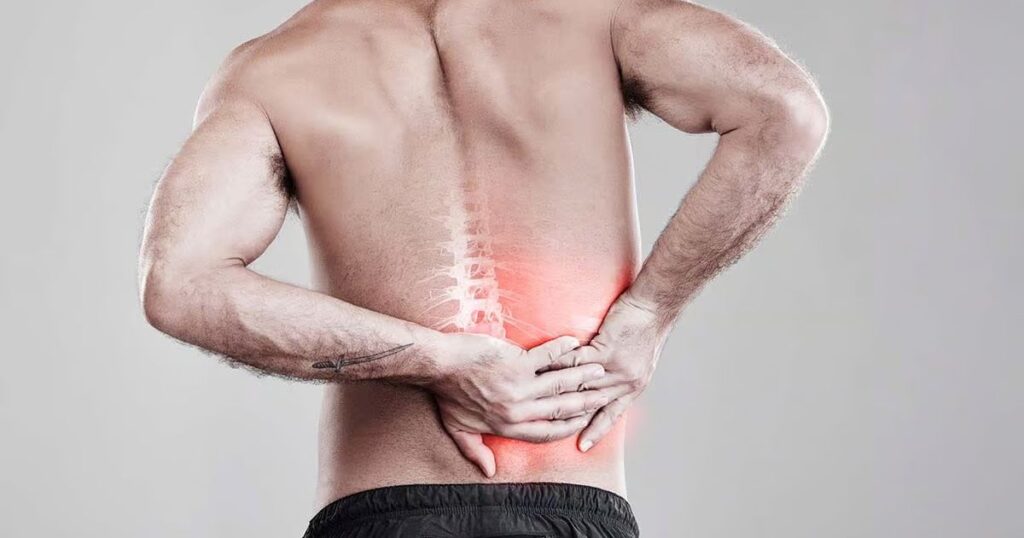

Right side back pain can make everyday activities such as sitting, driving, working, and sleeping uncomfortable. The discomfort may feel like a dull ache, a sharp twinge, or pain that spreads toward your hip or leg. Sometimes, a simple muscle strain is responsible. However, spinal conditions, kidney stones, and other internal problems can cause similar symptoms. The location and intensity of pain may offer clues,
but they cannot confirm its cause. If you live in Plano, Texas, understanding these possibilities can help you know when to seek medical advice. This guide explains common causes, warning signs, diagnosis, and treatment options. Early assessment can guide the next steps toward relief.
Ready to find relief from right side back pain? Visit Spine & Pain Clinic of Texas to explore personalized pain management services in Plano. Their team can help evaluate your symptoms, identify possible causes, and discuss suitable treatment options. Whether you’re experiencing lower right back pain or recurring discomfort, getting the right medical guidance matters. Request an Appointment today or call +1 (214) 256-3900 to schedule your consultation. Take the first step toward better mobility, reduced discomfort, and an improved quality of life.
1. What Does Right Side Back Pain Feel Like?
The way your back feels can offer useful clues about the underlying problem. Some people notice a dull ache near their waistline, while others experience sharp discomfort beneath their shoulder blade. The intensity can also change when you bend, twist, walk, or remain seated.
However, pain location alone cannot confirm a diagnosis. Symptoms of right side back pain may develop suddenly after an injury or gradually over several weeks. You might also experience tingling, muscle tightness, or discomfort that travels into your hip or leg.
Common Symptoms of Right Side Back Pain
People experience different sensations depending on the affected muscles, joints, nerves, or organs. You may notice Back stiffness, tenderness, burning sensations, or Restricted movement when bending. Some people also develop Muscle cramps in the lower back, particularly after lifting heavy objects or sitting for extended periods.
Right Upper Back Pain
Upper back discomfort usually develops around the shoulder blades and upper ribs. Poor posture, muscle fatigue, and thoracic spine problems can contribute to this condition. Sometimes, gallbladder problems also produce discomfort beneath the right ribs that spreads toward the shoulder blade.
Right Middle Back Pain
The middle back contains several muscles, joints, ribs, and spinal structures. Irritation in these tissues can create localized discomfort between the shoulder blade and waistline. You might notice increased soreness when twisting, reaching overhead, or taking deep breaths.
Right Lower Back Pain
Lower right back pain commonly affects the muscles surrounding the lumbar spine and right hip. Heavy lifting, prolonged sitting, and awkward movements can trigger discomfort. Sometimes, spinal discs, irritated nerves, or sacroiliac joint problems contribute to the symptoms.
Sharp, Dull, Burning, or Radiating Pain
Pain quality provides another useful clue. Sharp discomfort may follow an injury or sudden movement, while burning sensations can accompany nerve irritation. Sciatic nerve pain may travel from the lower back through one buttock and down the leg. However, these patterns require proper evaluation.
Understanding Different Pain Patterns
| Pain location or sensation | Possible explanation |
|---|---|
| Upper right back | Muscle strain or referred gallbladder pain |
| Middle right back | Muscle irritation or thoracic spine problems |
| Lower right back | Muscle strain or lumbar joint problems |
| Flank discomfort | Kidney or urinary conditions |
| Pain extending into the leg | Possible nerve irritation |
| Pain beneath the right ribs | Muscular or abdominal causes |
This table provides general examples rather than a diagnostic guide. Several conditions can produce overlapping symptoms.
2. What Are the Most Common Causes of Right Side Back Pain?
Muscles and supporting tissues handle much of your body’s daily movement. Unfortunately, repetitive activities and sudden physical stress can overload these structures. This makes muscular problems among the common explanations for one-sided back discomfort.
The Causes of right side back pain vary considerably between individuals. Your occupation, exercise habits, posture, previous injuries, and general health all influence your risk. In Plano, people who spend long hours commuting or working at desks may benefit from regular movement and better workstation habits.
Muscle Strains and Sprains
A Back muscle strain develops when a muscle or tendon stretches excessively or tears. Sprains involve injured ligaments that connect and support your spinal bones. These Muscle sprains and strains may follow twisting, lifting, sports activities, or sudden movements. Symptoms often include tenderness, spasms, and discomfort during movement.
Poor Posture and Prolonged Sitting
Sitting for several hours can increase stress on your back muscles. Slouching, leaning toward one side, and using unsupported chairs may make this problem worse. Over time, these habits can contribute to muscular fatigue and recurring soreness.
For example, imagine spending an entire workday leaning toward one computer monitor. Your muscles may become tired from maintaining that uneven position. Taking movement breaks and adjusting your workstation can help reduce unnecessary strain.
Heavy Lifting and Repetitive Movements
Lifting a heavy box with a rounded back can place considerable pressure on your spine. Repeated bending, twisting, and carrying also increase the workload on supporting tissues. These movements may cause muscle injuries or Ligament injuries, particularly when your body is not prepared.
Sacroiliac (SI) Joint Dysfunction
Your sacroiliac joints connect the lower spine with the pelvis. These joints transfer weight between your upper body and legs. Irritation or altered movement can cause discomfort near one side of your lower back, buttock, or hip.
The pain may increase when climbing stairs, standing on one leg, or moving between sitting and standing. A physical examination can help distinguish SI joint problems from other lumbar conditions.
Sports Injuries and Physical Overexertion
Exercise strengthens your body, but sudden increases in activity can overwhelm unprepared muscles. Running, weightlifting, golf, and contact sports may involve repeated twisting or powerful movements. Without gradual progression and adequate recovery, these activities can trigger back soreness and inflammation.
Sleeping Position and Mattress-Related Discomfort
Your sleeping position can influence how your back feels after waking. An uncomfortable mattress or unsupported sleeping posture may increase morning stiffness. However, persistent pain should not automatically be blamed on your mattress. A healthcare professional can investigate other possible explanations.
3. Which Spinal Conditions Can Cause Right Side Back Pain?
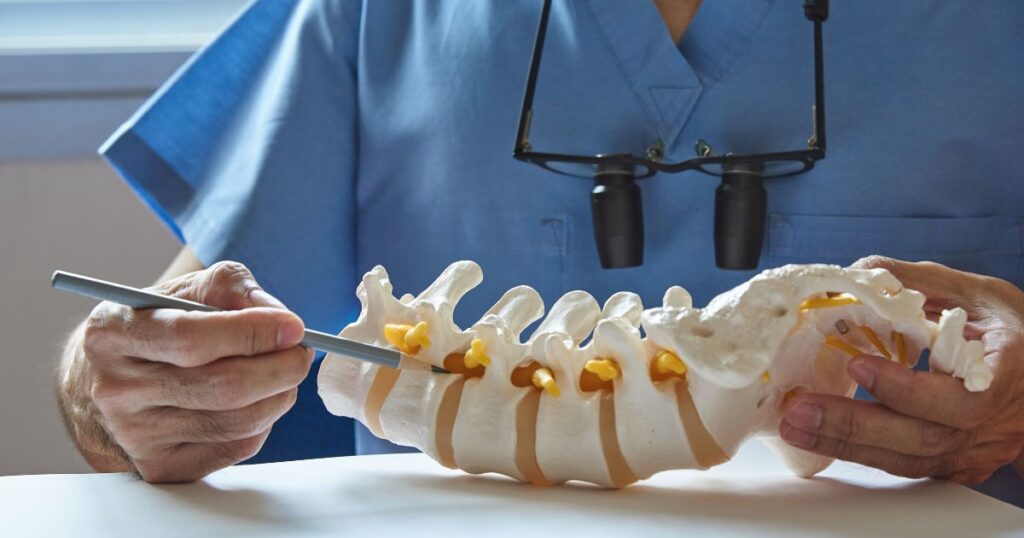
Your spine contains bones, joints, discs, ligaments, and nerves that work together. Problems involving any of these structures can produce localized or radiating discomfort. Some conditions develop gradually, while others follow injuries or sudden physical stress.
Spinal problems can also cause Chronic back pain when symptoms persist or repeatedly return. The exact pattern depends on which structure becomes irritated. Understanding these conditions can help you recognize when ordinary muscular soreness might involve something deeper.
Herniated or Bulging Disc
A Herniated disc develops when the soft inner material of a spinal disc pushes through a weakened outer layer. The displaced material may irritate a nearby Spinal nerve root, producing pain, tingling, or weakness. Symptoms sometimes extend into one leg, depending on the affected nerve. MedlinePlus explains herniated disc symptoms and treatment.
Spinal Stenosis
Spinal stenosis occurs when spaces within the spinal canal become narrower. This narrowing may place pressure on nearby nerves or the spinal cord. People often experience discomfort, numbness, or weakness that becomes worse while standing or walking. Sitting or leaning forward may provide relief.
The condition commonly develops alongside age-related spinal changes. However, previous injuries and other structural problems can also contribute. Learn more about spinal stenosis and its symptoms.
Sciatica and Pinched Nerves
Sciatica describes symptoms caused by irritation or compression involving the sciatic nerve or its nerve roots. It often creates discomfort that travels from the lower back into one buttock and leg. Some people experience Radiculopathy, which can include burning pain, tingling, numbness, or muscle weakness.
Pain may increase during prolonged sitting, coughing, sneezing, or certain movements. Treatment depends on the underlying cause and the severity of nerve involvement. MedlinePlus provides further information about sciatica.
Degenerative Disc Disease
Spinal discs gradually lose some of their water content and flexibility as people age. These changes can reduce their ability to absorb pressure during everyday movement. Some individuals develop discomfort when bending, lifting, or maintaining one position for too long.
However, disc degeneration on an imaging scan does not always explain someone’s symptoms. Many people have age-related disc changes without experiencing significant pain. Your examination and medical history help determine whether these findings matter.
Facet Joint Arthritis and Spinal Joint Problems
Facet joints connect neighboring vertebrae and guide spinal movement. Arthritis or irritation in these joints can produce localized discomfort, especially during twisting or backward bending. Pain may spread into the buttock or nearby hip region without traveling down the entire leg.
Some patients experience stiffness after waking or remaining inactive. Treatment may include guided exercises, medication, or selected procedures when appropriate. The source of pain must be assessed before considering injections or other interventions.
Spondylolisthesis
Spondylolisthesis occurs when one vertebra shifts forward relative to the bone beneath it. This movement may narrow nearby spaces and irritate spinal nerves. Some people experience lower back discomfort, tight hamstrings, or symptoms extending into one leg.
The condition can develop through age-related changes, stress injuries, or other structural problems. Treatment depends on stability, symptoms, and neurological findings.
4. Can Kidney and Other Internal Organ Problems Cause Right Side Back Pain?
Not every painful spot near your back originates from the spine. Your kidneys, digestive organs, and reproductive structures can sometimes produce discomfort that feels like a back problem. This happens because internal organs and nearby body regions share connected nerve pathways.
For this reason, Pain in the back and abdomen deserves careful attention when accompanied by unusual symptoms. Pain radiating to the lower abdomen or groin may suggest a urinary or abdominal condition. Recognizing associated symptoms helps healthcare professionals choose appropriate tests.
Kidney Stones and Right Side Back Pain
Kidney stones form when minerals and salts collect into hard deposits inside the urinary system. A stone moving through the ureter can create intense pain around the side, back, lower abdomen, or groin. The discomfort may arrive in waves and change as the stone moves.
Some people notice Blood in urine, a Frequent urge to urinate, or a Burning sensation while urinating. Cloudy or Foul-smelling urine may also occur. Larger stones can sometimes cause Difficulty emptying the bladder. The National Institute of Diabetes and Digestive and Kidney Diseases explains kidney stone symptoms.
Kidney Infections
Kidney infections usually develop when bacteria travel upward through the urinary tract. They can cause pain beneath the ribs or around one side of the back. Patients may also experience painful urination, frequent urination, and unusual urine changes.
More concerning symptoms include Fever and chills, fatigue, and Nausea and vomiting. A suspected kidney infection needs prompt medical assessment because delayed treatment can lead to serious complications. Antibiotics are commonly required when bacteria cause the infection.
Appendicitis
Appendicitis develops when the appendix becomes inflamed. Its most recognized symptom is abdominal pain that often begins near the belly button and moves toward the lower right abdomen. Pain may worsen during walking, coughing, or movement.
Some patients also experience appetite loss, nausea, vomiting, and fever. Although discomfort can sometimes feel unusual or extend toward the back, isolated back pain is not the typical presentation. Suspected appendicitis requires urgent emergency assessment. Read about appendicitis symptoms and complications.
Gallbladder and Digestive Problems
Gallbladder problems may create pain beneath the right rib cage. Gallstones can block bile ducts and trigger discomfort in the upper abdomen. Sometimes, this pain spreads toward the right shoulder blade or back.
Digestive problems can also produce abdominal discomfort that feels like back pain. Persistent abdominal symptoms, vomiting, fever, or yellowing of the skin need prompt assessment. The NHS explains common gallstone symptoms.
Ulcerative Colitis and Inflammatory Bowel Conditions
Ulcerative colitis affects the lining of the large intestine and commonly causes digestive symptoms. These include diarrhea, abdominal cramps, and sometimes blood in the stool. It does not usually cause isolated right-sided back pain directly.
However, some people with inflammatory bowel disease develop associated joint inflammation. This may involve the spine or pelvic joints and contribute to back discomfort. Painful bowel movements and recurring digestive symptoms deserve appropriate medical evaluation.
Female Reproductive and Pelvic Conditions
Certain reproductive conditions can contribute to pelvic discomfort and lower back symptoms. Uterine fibroids may cause pressure, heavy bleeding, and lower back aches. Endometriosis can produce pelvic pain, painful periods, and discomfort during bowel movements or intercourse. ACOG explains endometriosis symptoms.
Pelvic inflammatory disease is another possible cause of lower abdominal and pelvic discomfort. Symptoms may include unusual vaginal discharge, fever, and Pain during intercourse. Painful bowel movements or urinary symptoms may also occur. Women experiencing Heavy menstrual bleeding or persistent pelvic symptoms should discuss them with a healthcare professional.
Pregnancy can also contribute to back discomfort as the body changes. Growing abdominal weight shifts posture, while pregnancy-related hormones loosen supporting ligaments. Gentle activity and supportive sleeping positions may help, but new or severe pain during pregnancy should be discussed with an obstetric professional. MedlinePlus provides pregnancy-related backache guidance.
5. What Causes Right Side Back Pain in Men?
Men can experience ordinary muscular and spinal problems just like anyone else. However, certain prostate, urinary, and reproductive conditions may also produce pelvic or lower back discomfort. These problems can occur alongside urinary changes or pain around the groin.
It is important to avoid assuming that every backache signals a reproductive condition. The location, timing, and accompanying symptoms matter. A careful medical assessment helps identify whether the discomfort originates from muscles, nerves, or another body system.
Prostatitis and Prostate Inflammation
Prostatitis refers to inflammation or infection involving the prostate gland. It can cause pelvic discomfort, urinary urgency, and pain around the lower abdomen or back. Some men also experience burning during urination, painful ejaculation, or difficulty passing urine. NIDDK explains prostatitis symptoms and treatment.
Testicular Conditions and Referred Back Pain
Testicular inflammation or injury can cause pain around the scrotum and groin. Sometimes, discomfort spreads into nearby abdominal or pelvic regions. However, sudden severe testicular pain requires immediate attention because Testicular torsion can cut off blood flow to the affected testicle.
This condition is a medical emergency. Do not wait for the pain to disappear before seeking help. The NHS explains urgent testicular pain symptoms.
Urinary Tract and Reproductive System Problems
Urinary tract infections can cause painful urination, urinary urgency, and lower abdominal discomfort. Some infections spread toward the kidneys and produce flank or back pain. Men with recurring urinary symptoms should receive appropriate testing rather than treating the problem themselves.
6. How Is Right Side Back Pain Diagnosed?
Finding the real source of discomfort requires more than identifying its location. A healthcare professional considers your symptoms, medical history, daily activities, and physical examination findings. They also look for warning signs that might suggest an internal organ problem.
You may need only a clinical examination when symptoms appear consistent with uncomplicated muscular pain. However, persistent symptoms or unusual findings can require additional investigations. Good diagnosis helps prevent unnecessary procedures and directs treatment toward the actual problem.
Medical History and Physical Examination
Your healthcare professional will ask when the pain started and what makes it better or worse. They may discuss previous injuries, exercise habits, medication use, and other health conditions. The examination can include checking spinal movement, tenderness, posture, and hip mobility.
Neurological Examination
When nerve involvement is suspected, your provider may check muscle strength, reflexes, and sensation. They might also evaluate walking ability and movements that reproduce leg symptoms. These findings help identify possible Nerve irritation or compression involving specific spinal nerve roots.
X-Rays and MRI Scans
Imaging tests help investigate certain structural problems when clinical findings support their use. X-rays can show bone alignment, fractures, and some degenerative changes. MRI scans provide detailed images of discs, nerves, spinal tissues, and other soft structures.
However, imaging is not necessary for every episode of back pain. The American College of Radiology generally advises against routine initial imaging for uncomplicated acute back pain without warning signs. Imaging may become appropriate when symptoms persist despite suitable management or when serious conditions are suspected.
Blood Tests and Urine Tests
Blood tests may help identify infection, inflammation, or other medical concerns. Urine testing can reveal blood, bacteria, and other findings associated with urinary problems. If symptoms suggest pregnancy-related or reproductive concerns, additional testing may be appropriate.
When Are Additional Diagnostic Tests Necessary?
Sometimes, doctors need more information about abdominal or pelvic structures. Ultrasound can help examine the kidneys, gallbladder, and reproductive organs. CT scans may help investigate suspected kidney stones or appendicitis, depending on the clinical situation.
The choice depends on your symptoms and examination results. Your provider should explain why a test is necessary and how its findings may affect your treatment plan.
Common Diagnostic Tests and Their Purposes
| Diagnostic test | What it helps examine |
|---|---|
| Physical examination | Movement, tenderness, strength, and posture |
| Neurological assessment | Reflexes, sensation, and muscle weakness |
| X-ray | Bone alignment and certain structural changes |
| MRI | Discs, nerves, and soft tissues |
| Urine test | Blood, bacteria, and urinary abnormalities |
| Blood test | Infection and other medical concerns |
| Ultrasound | Kidneys, gallbladder, and pelvic organs |
| CT scan | Selected abdominal, urinary, and spinal conditions |
Your clinician chooses tests according to your symptoms rather than ordering every test automatically.
7. How Can You Relieve and Treat Right Side Back Pain?
Treatment should address the reason your back hurts. A simple muscular problem usually requires a different approach than a herniated disc or kidney infection. Your healthcare provider considers symptom severity, general health, and daily activities before recommending care.
Many people improve with conservative treatment and gradual movement. Others need specialized procedures or surgery for specific conditions. Residents seeking back care in Plano, Texas, should look for an individualized treatment plan rather than a single solution for every type of discomfort.
Home Remedies for Right Side Back Pain
Appropriate Home remedies for back pain can help manage mild muscular discomfort. Gentle walking, temporary activity adjustments, and comfortable sleeping positions may reduce strain. Avoid prolonged bed rest because staying inactive can increase stiffness and delay your return to normal activities.
Hydration and adequate sleep also support general recovery. However, home care cannot treat every cause. Kidney infections, appendicitis, and serious neurological symptoms require professional assessment rather than household remedies.
Heat and Cold Therapy
Heat and ice therapy can provide temporary relief from muscular discomfort. Cold packs may help soothe soreness after an activity or minor injury. Gentle warmth can relax tight muscles and reduce the feeling of stiffness.
Wrap heating pads or ice packs in a towel before applying them. Avoid placing extreme temperatures directly against your skin. Limit each application to approximately 15–20 minutes and check your skin regularly.
Medications and Anti-Inflammatory Treatments
Pain medications may help reduce discomfort enough for you to remain active. Nonsteroidal anti-inflammatory medicines can reduce pain and inflammation in suitable patients. However, these medicines may not be safe for everyone, particularly people with certain kidney, stomach, heart, or bleeding problems.
Anti-inflammatory treatment should account for your medical history and other medications. Some patients may benefit from prescription muscle relaxants or other targeted medicines. Never combine medications or exceed recommended doses without professional guidance.
Physical Therapy and Stretching Exercises
Physical therapy can improve mobility, strength, and movement control. A therapist may design exercises based on the muscles and joints involved. Treatment can include core strengthening, flexibility training, posture work, and gradual return to normal activities.
Daily stretching exercises may also help when performed safely. Gentle hip mobility and hamstring stretches can support movement for selected patients. However, avoid forcing stretches through sharp pain or worsening leg symptoms. Exercises should match your diagnosis and physical ability.
Minimally Invasive Pain Management Procedures
Some patients continue experiencing significant pain despite appropriate conservative care. Selected procedures may help when doctors identify a specific spinal pain source. These treatments usually form part of a wider plan that can include exercise and rehabilitation.
Epidural steroid injections may reduce inflammation around irritated nerve roots in selected cases. Radiofrequency ablation uses controlled heat to interrupt pain signals from certain nerves, often those supplying facet joints. Other options include selective nerve root blocks and image-guided injections.
These procedures do not treat every cause of one-sided back discomfort. A careful diagnosis is important before selecting an intervention. Your provider should explain expected benefits, possible risks, and alternative treatments.
When Is Surgery Necessary?
Surgery is not usually the first choice for ordinary muscular soreness. However, certain spinal conditions may require Surgical treatment when symptoms remain severe or neurological problems develop. Procedures depend on the diagnosis and may address disc herniation, spinal stenosis, or instability.
A discectomy may remove disc material pressing against a nerve. Decompression surgery can create additional space around compressed spinal nerves. Doctors generally consider surgery after reviewing symptoms, examination findings, imaging, and previous treatment results.
Treating Kidney Stones and Other Non-Spinal Conditions
Treatment must also change when the problem originates outside the spine. Small kidney stones may pass naturally, while larger stones can require medical procedures. Shock wave lithotripsy uses sound waves to break selected stones into smaller pieces that can pass through the urinary tract.
Other options may include ureteroscopy or percutaneous nephrolithotomy. Kidney infections generally require antibiotics, while appendicitis may need an Appendectomy. Selected reproductive conditions may benefit from Hormonal therapy or Laparoscopic surgery. The correct approach depends on the diagnosis and individual circumstances.
Finding the Right Back Pain Treatment in Plano, TX
Choosing a suitable healthcare provider matters when discomfort affects your work, sleep, or mobility. Look for professionals who take time to understand your symptoms and explain possible treatment options. Their evaluation should consider spinal, muscular, neurological, and relevant internal causes.
In Plano, Texas, you may explore care through primary care professionals, orthopedic specialists, physical therapists, or qualified pain management physicians. Check credentials, treatment experience, communication, and follow-up arrangements. A good treatment plan should address your needs without promising a guaranteed result.
8. When Should You See a Doctor for Right Side Back Pain?
Mild muscular discomfort often improves with appropriate self-care. However, persistent or worsening symptoms deserve a closer look. Pain that interferes with normal activities or repeatedly returns may indicate a problem requiring professional evaluation.
Certain symptoms need faster attention because they can signal infection, abdominal emergencies, or nerve compression. Knowing when to seek Medical attention can help prevent serious complications. Do not assume that severe or unusual discomfort will disappear on its own.
Warning Signs That Require Medical Attention
Arrange a medical assessment when back discomfort continues without improvement or becomes progressively worse. Fever, unexplained weight loss, a history of cancer, or pain following significant trauma also deserve attention. New weakness, numbness, and difficulty walking require prompt evaluation.
Symptoms That May Indicate Kidney or Abdominal Problems
Back discomfort accompanied by blood in the urine, painful urination, or fever may suggest a urinary or kidney condition. Severe abdominal pain, persistent vomiting, and tenderness beneath the right ribs can indicate other medical problems. Seek prompt assessment rather than relying on pain relief alone.
When Right Side Back Pain Becomes a Medical Emergency
New loss of bladder or bowel control, numbness around the groin, or rapidly worsening leg weakness can indicate serious nerve compression. These symptoms may occur with cauda equina syndrome, which needs emergency assessment. Sudden severe testicular pain and suspected appendicitis also require immediate hospital evaluation.
Possible Complications of Untreated Back Pain
Ignoring the underlying cause can allow certain conditions to worsen. Persistent nerve compression may contribute to lasting weakness or sensory changes. Untreated kidney infections can spread and cause serious illness. Delayed appendicitis treatment can also lead to life-threatening complications.
However, ordinary muscular back pain does not automatically lead to permanent damage. Early evaluation helps identify people who need additional care and prevents unnecessary worry when symptoms have a less serious explanation.
9. Can Right Side Back Pain Be Prevented?
You cannot prevent every cause of back discomfort, but healthy habits can reduce several common risk factors. Strong muscles, flexible joints, and sensible movement patterns support your spine during everyday activities. Small changes can make a meaningful difference over time.
Prevention becomes especially useful when you spend much of your day sitting or driving. Maintaining an active routine and avoiding repeated physical strain can protect your back. People with previous injuries may also benefit from guidance tailored to their condition.
Maintain Proper Posture
Good posture helps distribute physical stress more evenly across your body. Keep your feet supported, avoid prolonged slouching, and position your computer screen near eye level. Change positions regularly rather than remaining seated for several uninterrupted hours.
Strengthen Your Core and Back Muscles
Your abdominal, hip, and back muscles help stabilize the spine. Regular strengthening exercises can improve movement control and physical endurance. Start gradually and increase resistance according to your ability. A physical therapist can recommend suitable exercises after an injury.
Practice Safe Lifting Techniques
Use Proper lifting techniques when carrying groceries, boxes, or workplace equipment. Keep the load close to your body and bend through your hips and knees. Avoid twisting while lifting because this movement can increase stress on supporting tissues.
Stay Physically Active and Maintain a Healthy Weight
Regular walking, swimming, and appropriate strength exercises support overall fitness. Maintaining a healthy weight can also reduce unnecessary strain on your back. Increase exercise gradually and allow recovery between demanding activities. Consistency matters more than occasional intense workouts.
Make Healthy Lifestyle Changes
Adequate sleep, balanced nutrition, and good hydration support your general health. People with recurring kidney stones may need specific dietary advice based on the stone type. Avoid smoking because it can negatively affect spinal disc health. Regular activity also helps maintain mobility as you age.
Conclusion
Right-sided back discomfort can develop for many reasons. Muscle injuries, spinal conditions, kidney problems, and abdominal disorders can produce overlapping symptoms. That is why identifying the underlying cause matters before choosing treatment.
Mild muscular problems may improve with movement, appropriate home care, and guided exercises. However, persistent discomfort, urinary symptoms, fever, and neurological changes deserve medical assessment. People in Plano, Texas, can explore appropriate healthcare options based on their symptoms and individual needs. The right evaluation can help you understand your condition and choose a practical path toward better movement and lasting comfort.
Frequently Asked Questions About Right Side Back Pain
Why Does My Right Side Back Hurt?
Several conditions can cause discomfort on one side of your back. Common possibilities include muscle strain, spinal joint problems, disc irritation, and nerve compression. Kidney stones and other internal conditions can also produce similar sensations.
What Causes Lower Right Back Pain Without an Injury?
Poor posture, prolonged sitting, muscle fatigue, and repetitive movements can cause discomfort without a clear injury. However, spinal disc problems, sacroiliac joint irritation, and kidney conditions are other possibilities.
Can Kidney Stones Cause Pain on the Right Side of My Back?
Yes. A stone moving through the right ureter can produce sharp pain around the flank and lower back. The discomfort may spread toward the abdomen or groin and occur with blood in the urine or nausea.
How Do I Know If Right Side Back Pain Is Kidney-Related?
Kidney-related discomfort may occur alongside urinary changes, fever, chills, or nausea. Muscle pain often changes with body movement or pressure. However, these patterns are not definitive, so medical testing may be necessary.
Why Does My Right Lower Back Hurt When I Bend or Walk?
Bending and walking can aggravate strained muscles, irritated joints, and certain spinal conditions. Some people with spinal stenosis experience greater discomfort while walking. A physical examination can help identify the underlying problem.
Can a Herniated Disc Cause Right-Sided Back Pain?
Yes. A herniated disc can irritate a nearby spinal nerve and cause pain on one side. Symptoms may extend into the buttock or leg and include tingling, numbness, or weakness.
How Long Does Right Side Back Pain Usually Last?
Mild muscular discomfort may improve within days or several weeks. More complex spinal conditions can take longer and sometimes cause recurring symptoms. The recovery period depends on the underlying cause and treatment approach.
When Should I See a Back Pain Specialist in Plano, TX?
Consider professional evaluation when pain persists, repeatedly returns, or interferes with everyday activities. Seek urgent care for fever, severe abdominal symptoms, new neurological weakness, or bladder and bowel changes. Sudden severe testicular pain also requires emergency assessment.
Should I Get an MRI for Right Side Back Pain?
Not everyone needs an MRI. Doctors usually consider imaging when symptoms suggest a serious condition, neurological problems, or persistent symptoms despite appropriate treatment. Your medical history and physical examination help determine whether an MRI is necessary.
Medical disclaimer: This article provides general educational information and does not replace professional medical advice, diagnosis, or treatment. Seek emergency care for severe warning signs and consult a qualified healthcare professional about persistent symptoms.