
Medically reviewed by Dr. Muhammad Arif, MD, Board-Certified Pain Management Specialist, Spine & Pain Clinic of Texas.
Living with chronic pain can feel like a never-ending cycle of temporary fixes. Whether you are dealing with a degenerating spine, aching joints, or an old sports injury that refuses to heal, traditional treatments like physical therapy and oral medications sometimes fall short. For decades, patients who exhausted these conservative options were often left with one path: invasive surgery.
Today, regenerative medicine is revolutionizing the treatment of chronic pain. Stem cell therapy has emerged as an innovative, minimally invasive alternative designed to address the root cause of pain rather than merely masking the symptoms. By harnessing the body’s natural healing mechanisms, this advanced treatment helps repair damaged tissues, reduce inflammation, and restore mobility.
In this comprehensive guide, we will explore what stem cell therapy is, how it works, what to expect during the procedure, and whether it might be the right solution for your chronic pain.
What is Stem Cell Therapy?
Stem cell therapy is a branch of regenerative medicine that utilizes the body’s “master cells” to promote healing in damaged tissues, joints, and discs. Stem cells are unique because they are undifferentiated—meaning they have the remarkable potential to develop into various types of specialized cells, such as cartilage, bone, muscle, or tendon cells, depending on what the body needs.
In the context of pain management, physicians typically use adult mesenchymal stem cells (MSCs). These are ethically sourced directly from the patient’s own body, most commonly from bone marrow in the hip or adipose (fat) tissue. Because the cells come from your own body, the risk of immune rejection is virtually eliminated.
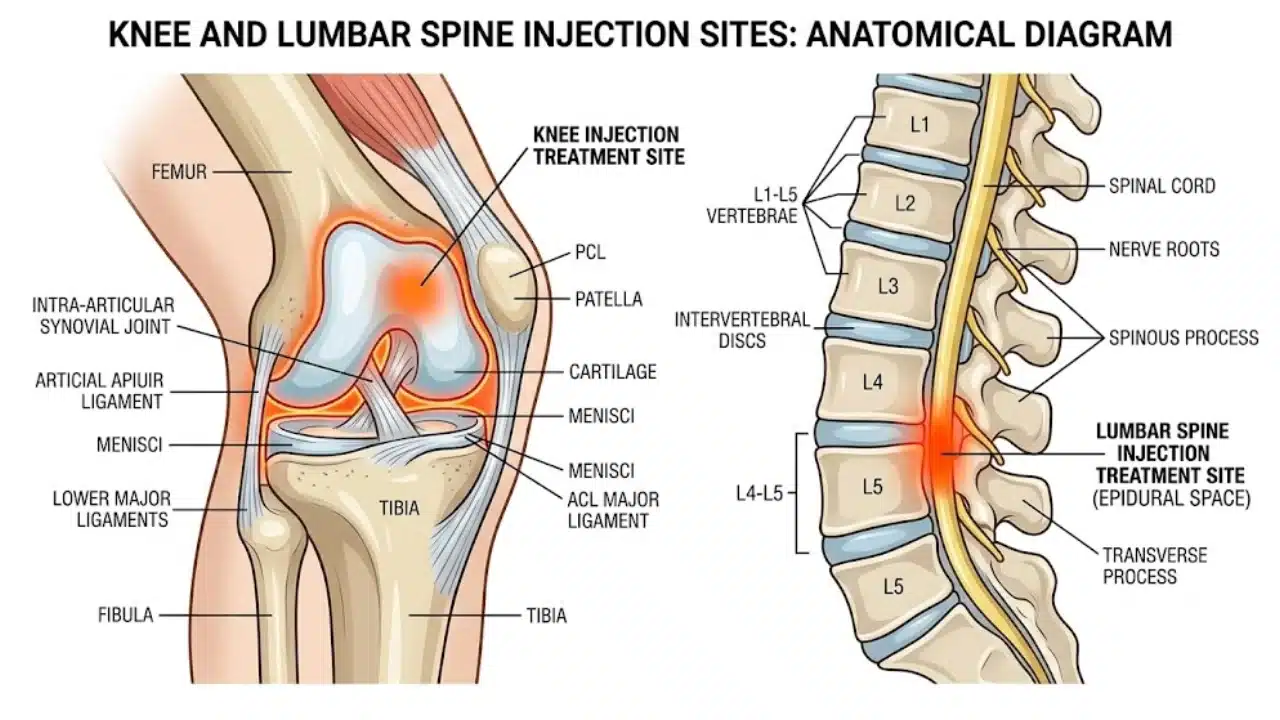
When concentrated and precisely injected into an injured or degenerated area, these cells act as powerful directors of healing. They release growth factors, modulate the local immune response, and signal surrounding cells to begin the repair process.
How Does Stem Cell Therapy Work for Chronic Pain?
To understand how stem cell therapy alleviates pain, it is essential to comprehend the underlying causes of chronic pain. Conditions like osteoarthritis or degenerative disc disease involve the slow breakdown of cartilage and tissue. Over time, this leads to bone-on-bone friction, severe inflammation, and chronic nerve irritation.
Stem cell therapy works on a cellular level to reverse this hostile environment through three primary mechanisms:
-
Powerful Anti-Inflammatory Action: Stem cells secrete cytokines and other proteins that drastically reduce inflammation in the affected joint or spinal disc. Since inflammation is a primary driver of chronic pain, reducing it brings immediate and sustained relief.
-
Tissue Repair and Regeneration: Stem cells release growth factors that stimulate your body’s existing cells to repair damaged tissue. While it is not a “magic eraser” for profound structural damage, it significantly improves tissue health and integrity.
-
Preventing Further Cell Death: Stem cells produce substances that protect existing healthy cells from premature death (apoptosis), slowing down the progression of degenerative diseases.
At Spine & Pain Clinic of Texas, Dr. Muhammad Arif, a board-certified pain specialist, utilizes these regenerative properties to help patients avoid complex surgeries. With over 27 years of clinical experience, Dr. Arif performs these procedures under precise fluoroscopic (X-ray) or ultrasound guidance to ensure the stem cells are delivered exactly where they are needed to maximize safety and relief.
What Conditions Can Stem Cell Therapy Help?
Stem cell therapy is highly versatile and can be used to treat a wide array of musculoskeletal and neuropathic conditions. We frequently recommend it for patients suffering from:
-
Osteoarthritis: Particularly in the knees, hips, and shoulders, where cartilage has worn away.
-
Degenerative Disc Disease: Helping to rehydrate and repair damaged spinal discs that cause chronic lower back pain.
-
Tendonitis and Ligament Injuries: Including rotator cuff tears, Achilles tendonitis, and tennis elbow.
-
Sacroiliac (SI) Joint Dysfunction: Reducing inflammation and stabilizing the pelvic joints.
-
Facet Joint Syndrome: Treating the tiny arthritic joints in the back of the spine.
Are You a Good Candidate for Stem Cell Therapy?
While regenerative medicine offers incredible benefits, it is not the right fit for everyone. Determining your candidacy requires a thorough evaluation by our experienced pain management team.
You may be an ideal candidate if:
-
You have mild to moderate tissue, joint, or spinal degeneration.
-
You have tried conservative treatments (physical therapy, NSAIDs, steroid injections) with little to no lasting relief.
-
You are looking to delay or completely avoid joint replacement or spinal fusion surgery.
-
You are in generally good health without active systemic infections, blood-borne cancers, or severe bleeding disorders.
You may not be a candidate if:
-
You have severe, end-stage bone-on-bone degeneration (in which case surgical intervention may be necessary).
-
You are currently undergoing cancer treatment or have active infections.
The Procedure: Before, During, and After
If you are considering stem cell injections, it is natural to feel anxious about the process. However, the procedure is minimally invasive, performed on an outpatient basis, and designed with your comfort in mind.
1. Before the Procedure
Your journey begins with a comprehensive consultation. Dr. Arif will review your medical history, perform a physical exam, and analyze your MRI or X-ray imaging. If stem cell therapy is deemed appropriate, you will be given specific instructions on how to prepare, which typically includes pausing anti-inflammatory medications (like ibuprofen) for a few weeks, as inflammation is actually a necessary part of the initial stem cell healing process.
2. During the Procedure
The procedure is broken down into two main steps, usually completed in a single visit lasting 1 to 2 hours:
-
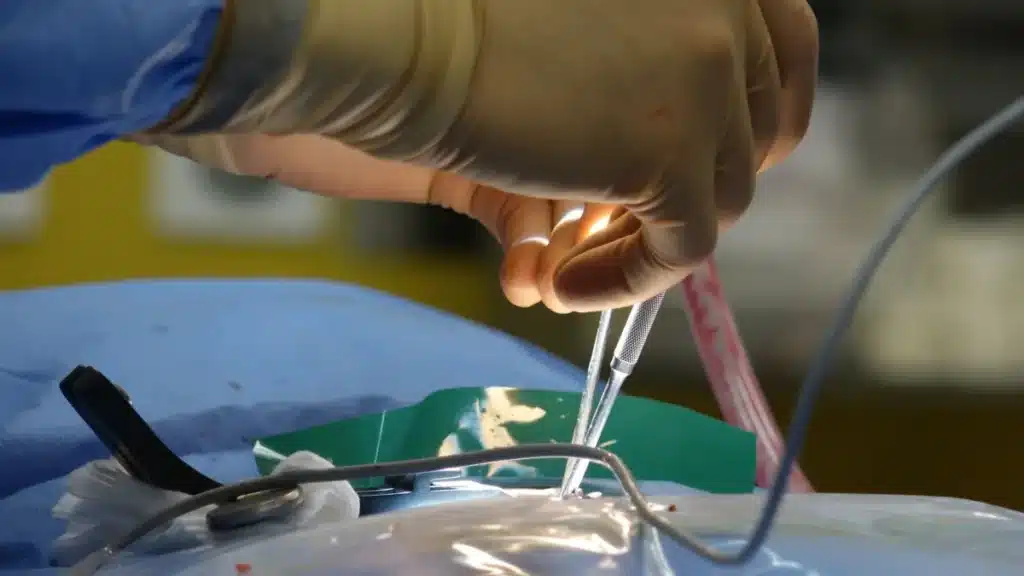
Harvesting: A local anesthetic is applied to the extraction site (usually the back of the hip bone). A specialized needle is used to carefully extract a small amount of bone marrow. While you may feel some pressure, it is generally well-tolerated.
-
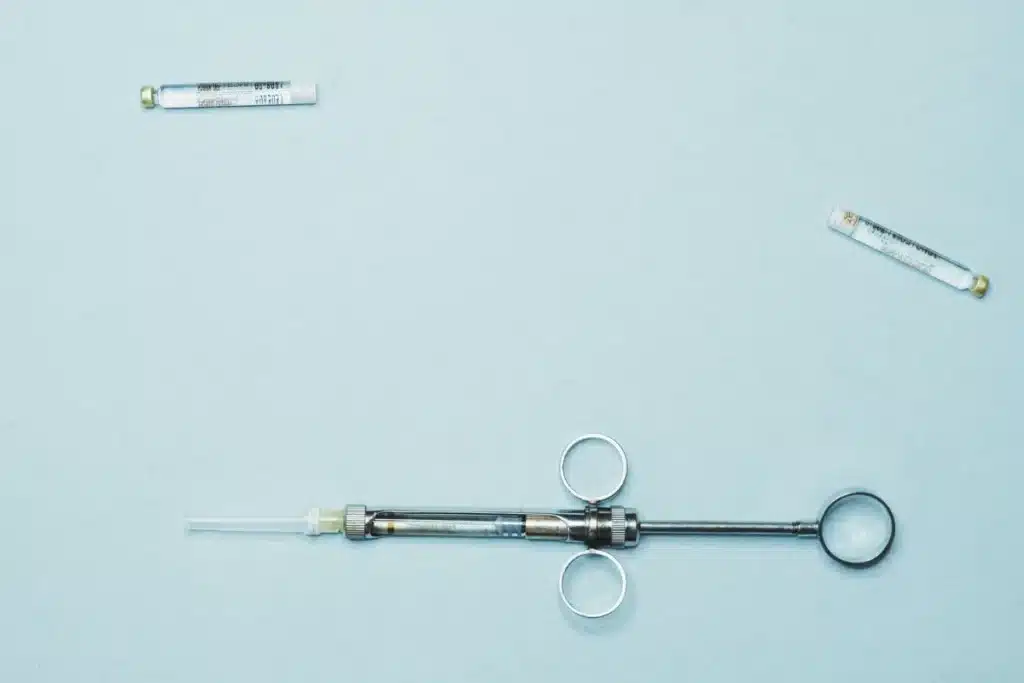
Centrifuging and Injection: The extracted marrow is placed in a centrifuge, which spins the fluid to separate and concentrate the stem cells and growth factors. Once the concentrated regenerative serum is ready, Dr. Arif uses precise imaging guidance (fluoroscopy or ultrasound) to inject the stem cells directly into the damaged joint, disc, or tendon.
3. After the Procedure
You will be monitored for a short period before being allowed to go home. You will need a driver, as you may experience mild soreness at the injection and harvest sites.

Stem Cell Therapy Recovery Timeline
Unlike invasive surgery, which can require months of painful rehabilitation, recovery from stem cell therapy is relatively swift.
-
Days 1-3: You may experience localized soreness, mild swelling, and stiffness at the injection and harvest sites. This is a normal sign that your body’s inflammatory healing response has been activated. Ice and prescribed pain relievers (non-NSAIDs) can help.
-
Weeks 1-4: The stem cells are actively working to modulate inflammation and signal tissue repair. You should begin physical therapy during this window to support joint mobility and muscle strength. Many patients start to notice a reduction in their baseline pain.
-
Months 1-6: The regenerative process takes time. Tissue repair continues on a cellular level for several months. Patients typically experience progressive, sustained pain relief and improved function during this period.
Benefits of Stem Cell Therapy vs. Traditional Surgery
When weighing your options, the benefits of regenerative medicine over traditional surgery are compelling:
-
Minimally Invasive: No large incisions, no surgical trauma to surrounding muscles, and no hardware implants.
-
No General Anesthesia: The procedure is performed using local anesthesia, avoiding the risks associated with being “put under.”
-
Shorter Recovery: Patients return to their normal daily activities in a fraction of the time it takes to recover from surgery.
-
Natural Healing: The treatment relies on your body’s own biological materials to heal itself, rather than masking pain with synthetic drugs.
Safety, Risks, and Considerations
Patient safety is our highest priority at Spine & Pain Clinic of Texas. Because autologous stem cell therapy uses your own biological material, the risk of an allergic reaction or cellular rejection is essentially zero.
However, as with any injection-based procedure, there are minor risks. These include temporary soreness at the injection site, a very low risk of infection (mitigated by our strict sterile protocols), and localized bleeding.
It is also important to have realistic expectations. Stem cell therapy is a highly effective tool for pain management, but it is not a guaranteed cure for all ailments. Dr. Arif prioritizes honest, evidence-based assessments to ensure you only undergo treatments that have a strong likelihood of improving your quality of life.
Find Lasting Relief at Spine & Pain Clinic of Texas
You do not have to let chronic pain dictate your life, nor do you have to rush into irreversible surgery. Regenerative medicine offers a scientifically backed, minimally invasive pathway to reclaiming your mobility and comfort.
If you are ready to explore whether stem cell therapy is right for you, our dedicated team is here to help. We proudly serve patients across North and East Texas. Schedule a consultation today at our Plano, Grand Prairie, Tyler, or Longview clinics, and take the first step toward a pain-free future.
Frequently Asked Questions (FAQs)
1. Does health insurance or Medicare cover stem cell therapy?
Currently, most major health insurance plans and Medicare consider stem cell therapy for joint and spine pain to be an elective or investigational procedure, meaning it is typically an out-of-pocket expense. Our clinic staff can provide detailed pricing and discuss financing options during your consultation.
2. How long do the pain relief effects of stem cell therapy last?
The longevity of pain relief varies from patient to patient, depending on the severity of the condition and overall health. However, many patients experience significant pain relief that lasts for several years, as the therapy actively improves the health of the targeted tissue rather than just temporarily numbing it.
3. Is the stem cell extraction process painful?
We prioritize your comfort throughout the entire procedure. The extraction site is thoroughly numbed with local anesthesia. Most patients report feeling a sense of deep pressure rather than sharp pain during the bone marrow draw, and the process is completed in just a few minutes.
4. How much time off work will I need after the procedure?
ecovery is minimal. Most patients only need to take the day of the procedure and perhaps one or two days afterward to rest. If you have a physically demanding job, Dr. Arif may recommend light duty for a few weeks to allow the joint or disc to heal properly.
5. Can stem cells completely rebuild lost cartilage?
While stem cell therapy is excellent at reducing inflammation, stopping further degeneration, and improving the health of existing tissue, it cannot completely regenerate a joint that has lost 100% of its cartilage (severe bone-on-bone arthritis). This is why early intervention is key to achieving the best possible results.