
Frozen shoulder can turn ordinary life into a daily obstacle course. Reaching for a seatbelt, brushing your hair, or lifting a coffee cup becomes painful. If you’ve been dealing with this kind of deep, aching shoulder stiffness, you’re not alone, and you don’t have to keep waiting it out.
In this guide
- What Is Frozen Shoulder and Why Does It Hurt?
- What Does a Shoulder Injection for Frozen Shoulder Involve?
- Who May Be a Good Candidate?
- How the Procedure Typically Works, Step by Step
- What Happens After a Shoulder Injection?
- Who Is This Procedure Not Ideal For?
- Conservative Care First: Where Injections Fit
- Shoulder Injection in Longview, TX
- Taking the Next Step Toward Relief
- FAQ
What Is Frozen Shoulder and Why Does It Hurt?
Frozen shoulder, also called adhesive capsulitis (ad-HEE-siv cap-sue-LY-tis), happens when the tissue surrounding the shoulder joint, known as the joint capsule, thickens and tightens over time. Normally, this capsule lets your arm rotate freely. When inflammation causes scarring and contraction, movement in every direction becomes painful and restricted. Research suggests frozen shoulder affects roughly two to five percent of people, and without targeted treatment, it can take months or even years to fully resolve.
The condition typically moves through three phases. In the “freezing” phase, pain gradually worsens and your range of motion shrinks. Then comes the “frozen” phase where stiffness peaks but pain may ease slightly. Finally, the “thawing” phase brings slow mobility return. The problem is that waiting passively through those stages is painful and often extends the timeline. That’s where an intervention like a shoulder injection can make a real difference.

What Does a Shoulder Injection for Frozen Shoulder Involve?
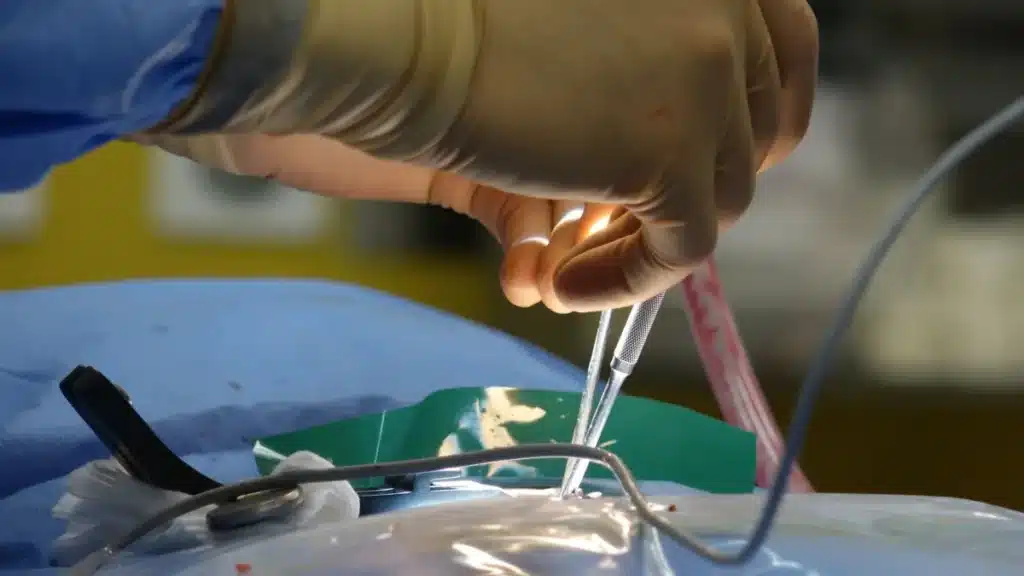
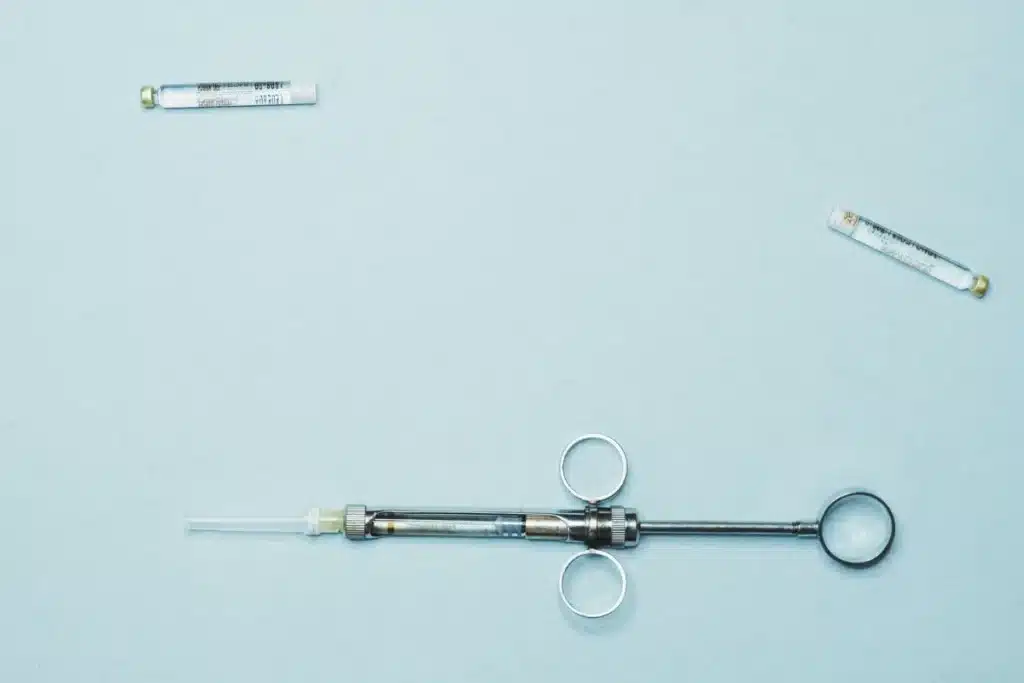
A shoulder injection for frozen shoulder is a targeted, outpatient procedure designed to deliver anti-inflammatory medication directly to the source of irritation inside the shoulder joint. Here’s what the procedure typically includes:
- Corticosteroid medication: A corticosteroid (a powerful anti-inflammatory drug) is injected into the shoulder joint capsule, where it may help reduce swelling and pain signals.
- Local anesthetic: A numbing agent is typically included to make the procedure more comfortable and provide some immediate, short-term relief.
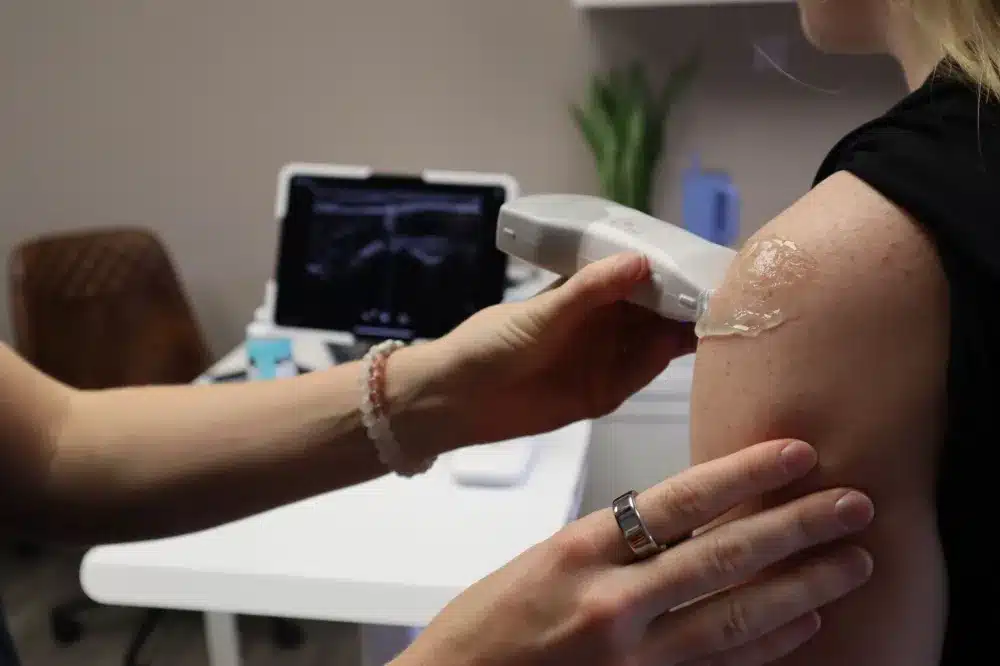
- Image guidance: Many providers use ultrasound or fluoroscopy (real-time X-ray) to place the needle accurately, improving precision.
- Outpatient and quick: The injection itself typically takes about 15 to 30 minutes, and you go home the same day.
- Part of a broader plan: The injection may create a window of reduced pain that allows physical therapy and gentle movement to be more effective, supporting longer-term progress.
No procedure comes with guarantees, and results vary. That said, many patients report meaningful short-term relief that helps them engage more fully with rehabilitation exercises.
Who May Be a Good Candidate?
Not everyone with shoulder pain is automatically a candidate for a corticosteroid shoulder injection. Your provider will review your full medical history before making any recommendation. That said, the procedure is commonly considered for people who meet several general criteria.
| Factor | Typically a Candidate | May Need a Different Approach |
|---|---|---|
| Symptom duration | Weeks to several months of pain | Symptoms just beginning (days) |
| Prior treatment | Conservative care has not resolved pain | No conservative care tried yet |
| Imaging results | No structural tear requiring surgery | Significant rotator cuff tear found |
| Daily function | Limited mobility affecting daily life | Mild discomfort, full range intact |
| Overall health | No active joint infection or bleeding disorder | Uncontrolled diabetes (may affect response) |
Your provider will also consider whether you have conditions like degenerative arthritis contributing to your symptoms, since that can shape the treatment plan. A thorough physical exam and sometimes an MRI or X-ray will typically be part of the diagnostic process before any injection is recommended.
Now Accepting New Patients
Explore Shoulder Injection Options in Longview
If frozen shoulder is limiting your daily life near Loop 281 or anywhere in East Texas, a consultation at our Longview clinic can help you understand whether a shoulder injection may be right for you. Call (214) 256-3900 or visit our Longview location page to request an appointment.
How the Procedure Typically Works, Step by Step
Knowing what to expect can make a big difference in how comfortable you feel walking through the door. Here’s a general look at how a shoulder injection appointment typically unfolds at a pain management clinic.
What Happens After a Shoulder Injection?
The first day or two after injection, some soreness at the injection site is normal and temporary. Many patients feel the local anesthetic working right away, though that relief wears off within hours. The corticosteroid typically takes a few days to begin working, and for many people, noticeable pain reduction becomes apparent within five to ten days.
Your provider may recommend resting the shoulder for a day or two before returning to gentle activity. Physical therapy is often encouraged alongside the injection, not instead of it. The goal is that reducing inflammation with the injection creates a more comfortable window for doing stretches and strengthening work that help the shoulder capsule loosen over time. A resource like therapeutic and physical rehabilitation exercises can complement the injection as part of complete care.
Some patients find that one injection significantly reduces discomfort and allows therapy to do the rest. Others may benefit from a series of injections spaced appropriately apart, or from exploring a related option such as a joint injection approach tailored to their shoulder anatomy. Every case is different, which is why a personalized consultation matters so much.
Now Accepting New Patients
Ready to Discuss Your Shoulder Pain Relief Plan?
Our Longview, TX care team, led by interventional pain specialist Dr. Muhammad Arif, MD, is here to talk through your options in a relaxed, no-pressure consultation. Call (214) 256-3900 to take the next step toward managing your frozen shoulder.
Who Is This Procedure Not Ideal For?
Honest information builds trust, so it’s worth saying clearly: a shoulder corticosteroid injection isn’t the right fit for everyone. People with an active joint infection, those who’ve had an allergic reaction to corticosteroids, and individuals with certain bleeding conditions may not be good candidates. Patients with poorly controlled diabetes should discuss the procedure carefully with their provider, since corticosteroids can temporarily raise blood sugar levels.
If imaging reveals a significant rotator cuff tear or another structural problem needing surgical repair, the injection may offer short-term comfort but won’t address the root cause. In those cases, a conversation about minimally invasive procedures or a surgical referral may be more appropriate. The goal is always to match the treatment to the actual problem.

Conservative Care First: Where Injections Fit
Shoulder injections are not typically the very first step in treating frozen shoulder, and that’s by design. Most clinical guidelines, including those referenced through the Cleveland Clinic, suggest starting with conservative measures like over-the-counter anti-inflammatory medications, ice and heat therapy, and guided physical therapy. Sound familiar? Many people reading this have already tried those things and are still struggling.
When conservative care hasn’t provided adequate relief after several weeks, an interventional approach like a shoulder injection becomes a logical next step. It sits in a middle ground between “wait and see” and surgery, and for many patients in East Texas, it’s exactly the bridge they need to get their shoulder moving again. If you’re looking for a pain management specialist in Texas who takes a thoughtful, stepped approach to care, this is the kind of conversation you can have at the Longview clinic.
Shoulder Injection in Longview, TX
The Spine and Pain Clinic of Texas in Longview, TX serves patients from across East Texas, including Marshall, Kilgore, Gladewater, and Hallsville. Whether you travel in along Interstate 20 or head up from communities south of downtown Longview, the clinic is a practical, accessible option for those searching for a pain clinic near me in this region. As of August 2026, the clinic is actively accepting new patients for interventional pain management consultations.
Dr. Muhammad Arif, MD, an interventional pain management specialist who serves all four of the clinic’s Texas locations, brings a focused, procedure-based approach to shoulder pain care. His experience with image-guided injections and familiarity with the full range of non-surgical and interventional options means you get a thorough evaluation rather than a one-size-fits-all recommendation.

Students and faculty near LeTourneau University, workers commuting along I-20, and families throughout Gregg County all have access to specialized care without traveling to a major metropolitan area. That matters. Shoulder pain management in Longview, TX doesn’t have to mean a long drive or a long wait.
Taking the Next Step Toward Relief
If frozen shoulder has been slowing you down, limiting your sleep, or making work and daily tasks harder than they should be, it may be time to talk to a specialist. A shoulder injection isn’t a cure, but for many patients it can be a meaningful turning point in a treatment plan. The team at the Longview, TX location of Spine and Pain Clinic of Texas is ready to help you figure out whether it’s the right step for you.
Call (214) 256-3900 to schedule a consultation, or visit spinenpain.org/longview-tx/ to learn more and book online. The clinic serves patients throughout East Texas including Marshall, Kilgore, Gladewater, Hallsville, and surrounding communities, and is easily reachable from Loop 281 and the I-20 corridor.
The same interventional pain management care is also available at the clinic’s other Texas locations: Plano, TX at (469) 915-5222, Grand Prairie, TX at (469) 680-3886, and Tyler, TX at (214) 256-3900, so no matter where you are in the region, a Spine and Pain Clinic of Texas location is within reach.
Now Accepting New Patients
Schedule Your Frozen Shoulder Consultation Today
Patients from Marshall, Kilgore, Gladewater, Hallsville, and across East Texas are welcome at our Longview clinic. Call (214) 256-3900 or book online at spinenpain.org/longview-tx/ and let us help you find a path forward.
This article is for educational purposes only and is not a substitute for professional medical advice, diagnosis, or treatment. Always consult a qualified healthcare provider about your specific condition. If you experience severe or sudden symptoms, seek emergency care immediately.