
AI Just Nominated a New Non-Opioid Drug for Chronic Pain. Here’s What It Means for You.
Artificial intelligence just moved chronic pain research in a direction that could matter a lot. On July 23, 2026, Insilico Medicine announced ISM9528, a new non-opioid drug candidate designed specifically for chronic pain. This is early-stage research, but it’s turning heads in pain management for one simple reason: opioids carry serious risks, and patients have been waiting years for better alternatives.
In this guide
- Why Non-Opioid Pain Treatments Matter Right Now
- What This Means for Chronic Headache and Migraine Patients in Plano, TX
- What Is Botox for Chronic Migraines and How Does It Work?
- Who May Benefit from Botox Migraine Treatment?
- Botox vs. Other Preventive Migraine Options: A Quick Comparison
- Interventional Pain Management and the Non-Opioid Future
- Taking the Next Step Toward Relief
- FAQ
So what did Insilico Medicine actually find? Their generative AI platform analyzed biological targets and chemical structures to uncover a novel mechanism that may help quiet chronic pain signals in the nervous system. Early research suggests the compound works through a pathway completely separate from opioid receptors, which matters because it theoretically sidesteps the dependency risks that come with traditional opioid medications.
Let’s be honest about where this stands right now. Drug nomination is one of the earliest steps in the pharmaceutical pipeline. ISM9528 has not yet completed human clinical trials, and no published results show how well it works or how safe it is in people. If this compound advances, it could be years before patients can access it. Still, the research direction reflects something the entire pain management field has been pushing toward: safe, effective, non-opioid options for the millions of Americans living with chronic pain.

Why Non-Opioid Pain Treatments Matter Right Now
The urgency around non-opioid pain relief is real and documented. According to the Centers for Disease Control and Prevention (CDC), opioid misuse remains a major public health concern across the United States. Researchers, clinicians, and policymakers are actively searching for alternatives. A recent Stanford Medicine report noted that many chronic pain patients can meaningfully reduce opioid use through carefully managed, voluntary tapering programs. And as of July 2026, U.S. senators introduced new legislation aimed at improving care for Americans living with chronic pain.
Here’s the bottom line: patients deserve more options than just opioids or surgery. A whole spectrum of interventional and minimally invasive treatments already exist today, and AI-driven drug discovery like ISM9528 is just one piece of a much larger picture.
What This Means for Chronic Headache and Migraine Patients in Plano, TX
If you live in Plano, Frisco, Allen, McKinney, Richardson, Carrollton, The Colony, Murphy, Wylie, or anywhere across North Dallas and you deal with frequent, debilitating headaches, you don’t have to wait for a drug still in early development. Non-opioid treatment options are available right now, and one of the most well-established is Botox for Chronic Migraines.
Chronic migraine is generally defined as 15 or more headache days per month, with at least eight meeting migraine criteria. Sound familiar? If you’re spending multiple days each month in a dark room, missing work, or canceling plans because of head pain, it might be time to explore what interventional pain management can offer.
At the pain management clinic in Plano, TX, the care team works with patients experiencing a wide range of chronic headache conditions to find individualized, non-opioid approaches. Botox is one option that, for the right patient, can be a meaningful part of a broader pain management plan.
What Is Botox for Chronic Migraines and How Does It Work?
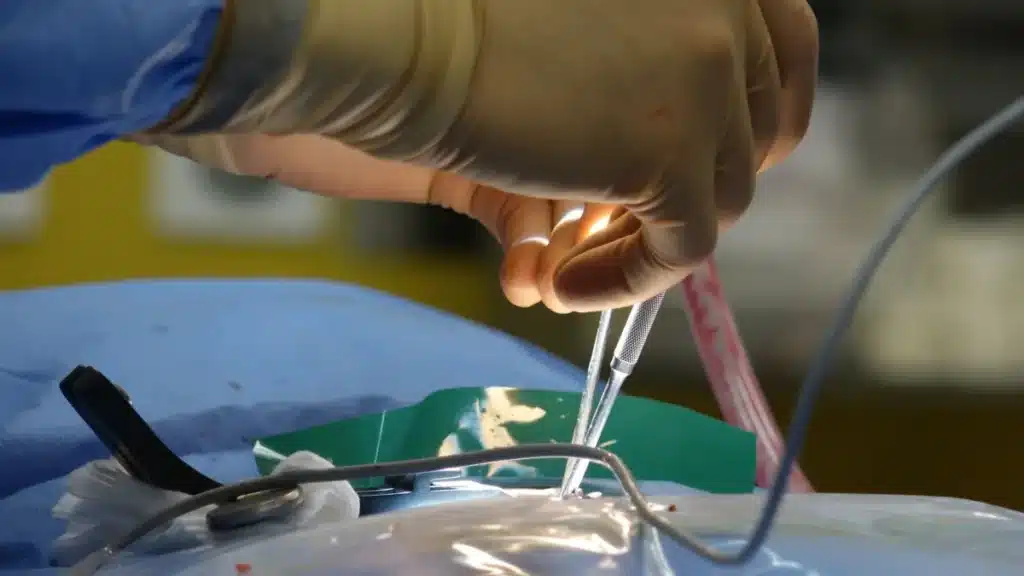
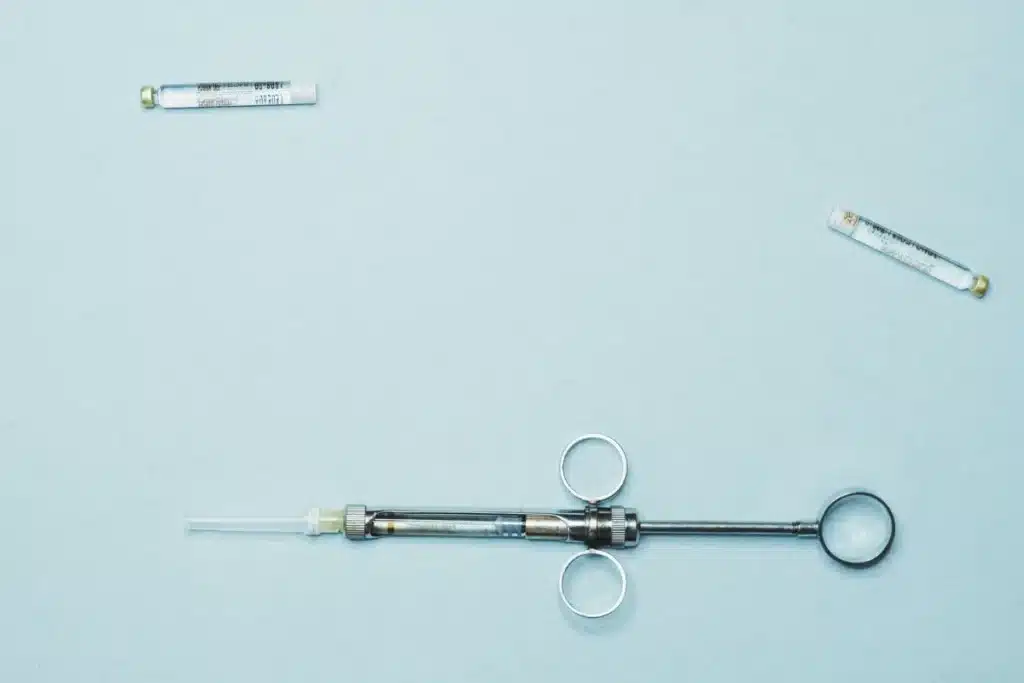
Botox for Chronic Migraines is an FDA-approved preventive treatment that uses small, carefully placed injections of onabotulinumtoxinA (the active ingredient in Botox) to help reduce the frequency of migraines. It doesn’t treat a migraine once it has started. Instead, it’s used as a prevention strategy, typically given every 12 weeks.
Here’s how it works in simple terms. Botox temporarily blocks the release of certain chemical signals from nerve endings in the head and neck region. These signals are thought to play a role in triggering migraine attacks. By interrupting that signaling, the treatment may help reduce the frequency and severity of migraines over time. Many patients report a gradual reduction in headache days after one or more treatment cycles, though results vary from person to person.
The injections are placed in specific sites around the forehead, scalp, temples, back of the head, neck, and upper shoulders. A full treatment session typically involves around 31 injection sites, though your provider will adjust the exact protocol based on your individual pain pattern. The procedure itself happens in the clinic and generally takes less than 30 minutes.

Who May Benefit from Botox Migraine Treatment?
Botox for chronic migraines is generally considered for adults who meet the clinical definition of chronic migraine and whose headaches haven’t responded well enough to other preventive treatments. You might be a candidate if you’ve tried oral migraine prevention medications and found them ineffective, poorly tolerated, or incompatible with your other health conditions.
It’s equally important to know who this treatment may not be ideal for. Patients experiencing fewer than 15 headache days per month typically don’t qualify under the FDA-approved indication. People with certain neuromuscular conditions or those who are pregnant may not be appropriate candidates. A full medical evaluation is essential before starting treatment, and that’s exactly what a consultation is for.
What to Expect at a Botox Consultation
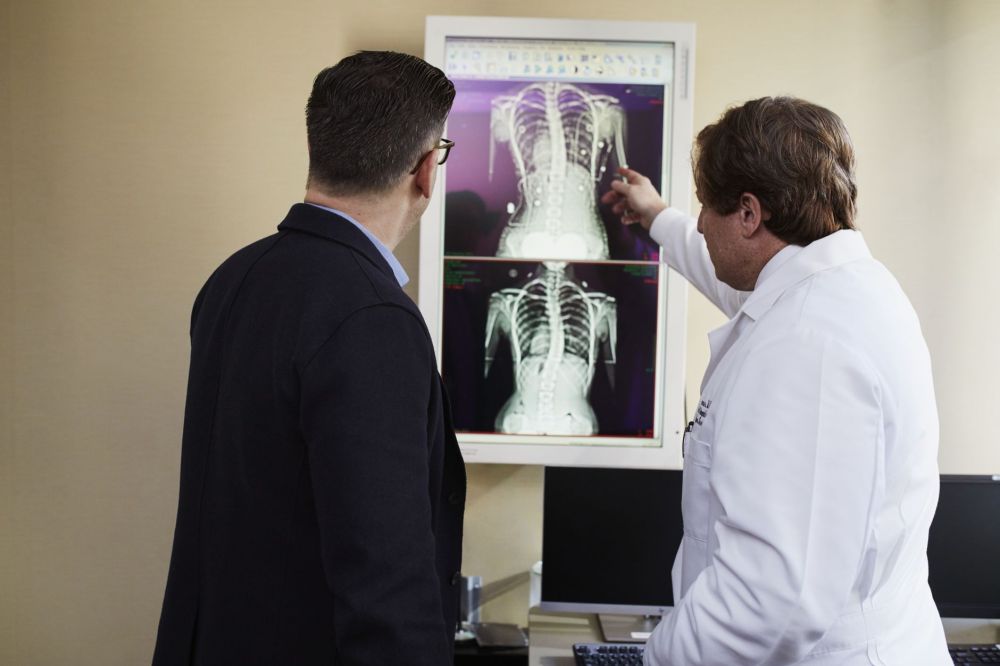
Walking into a pain clinic for the first time can feel a little intimidating, but knowing what to expect helps ease those nerves. During your initial consultation, your provider will review your headache history, how often you have migraines, what treatments you’ve tried before, and your overall health. Bring a headache diary if you keep one, a list of current medications, and any questions on your mind.
A few practical questions worth asking your provider:
- Do my headache frequency and pattern qualify me for this treatment?
- How many treatment cycles might it take before I notice a change?
- What other non-opioid options should I consider alongside or instead of Botox?
- Does my insurance cover this, and can the clinic help me verify my benefits?
- Are there other head and neck pain treatments that might complement this approach?
Botox vs. Other Preventive Migraine Options: A Quick Comparison
| Treatment Type | How It Is Given | Opioid-Free? | General Use |
|---|---|---|---|
| Botox Injections | In-clinic injections every 12 weeks | Yes | Preventive; chronic migraine (15+ days per month) |
| Oral Preventive Medications | Daily pills | Yes | Preventive; first-line for many patients |
| Nerve Blocks | In-clinic injections near specific nerves | Yes | Acute and preventive; used for various head pain types |
| ISM9528 (AI-designed) | Not yet determined; in preclinical stage | Designed to be | Under early development; not yet available |
| Trigger Point Injections | In-clinic injections into muscle knots | Yes | Headache related to muscle tension; advanced trigger point injections available |
Interventional Pain Management and the Non-Opioid Future
Interventional pain management specialists have been practicing non-opioid pain treatment for decades. The excitement around AI-designed drugs like ISM9528 fits naturally into a broader movement that clinics like Spine and Pain Clinic of Texas are already part of every single day.
Dr. Muhammad Arif, MD, an interventional pain management specialist serving all four Texas clinic locations, works with patients to build individualized, non-opioid-centered treatment plans. That might include Botox for chronic migraines, nerve blocks and facet blocks, radiofrequency ablation (RFA), or other minimally invasive procedures tailored to each patient’s specific condition and goals.
Here’s the bottom line: you don’t have to wait for tomorrow’s science to get better care today. Patients in Frisco, McKinney, Richardson, Carrollton, and across the greater Plano area are already accessing these established non-opioid options. If you’ve been searching for a pain clinic near me or looking into pain management in Plano, TX, the team at Spine and Pain Clinic of Texas is ready to talk with you about what might help.

Taking the Next Step Toward Relief
The future of chronic pain treatment is genuinely exciting. AI-driven drug discovery like ISM9528 shows that researchers are thinking creatively about non-opioid solutions. But that future isn’t here yet. What’s available right now, in your community, is a team of interventional pain specialists who can evaluate your specific situation and discuss proven, non-opioid treatment options with you today.
If you’re in Plano, Allen, McKinney, Frisco, Richardson, Carrollton, The Colony, Murphy, Wylie, or anywhere in North Dallas and you’re tired of living around your headaches, consider reaching out to Spine and Pain Clinic of Texas. Dr. Muhammad Arif, MD and the care team at the Plano, TX pain management clinic can walk you through whether Botox for Chronic Migraines or another treatment approach makes sense for you. Call (469) 915-5222 to schedule a consultation, or visit the Plano location page to learn more about the services available near you.
Expert care is also available closer to home if you’re outside the Plano area: visit the team at Grand Prairie, TX at (469) 680-3886, Longview, TX at (214) 256-3900, or Tyler, TX at (214) 256-3900.
This article is for educational purposes only and is not a substitute for professional medical advice, diagnosis, or treatment. Always consult a qualified healthcare provider about your specific condition. If you experience severe or sudden symptoms, seek emergency care immediately.