
Hip Bursitis Pain Near Grand Prairie, TX: Is a Joint Injection an Option?
That deep, aching throb on the outside of your hip, the kind that flares when you climb stairs, roll over in bed, or walk more than a block, is one of the most common complaints heard at pain clinics across the Dallas-Fort Worth area. If you live near I-20 in Grand Prairie or a surrounding community and that sounds like you, you may be dealing with hip bursitis. A hip joint injection might be worth exploring as part of your pain management plan.
In this guide
- Hip Bursitis Pain Near Grand Prairie, TX: Is a Joint Injection an Option?
- What Is Hip Bursitis and Why Does It Hurt So Much?
- What a Hip Joint Injection May Involve and Offer
- How Does a Hip Joint Injection Actually Work?
- Who May Be a Candidate for This Procedure?
- What to Expect After Your Hip Joint Injection
- Questions to Ask at Your Consultation
- Hip Joint Injection in Grand Prairie, TX: Care Close to Home
- Taking the Next Step Toward Hip Comfort
- FAQ
What Is Hip Bursitis and Why Does It Hurt So Much?
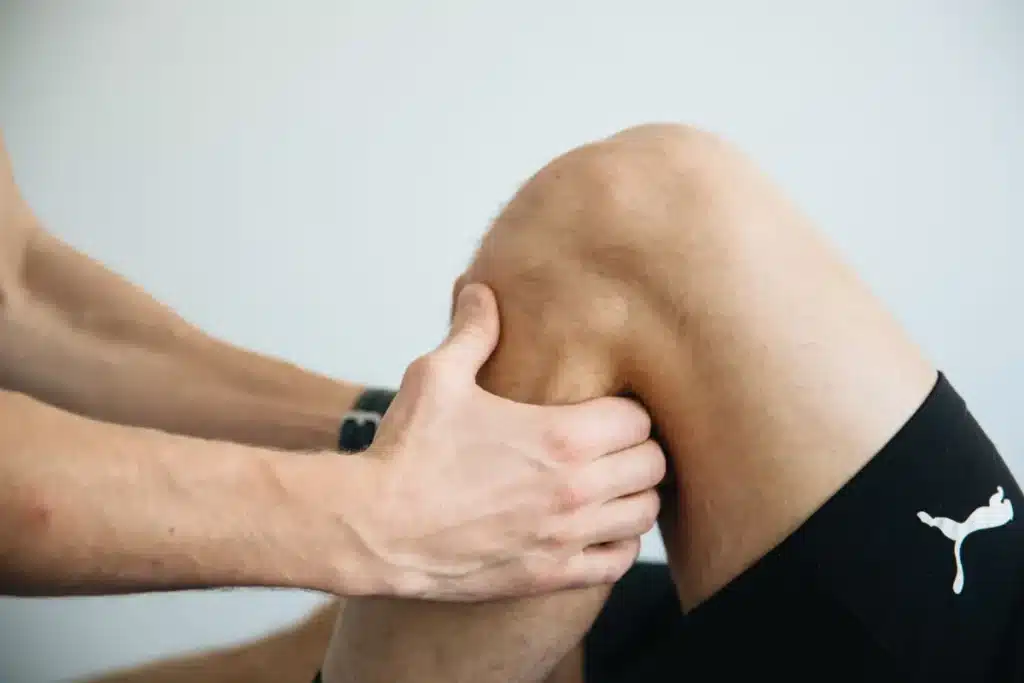
Hip bursitis is inflammation of the bursa, a small fluid-filled sac that normally acts as a cushion between the hip’s bony prominence, most often the greater trochanter, the bony point you can feel on the outer side of your hip, and the overlying muscles and tendons. When that bursa becomes irritated or inflamed, it swells, and the result is pain that can range from a dull ache to a sharp, burning sensation radiating down the outer thigh.
According to the Mayo Clinic, hip bursitis is one of the more frequent causes of hip pain in adults, particularly in those who are physically active, perform repetitive movements, or have had a direct injury to the hip area. It can also develop alongside conditions like degenerative arthritis of the hip joint, making the pain even harder to manage.

Sound familiar? You are definitely not alone. The good news is that conservative and interventional options exist that may help.
What a Hip Joint Injection May Involve and Offer
A hip joint injection is an outpatient procedure designed to deliver medication precisely where it is needed most. Here is a quick summary of what the procedure typically involves and what it may offer in plain terms:
- Targeted medication delivery: A corticosteroid (a strong anti-inflammatory medication) combined with a local anesthetic (numbing agent) is injected into or near the affected hip joint or bursa.
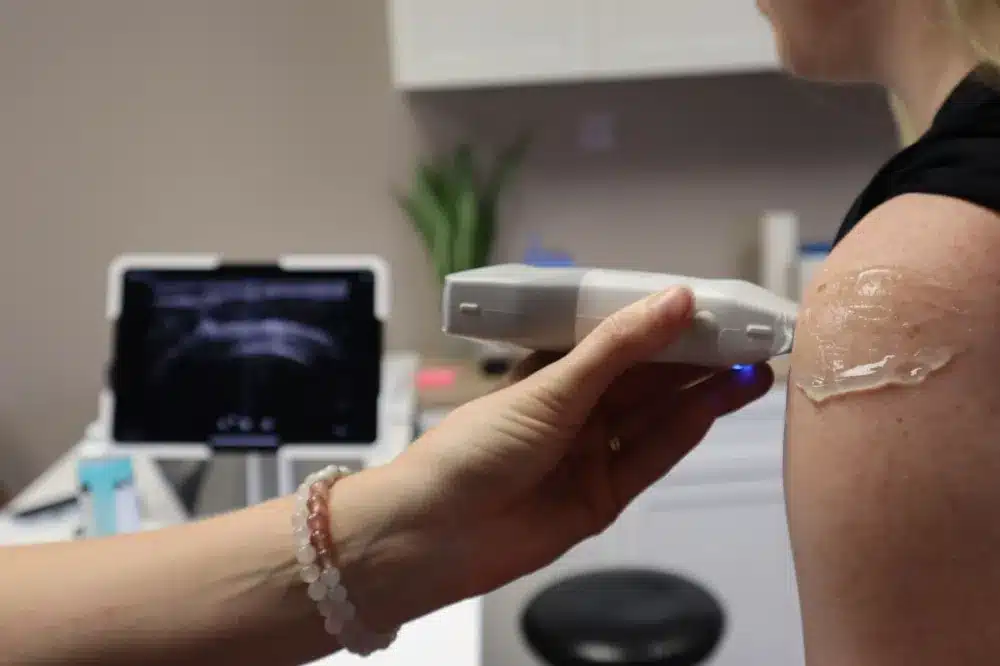
- Image guidance for precision: Many providers use fluoroscopy (live X-ray) or ultrasound to guide the needle accurately to the target area, which may improve placement.
- Outpatient convenience: The procedure is typically performed in a clinic or outpatient setting, often taking about 15 to 30 minutes in total, with no general anesthesia required in most cases.
- Possible relief from pain and swelling: Many patients report a reduction in hip pain and improved ability to move after treatment, though individual results can vary and are not guaranteed.
- A pathway to active recovery: For some patients, reduced pain after an injection may make it easier to participate in physical therapy and daily rehabilitation exercises.
How Does a Hip Joint Injection Actually Work?
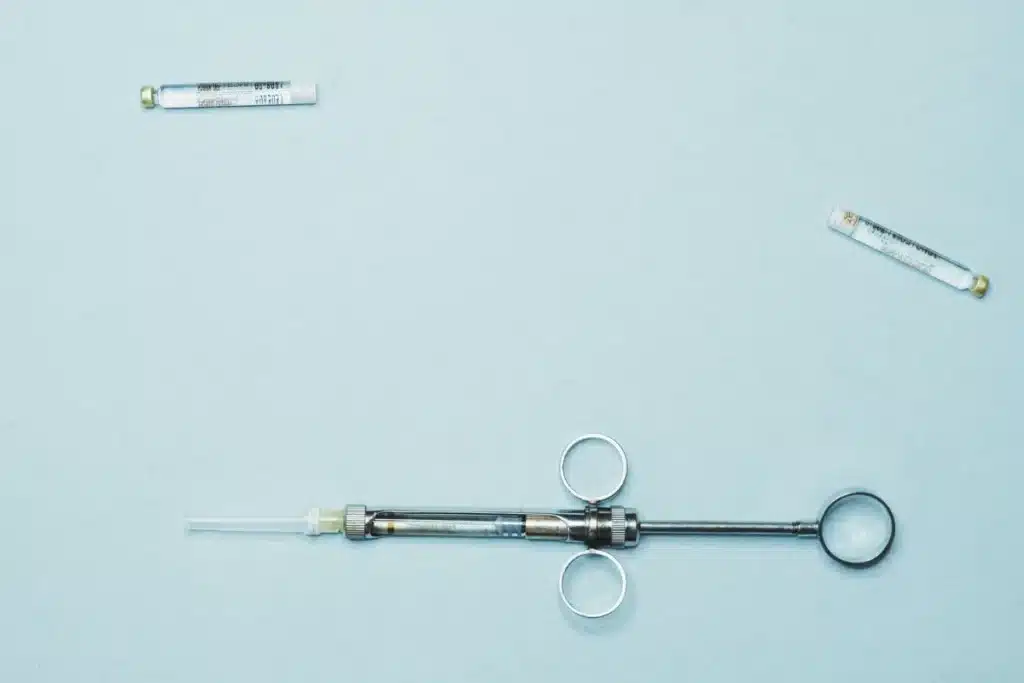
The procedure works by delivering corticosteroid medication directly into the inflamed space around the hip joint or bursa. Corticosteroids are powerful anti-inflammatory agents that, when placed at the source of inflammation, may help calm the irritated tissue more effectively than oral medications. The local anesthetic component typically provides more immediate, though temporary, numbing of the area.
According to the National Institutes of Health (NIH), corticosteroid injections for musculoskeletal conditions are among the most widely studied interventional pain procedures and are commonly used to help manage localized inflammation when conservative measures have not been sufficient.
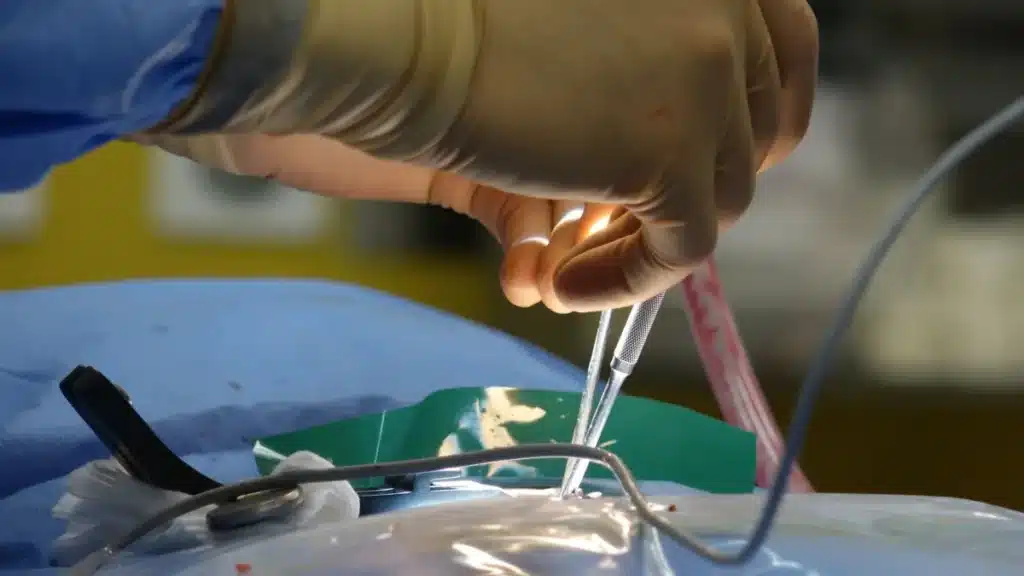
Here is how procedure day generally unfolds for most patients:
Now Accepting New Patients
Explore Hip Injection Options in Grand Prairie
If hip bursitis pain is limiting your daily activities near Grand Prairie, TX, a consultation with our team may help clarify your options. Call (469) 680-3886 or visit our Grand Prairie location page to request an appointment.
Who May Be a Candidate for This Procedure?
A hip joint injection may be considered for adults whose hip bursitis pain has not responded adequately to conservative measures. It is not typically the first step. Most providers want to see that you have tried some combination of rest, activity modification, over-the-counter anti-inflammatory medications, or physical therapy before recommending an injection.
The following table shows where a hip joint injection generally fits in the overall care pathway for hip bursitis:
| Treatment Option | Typical Use | Invasiveness | Setting |
|---|---|---|---|
| Rest and activity changes | First-line self-care | None | Home |
| OTC anti-inflammatories | Mild to moderate pain | None | Home |
| Physical therapy | Strengthening, flexibility | None | Clinic or home |
| Hip joint injection | Persistent pain, failed conservative care | Minimally invasive | Outpatient clinic |
| Surgery (rare for bursitis) | Severe, refractory cases | Invasive | Hospital or surgical center |
Who May Not Be the Best Candidate
Not every patient with hip pain is right for this procedure. A hip joint injection is generally not recommended for people with active infection near the injection site, those with uncontrolled diabetes (since corticosteroids can temporarily raise blood sugar), individuals on certain blood-thinning medications without adjustment, or those whose hip pain is actually coming from a different underlying source, such as a stress fracture or referred pain from the lumbar spine. That is exactly why a thorough evaluation matters before any injection is scheduled.
What to Expect After Your Hip Joint Injection
Recovery from a hip joint injection is typically straightforward. Most patients are able to return home the same day, and many resume light daily activities within 24 to 48 hours. You may notice some temporary soreness at the injection site for a day or two, which is normal. This soreness is different from your underlying bursitis pain and generally fades on its own.
The local anesthetic may provide some immediate relief, though this effect is usually short-lived. The corticosteroid typically takes a few days to begin working as it reduces inflammation. How long any relief lasts varies from person to person. Some patients report improvement lasting several weeks, while others notice benefit for several months. Results are not predictable or guaranteed.

Your provider may recommend a follow-up appointment to assess how well the injection worked and whether additional treatments, including further injections or a structured course of therapeutic exercises, might be appropriate. The number of injections a person can receive in a given time period is generally limited, and your provider will guide you based on your individual situation.
Some patients with hip joint involvement also ask about joint injections for knee, hip, and shoulder pain as part of coordinated care. Your consultation is the right time to ask which combination of treatments makes the most sense for you.
Now Accepting New Patients
Ready to Discuss Hip Bursitis Relief Near You?
Our Grand Prairie clinic, conveniently accessible from Arlington, Irving, and Duncanville, may be able to see you soon. Call (469) 680-3886 to schedule a consultation and learn whether a hip joint injection may be right for you.
Questions to Ask at Your Consultation
Walking into a pain management appointment can feel overwhelming, especially when you are already dealing with daily discomfort. Coming prepared with a few good questions can help you get the most out of your time with the provider. Here are some practical ones to consider:
- Is my pain truly from the bursa, or could it be coming from the hip joint, SI joint, or lumbar spine?
- What imaging do I need before you can recommend an injection?
- How many injections might be appropriate for my situation, and how far apart would they be spaced?
- What should I do in the days after the injection to support recovery?
- What are the alternatives if the injection does not provide enough relief?
- Does my insurance likely cover this procedure, and can your team help me verify my benefits?
Hip Joint Injection in Grand Prairie, TX: Care Close to Home
The Spine and Pain Clinic of Texas in Grand Prairie offers interventional pain management services including hip joint injections for patients dealing with hip bursitis and related hip conditions. The clinic is accessible from communities throughout the Dallas-Fort Worth Mid-Cities area, including Arlington, Irving, Duncanville, Cedar Hill, Mansfield, and DeSoto. Whether you are commuting along State Highway 360, heading in from the Lone Star Park area, or coming up from the Cedar Hill corridor via I-20, the Grand Prairie clinic is designed to be a practical choice for patients across this part of North Texas.
Dr. Muhammad Arif, MD, an interventional pain management specialist serving all four Texas clinic locations, is part of the team available to evaluate patients with hip bursitis and related conditions. His focus on interventional approaches means your evaluation will center on finding a targeted, evidence-informed path forward rather than a one-size-fits-all answer.

As of July 2026, the clinic is currently accepting new patients looking for pain management in the Grand Prairie area. The team typically works to offer timely consultations for people dealing with ongoing pain and can also help you understand what diagnostic steps, if any, may be needed before a procedure is recommended.
For a closer look at how hip joint injections are used across the clinic’s Texas locations, or to explore the full range of injections and nerve blocks available, the clinic’s website offers detailed information on each procedure. Patients in the Arlington area can also find information through the Arlington pain management page, and those in Irving or Duncanville may find the Irving and Duncanville pages helpful for local context.
Taking the Next Step Toward Hip Comfort
Living with hip bursitis pain is frustrating. It affects sleep, limits movement, and can make even the simplest parts of your day feel like a challenge. You do not have to simply push through it and hope it resolves on its own. You do not have to jump straight to surgery either. A hip joint injection, when appropriate, is one of the minimally invasive options that may help reduce pain and inflammation so you can start moving more comfortably again.
If you are searching for a pain clinic near me in the Grand Prairie, TX area, or if you have been managing hip bursitis for weeks without real improvement, a consultation with the team at the Spine and Pain Clinic of Texas is a practical next step. Dr. Muhammad Arif and the team are ready to review your situation, discuss whether a hip joint injection may be appropriate, and outline a plan tailored to your needs.
The same level of specialized interventional pain management care is also available at the clinic’s other Texas locations: Plano, TX at (469) 915-5222, Longview, TX at (214) 256-3900, and Tyler, TX at (214) 256-3900. Grand Prairie remains the featured home base for Mid-Cities patients, but no matter where you are in Texas, the same dedicated team is within reach.
Now Accepting New Patients
Take the Next Step Toward Hip Comfort Today
Contact the Spine and Pain Clinic of Texas in Grand Prairie, TX at (469) 680-3886, or visit our Grand Prairie location page to request a same-week consultation with our interventional pain management team.
This article is for educational purposes only and is not a substitute for professional medical advice, diagnosis, or treatment. Always consult a qualified healthcare provider about your specific condition. If you experience severe or sudden symptoms, seek emergency care immediately.