
Herniated Disc Pain in Longview, TX: Is a Lumbar ESI Right for You?
Lower back pain is one thing. But when a herniated disc sends sharp, shooting pain down your leg or numbness and tingling that won’t quit, that’s a different story entirely. If you live near Loop 281 in Longview or anywhere across East Texas and you’ve been dealing with that kind of pain, you already know how much it limits your life. Sound familiar?
In this guide
- Herniated Disc Pain in Longview, TX: Is a Lumbar ESI Right for You?
- What Is a Lumbar Epidural Steroid Injection?
- What the Procedure Involves and May Offer
- Who May Be a Candidate for a Lumbar ESI?
- How Is the Injection Performed? What Happens on the Day?
- What Can You Expect After a Lumbar ESI?
- How Does a Lumbar ESI Compare to Other Options?
- Questions to Ask at Your Consultation
- Pain Management in Longview, TX: Care Close to Home
- Taking the Next Step Toward Relief
- FAQ

What Is a Lumbar Epidural Steroid Injection?
A lumbar epidural steroid injection (ESI) is one of the most commonly performed procedures in interventional pain management for disc-related back and leg pain. The “epidural” part simply refers to the epidural space, a narrow area just outside the protective membrane surrounding your spinal cord and nerve roots. When a disc herniates, the displaced disc material can press on nearby nerve roots and trigger inflammation that causes pain, burning, tingling, or weakness radiating into the leg, a condition often called sciatica.
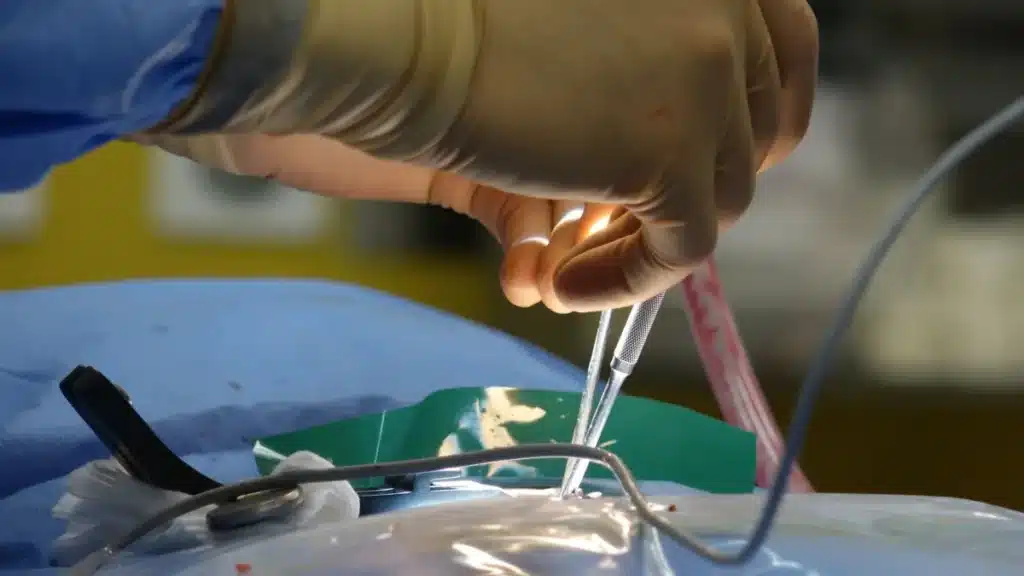
During a lumbar ESI, a physician uses image guidance (typically fluoroscopy, a type of real-time X-ray) to carefully place a thin needle into the epidural space. A corticosteroid medication, sometimes combined with a local anesthetic, is then injected directly where the nerve is irritated. The goal is to reduce inflammation around the compressed nerve root, which may allow pain signals to calm down enough for you to function better and participate in rehabilitation.
What the Procedure Involves and May Offer
Here is a straightforward overview of what a lumbar epidural steroid injection typically involves and what patients may reasonably expect:
- Minimally invasive, outpatient setting: The procedure is performed in a clinical or outpatient setting and requires no hospital stay.
- Image-guided precision: Fluoroscopy or another imaging tool guides needle placement to the correct spinal level, improving accuracy.
- Anti-inflammatory medication delivery: A corticosteroid is delivered near the irritated nerve roots and may help reduce local inflammation over several days.
- Possible pain reduction: Many patients report a meaningful reduction in lower back and leg pain following the injection, though individual responses vary.
- Short appointment time: The injection itself often takes about 15 to 30 minutes, though your full visit with preparation and monitoring typically runs longer.
These points offer a general guide only. Your experience may differ, and a full consultation with a qualified provider is always the right starting point.
Who May Be a Candidate for a Lumbar ESI?
Lumbar epidural steroid injections are commonly considered for patients with specific, nerve-related lower back pain that hasn’t responded well to initial conservative treatments. Your physician will typically review your symptoms, physical exam findings, and imaging studies such as an MRI or X-ray before recommending this approach.
Patients who may be considered for a lumbar ESI often include those with:
- A confirmed herniated disc: Especially when the herniation presses on a lumbar nerve root and causes radiating pain into the leg.
- Lumbar spinal stenosis: Narrowing of the spinal canal that compresses nerves and causes pain, numbness, or weakness.
- Persistent radicular pain: Shooting or burning pain that travels along the path of a spinal nerve, often into the buttock, thigh, calf, or foot.
- Inadequate relief from oral medications or physical therapy alone: When first-line treatments have provided only partial relief and more targeted intervention seems warranted.
Who This Procedure May Not Be Ideal For
Not every patient is a good candidate, and that matters. A lumbar ESI may not be recommended for patients with active spinal infections, bleeding disorders, certain allergies to the medications used, or those whose pain is primarily structural in a way better addressed by other interventions. If you have diabetes, discuss with your doctor beforehand that corticosteroids can temporarily affect blood sugar levels. The National Institutes of Health (NIH) notes that careful patient selection is a key factor in how well these injections tend to perform.
Now Accepting New Patients
Explore Herniated Disc Relief Options in Longview
If lower back or leg pain from a herniated disc is affecting your daily life near Loop 281, a consultation at Spine and Pain Clinic of Texas in Longview may be a useful next step. Call (214) 256-3900 or visit our Longview location page to request an appointment.
How Is the Injection Performed? What Happens on the Day?
Knowing what to expect can ease anxiety when you’re nervous about a procedure. Here is a general walkthrough of how a lumbar ESI appointment typically unfolds at an interventional pain clinic.
Most patients leave the clinic the same day, though you will need someone to drive you home. Plan to take it easy for the rest of that day.

What Can You Expect After a Lumbar ESI?
The days following a lumbar epidural steroid injection can vary quite a bit from person to person. Some patients notice improvement in leg and back pain within a few days. For others, the full effect may take a week or two to develop, since the corticosteroid works gradually by reducing inflammation.
It is also completely normal to experience some temporary soreness at the injection site for a day or two. The local anesthetic in the injection may provide brief relief in the first few hours, followed by a short period where your usual pain returns before the steroid begins working.
How Long Does Relief Typically Last?
Relief duration varies considerably. Some patients report several weeks of significant improvement, while others experience longer periods of reduced pain. In many cases, a series of injections spaced several weeks apart may be recommended, depending on your response and your physician’s clinical judgment. Lumbar ESIs are generally not intended as an indefinite treatment, but rather as a tool to reduce pain enough to support recovery and rehabilitation.
How Does a Lumbar ESI Compare to Other Options?
If you’re weighing your choices, this comparison may help frame your thinking before your consultation. Your provider will guide the right path for your specific situation.
For many patients with disc-related leg and back pain, a lumbar ESI fits naturally into the continuum between conservative care and surgical options. Recent clinical literature increasingly emphasizes this stepwise, minimally invasive approach before considering more invasive interventions.
Now Accepting New Patients
Schedule a Lumbar ESI Consultation in Longview, TX
A lumbar epidural steroid injection may offer meaningful relief for nerve-related back and leg pain. Our Longview team, accessible from communities along I-20 including Kilgore and Marshall, is ready to help you explore your options. Call (214) 256-3900 today.
Questions to Ask at Your Consultation
Walking into a pain management consultation prepared makes the whole experience more productive. Here are questions worth raising with your provider:
- Is my imaging consistent with nerve root compression at a specific lumbar level? Understanding the anatomy of your herniation helps determine whether a lumbar ESI targets the right area.
- Which approach will be used for my injection, and why is it the best fit for my anatomy and condition?
- How many injections might be needed, and how far apart would they typically be spaced?
- What should I stop or continue taking before the procedure, particularly blood thinners or diabetes medications?
- What physical therapy or follow-up care will complement this injection to support longer-term improvement?
Pain Management in Longview, TX: Care Close to Home
If you’re searching for a pain specialist in Longview, TX or a pain clinic near me along the East Texas corridor, Spine and Pain Clinic of Texas offers interventional pain management close to home. The Longview clinic is conveniently accessible from communities throughout the region, including Marshall, Kilgore, Gladewater, and Hallsville. Whether you’re traveling from areas along Interstate 20 (I-20) or coming from near LeTourneau University or downtown Longview, reaching the clinic is straightforward for most East Texas residents.
Dr. Muhammad Arif, MD, an interventional pain management specialist, sees patients across all four Texas clinic locations, including Longview. His focus on interventional approaches means patients with herniated disc pain have access to procedures like lumbar epidural steroid injections as part of a thoughtful, structured care plan. If you’ve been wondering whether there’s a non-surgical path forward for your back pain, this specialized consultation is where that conversation begins.
Taking the Next Step Toward Relief
Living with herniated disc pain is exhausting. It affects how you sleep, how you work, and how you spend time with the people you care about. You don’t have to keep guessing about your options. A lumbar epidural steroid injection may offer meaningful nerve pain reduction for the right candidate, and finding out whether you qualify starts with a single conversation.
Spine and Pain Clinic of Texas in Longview, TX, just a short drive from communities along I-20 and within easy reach of downtown Longview, is ready to help. Dr. Muhammad Arif, MD and the Longview team can review your imaging, discuss your history, and outline a realistic path forward based on your specific needs. Visit the Longview pain management services page or call (214) 256-3900 to request a consultation.
The same interventional pain management care is also available at the clinic’s other Texas locations: Plano, TX at (469) 915-5222, Grand Prairie, TX at (469) 680-3886, and Tyler, TX at (214) 256-3900, so patients across the state can access specialized care close to where they live.
Now Accepting New Patients
Take the Next Step Toward Back Pain Relief Today
You do not have to keep managing herniated disc pain on your own. Reach out to Spine and Pain Clinic of Texas in Longview, TX to find out whether a lumbar epidural steroid injection may be right for your situation. Call (214) 256-3900 or book online now.
This article is for educational purposes only and is not a substitute for professional medical advice, diagnosis, or treatment. Always consult a qualified healthcare provider about your specific condition. If you experience severe or sudden symptoms, seek emergency care immediately.