
Chronic back pain can turn ordinary moments, like a walk around Lone Star Park or a drive on I-20, into real struggles. If you’ve already tried medications, physical therapy, and rest without getting lasting relief, you might be wondering if there’s something more targeted available. There is. Radiofrequency ablation (RFA) is a minimally invasive procedure that interrupts pain signals from irritated facet joints in the spine, and it’s available right here in Grand Prairie, TX at the Spine and Pain Clinic of Texas.
In this guide
- What Is Radiofrequency Ablation and How Does It Work?
- What to Expect During and After Your RFA Appointment
- Who May Be a Good Candidate for RFA?
- How RFA Fits Into Your Overall Pain Management Plan
- Comparing Back Pain Treatment Options: A Quick Reference
- What Happens on Your RFA Appointment Day
- Questions to Ask at Your Consultation
- Convenient Care in Grand Prairie and the Surrounding Area
- Taking the Next Step Toward Relief
- FAQ
What Is Radiofrequency Ablation and How Does It Work?
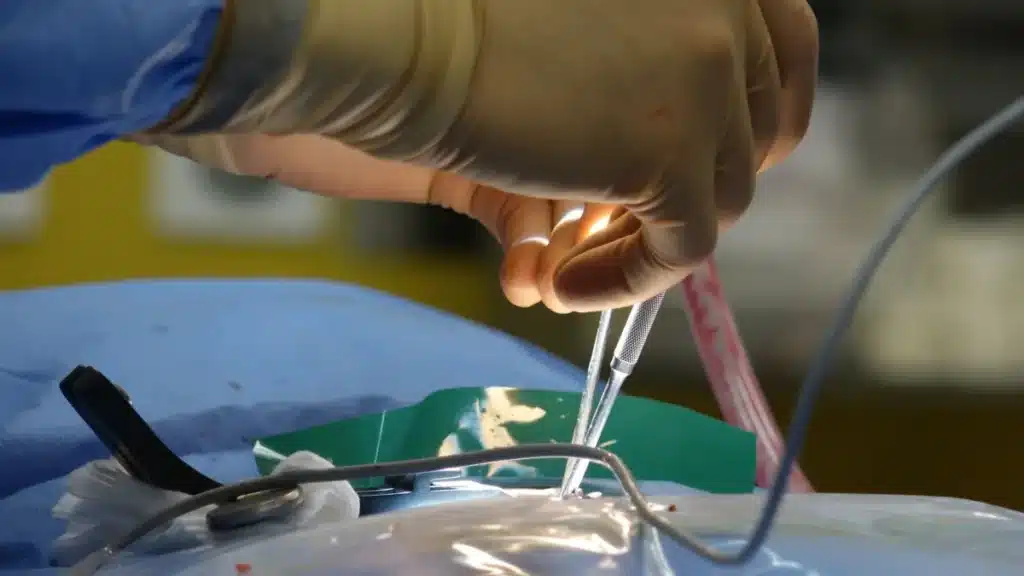
Radiofrequency ablation uses a small probe to deliver a precise, controlled pulse of radiofrequency (RF) energy to the medial branch nerves, the tiny nerve branches that carry pain signals from the facet joints of the spine. When those signals are interrupted, many patients report a meaningful reduction in their chronic back or neck pain. According to the Mayo Clinic, RFA is commonly used as a longer-term option for patients with joint-related spinal pain who have responded to diagnostic nerve blocks.
The facet joints themselves are small paired joints located on the back of each vertebra. They help guide the spine’s movement, but they can become inflamed and painful over time due to degenerative arthritis, injury, or simple wear and tear. That’s when RFA becomes worth discussing with a specialist.
Your provider performs the procedure under fluoroscopic guidance, meaning live X-ray imaging allows them to watch the needle in real time and place it precisely at the target nerve. Local anesthetic numbs the area first so you stay comfortable. The RF energy is then delivered, and the whole appointment generally takes 30 to 60 minutes, though your individual experience may vary.

What to Expect During and After Your RFA Appointment
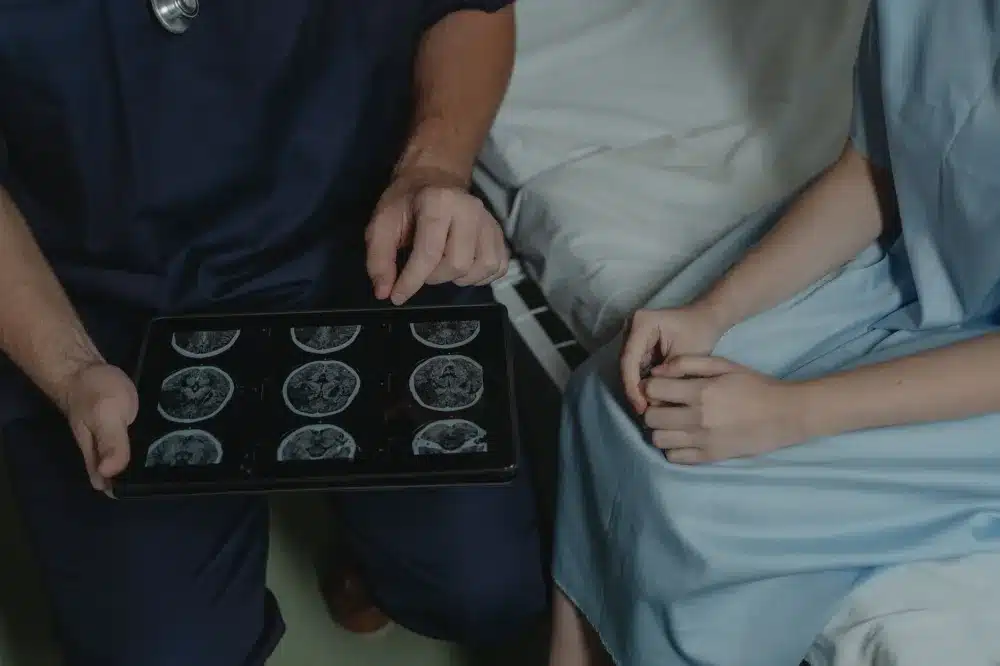
Before scheduling anything, your care team will review your medical history, imaging like MRI or X-ray, and how you’ve responded to past treatments. If you’re a good candidate, here’s what the procedure typically involves:
- Image-guided precision: fluoroscopy helps your provider position the RFA probe exactly where it’s needed near the target nerves.
- Local anesthetic first: the treatment area is numbed before the probe is placed, so most patients report manageable discomfort during the procedure.
- Outpatient setting: RFA is typically done as an outpatient procedure, meaning you go home the same day.
- Potential sustained relief: many patients report that pain reduction, when it happens, may last several months or longer, though results vary.
- No general anesthesia needed: the procedure uses local anesthetic and light sedation, reducing the risks associated with general anesthesia.
Now Accepting New Patients
Explore RFA for Facet Pain in Grand Prairie
If chronic back pain has been interfering with daily life near the I-20 corridor, a consultation with our Grand Prairie team may help clarify whether radiofrequency ablation is an appropriate option for you. Call (469) 680-3886 or visit our Grand Prairie location page to request an appointment.
Who May Be a Good Candidate for RFA?
RFA for facet joint pain is generally considered after a patient has already tried more conservative options without getting adequate relief. A specific diagnostic test usually comes first.
Most providers ask for a positive response to medial branch blocks, which are small diagnostic injections of local anesthetic near the target nerves. If your pain improves noticeably after those injections, it helps confirm that those nerves are the source, making RFA a more targeted and potentially effective next step. You can learn more about facet block injections as a diagnostic and treatment tool on our procedures page.
Patients who tend to be good candidates often share a few common factors:
- Chronic axial back pain: pain centered in the lower back or neck rather than radiating sharply into the arms or legs.
- Facet joint involvement confirmed: imaging or physical exam findings that point to the facet joints as a contributing source.
- Prior conservative treatment: physical therapy, oral medications, and other conservative care options have been tried without sufficient long-term results.
- Positive diagnostic block response: noticeable, temporary pain relief after a medial branch block injection.
Who This Procedure May Not Be Ideal For
RFA is not the right fit for everyone. Patients whose pain comes primarily from a herniated disc pressing on a nerve root, those with active spinal infections, or those with certain bleeding disorders may not be good candidates. A full evaluation is always the first step. Conditions like sciatica or spondylolisthesis may require a different approach entirely. Your specialist will help you figure out what makes sense for your situation during your consultation.

How RFA Fits Into Your Overall Pain Management Plan
RFA works best as one part of a broader, coordinated approach. A recent Medscape report highlighted that integrated care, combining interventional procedures with physical rehabilitation and other modalities, is increasingly recognized as the standard for managing chronic back pain effectively. That approach lines up well with how the Spine and Pain Clinic of Texas designs treatment.
Depending on your specific situation, your provider may pair RFA with physical therapy for the spine, medication management, or other treatments such as epidural steroid injections. In some cases, emerging options like regenerative medicine and PRP may be discussed, though those treatments are still considered emerging and are not a replacement for proven interventional care.
Early research from the National Institutes of Health (NIH) suggests that combining multiple pain management strategies tends to produce better functional outcomes for patients with chronic spinal pain than single-modality treatment alone. Research also indicates that pairing procedural and rehabilitative strategies may help patients maintain improvements over time, though results always vary by individual.
Comparing Back Pain Treatment Options: A Quick Reference
It helps to see where RFA fits in relation to other options your provider might consider. This table is a general overview. Your care team will recommend what’s appropriate for your specific situation.
| Treatment Option | Type | Typical Target | Generally Considered When |
|---|---|---|---|
| Physical therapy | Conservative | Muscle, posture, mobility | First-line, ongoing |
| Oral medications | Conservative | Systemic pain and inflammation | Early to mid-stage care |
| Facet block injection | Diagnostic / Interventional | Facet joint nerves | Before or instead of RFA |
| Radiofrequency ablation (RFA) | Minimally invasive | Medial branch nerves | After positive diagnostic block |
| Spinal cord stimulator | Neuromodulation | Pain signal pathways | Complex or refractory cases |
| Spine surgery | Surgical | Structural spinal issues | When conservative and minimally invasive options are exhausted |
Now Accepting New Patients
Ready to Discuss Your Back Pain Treatment?
Our Grand Prairie clinic, conveniently accessible along State Highway 360, offers same-week consultations for new patients when schedules allow. Reach us at (469) 680-3886 to find out whether RFA may fit your care plan.
What Happens on Your RFA Appointment Day
Knowing what to expect can ease a lot of the worry about the procedure. Here’s a general walkthrough of how an RFA appointment typically flows at an interventional pain clinic.

Questions to Ask at Your Consultation
Going in prepared helps you get the most value from your first appointment. Here are a few questions worth asking:
- Am I a candidate based on my imaging and history? Ask your provider to explain what they see and whether a diagnostic block should come first.
- Which spinal levels might be involved? Knowing whether the pain is lumbar (lower back) or cervical (neck) helps shape the conversation.
- How will we measure whether it’s working? Understanding how your team tracks progress helps set realistic expectations.
- What are the alternatives if RFA isn’t right for me? A good specialist always has a backup plan.
- Does my insurance typically cover this procedure? Coverage varies by plan and payer. The clinic can help verify your benefits before your appointment.
Convenient Care in Grand Prairie and the Surrounding Area
The Spine and Pain Clinic of Texas in Grand Prairie is easily reachable for patients throughout the Dallas-Fort Worth Mid-Cities area. Whether you’re traveling along State Highway 360, coming from the President George Bush Turnpike (SH-161), or heading over from Arlington, Irving, Duncanville, Cedar Hill, Mansfield, or DeSoto, the clinic is positioned to be a practical choice close to where you live and work.
Patients searching for a pain clinic near me in the mid-cities or specifically for pain management in Grand Prairie, TX can reach the team directly. Dr. Muhammad Arif, MD and the staff at Spine and Pain Clinic of Texas are currently accepting new patients. Consultations are typically scheduled within a reasonable timeframe for those with ongoing chronic pain.
If you’re interested in exploring care for conditions like sacroiliac joint pain or chronic back pain beyond facet joint issues, the clinical team can walk through all relevant options at your appointment. For patients in Irving, TX, our Irving pain management page has additional information. Those in Mansfield, TX can find local details at our Mansfield clinic page, and patients in Arlington can visit the Arlington pain management page for more.
Taking the Next Step Toward Relief
Living with chronic back pain is exhausting. It can feel like you’ve already tried everything that might help. But if facet joint pain is part of the picture, radiofrequency ablation may offer an option worth exploring with a specialist. The team at Spine and Pain Clinic of Texas in Grand Prairie is available to evaluate whether RFA or another individualized treatment pathway makes sense for your situation.
The clinic is a short drive from Traders Village and just off the I-20 corridor, making it convenient for patients across the Dallas-Fort Worth Mid-Cities area. Visit the Grand Prairie pain management location page to learn more or to request an appointment, or call (469) 680-3886.
The same high-quality interventional care is also available at the clinic’s other Texas locations: Plano, TX at (469) 915-5222, Longview, TX at (214) 256-3900, and Tyler, TX at (214) 256-3900.
Now Accepting New Patients
Take Your First Step Toward Pain Management in Grand Prairie
Connect with the Spine and Pain Clinic of Texas in Grand Prairie to speak with a specialist about radiofrequency ablation and other integrated back pain options. Call (469) 680-3886 or book online at our Grand Prairie location page today.
This article is for educational purposes only and is not a substitute for professional medical advice, diagnosis, or treatment. Always consult a qualified healthcare provider about your specific condition. If you experience severe or sudden symptoms, seek emergency care immediately.