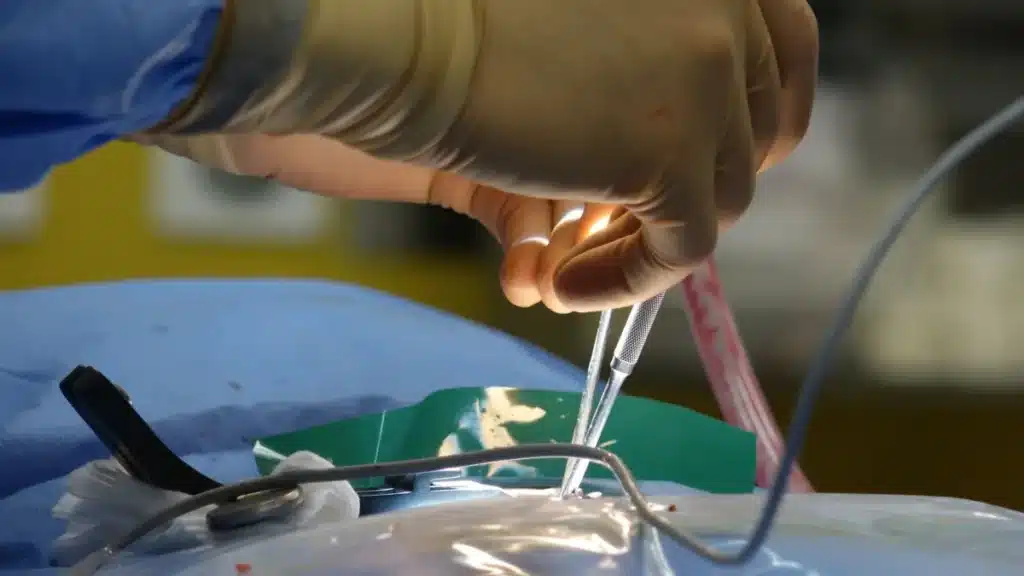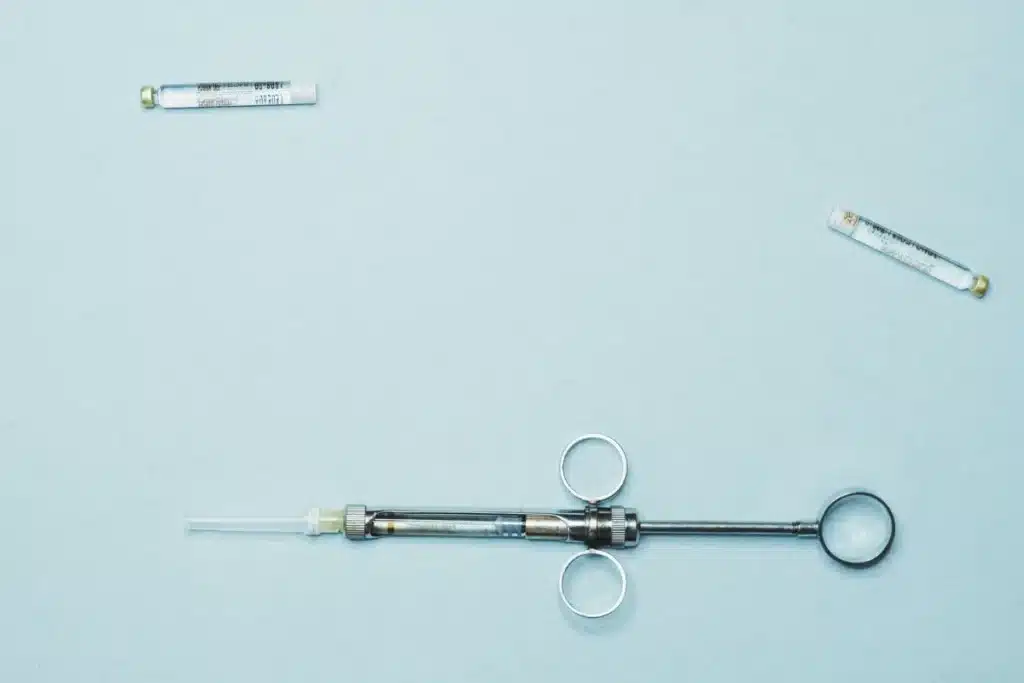

Living with severe chronic pain day after day is exhausting. You’ve tried medications, physical therapy, maybe injections. Yet the pain is still there. If you live near Loop 281 in Longview, TX and haven’t found lasting relief through conventional treatments, an intrathecal pain pump may be worth exploring. This minimally invasive device delivers medication directly into the fluid surrounding your spinal cord, where it can work more effectively at lower doses than oral pills.
In this guide
- What Is an Intrathecal Pain Pump?
- How Intrathecal Pump Therapy Works in Plain Terms
- Are You a Candidate for This Treatment?
- What Happens on Procedure Day and Beyond
- Questions to Ask at Your Consultation
- The Evolving Landscape of Pain Management
- Convenient Care for East Texas Patients
- Taking the Next Step Toward Relief
- FAQ
What Is an Intrathecal Pain Pump?
Think of an intrathecal pain pump as a precise, programmable delivery system for pain relief. The device is roughly the size of a hockey puck and sits under the skin of your abdomen. A thin, flexible tube called a catheter connects it to the intrathecal space, the area surrounding your spinal cord where pain signals travel. The pump releases measured doses of medication, usually an opioid, a muscle relaxant like baclofen, or a combination of both, directly where it’s needed most.
According to the Cleveland Clinic, intrathecal drug delivery can sometimes achieve effective pain relief using a fraction of the oral medication dose. This targeted approach may reduce certain systemic side effects that come with taking high doses of pills by mouth. Your spinal cord acts like the highway for pain signals, and this pump essentially intercepts those signals at the source.
This approach is typically considered after more conservative treatments haven’t provided adequate relief. Conditions that may make someone a candidate include severe chronic back pain, neuropathy, failed spine surgery syndrome, CRPS, cancer-related pain, and significant spasticity. Your care team determines the right fit through imaging studies like MRI or X-ray, a detailed pain history, and typically a trial period first.

How Intrathecal Pump Therapy Works in Plain Terms
Before considering any procedure, you deserve to understand what’s involved and what it may offer. Here’s what makes this approach different from oral medications or other treatments.
- Direct delivery to the source: Medication reaches the spinal fluid and pain nerves immediately, rather than traveling through your digestive system and bloodstream.
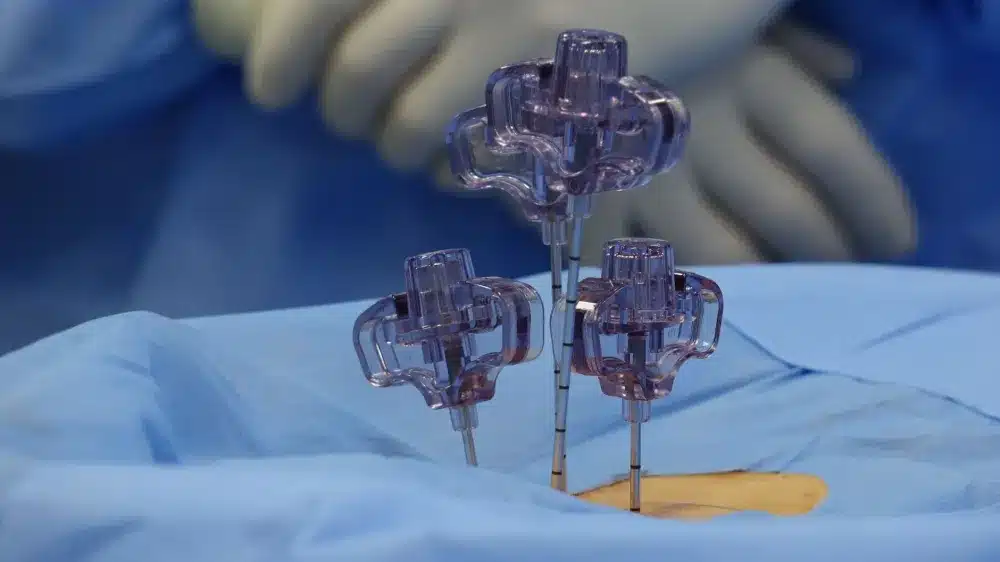
- Precision placement: Fluoroscopy, a real-time X-ray tool, guides the catheter to the exact spinal level where you need relief.
- Always tested first: Most patients undergo a temporary intrathecal trial before permanent implantation, so you and your doctor can see whether this approach may help your specific pain.
- Adjustable as you need it: The pump is programmed externally by your care team and adjusted over time as your pain or life circumstances change.
- Minimally invasive placement: The procedure is typically done under light sedation or general anesthesia and is considered an outpatient or short-stay surgery in many cases.
At the Spine and Pain Clinic of Texas in Longview, evaluation is careful and unhurried. You won’t feel rushed toward any procedure. The clinic’s focus is finding the right fit for your situation, and that takes honest conversation.
Now Accepting New Patients
Explore Intrathecal Pump Options in Longview, TX
If severe chronic pain has not responded to other treatments, an intrathecal pain pump consultation with Dr. Arif may be a meaningful next step. Reach our Longview clinic, conveniently accessible from Loop 281, by calling (214) 256-3900 or booking online today.
Are You a Candidate for This Treatment?
Candidacy is determined on an individual basis, but there are some common criteria. You may be a potential candidate if your chronic pain has not responded adequately to oral medications, physical therapy, or other minimally invasive procedures such as epidural steroid injections (anti-inflammatory medication delivered near the spinal nerves) or radiofrequency ablation (RFA), a procedure that uses heat to quiet pain-signaling nerves.
Psychological evaluation is also part of the screening process. This isn’t about stigma. Chronic pain affects mood and mental health, and the best outcomes happen when patients are well supported throughout treatment. You should also not have an active infection, untreated blood clotting issues, or certain other medical conditions that might make surgery unsafe. Dr. Muhammad Arif, MD, an interventional pain management specialist at the Spine and Pain Clinic of Texas, will review your full medical history to give you a straightforward, personalized answer.
Who May Not Be the Right Fit
Honesty matters here. Intrathecal pump therapy is not ideal for everyone. Patients whose pain responds well to simpler treatments, those unable to commit to scheduled pump refills and programming adjustments, or patients with certain medical conditions affecting surgery safety may not be appropriate candidates. Your provider will discuss these factors openly with you.
| Treatment Option | How It Works | Typical Use Case | Key Consideration |
|---|---|---|---|
| Oral Medications | Absorbed through digestive system | First-line moderate pain | Systemic side effects possible |
| Epidural Steroid Injection | Anti-inflammatory near nerve roots | Sciatica, disc-related pain | Temporary; repeat as needed |
| Spinal Cord Stimulator | Electrical signals interrupt pain | Neuropathic, failed back surgery | Reversible, requires trial first |
| Intrathecal Pain Pump | Medication into spinal fluid directly | Severe refractory chronic pain | Trial phase before implant |
| Radiofrequency Ablation | Heat disrupts pain-signaling nerves | Facet joint, sacroiliac pain | May last months to over a year |
What Happens on Procedure Day and Beyond
Understanding what to expect reduces anxiety and helps you prepare. Here’s a general overview of the journey from initial consultation through recovery. Individual experiences vary, so always ask your care team about specifics for your situation.

Now Accepting New Patients
Ready to Discuss Your Pain Relief Options?
Our Longview team, serving patients from Marshall, Kilgore, Gladewater, and across East Texas, is here to walk you through what the intrathecal pump process may involve for your specific situation. Call (214) 256-3900 or schedule a consultation at spinenpain.org/longview-tx/.
Questions to Ask at Your Consultation
Going in prepared makes a real difference. Here are genuinely useful questions to bring with you.
- Am I a candidate for the trial first? Ask what the trial process looks like at this clinic and how results are evaluated before committing to implantation.
- What medication would be used in my pump? Different medications suit different pain types, so understanding your options helps you make an informed choice.
- What happens if the pump doesn’t provide adequate relief? Knowing the backup plan before you start reduces anxiety about the decision.
- What are the most common risks for someone with my health history? Personalized risk discussion is more useful than a generic list.
- How will my pump be programmed and how often will I need refills? This affects your ongoing schedule and travel planning, so understanding it upfront matters.
The Evolving Landscape of Pain Management
Pain management is advancing rapidly. Reports from major medical centers including the Cleveland Clinic highlight a shift toward expanding access to advanced, targeted therapies beyond traditional hospital settings. As of 2026, growing interest exists in how outpatient and clinic-based delivery of procedures like intrathecal drug delivery can offer patients more convenient access to the care they need.
Emerging tools in chronic pain care, including AI-assisted treatment planning and procedural suites dedicated to complex pain conditions, are appearing in medical discussions. Research suggests these developments may reduce cost burdens and improve care pathways for patients with severe chronic pain over time. For patients in East Texas, this matters because interventional pain management is an active, advancing field, and the options available today are meaningfully different from even a few years ago.
For patients in Longview and the surrounding region, the practical takeaway is straightforward. You don’t need to travel to a major urban center to access interventional pain care. Dr. Muhammad Arif and the team at the Spine and Pain Clinic of Texas bring that expertise right here, accessible from Interstate 20 (I-20) and serving patients from Hallsville, Marshall, Gladewater, Kilgore, and communities across East Texas.

Convenient Care for East Texas Patients
The Spine and Pain Clinic of Texas in Longview is centrally located for patients across the region. Whether you’re coming from downtown Longview, commuting near Loop 281, studying at LeTourneau University, or driving over from Marshall, Kilgore, Gladewater, or Hallsville, this location is designed to be a practical, accessible option for your care. If you’ve been searching for a pain clinic near me or a pain management specialist in Texas, the team is ready to help.
Beyond intrathecal pump therapy, the clinic offers spinal cord stimulator evaluation, nerve blocks and facet block injections, and a range of other interventional options, all tailored to your individual situation. The same care is also available at the clinic’s other Texas locations: Plano, TX at (469) 915-5222, Grand Prairie, TX at (469) 680-3886, and Tyler, TX at (214) 256-3900.
Taking the Next Step Toward Relief
Severe chronic pain doesn’t have to be something you simply manage alone with whatever happened to be prescribed last. An intrathecal pain pump may not be right for everyone, but for patients who have exhausted other options, it represents a meaningful, evidence-backed path worth exploring with a specialist.
Dr. Muhammad Arif and the team at the Spine and Pain Clinic of Texas in Longview, TX are ready to talk through your history, your imaging, and your goals. The clinic is conveniently reachable for patients across East Texas traveling along I-20 or near Loop 281. Call (214) 256-3900 to request a consultation, or visit the Longview location page to book online. You deserve a real conversation about your options.
Now Accepting New Patients
Take the Next Step Toward Relief in Longview
You don’t have to keep managing severe chronic pain alone. Contact the Spine and Pain Clinic of Texas in Longview at (214) 256-3900 or visit spinenpain.org/longview-tx/ to request your consultation with Dr. Muhammad Arif.
This article is for educational purposes only and is not a substitute for professional medical advice, diagnosis, or treatment. Always consult a qualified healthcare provider about your specific condition. If you experience severe or sudden symptoms, seek emergency care immediately.