
Back pain that flares when you twist, lean back, or get up from a chair, and then eases when you sit still, is a telltale sign of facet joint irritation. If pills, rest, and stretching haven’t given you lasting relief, a procedure called a medial branch block may be worth exploring with a pain specialist.
In this guide
- What Is a Medial Branch Block?
- Understanding Facet-Related Back Pain
- Who May Be a Candidate for This Procedure?
- How Does the Procedure Actually Work?
- What Can You Expect After the Injection?
- Conservative Care First: Where Does This Fit?
- Questions to Ask at Your Consultation
- Seeing a Pain Specialist in Grand Prairie, TX
- Taking the Next Step Toward Relief
- FAQ
What Is a Medial Branch Block?
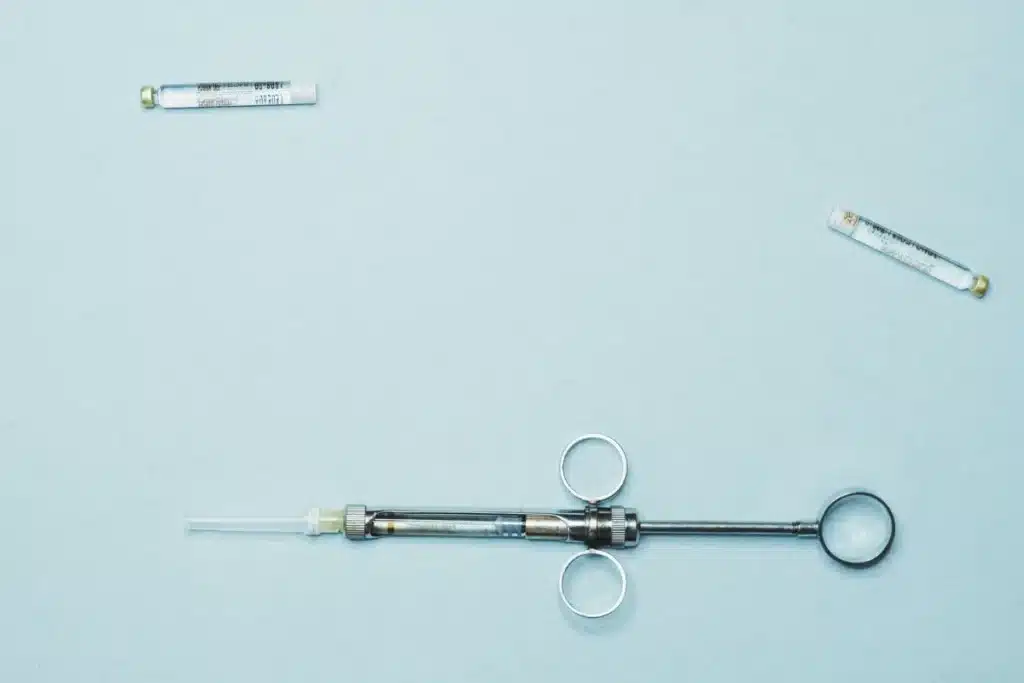
A medial branch block (MBB) is an injection of local anesthetic, numbing medication, placed very close to the medial branch nerves. These tiny nerves branch off your spinal nerves and carry sensation from your facet joints, the small paired joints on the back of each vertebra that help your spine move and stay stable. When those joints become inflamed or worn, these nerves are the pathway carrying that pain to your brain.
By temporarily numbing those specific nerves, the injection serves two purposes: it helps your doctor confirm that the facet joints are actually causing your pain, and it provides a window of relief that shows you what relief might feel like. The Mayo Clinic notes that facet joint problems are among the most common contributors to chronic back and neck pain, especially in adults with degenerative changes in the spine.
Here’s what the procedure offers:
- Targeted nerve numbing: A local anesthetic is placed near the medial branch nerves at one or more spinal levels.
- Diagnostic value: Significant pain relief after the injection may help confirm the facet joints as your primary pain source.
- Minimally invasive: No general anesthesia, no incisions, and performed as a same-day outpatient procedure.
- Image-guided precision: Fluoroscopy (live X-ray imaging) guides needle placement accurately.
- Possible short-term relief: Many patients report noticeable pain reduction for hours to days following the injection, though results vary.

Understanding Facet-Related Back Pain
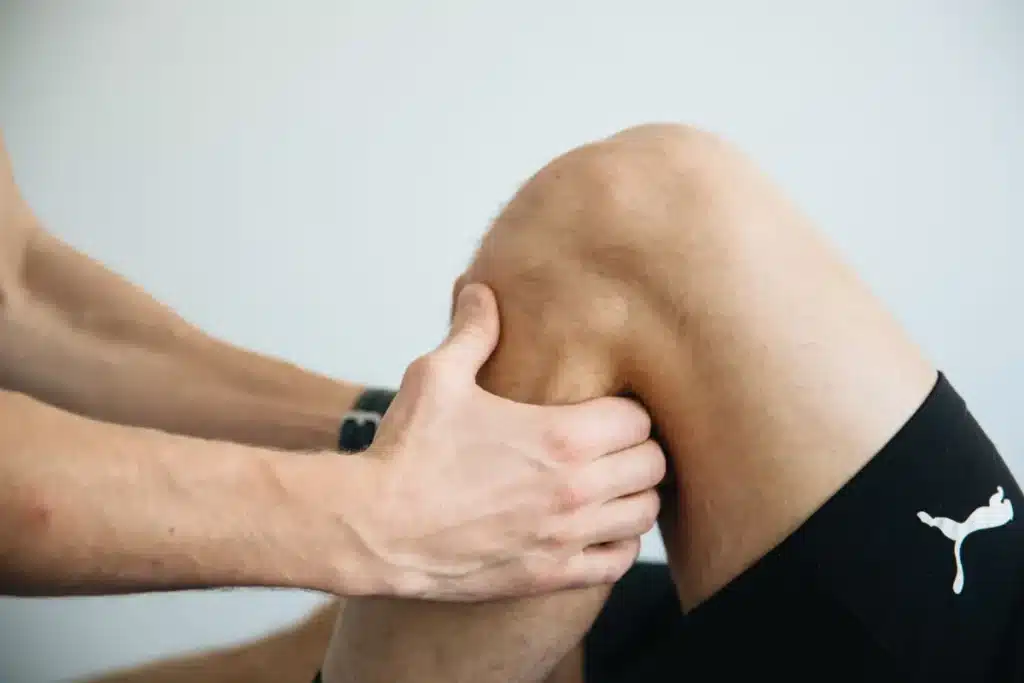
Facet joint pain is one of the more common causes of chronic back and neck discomfort, yet it often goes unrecognized for months. The facet joints sit on the back-facing side of your vertebrae, with two at every spinal level from your neck down to your lower back. They’re lined with cartilage and surrounded by fluid, much like your knee or hip joints.
When that cartilage wears down over time, often linked to degenerative arthritis, the joints can become a major source of pain, stiffness, and limited movement. The pain typically feels deep and aching, concentrated in the lower back or neck, and may radiate into the buttocks or shoulders without traveling all the way down the leg the way sciatica does.
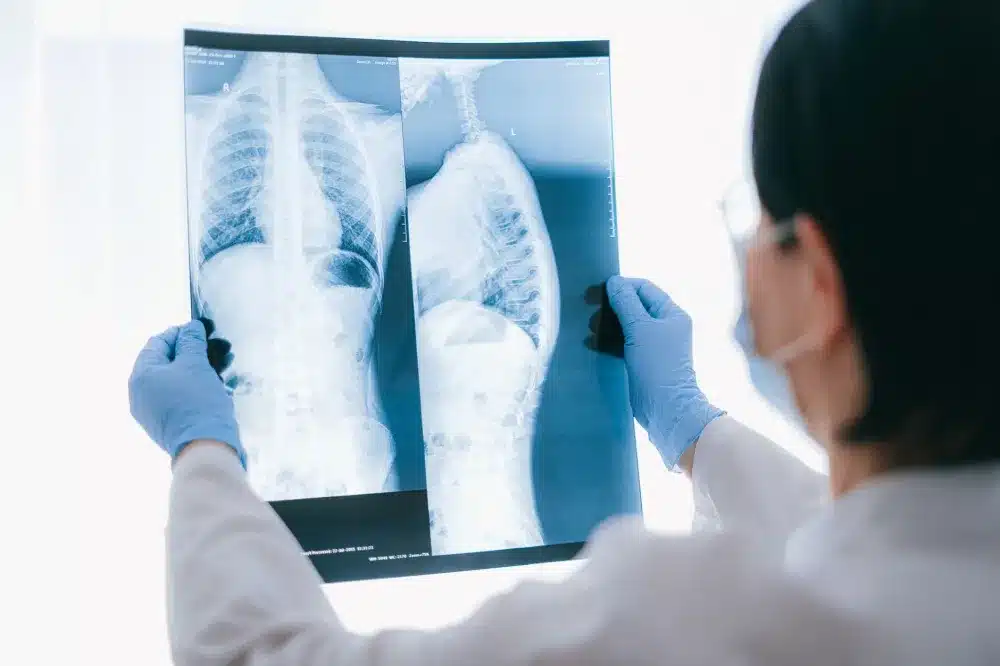
MRI or X-ray imaging can show joint degeneration, but imaging alone cannot always confirm that the facet joints are causing your pain. That’s where a medial branch block becomes valuable: it acts as a diagnostic tool, not just a treatment option.
Who May Be a Candidate for This Procedure?
A medial branch block is typically considered for adults with persistent back or neck pain that hasn’t responded adequately to conservative care. Your provider will review your full medical history, physical exam findings, and any imaging before recommending this step.
Patients often considered good candidates include those who:
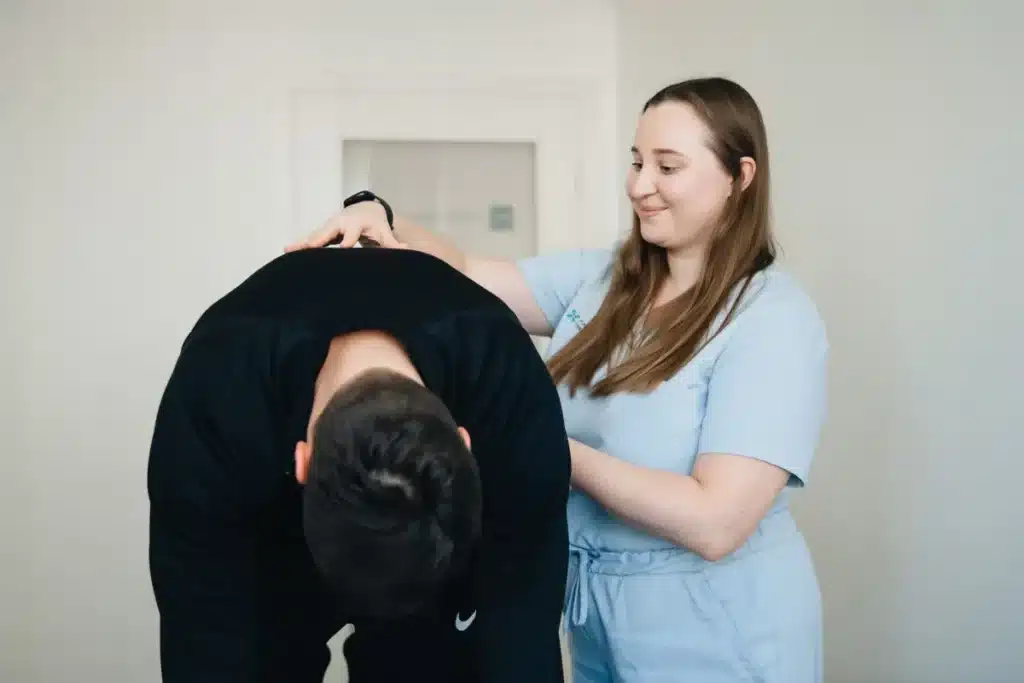
- Have back or neck pain with a facet joint pattern: Pain with spinal extension, rotation, or after staying in one position too long.
- Haven’t found lasting relief from conservative options: Physical therapy, over-the-counter medications, or activity modifications may have helped only partially.
- Have imaging suggesting facet joint involvement: MRI or CT findings consistent with joint degeneration or arthritis at one or more levels.
- Are not current surgical candidates or wish to explore non-surgical options first: The MBB fits within a broader minimally invasive care pathway.
Who This Procedure May Not Be Ideal For
A medial branch block may not be the right first step if your pain is primarily caused by a herniated disc pressing on a nerve root, spinal instability, or infection. Patients taking blood-thinning medications may need to pause them beforehand, and those with certain allergies or active infections at the injection site would need to discuss those factors first. A thorough evaluation, not a one-size-fits-all approach, is always the starting point.
Now Accepting New Patients
Explore Facet Pain Relief Options in Grand Prairie
If facet-related back pain is limiting your daily life, a consultation may help clarify whether a medial branch block is right for you. The Grand Prairie team is conveniently located for patients traveling along I-20 or State Highway 360, call (469) 680-3886 or visit our Grand Prairie location page to request an appointment.
How Does the Procedure Actually Work?
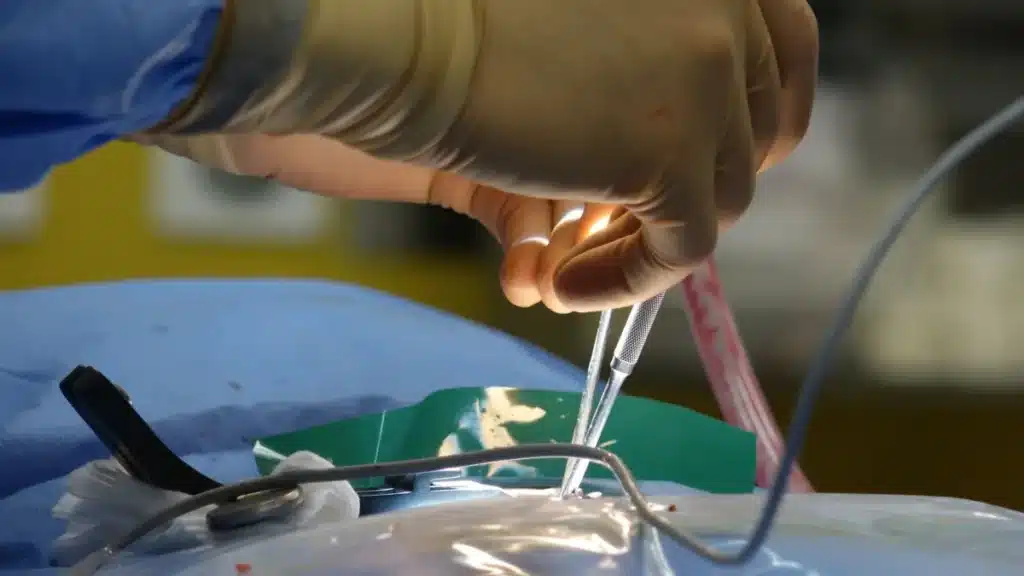
The medial branch block is performed on an outpatient basis, meaning you arrive, have the procedure, recover briefly, and go home the same day. Here’s what typically happens.
The National Institutes of Health confirms that diagnostic nerve blocks like the medial branch block are well-established tools in interventional pain medicine for identifying the source of spinal pain before deciding on longer-term treatment options.

What Can You Expect After the Injection?
Most people return home within an hour or two of the procedure. You’ll want to arrange a ride, since the injection area and any mild sedation can affect your driving safety for the rest of the day. Light activity is generally fine, but most providers recommend avoiding strenuous exercise or heavy lifting for at least 24 hours.
Here’s what the period before, during, and after a medial branch block typically looks like:
Your pain diary matters more than you might think. If the anesthetic significantly reduces your usual pain while it’s active, that’s a meaningful diagnostic signal. It tells your care team that the facet joints are very likely involved in your symptoms, which opens the door to a longer-term option like radiofrequency ablation (RFA). RFA uses heat energy to interrupt those same medial branch nerves for a potentially longer period, and it’s typically only recommended after a positive diagnostic block.
Now Accepting New Patients
Take the Next Step Toward Back Pain Answers
Wondering whether a medial branch block could help your facet joint pain? Dr. Muhammad Arif and the Grand Prairie team can review your history, imaging, and symptoms to discuss next steps, call (469) 680-3886 to get started.
Conservative Care First: Where Does This Fit?
Interventional procedures are rarely the starting point. For most patients, a reasonable first path involves physical therapy, activity modification, anti-inflammatory medications, and time. These conservative measures can help a significant number of people and are always worth exploring before moving to injections.
A medial branch block becomes a logical next step when those approaches have been tried and haven’t provided adequate or lasting relief. It bridges the gap between conservative care and more involved treatments without surgery, general anesthesia, or a lengthy recovery. That makes it a well-suited option for many adults in the Dallas-Fort Worth area who want answers without jumping straight to the operating room.
Questions to Ask at Your Consultation
Walking into a pain management appointment with specific questions makes the visit far more productive. Consider asking your provider:
- How many spinal levels do you plan to treat in one session? Multiple levels can be addressed in one visit in many cases.
- What percentage of pain relief would count as a positive response? Providers often use a threshold like 50% or 80% relief to define a meaningful result.
- If the block is positive, what’s the next step? This helps you plan ahead.
- Are there any medications I need to stop before the procedure? Blood thinners and some supplements may need to be paused.
- How will you use my pain diary results? Understanding the process makes it easier to track accurately.
Seeing a Pain Specialist in Grand Prairie, TX
Dr. Muhammad Arif, MD, an interventional pain management specialist serving all four Spine and Pain Clinic of Texas locations, works with patients to evaluate whether a medial branch block fits their situation. Dr. Arif takes a structured, diagnostic approach to back pain, meaning the goal of a consultation is first to understand your specific pain pattern and then discuss options that make sense for you.
The Grand Prairie clinic is well-positioned for patients across the Dallas-Fort Worth Mid-Cities. Whether you’re coming from Arlington, Irving, Duncanville, Cedar Hill, Mansfield, or DeSoto, the location near the President George Bush Turnpike (SH-161) corridor makes it practical and easy to access. If you’ve been searching for a pain clinic near me in greater Grand Prairie, you’ll find this clinic accessible from multiple directions. The team also serves Arlington, Irving, Duncanville, and Mansfield, so specialized care is close to home.
If you live near Lone Star Park or along the I-20 corridor and have been dealing with stubborn back pain, you don’t have to keep guessing what’s causing it. A proper evaluation is the first real step toward understanding your condition.
Taking the Next Step Toward Relief
Facet-related back pain can make ordinary things feel like real challenges: getting out of bed, sitting through a work meeting, enjoying time with family. A medial branch block isn’t a cure. But for the right patient, it can provide something just as valuable: a clearer diagnosis and a more focused path forward.
Dr. Muhammad Arif and the team at Spine and Pain Clinic of Texas in Grand Prairie are accepting new patients for pain management consultations. To schedule an appointment, call (469) 680-3886 or visit the Grand Prairie location page to request an appointment online.
The same specialized care is available at other Texas locations: Plano, TX at (469) 915-5222, and both Longview, TX and Tyler, TX at (214) 256-3900. No matter where you are in Texas, a pain specialist is within reach.
Now Accepting New Patients
Ready to Talk About Back Pain in Grand Prairie?
The Spine and Pain Clinic of Texas in Grand Prairie is here to help you understand your options for facet-related pain. Schedule a consultation today by visiting spinenpain.org/grand-prairie-tx/ or calling (469) 680-3886.
This article is for educational purposes only and is not a substitute for professional medical advice, diagnosis, or treatment. Always consult a qualified healthcare provider about your specific condition. If you experience severe or sudden symptoms, seek emergency care immediately.