
Knee Osteoarthritis Pain in Grand Prairie: Is There a Non-Surgical Option?
If you live near I-20 in Grand Prairie, TX, you already know how a stiff, aching knee can slow you down fast. Walking through Traders Village, staying active in the Texas heat, or even moving from room to room becomes a struggle when your knee isn’t cooperating.
In this guide
- Knee Osteoarthritis Pain in Grand Prairie: Is There a Non-Surgical Option?
- What Knee Osteoarthritis Actually Does to Your Joint
- What Is a PRP (Platelet-Rich Plasma) Injection?
- How Does a PRP Injection Work, Step by Step?
- Who May Be a Candidate for PRP Knee Injection?
- How Does PRP Compare to Other Knee Osteoarthritis Treatments?
- What to Expect After a PRP Injection for Your Knee
- Questions to Ask at Your Consultation
- Pain Management in Grand Prairie, TX: Care Close to Home
- Taking the Next Step Toward Relief
- FAQ
Living with chronic knee pain wears you down. The constant ache, the swelling after a long day, the moment you dread stairs. Sound familiar? You’re not alone, and there are options worth exploring.
What Knee Osteoarthritis Actually Does to Your Joint
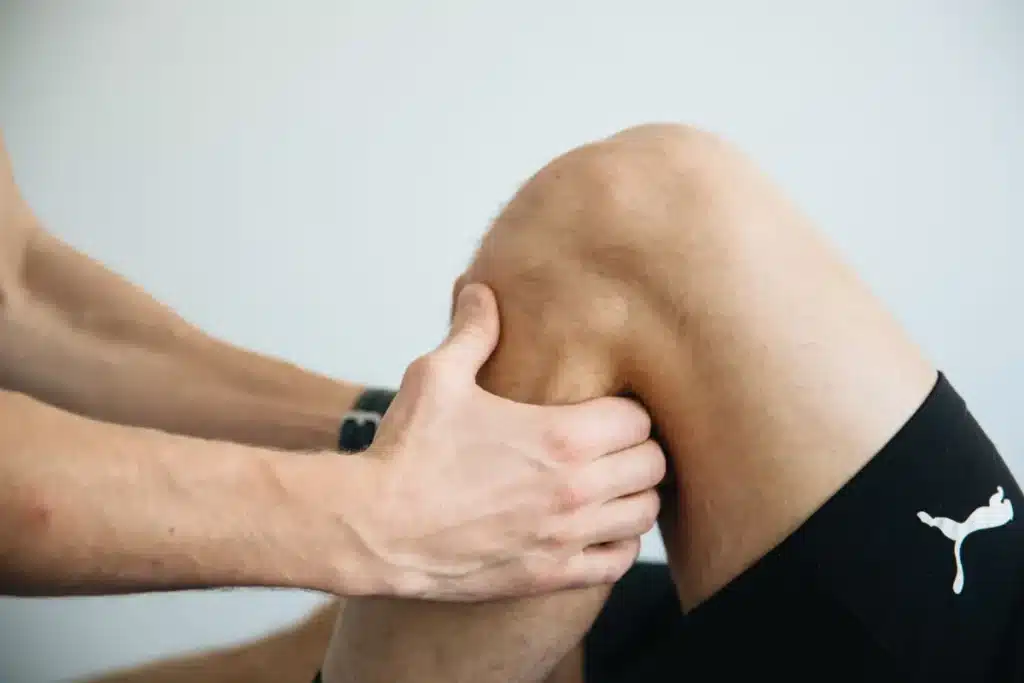
Knee osteoarthritis, also called degenerative joint disease, happens when the cartilage, that smooth cushioning tissue covering the ends of your bones, gradually wears down over time. Without that protective layer, bone starts rubbing against bone, causing pain, swelling, stiffness, and reduced range of motion. According to the Mayo Clinic, osteoarthritis is the most common form of arthritis and becomes more prevalent with age, though it can also develop after an injury or years of repetitive stress.
Here’s the challenge: cartilage has very limited ability to heal on its own because it lacks a direct blood supply. That’s why treating knee osteoarthritis is difficult, and it’s also why regenerative approaches like PRP have drawn growing attention from researchers and clinicians.
What Is a PRP (Platelet-Rich Plasma) Injection?
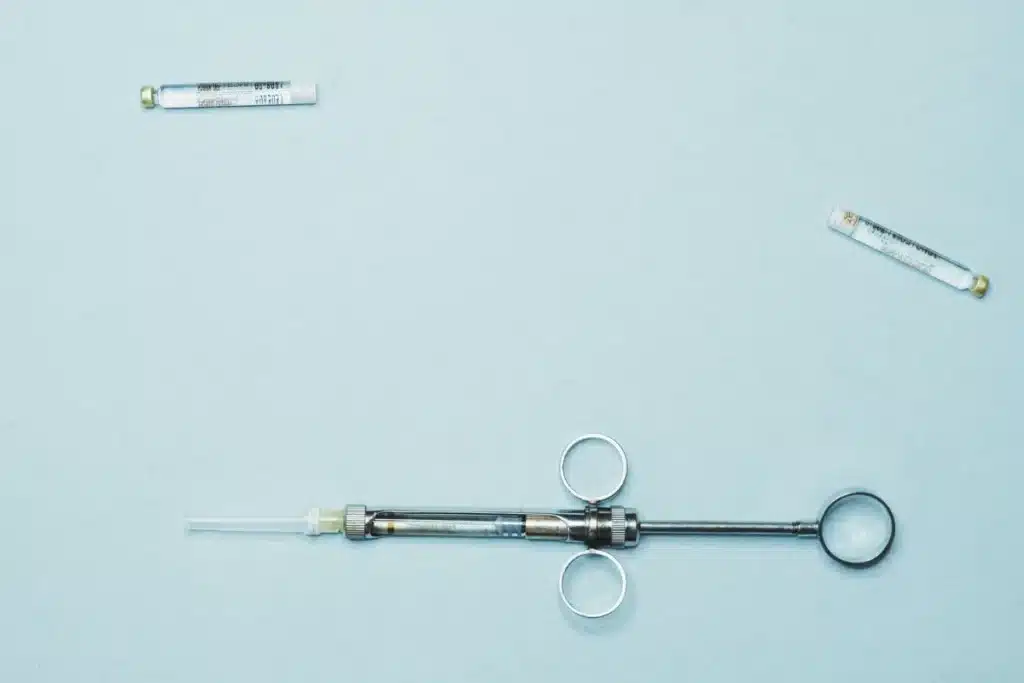
Platelet-rich plasma (PRP) injection uses a concentrated portion of your own blood, specifically the platelets and growth factors they contain, to support your body’s natural repair processes inside the affected joint. It’s classified as regenerative medicine because it works with your body’s own biology rather than introducing a foreign substance.
Here’s what the procedure involves in straightforward terms:
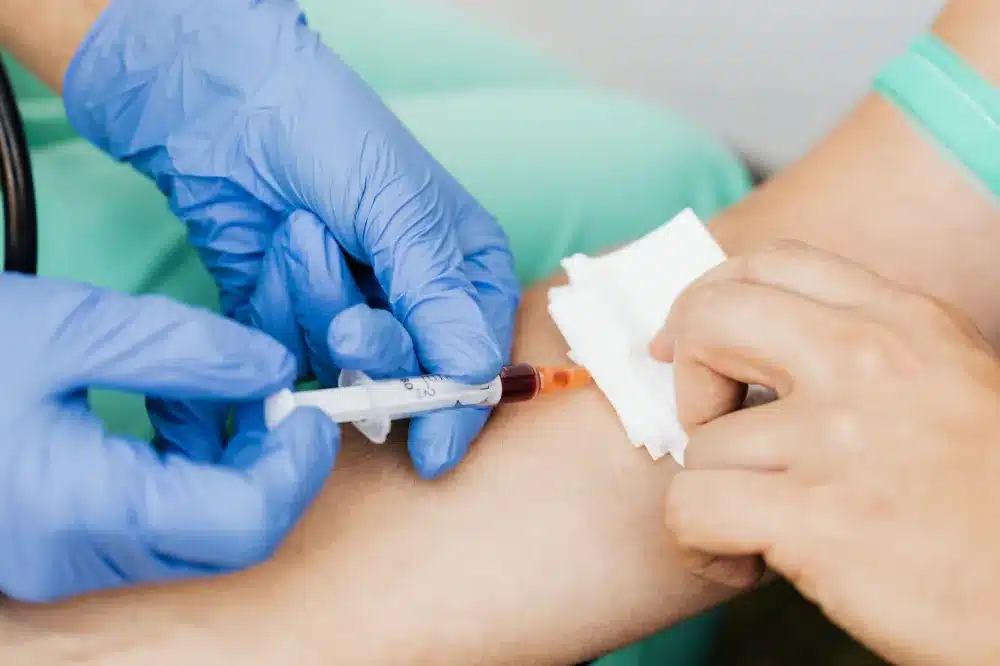
- Your own blood is used: A small amount of blood is drawn from your arm, just like a routine lab test.
- The PRP is prepared on-site: Your blood goes into a centrifuge, a machine that spins it at high speed to separate and concentrate the platelet-rich layer.
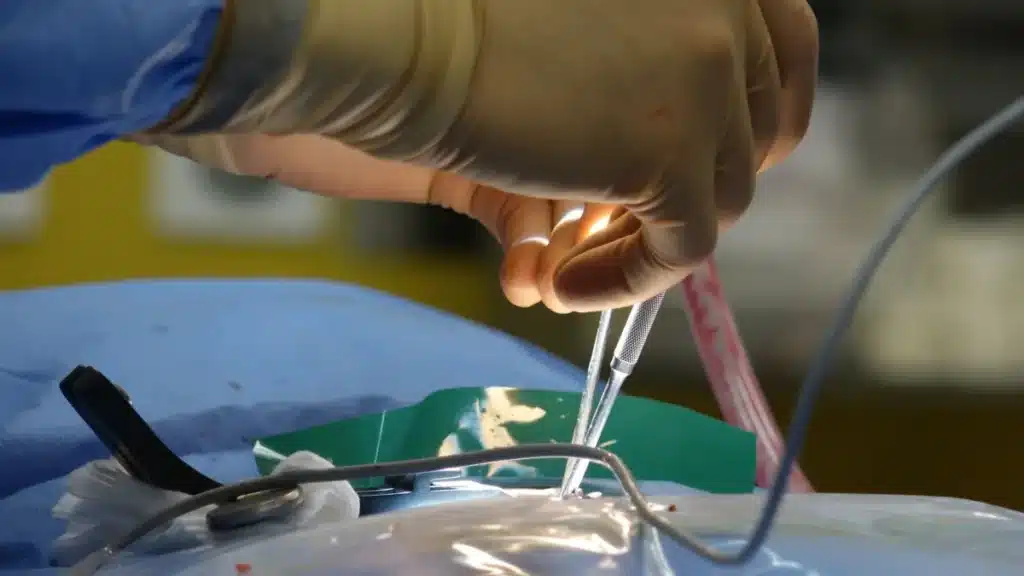
- The concentrated plasma is injected: Using ultrasound guidance, the PRP is delivered precisely into the knee joint to support the local healing environment.
- No general anesthesia required: The procedure is typically done as an outpatient appointment, often with a local anesthetic to minimize discomfort at the injection site.
- Some patients report gradual improvement: Relief, when it occurs, develops gradually rather than immediately, as the process supports tissue-level changes over weeks to months. Results vary and are not guaranteed.
Let’s be clear: PRP is an emerging and adjunct treatment option. Research from the National Institutes of Health (NIH) suggests that PRP may help reduce pain and improve function in some patients with knee osteoarthritis, but evidence continues to evolve and outcomes vary from person to person. No procedure guarantees results, and a thorough evaluation is essential before moving forward.
Now Accepting New Patients
Explore PRP Injection Options in Grand Prairie
If knee osteoarthritis pain is affecting your daily routine, a consultation with our team can help you understand whether PRP injection may be a suitable option for you. Contact our Grand Prairie, TX clinic at (469) 680-3886 or visit our location page to request an appointment.
How Does a PRP Injection Work, Step by Step?
The entire process typically happens during a single outpatient visit. Here’s what the appointment pathway looks like:
Who May Be a Candidate for PRP Knee Injection?
PRP injection for knee osteoarthritis isn’t right for every patient, and a good provider will be honest about that. Generally speaking, candidates who may benefit most are those with mild to moderate knee osteoarthritis who have already tried conservative treatments, such as physical therapy, anti-inflammatory medications, or activity modification, without getting enough relief.
Patients often considered reasonable candidates typically have some of these characteristics:
- Confirmed osteoarthritis diagnosis: Usually supported by imaging (X-ray or MRI) showing cartilage changes in the knee joint.
- Inadequate response to first-line care: Physical therapy or oral medications haven’t provided lasting comfort.
- Preference for non-surgical options: You want to explore approaches that don’t involve surgery before considering more invasive interventions.
- No active joint infection or certain blood disorders: Providers generally screen for conditions that could affect safety or outcomes.
Who This Procedure May Not Be Ideal For
It’s important to be honest about limitations. PRP may not be recommended for patients with severe, end-stage osteoarthritis where very little cartilage remains, since the biological environment may not support meaningful results. Patients taking certain blood-thinning medications, or those with active cancer, certain platelet disorders, or active infection near the joint, may be advised against this approach. A full medical evaluation is the necessary starting point.
If you’re searching for a pain clinic near me in Grand Prairie and wondering whether you fit the profile, a consultation beats a self-diagnosis.
How Does PRP Compare to Other Knee Osteoarthritis Treatments?
Understanding how PRP fits into the broader treatment landscape helps you have a more informed conversation with your provider. The table below outlines how several commonly used approaches compare.
| Treatment | Type | How It Works | Typical Setting | Notes |
|---|---|---|---|---|
| Physical Therapy | Conservative | Strengthens muscles around knee | Outpatient clinic | Often tried first |
| Corticosteroid Injection | Interventional | Reduces inflammation in joint | Outpatient clinic | May offer shorter-term relief |
| PRP Injection | Regenerative, Emerging | Growth factors support joint | Outpatient clinic | Uses patient’s own blood |
| Knee Replacement Surgery | Surgical | Replaces damaged joint surfaces | Hospital or surgical center | Typically for severe cases |
Many patients and providers prefer working through conservative and minimally invasive options before considering surgery. Physical therapy is commonly recommended as a foundation and can be used alongside or after PRP to support the best possible outcome.
Now Accepting New Patients
Ready to Discuss Knee Pain Relief Near Grand Prairie?
Convenient to I-20 and State Highway 360, our Grand Prairie clinic makes it easy for patients from Arlington, Irving, Duncanville, and surrounding communities to meet with a specialist. Call (469) 680-3886 or book online to take the next step.
What to Expect After a PRP Injection for Your Knee
Recovery after a PRP knee injection is generally straightforward, though it’s different from waking up after surgery. Most patients return home the same day. Some temporary soreness or mild swelling at the injection site is common in the first few days as your body responds to the concentrated growth factors.
Your care team will typically advise you to:
- Avoid strenuous activity for a short period after the injection, often a few days to a week, depending on your individual plan.
- Limit anti-inflammatory medications such as ibuprofen or naproxen for a period after the procedure, since these can interfere with the biological response PRP is intended to support.
- Follow a structured activity plan, which may include gentle movement and, in some cases, guided physical therapy to complement the treatment.
Follow-up appointments are a key part of the process. Your provider will assess how you’re responding, determine whether additional injections may be appropriate, and adjust your overall care plan. The clinic can also discuss how related options, such as joint injections for knee and hip pain, may fit into your broader treatment strategy.
Questions to Ask at Your Consultation
Walking in prepared makes a real difference. Here are practical questions worth bringing to your provider:
- Am I a good candidate based on my imaging and history? Ask the provider to explain what your X-ray or MRI shows and how it affects your suitability.
- How many injections might I need? Some protocols involve a series; others start with one and reassess.
- What should I stop taking before the procedure? Certain medications may need to be paused; clarify this well in advance.
- What does the follow-up process look like? Understand the timeline for check-ins and how progress will be measured.
- Is my insurance likely to cover this, and what are the out-of-pocket options? Coverage for PRP varies significantly; ask the clinic to help verify your benefits.
Pain Management in Grand Prairie, TX: Care Close to Home
Finding a qualified pain specialist in Texas who can evaluate your knee and discuss your full range of options shouldn’t require a long drive. The Spine and Pain Clinic of Texas in Grand Prairie is conveniently located for patients traveling along State Highway 360 or the President George Bush Turnpike (SH-161), and serves communities throughout the area including Arlington, Irving, Duncanville, Mansfield, Cedar Hill, and the broader Dallas-Fort Worth Mid-Cities corridor.
Dr. Muhammad Arif, MD, an interventional pain management specialist serving all four Texas clinic locations, works with patients to develop individualized care plans. Rather than offering a one-size-fits-all approach, the goal is to match each patient with options that make sense given their diagnosis, history, and goals. Whether PRP injection is the right choice or a different approach fits better, a thorough consultation is where that process begins.
If you’ve been searching for pain management in Grand Prairie, TX or a pain clinic near me in the Dallas-Fort Worth area, the team here is prepared to have that conversation with you. Patients from just minutes past Lone Star Park or across town near Epic Waters are welcome, and the clinic typically works to accommodate new consultations in a timely manner.
Taking the Next Step Toward Relief
Knee osteoarthritis won’t improve by waiting, but it also doesn’t always require dramatic intervention right away. A professional evaluation is the most useful first step you can take. A qualified provider can tell you exactly where you stand, what your imaging actually shows, and which options make sense given your specific situation.
Dr. Muhammad Arif and the team at the Grand Prairie, TX location are ready to review your case and discuss whether PRP injection or another approach to your knee pain may be appropriate. Call (469) 680-3886 or visit the Grand Prairie clinic page to request a consultation. Same care is also available at the clinic’s other Texas locations: Plano, TX at (469) 915-5222, Longview, TX at (214) 256-3900, and Tyler, TX at (214) 256-3900.
Now Accepting New Patients
Schedule a Knee Osteoarthritis Consultation Today
Dr. Muhammad Arif and the team at the Grand Prairie, TX location are ready to review your situation and discuss whether PRP injection or another approach fits your needs. Reach out today to get started.
This article is for educational purposes only and is not a substitute for professional medical advice, diagnosis, or treatment. Always consult a qualified healthcare provider about your specific condition. If you experience severe or sudden symptoms, seek emergency care immediately.