
What New Research Is Revealing About Chronic Pain
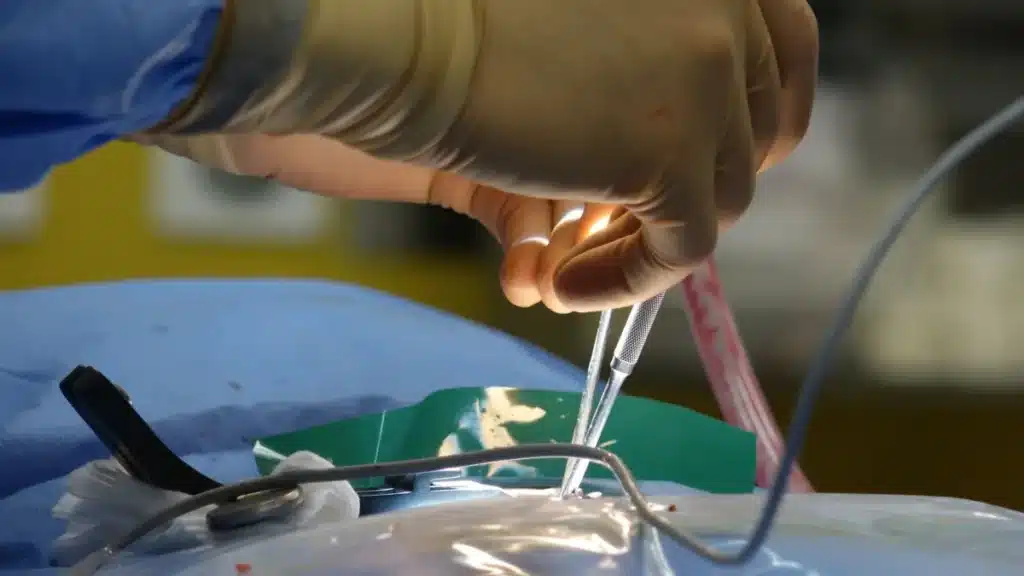
Chronic pain affects millions of Americans, yet many feel stuck managing symptoms without addressing the root cause. Early 2026 research from Virginia Tech is changing that conversation. Scientists published findings suggesting they may have identified how to target the underlying nervous system changes that keep chronic pain locked in place, rather than just masking the sensation.
In this guide
- What New Research Is Revealing About Chronic Pain
- Why This Matters If You Have Chronic Headaches or Migraines
- How Botox for Chronic Migraines Works
- Are You a Good Candidate for Botox Migraine Treatment?
- What Happens at Your First Botox Consultation
- Comparing Your Headache Treatment Options
- Working With Dr. Muhammad Arif, MD for Headache Relief
- Taking the Next Step Toward Relief
- FAQ
The Virginia Tech research focuses on how the nervous system becomes “sensitized” over time. Think of it like an alarm system that stays stuck on high alert even after the original injury heals. If these early findings hold up through further study, future treatments built on this science could reshape how persistent pain is handled. That said, this is early-stage work. Moving from lab findings to treatments patients can actually use typically takes years of testing and regulatory approval.
What matters now is the direction. Pain medicine is shifting away from just suppressing the sensation and toward understanding chronic pain as a nervous system condition that may be addressed more directly.
Why This Matters If You Have Chronic Headaches or Migraines
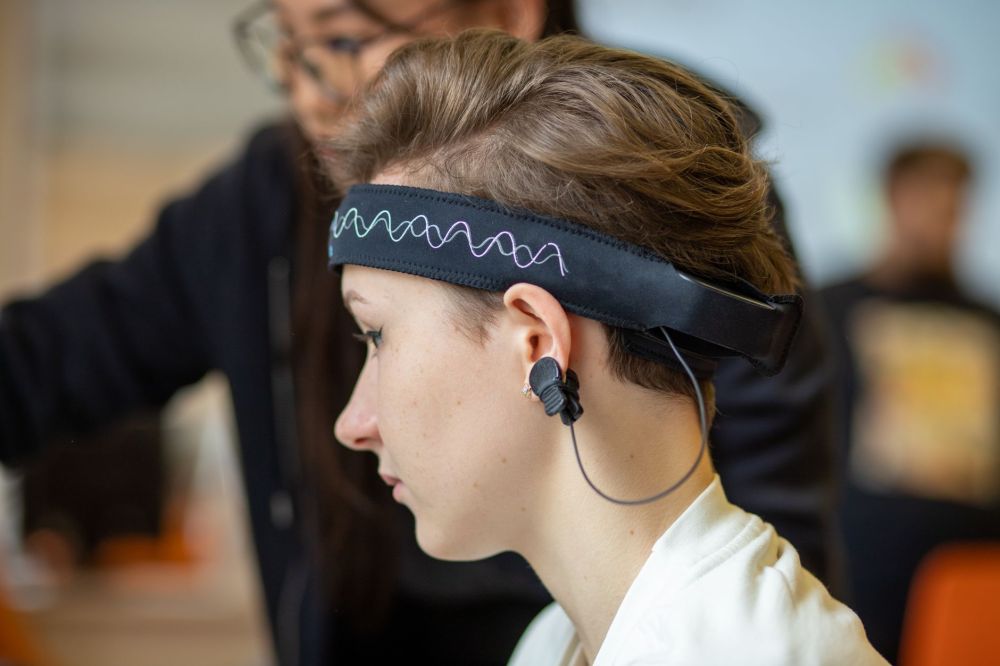
Chronic headaches and migraines are some of the most common chronic pain conditions, and they involve the same nervous system changes researchers are now studying. The Mayo Clinic defines chronic migraine as 15 or more headache days per month, with at least eight days meeting migraine criteria. If that sounds like your life, you already know how it disrupts everything you try to plan.
One key finding in migraine research involves something called central sensitization. This is when the brain and spinal cord nerves become overactive and react too strongly to pain signals. It’s the exact area Virginia Tech researchers are exploring. While their specific approach isn’t available as a clinical treatment yet, pain specialists across the Dallas-Fort Worth area know something important: treating the nerve patterns driving migraines, not just the pain itself, produces better outcomes for many patients.
How Botox for Chronic Migraines Works
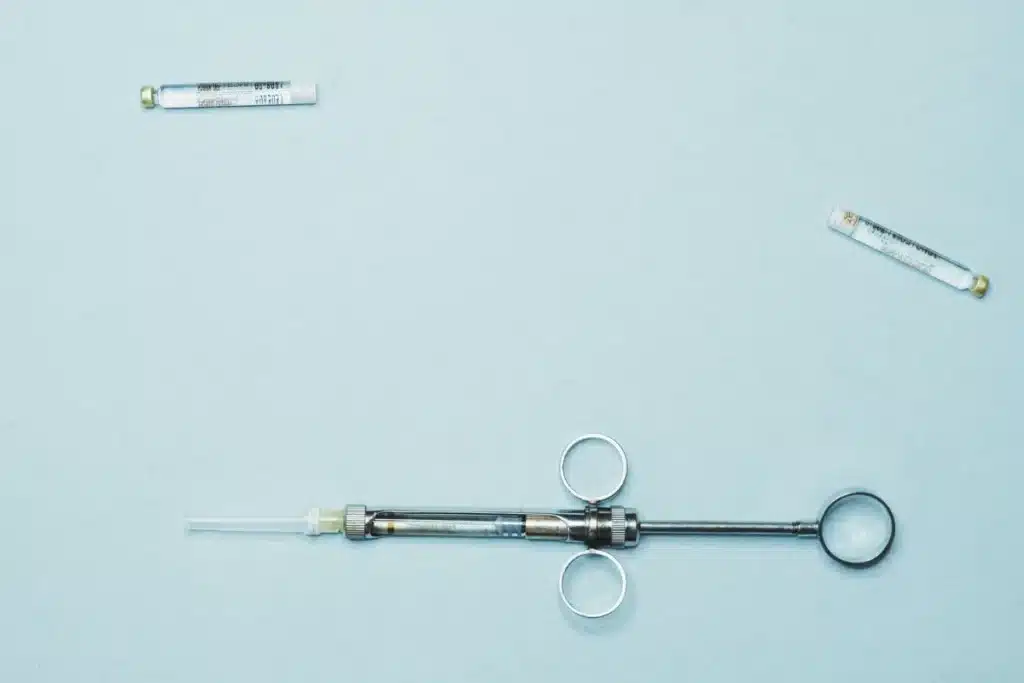
Botox for chronic migraines is an FDA-approved treatment using tiny injections of onabotulinumtoxinA (the same protein used in cosmetic treatments) to interrupt the pain signals involved in migraine attacks. It’s not a painkiller in the usual sense. Instead, it blocks the release of chemical messengers called neurotransmitters that activate the nerve pathways responsible for migraine pain.
Injections go into specific points on the forehead, temples, back of the head, neck, and upper shoulders. A single treatment session involves multiple small injections across these areas and typically takes less than 30 minutes. The process is performed in an outpatient setting, so no hospital stay is needed. Most people tolerate the injections well.
Results don’t happen overnight. Patients who respond typically start noticing fewer headaches over four to six weeks following their first treatment. Since the effects fade over time, treatment is usually repeated every 12 weeks if it’s helping you.

Are You a Good Candidate for Botox Migraine Treatment?
Botox for chronic migraines is usually considered for adults experiencing 15 or more headache days per month who haven’t found relief from oral preventive medications. It’s rarely the first step. Most patients try lifestyle changes, over-the-counter options, and prescription preventive drugs before a specialist recommends an injected treatment.
This stepped approach makes sense. At the Spine and Pain Clinic of Texas in Grand Prairie, the team reviews your full headache history, what you’ve already tried, and any other health factors before suggesting Botox. Patients from nearby Arlington, Irving, Duncanville, Cedar Hill, and Mansfield regularly come here for care, and consultations give you a clear picture of whether Botox fits your specific situation.
Who This Treatment May NOT Be Right For
Botox for migraines isn’t appropriate for everyone. If you have certain neuromuscular conditions, are pregnant or breastfeeding, or have a known allergy to botulinum toxin products, you’re not a candidate. If your headaches don’t reach the chronic migraine threshold (fewer than 15 days per month), other preventive strategies might work better first. Only a qualified specialist can say for sure after a proper evaluation.

What Happens at Your First Botox Consultation
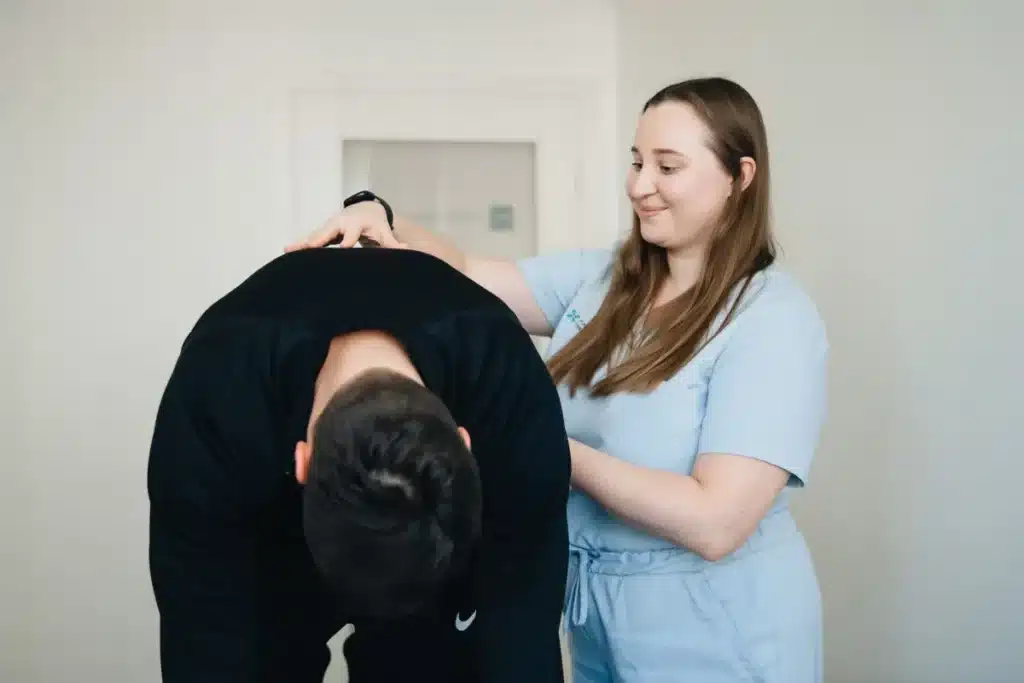
Walking into a pain clinic for the first time can feel uncertain. Here’s what typically happens. Your first appointment focuses on your headache patterns, how often they occur, how bad they are, what triggers them, and what treatments you’ve already tested. Your provider will do a physical and neurological exam to confirm chronic migraine is the real diagnosis and to see if an injected treatment makes sense for you.
If Botox is recommended, the injection appointment itself is straightforward. You sit comfortably while the provider administers injections at specific mapped points on your head, neck, and upper back. Most people describe brief, mild sensations. No anesthesia is needed, and you can drive yourself home afterward.
Smart questions to ask include:
- How many treatment cycles should we plan before we know if this is working?
- What should I track between visits to measure how I’m responding?
- Are there other treatments that work better combined with Botox?
- Does my insurance cover this, and can you help me check my benefits?
- What side effects should I watch for?
Insurance coverage varies by plan. Some cover Botox when you meet specific criteria; others require prior approval first. The Grand Prairie clinic staff can check your benefits before you start so you know what to expect cost-wise.
Comparing Your Headache Treatment Options
| Treatment Option | How It Works | Typical Candidate | Notes |
|---|---|---|---|
| Oral preventive medications | Daily pills that reduce migraine frequency | Most patients, first-line | Often tried before Botox |
| Botox injections | Blocks neurotransmitters in pain pathways | Chronic migraine (15+ days/month) | FDA-approved, repeated every 12 weeks |
| Nerve blocks | Anesthetic injected near a specific nerve | Acute or recurrent headaches | May provide relief for some patients |
| Trigger point injections | Targets tight muscle bands in head and neck | Tension-type or cervicogenic headaches | Often used alongside other treatments |
| Lifestyle and physical therapy | Sleep, diet, stress management, exercise | All headache patients | Foundational, supports all other treatments |
If tension headaches with a neck component are part of your problem, trigger point injections or other injection and nerve block options might help depending on your specific situation. The best approach is always tailored to you.

Working With Dr. Muhammad Arif, MD for Headache Relief
Dr. Muhammad Arif, MD is an interventional pain management specialist serving all four Spine and Pain Clinic of Texas locations. His approach to chronic migraines focuses on pinpointing what’s driving each patient’s specific pain, then selecting treatments that address those underlying causes rather than applying the same solution to everyone.
For Grand Prairie-area patients searching for a pain specialist and wanting someone who understands both the science and the real-world impact of chronic headaches, Dr. Arif’s background in interventional pain management means he knows the full spectrum of options, from conservative strategies to minimally invasive procedures. If you’ve been struggling with headaches for months or years without a solid plan, a consultation is often the most helpful first step.
Patients from Arlington, Irving, Duncanville, Cedar Hill, and Mansfield are all within a short drive of the Grand Prairie clinic. If chronic headaches are limiting your life and you’re looking for pain management in the Dallas-Fort Worth Mid-Cities area, this clinic is a practical choice worth exploring.
Taking the Next Step Toward Relief
You don’t have to wait for future breakthroughs to find relief. While researchers continue exploring new ways to address chronic pain, treatments like Botox for chronic migraines are available now at the Spine and Pain Clinic of Texas in Grand Prairie. If you’ve been dealing with 15 or more headache days per month and previous treatments haven’t worked, a consultation with Dr. Arif can help you figure out if this option fits your needs.
Call (469) 680-3886 to schedule a consultation at the Grand Prairie location. The team will review your options, answer insurance questions, and build a care plan based on your headache history.
The same expert pain management is also available at our other Texas locations: Plano, TX at (469) 915-5222, Longview, TX at (214) 256-3900, and Tyler, TX at (214) 256-3900, so whichever clinic is closest to you, quality interventional care is nearby.
This article is for educational purposes only and is not a substitute for professional medical advice, diagnosis, or treatment. Always consult a qualified healthcare provider about your specific condition. If you experience severe or sudden symptoms, seek emergency care immediately.