
A Surprising Connection: Can Chronic Pain Raise Your Risk of Dry Eye?
Most people blame dry eye on screen time or air conditioning. But recent research is highlighting a less obvious link: chronic pain conditions may be connected to a higher risk of developing dry eye disease. If you’ve been managing long-term pain, this is worth knowing about.
In this guide
- A Surprising Connection: Can Chronic Pain Raise Your Risk of Dry Eye?
- What Does This Mean for Chronic Pain Patients in Plano, TX?
- How Does Botox for Chronic Migraines Work in Plano, TX?
- What to Expect at a Botox for Migraines Consultation at Our Plano Clinic
- Meet the Specialist: Dr. Muhammad Arif, MD
- Taking the Next Step Toward Relief
- FAQ
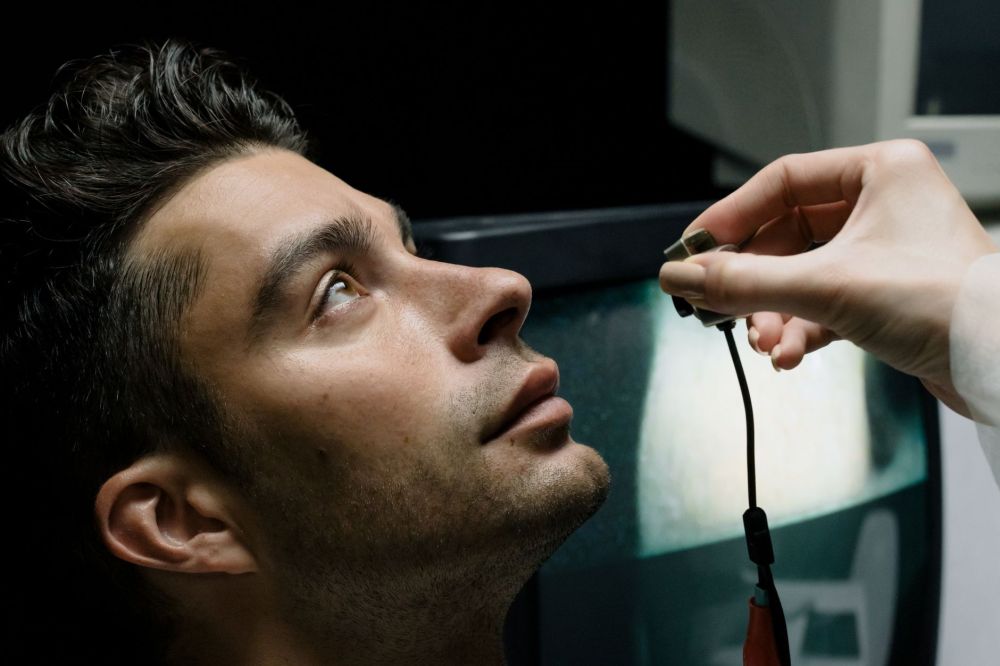
The research is still emerging, so it’s important to read carefully. The connection may involve shared mechanisms in the nervous system, where pain-signaling pathways and the nerves controlling tear production overlap more than previously understood. Systemic inflammation, which drives many chronic pain conditions, could also affect the delicate surface of the eye.
What Conditions Are Reportedly Involved?
The research covers a range of chronic pain diagnoses, not just one condition. Conditions involving widespread or persistent nerve-based pain show the strongest connection to dry eye risk. Fibromyalgia, neuropathy, and chronic headache disorders are among the conditions researchers are examining more closely in this context.
Here’s what this research does NOT claim: it doesn’t prove that treating your pain will prevent dry eye, and it doesn’t suggest dry eye causes chronic pain. What it does suggest is that the two problems may share some biological roots. That makes a whole-person approach to pain management more important than ever.
What Does This Mean for Chronic Pain Patients in Plano, TX?
For patients managing chronic head and neck pain in the Plano area, this research adds another reason to take a proactive, coordinated approach to care. Chronic neck pain and headache disorders are among the most disruptive conditions we see at our clinic. Whether you’re sitting at a desk in Frisco, commuting from McKinney, or managing a busy household in Allen, dealing with daily head pain is exhausting. Add unexplained eye discomfort on top of that, and things get harder.
This emerging research isn’t a reason to panic. It’s a reason to pay attention. If you’ve been putting off addressing your chronic migraines or head and neck pain, here’s a good reminder that these conditions can ripple out and affect other parts of your health. A specialist in head and neck pain management can help you understand your options and create a plan that fits your life.

How Does Botox for Chronic Migraines Work in Plano, TX?
Botox for Chronic Migraines (onabotulinumtoxinA) is an FDA-approved preventive treatment designed to help reduce how often chronic migraines occur in adults. It’s not a painkiller you take when a migraine hits. Instead, it works as a preventive measure, given roughly every 12 weeks by a trained specialist.
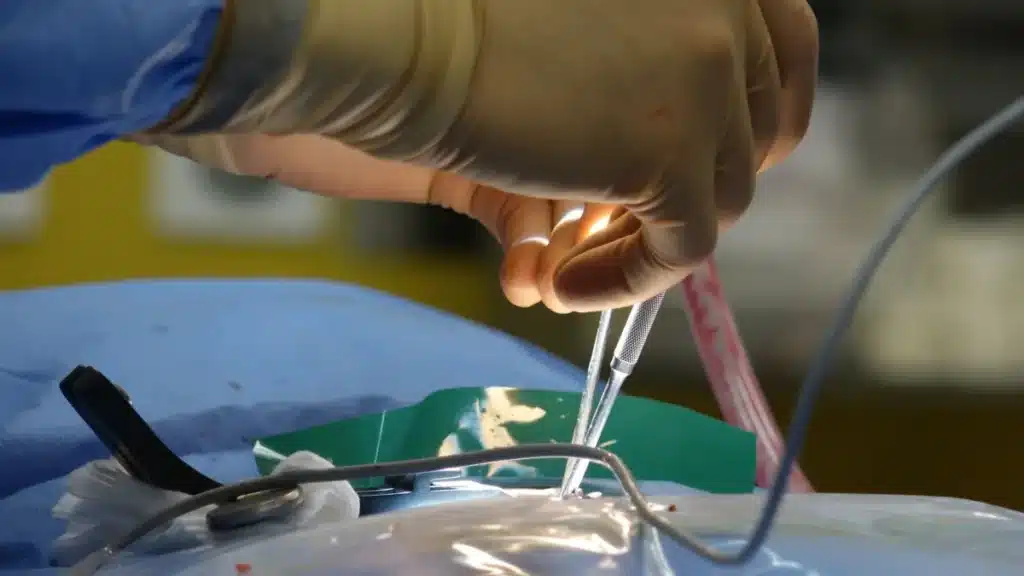
Here’s how the procedure typically works. The specialist delivers a series of small injections into specific muscle groups around the head and neck, including the forehead, temples, back of the head, neck, and upper shoulders. The injections usually take about 15 to 30 minutes. There’s no sedation needed, and most people return to their normal activities the same day.
The medication works by blocking chemical signals that activate pain networks in the head and neck. Over time, and typically after at least two treatment cycles, many patients report a meaningful decrease in the number of headache days per month. Results vary from person to person, and this treatment isn’t right for everyone.
Who May Be a Candidate?
This treatment may be worth exploring if you experience frequent, debilitating migraines that haven’t responded well to oral preventive medications. Candidates are typically adults who have tried at least one or two preventive migraine medications without adequate relief. People with certain neuromuscular conditions or known sensitivity to botulinum toxin products may not be good candidates.
That’s exactly why an in-person consultation matters so much. A specialist can review your full history, rule out other causes of your head pain such as cervical disc disease or facial pain conditions, and help you understand what to realistically expect from any treatment option.

What to Expect at a Botox for Migraines Consultation at Our Plano Clinic
Knowing what happens at your first appointment can help ease anxiety about the process. Here’s what a consultation for Botox for Chronic Migraines typically looks like at an interventional pain management clinic.
| Stage | What Happens | Typical Timeframe |
|---|---|---|
| Initial Consultation | Review of headache history, prior treatments, physical exam | 45-60 minutes in many cases |
| Treatment Decision | Specialist confirms candidacy; insurance verification begins | Same visit or shortly after |
| First Injection Session | Series of small injections across head, neck, and shoulder areas | About 15-30 minutes typically |
| Follow-Up Cycle | Repeat treatment and response assessment | Every 12 weeks generally |
Come prepared with questions. Ask your specialist: How many headache days per month qualify me for this treatment? When might I notice a change? What other options should we consider alongside or instead of Botox? What does my insurance typically cover for this treatment?
Who Is This Treatment NOT Ideal For?
Honest information matters. Botox for Chronic Migraines is generally not recommended for people whose headaches occur fewer than 15 days per month, for those who are pregnant or nursing, or for patients with certain muscle or nerve disorders. It’s also not a substitute for addressing structural causes of head and neck pain. If your headaches appear to be driven by cervical spine problems, nerve blocks or facet blocks or other targeted interventions may be more appropriate. A complete evaluation is the only way to know for sure.
Meet the Specialist: Dr. Muhammad Arif, MD
Dr. Muhammad Arif, MD is an interventional pain management specialist who sees patients across all four Spine and Pain Clinic of Texas locations, including the Plano clinic. He works with patients dealing with a wide range of chronic pain conditions, from head and neck pain to complex spinal issues, and can help determine whether Botox for Chronic Migraines or another targeted approach is the right fit for your situation.
If you’re traveling to our Plano location from Richardson, Carrollton, Murphy, Wylie, The Colony, or North Dallas, you’ll find it an easy drive. Whether you’re looking for a pain clinic near me or searching for a pain specialist in Texas who takes a careful, individualized approach, Dr. Arif and the team at our Plano, TX pain management clinic are ready to help.

Taking the Next Step Toward Relief
Chronic pain doesn’t just affect the part of your body that hurts. As this emerging research reminds us, it can have effects you might not even connect to your pain condition. Whether you’re managing frequent migraines, persistent neck pain, or both, getting a clear picture of your treatment options is the right move.
The Spine and Pain Clinic of Texas in Plano, TX serves patients throughout the area, including Frisco, Allen, McKinney, Richardson, Carrollton, The Colony, Murphy, Wylie, and Far North Dallas. To schedule a consultation with Dr. Arif or another member of our team, visit our Plano clinic page or call us at (469) 915-5222. The clinic typically offers consultations within a reasonable timeframe, so you don’t have to wait long to get answers.
The same high-quality interventional pain management care is also available at our other Texas locations: Grand Prairie, TX at (469) 680-3886, Longview, TX at (214) 256-3900, and Tyler, TX at (214) 256-3900, so no matter where you are in Texas, expert pain care is within reach.
This article is for educational purposes only and is not a substitute for professional medical advice, diagnosis, or treatment. Always consult a qualified healthcare provider about your specific condition. If you experience severe or sudden symptoms, seek emergency care immediately.