
You’re standing in the grocery store checkout line, feeling fine. Two minutes pass. Then the familiar ache creeps in. You reach for something on a shelf and sharp pain shoots through your lower back. If that’s your reality most days, you’re not alone, and there’s a targeted, non-surgical option worth exploring.
In this guide
- Why Does Standing or Twisting Hurt?
- What Is a Facet Joint Injection?
- Who May Be a Good Candidate?
- Conservative Care First
- What Happens on Procedure Day
- What to Expect After the Procedure
- Who Isn’t a Good Candidate?
- Questions to Ask at Your Consultation
- Pain Management in Tyler, TX
- Taking the Next Step Toward Relief
- FAQ
Why Does Standing or Twisting Hurt?
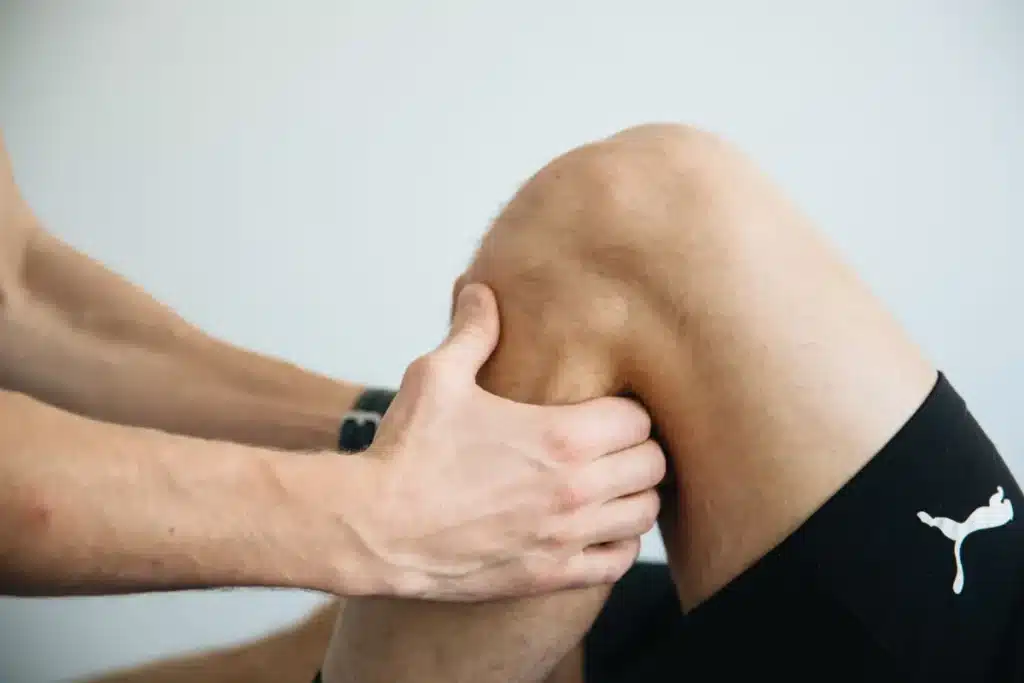
Your spine isn’t one long bone. It’s a column of individual vertebrae stacked on top of each other, connected by two small joints on either side called facet joints (also known as zygapophyseal joints). These joints let your spine bend, rotate, and extend. They’re lined with cartilage and surrounded by a fluid-filled capsule, much like your knee or hip.
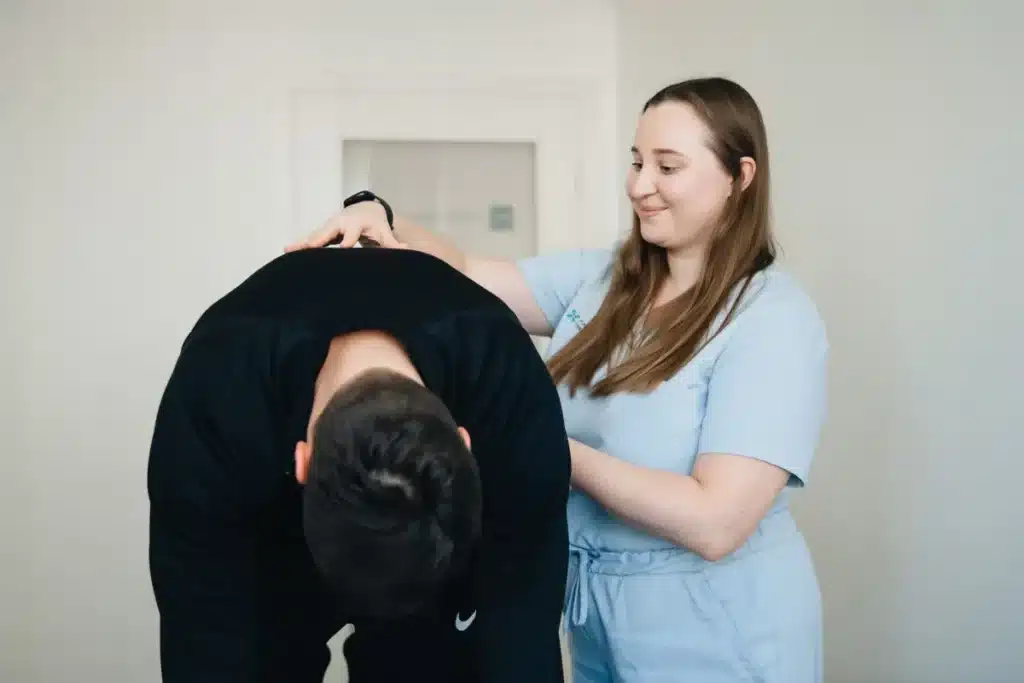
When those joints become inflamed or wear down over time, sometimes linked to degenerative arthritis, even ordinary movements hurt. Standing upright compresses the facet joints in your lower back. Twisting puts direct rotational stress on them. That’s exactly why people with facet joint irritation often describe pain that’s worst when they’re upright, active, or turning to one side.
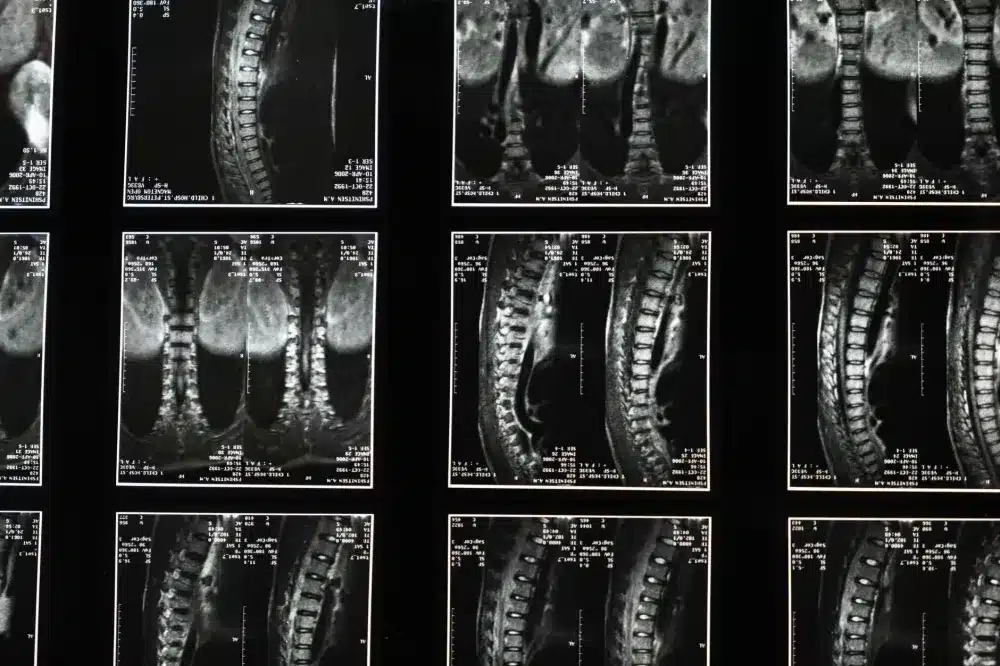
Most people describe it as a dull, deep ache across the lower back that can radiate into the buttocks or upper thighs. It’s different from the sharp, shooting leg pain of nerve compression or sciatica, though the two can happen together. An accurate diagnosis through physical exam and imaging such as an MRI or X-ray is your first step before any injection is considered.
What Is a Facet Joint Injection?
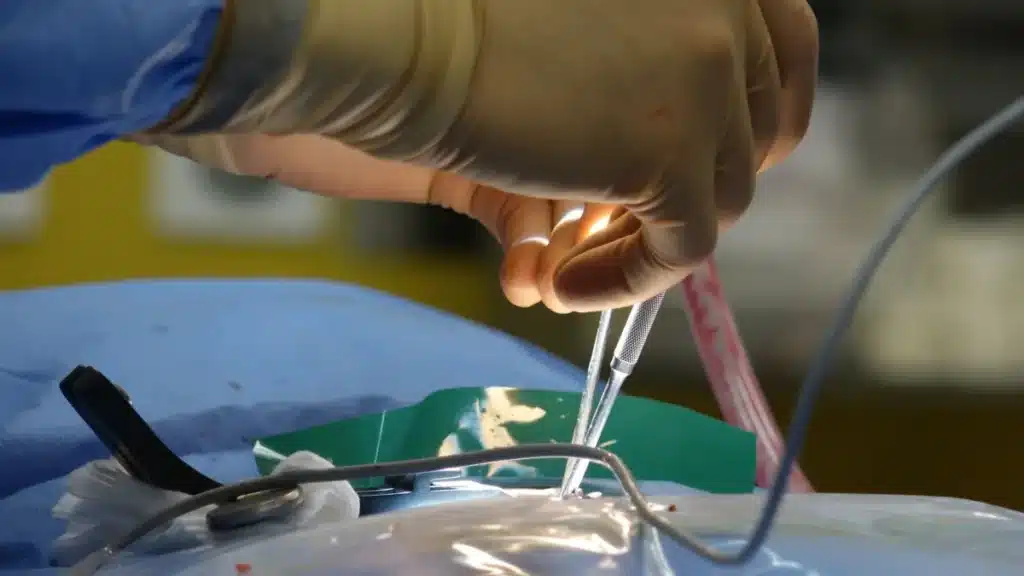
A facet joint injection is an outpatient, image-guided procedure designed to deliver medication precisely to the joint causing your pain. Here’s what it involves and what it may offer:
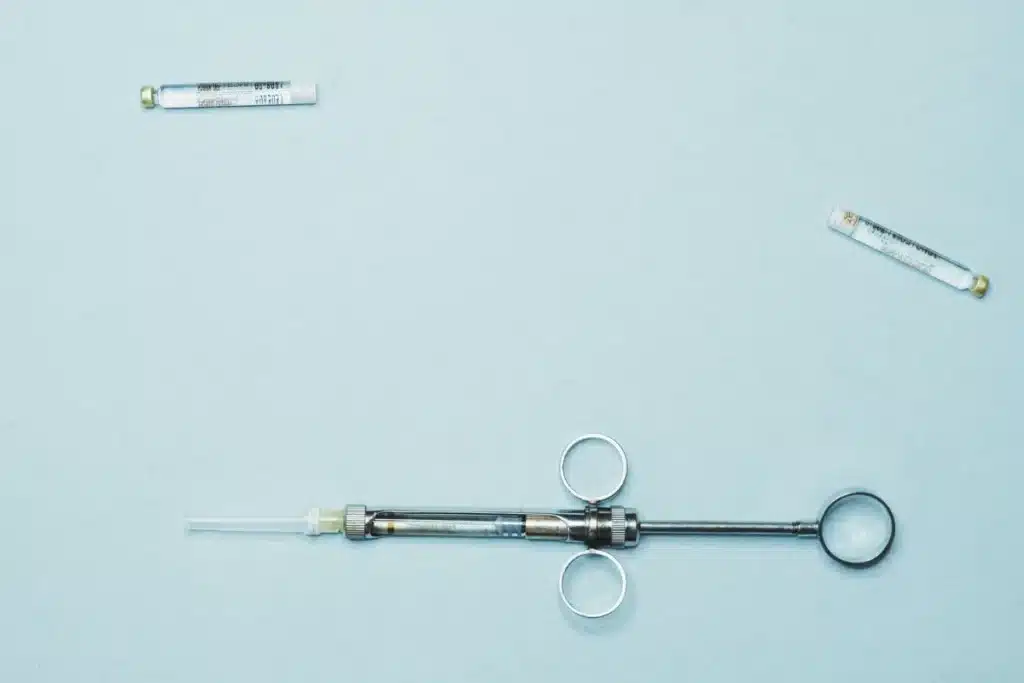
- Targeted delivery: A corticosteroid and local anesthetic are injected directly into or adjacent to the affected facet joint.
- Image guidance: Fluoroscopy (real-time X-ray) is commonly used to confirm accurate needle placement.
- Dual purpose: The procedure can work as both treatment and a diagnostic tool to confirm whether a specific joint is the pain source.
- Minimally invasive: No incisions or general anesthesia required in most cases.
- May reduce inflammation: The corticosteroid is intended to calm irritated joint tissue, which may help reduce pain during daily activities like standing and twisting.
You can read more on the Facet Block Injections page and the broader Injections and Nerve Blocks section.
Who May Be a Good Candidate?
Facet joint injections aren’t right for everyone with back pain. A thorough evaluation is always the starting point. That said, candidates often considered for this procedure include people who:
- Have persistent back pain that worsens when standing, walking upright, or rotating the torso.
- Have already tried conservative care such as physical therapy, anti-inflammatory medications, or activity modification without adequate relief.
- Have imaging findings (MRI or X-ray) suggesting facet joint changes, arthritis, or inflammation.
- Don’t have a primary nerve compression issue that would call for a different injection approach, such as an epidural steroid injection.
- Are looking for a non-surgical option before considering more involved spine procedures.
The procedure is generally not recommended for people with active infection, certain bleeding disorders, or allergies to the medications used. Dr. Muhammad Arif, MD, interventional pain management specialist serving all four Texas clinic locations, reviews each patient’s full medical history and diagnostic findings before recommending any injection-based treatment.
Now Accepting New Patients
Explore Facet Block Options in Tyler, TX
If back pain when standing or twisting is slowing you down, a consultation with our Tyler team may help clarify whether a facet joint injection is a suitable next step. Call (214) 256-3900 or visit our Tyler, TX location page to request an appointment.
Conservative Care First
Many patients who eventually benefit from facet joint injections have already spent weeks or months trying first-line options. That pathway makes sense. Starting with physical therapy for the spine, targeted exercises, and medication management gives your body a chance to recover before an injection is introduced.
When those measures aren’t providing enough relief and your ability to stand, walk, or rotate without pain is still significantly affected, a facet block becomes a more logical conversation with your care team. Think of it as escalating thoughtfully, not jumping straight to a procedure.
What Happens on Procedure Day
Knowing what to expect can make the experience feel much less stressful. Here’s a general overview of how a facet joint injection appointment typically unfolds:

What to Expect After the Procedure
Recovery from a facet joint injection is typically straightforward for most patients. The local anesthetic in the injection may provide fairly quick temporary relief, sometimes within hours. The corticosteroid works more gradually, and any benefit from that medication often takes a few days to a week or more to become noticeable.
Some mild soreness at the injection site is common for a day or two. Most people are advised to take it easy on procedure day and can typically return to light daily activities the following day, though your care team will give you specific guidance based on your situation.
Here’s a side-by-side look at how facet joint injections generally compare to other common approaches for this type of back pain:
| Approach | Type | Target | Typical Setting | General Role |
|---|---|---|---|---|
| Facet Joint Injection | Interventional | Facet joint space | Outpatient clinic | Diagnostic and therapeutic |
| Physical Therapy | Conservative | Muscles and flexibility | Outpatient clinic | First-line rehabilitation |
| Radiofrequency Ablation (RFA) | Interventional | Medial branch nerves | Outpatient clinic | Longer-term pain signal interruption |
| Oral Medications | Conservative | Systemic inflammation | Any setting | Supportive symptom management |
One closely related procedure worth mentioning is radiofrequency ablation (RFA). If a facet block successfully identifies a specific joint as your pain source, RFA may be discussed as a follow-up option for some patients, as it targets the small nerve branches that carry pain signals from those joints. Your physician will help you understand whether that pathway makes sense in your case.
Now Accepting New Patients
Ready to Discuss Your Back Pain in Tyler?
Dr. Muhammad Arif and the Tyler team are available to review your symptoms and imaging, and walk you through what a facet block procedure may involve for your specific situation. Reach us at (214) 256-3900 to schedule your consultation.
Who Isn’t a Good Candidate?
Honest information matters. Facet joint injections aren’t appropriate for everyone. People who may not be good candidates include those with active spinal infections, uncontrolled diabetes (since corticosteroids can temporarily affect blood sugar), certain bleeding conditions, or known allergies to the contrast dye or medications used. Pregnant patients are also typically deferred due to the fluoroscopy involved.
If your back pain is primarily driven by a herniated disc pressing on a nerve root or significant structural instability, a different intervention may be more appropriate. This is exactly why a thorough evaluation, including a physical exam and a review of any MRI or X-ray findings, is so essential before any procedure is scheduled.
Questions to Ask at Your Consultation
Walking into a pain management consultation can feel overwhelming. Having a short list of questions ready helps you get the most out of the visit. Consider asking:
- Which specific joints do you think are contributing to my pain based on my imaging and exam?
- Will the injection also help confirm the diagnosis, or are we already confident about the source?
- How many injections might be recommended, and how far apart would they be spaced?
- What should I watch for after the procedure that would warrant a call to the clinic?
- If this helps, what are the next steps in my overall care plan?
Pain Management in Tyler, TX
The Spine and Pain Clinic of Texas Tyler location serves patients throughout East Texas, including those coming from Whitehouse, Lindale, Chandler, Bullard, and surrounding communities. Whether you’re navigating South Broadway Avenue on your daily commute or spending afternoons near the Tyler Rose Garden, back pain that limits your ability to stand and move freely affects your entire routine.
Dr. Muhammad Arif, MD, brings interventional pain management expertise to this location and works with each patient to develop a personalized, evidence-informed care plan. The clinic’s team is experienced in evaluating spinal conditions and helping patients understand the range of minimally invasive options available to them, from conservative first steps to targeted injection procedures.

If you’re searching for a pain clinic near me in the greater Tyler area, the clinic is conveniently located to serve residents across East Texas. Same-week consultations may be available, and the clinic team can speak to current scheduling when you call.
Taking the Next Step Toward Relief
Back pain that flares every time you stand for more than a few minutes or twist to grab something doesn’t have to be your new normal. A facet joint injection may offer a path toward real functional improvement for the right candidate. Finding out whether you qualify starts with a single conversation.
If you’re located near the University of Texas at Tyler or anywhere along Loop 323 in the Tyler area, the Spine and Pain Clinic of Texas is within easy reach. Visit the Tyler, TX pain management page to learn more or call to request a consultation with Dr. Muhammad Arif and the Tyler team.
The same facet block and interventional pain care is also available at the clinic’s other Texas locations: Plano, TX, Grand Prairie, TX, and Longview, TX, so no matter where you are in Texas, specialized care is closer than you might think.
Now Accepting New Patients
Take a Step Toward Back Pain Relief in Tyler
Patients across East Texas, from Whitehouse to Lindale and Bullard, visit our Tyler clinic for interventional pain care. Call (214) 256-3900 or book online at our Tyler, TX location page today.
This article is for educational purposes only and is not a substitute for professional medical advice, diagnosis, or treatment. Always consult a qualified healthcare provider about your specific condition. If you experience severe or sudden symptoms, seek emergency care immediately.