
Sharp, electric pain shooting from the back of your neck up to the top of your head is one of the most disruptive types of head pain out there. If you live near Legacy West or commute along US-75 (Central Expressway) in Plano, TX, and that description sounds familiar, you may be dealing with occipital neuralgia, and an occipital nerve block could be a treatment option worth exploring.
In this guide
- What Is Occipital Neuralgia?
- What an Occipital Nerve Block May Offer
- How Does the Procedure Actually Work?
- Who May Be a Good Candidate?
- What to Expect on Procedure Day
- Recovery: What Happens After the Injection?
- Questions Worth Asking at Your Consultation
- Occipital Nerve Block Near Plano, TX
- Taking the Next Step Toward Relief
- FAQ
What Is Occipital Neuralgia?
Occipital neuralgia is a condition involving irritation or inflammation of the occipital nerves. These nerves run from the upper cervical spine (the top portion of your neck) up through the scalp. When they become compressed, pinched, or inflamed, they send pain signals that feel like sudden jolts of electricity, burning, or constant aching pressure on one or both sides of your head.
Many people with this condition are first misdiagnosed with migraines or tension headaches. According to the Mayo Clinic, occipital neuralgia is actually a distinct condition. It has specific hallmarks, including tenderness when you press on the occipital nerves at the base of your skull. The pain often wraps around from the back of your head toward your forehead and can even affect the area behind your eyes.
Common triggers include neck muscle tension, prior neck injury, cervical spine arthritis, and posture-related nerve compression. If over-the-counter medications haven’t given you adequate relief, it makes sense to ask a specialist what else might help.

What an Occipital Nerve Block May Offer
An occipital nerve block is one of the most direct ways to address the nerve irritation driving this type of head pain. Here’s what the procedure involves and what it may offer:
- Targeted pain interruption: A precise injection near the greater and/or lesser occipital nerves may help reduce or interrupt the pain signals these nerves send.
- Anti-inflammatory support: When a corticosteroid is included, the injection is designed to calm inflammation around the nerve over time, not just temporarily.
- Diagnostic value: If the injection provides noticeable relief, even temporarily, it can confirm that the occipital nerves are the pain source, which is useful information for planning further care.
- Outpatient procedure: The injection is performed in a clinic setting and typically takes about 15 to 30 minutes, with no general anesthesia required.
- Repeatable if appropriate: For some patients, the procedure may be performed more than once as part of an ongoing pain management plan, depending on how they respond.
How Does the Procedure Actually Work?
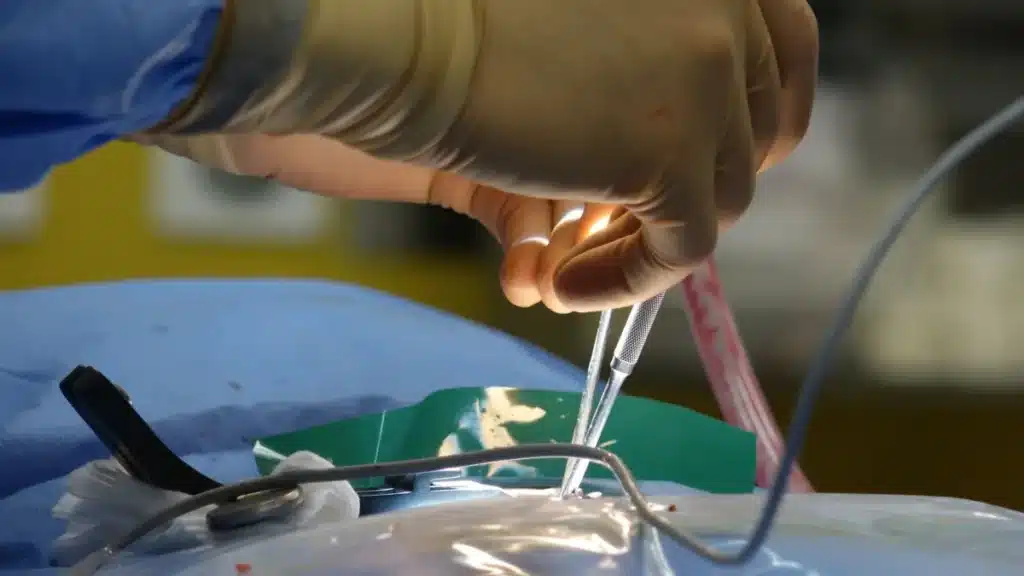
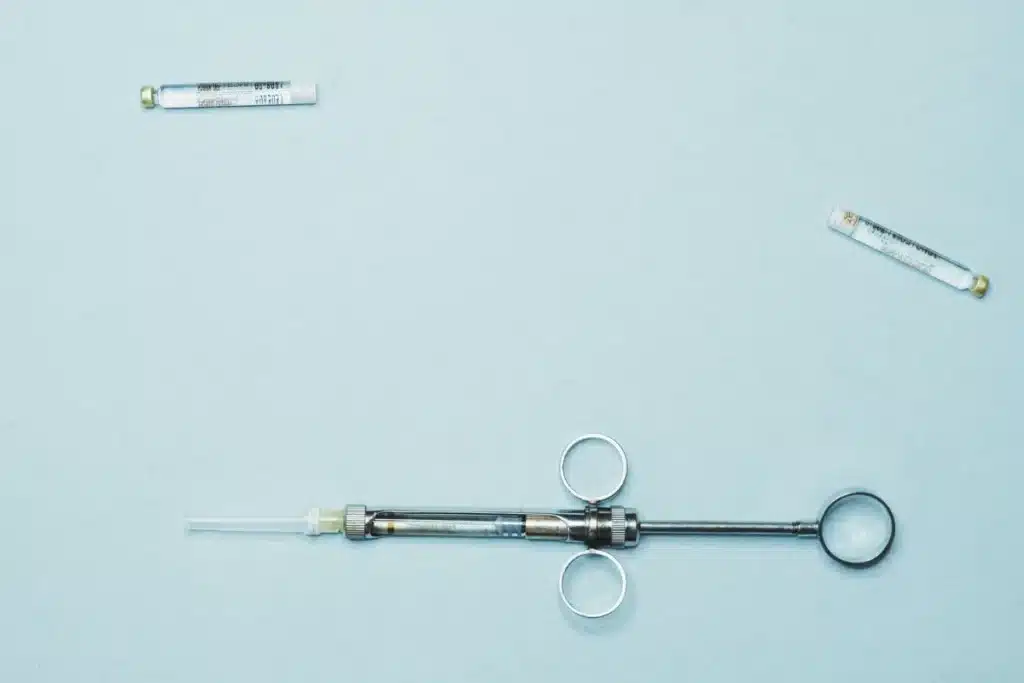
The occipital nerves run from the C2 and C3 vertebrae (the second and third bones in your neck) upward through your scalp. During an occipital nerve block, a pain specialist injects a small amount of local anesthetic, a numbing medication, around the greater occipital nerve, the lesser occipital nerve, or both, depending on where your pain originates.
A corticosteroid is often added to the injection. These are powerful anti-inflammatory medications that may help reduce nerve swelling and interrupt the pain cycle for weeks or even months in some patients. The National Institutes of Health (NIH) notes that nerve blocks are a well-established component of interventional pain management, used for both diagnosis and symptom relief across many nerve-related pain conditions.
Image guidance, such as ultrasound, is sometimes used to position the needle accurately, depending on your anatomy and your provider’s approach. The injection site is near the base of your skull, typically in the area where many people feel tension or tenderness.

You’ll be seated or lying face-down during the procedure, and most people experience only mild discomfort during the injection. A brief burning or pressure sensation at the injection site is normal and usually passes quickly.
Now Accepting New Patients
Discuss Occipital Nerve Block Options in Plano
If you’re dealing with persistent occipital neuralgia near Legacy West or anywhere along US-75, a consultation at our Plano clinic may be a helpful first step. Call (469) 915-5222 or visit our Plano location page to request an appointment.
Who May Be a Good Candidate?
A specialist will evaluate your full medical history, symptoms, and prior treatments before recommending an occipital nerve block. In general, good candidates are patients who have been diagnosed with, or are suspected of having, occipital neuralgia, and whose pain hasn’t responded adequately to more conservative measures.
You may be a reasonable candidate if:
- Conservative treatments haven’t helped: Physical therapy, oral medications, or cervical bracing have provided limited relief.
- Your pain pattern matches: You have tenderness at the base of your skull, and your pain radiates from your neck upward toward your scalp or forehead.
- No contraindications are present: You don’t have an active infection at the injection site, an allergy to the medications used, or certain bleeding disorders.
- Your doctor confirms the diagnosis: The condition has been evaluated through a physical exam and, where appropriate, imaging like an MRI or X-ray to rule out other causes.
Who This Procedure May Not Be Ideal For
An occipital nerve block isn’t appropriate for everyone with head or neck pain. If your headaches are migraine-type rather than nerve-related, a different treatment path may serve you better. Patients with poorly controlled diabetes may need extra consideration before receiving a corticosteroid injection. And if an underlying structural issue in your cervical spine is driving the nerve compression, addressing that root cause may be necessary alongside or instead of nerve blocks alone. Your provider will help you sort through what makes sense for your situation.
For patients whose pain persists despite nerve blocks, radiofrequency ablation (RFA) in Plano, TX is one option some specialists consider as a next step. Your care plan at Spine and Pain Clinic of Texas is tailored to you, not a one-size-fits-all approach.
What to Expect on Procedure Day
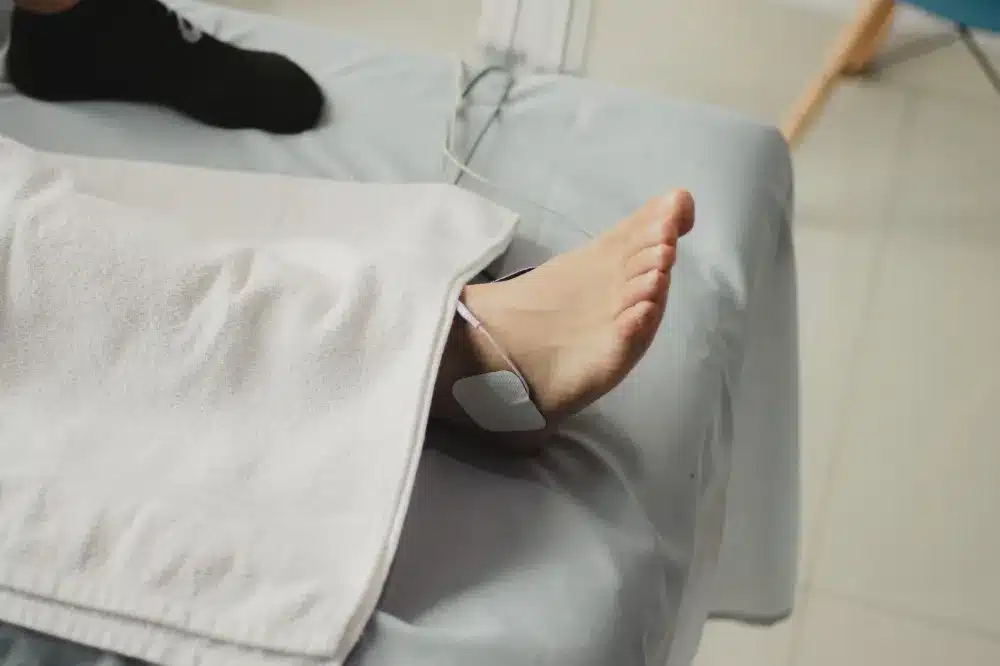
Knowing what will happen ahead of time tends to ease anxiety considerably. Here’s a general walkthrough of a typical occipital nerve block appointment at Spine and Pain Clinic of Texas in Plano.
Recovery: What Happens After the Injection?
Recovery from an occipital nerve block is generally straightforward. The local anesthetic component may produce quick numbing relief that wears off within hours. The corticosteroid component, if included, typically takes a few days to build its anti-inflammatory effect. Many patients notice the fuller benefit within several days after the procedure.
Some mild soreness or tenderness at the injection site is common for a day or two. A cool pack applied to the area for short intervals can help. Most people return to their normal daily routine within 24 hours, though your provider may advise you to avoid strenuous activity for a short time.
You’ll likely be asked to keep a simple pain diary in the days following the injection. Tracking your pain levels helps your provider understand how well the block worked and whether further treatment is needed. This structured follow-up is a core part of pain management care at the Plano clinic.
Now Accepting New Patients
Ready to Talk About Head and Neck Pain Relief?
Our Plano team, including Dr. Muhammad Arif, MD, is available to evaluate whether an occipital nerve block is appropriate for your specific situation. Reach out at (469) 915-5222 to find out about same-week consultations.
Questions Worth Asking at Your Consultation
Walking into a specialist appointment feeling prepared makes a real difference. Here are a few questions that can help you get the most out of your first visit:
- Do my symptoms fit occipital neuralgia, or could something else be causing this pain?
- Would imaging like an MRI be helpful before we proceed?
- Which nerves will you target, and will you use ultrasound guidance?
- How soon after the injection should I expect to notice any effect?
- What’s the plan if this provides only partial relief, or if the relief doesn’t last?
- Will this be covered by my insurance, and how can your team help me verify my benefits?
Occipital Nerve Block Near Plano, TX
Spine and Pain Clinic of Texas serves patients across the northern Dallas-Fort Worth metro through its Plano, TX location. If you live in Frisco, Allen, McKinney, Richardson, Carrollton, The Colony, Murphy, Wylie, or North Dallas, you’re likely within a short drive of the clinic via the Dallas North Tollway or the President George Bush Turnpike.
Dr. Muhammad Arif, MD, an interventional pain management specialist, sees patients across all four of the clinic’s Texas locations. His approach to conditions like occipital neuralgia is grounded in a full evaluation of each patient’s history, symptoms, and treatment response before recommending any procedure. Patients in West Plano, including those near the Shops at Legacy and Downtown Plano Arts District, will find the clinic conveniently accessible for follow-up visits.
If you’re searching for a pain clinic near me or looking for pain management in Plano specifically for head and neck pain, the clinic’s Plano location offers nerve blocks and facet blocks, along with a full range of injections and nerve block procedures, as part of a coordinated care plan. Patients dealing with related conditions such as chronic headaches or neck pain can also be evaluated at the same visit.

Taking the Next Step Toward Relief
Living with the stabbing, burning pain of occipital neuralgia is exhausting. The good news is that targeted interventional options like an occipital nerve block exist. You don’t have to keep guessing whether one might help you. A consultation with a pain specialist is the right first step toward getting a clear picture of what’s going on and what options make the most sense for your situation.
The Spine and Pain Clinic of Texas Plano team is accepting new patients and located just minutes from the Dallas North Tollway, making it easily reachable from Frisco, Allen, and other nearby communities. Call (469) 915-5222 to schedule a consultation, or visit the Plano, TX clinic page to book online.
The same level of interventional pain management care is also available at the clinic’s other Texas locations: Grand Prairie, TX at (469) 680-3886, Longview, TX at (214) 256-3900, and Tyler, TX at (214) 256-3900.
Now Accepting New Patients
Take the Next Step Toward Relief in Plano, TX
Don’t keep managing occipital neuralgia on your own. Contact the Spine and Pain Clinic of Texas in Plano today at (469) 915-5222 or book online to speak with a specialist about your options.
This article is for educational purposes only and is not a substitute for professional medical advice, diagnosis, or treatment. Always consult a qualified healthcare provider about your specific condition. If you experience severe or sudden symptoms, seek emergency care immediately.