Back pain has a way of shrinking your world. Getting out of bed, loading groceries, or sitting through a workday can become exhausting chores. If you live near I-20 in Grand Prairie and you’ve been searching for a real path forward, spine-focused physical therapy may be worth exploring.
In this guide
- What Does Physical Therapy for the Spine Actually Involve?
- Who May Be a Good Candidate for Spine Physical Therapy?
- How Does the Spine Support the Rest of Your Body?
- What Can You Expect During a Spine PT Program?
- How Does Physical Therapy Compare to Other Back Pain Treatments?
- What Role Does Dr. Muhammad Arif Play in Your Care?
- Who Is Physical Therapy NOT Ideal For?
- Questions Worth Asking at Your Consultation
- Serving Grand Prairie and the Surrounding Mid-Cities Area
- Taking the Next Step Toward Relief
- FAQ
What Does Physical Therapy for the Spine Actually Involve?
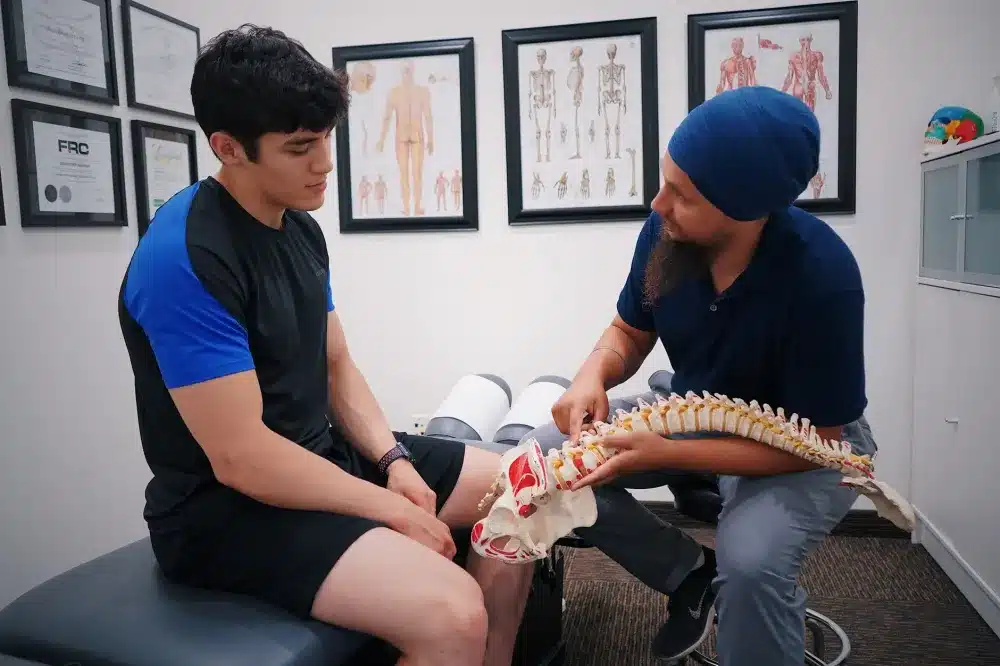
Spine-focused physical therapy is a medically directed program of movement, exercise, hands-on techniques, and patient education aimed at addressing the root causes of back pain rather than just masking symptoms. It’s one of the most widely recommended conservative treatments for back pain because it works with your body’s own capacity to heal and adapt.
Here’s what a typical spine PT program may include:
- Targeted therapeutic exercises: Strengthening the muscles that support your lumbar spine (lower back) and cervical spine (neck), which may reduce strain on vertebrae and nerve roots.
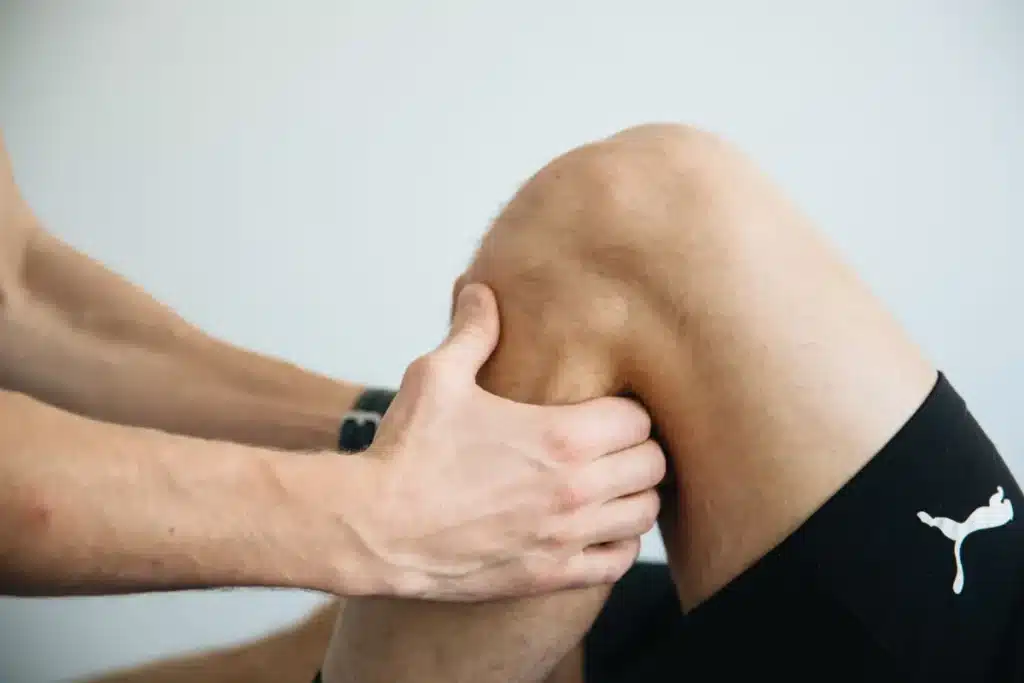
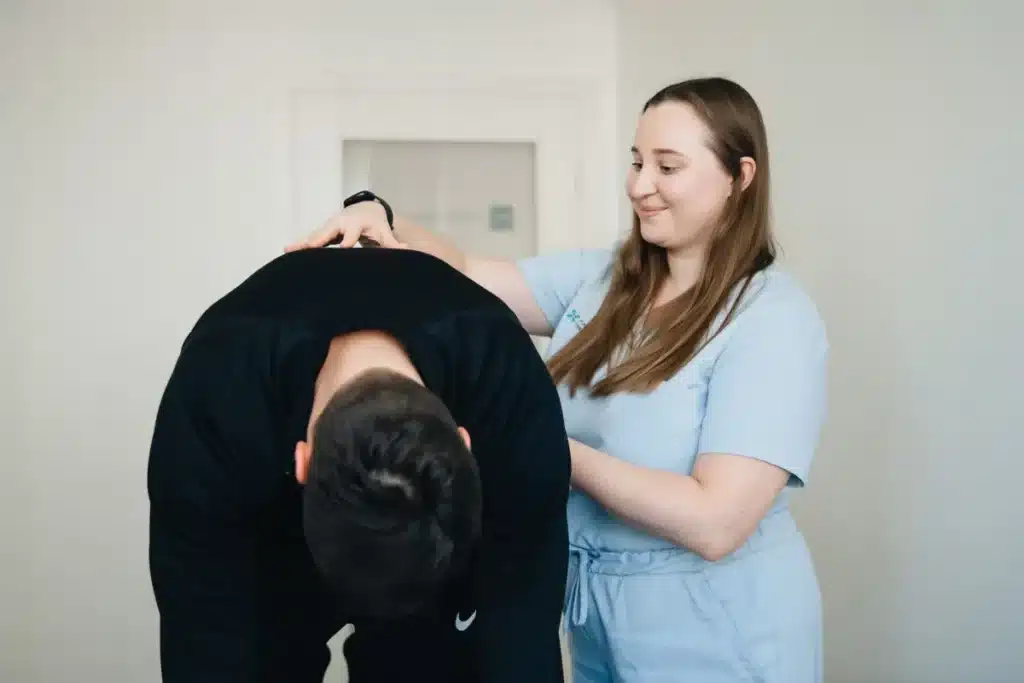
- Manual therapy techniques: Hands-on mobilization or soft-tissue work that may help improve spinal joint mobility and reduce muscle tension.
- Postural and movement retraining: Learning safer, more efficient ways to move, sit, and stand to reduce recurring strain over time.
- Supportive modalities: Heat, ice, or electrical stimulation may be used as supporting tools to help manage pain and inflammation during the program.
- Education and self-management strategies: Teaching you how to protect your spine over the long term is often one of the most valuable parts of the program.
No two programs look exactly alike. A good spine PT plan is built around your specific diagnosis, fitness level, daily routine, and the activities you want to get back to.
Who May Be a Good Candidate for Spine Physical Therapy?
Spine physical therapy is commonly recommended for patients dealing with a wide range of back-related conditions. It’s generally most appropriate when surgery isn’t immediately necessary and is often one of the first recommended steps before other interventions are considered.
You may be a candidate if you’re experiencing:
- Muscle strains or ligament sprains from overexertion or an awkward movement
- Herniated or bulging discs that are pressing on nearby nerve roots and causing pain or sciatica
- Degenerative conditions such as degenerative arthritis of the spine or cervical disc disease
- Sacroiliac (SI) joint dysfunction, where the joints connecting your lower spine to your pelvis become inflamed or misaligned
- Post-injury recovery, including pain following a car accident injury
- Chronic low back pain that hasn’t responded well to rest or over-the-counter medication alone
Physical therapy isn’t always the right fit for every situation. Patients with severe spinal instability, certain fractures, active spinal infections, or rapidly progressing neurological symptoms may need a different approach first. That’s exactly why a proper evaluation matters before starting any program. According to the Mayo Clinic, most cases of back pain do improve with conservative treatments like physical therapy, especially when guided by a qualified care team.
Now Accepting New Patients
Start Your Back Pain Recovery in Grand Prairie
If back pain is keeping you from living your life, our Grand Prairie team is ready to help. Call (469) 680-3886 or visit our Grand Prairie location page to request a consultation and find out whether spine-focused physical therapy may be right for you.
How Does the Spine Support the Rest of Your Body?
Your spine is made up of 33 vertebrae (individual bones) stacked on top of one another, separated by soft discs that act as shock absorbers. Running through the center is the spinal cord, a bundle of nerves that carries signals between your brain and the rest of your body. Surrounding this system are muscles, ligaments, and facet joints (small joints at the back of each vertebra) that help control movement and provide stability.
When any part of this system is strained, inflamed, or worn down, pain signals travel through the nerve roots and into your back, legs, hips, or neck. Back pain often doesn’t feel confined to just one spot. It radiates. It shifts depending on how you move.
Physical therapy addresses this interconnected system directly. Rather than targeting only the painful area, a well-designed program considers how your entire body moves, where compensation patterns have developed, and how to restore balance throughout your kinetic chain.
What Can You Expect During a Spine PT Program?
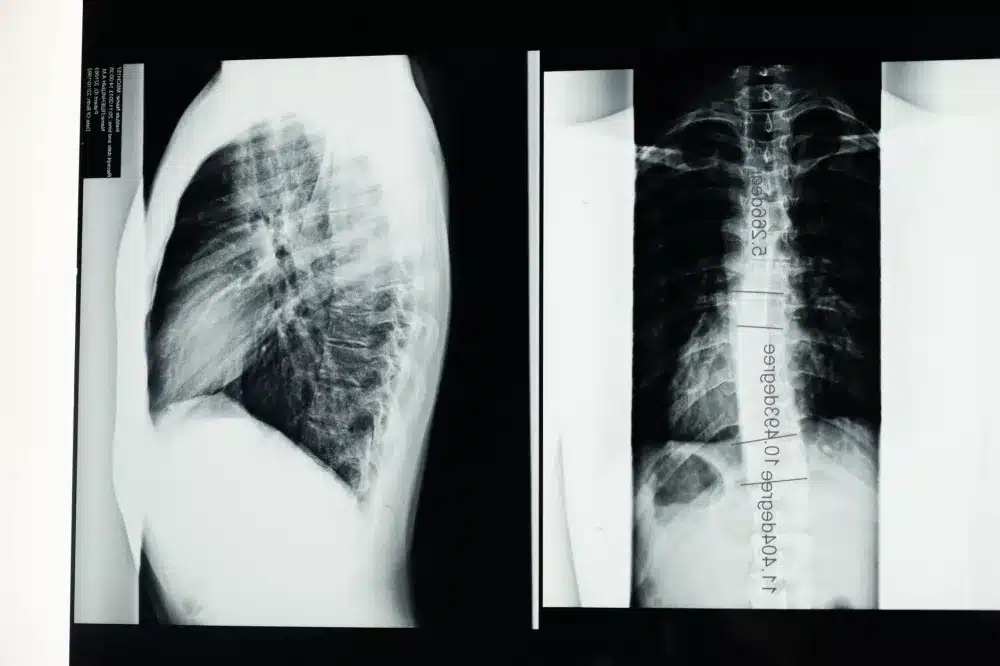
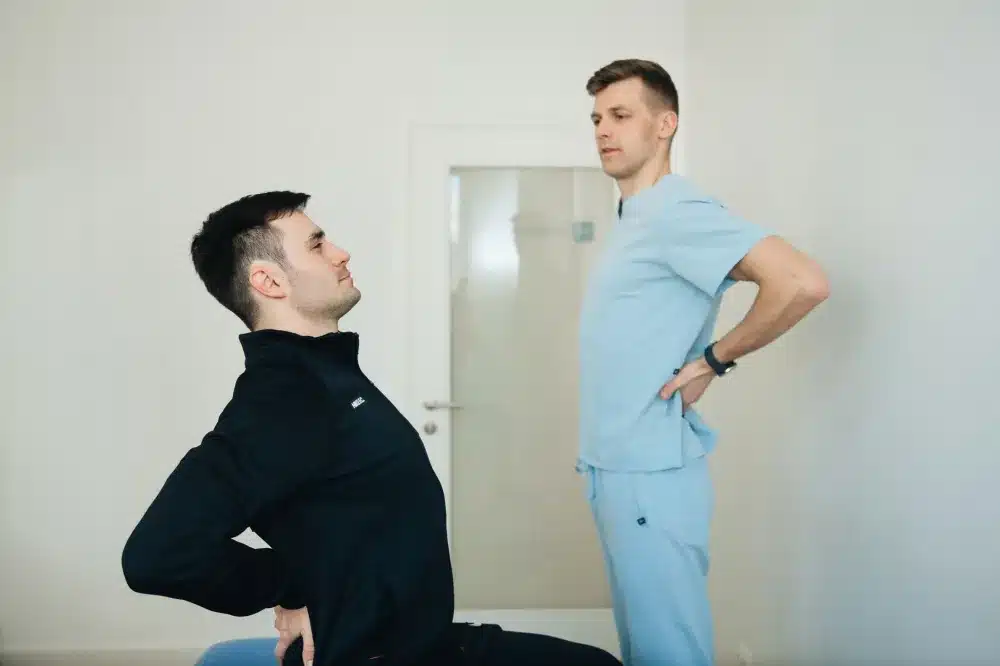
The process typically begins with a detailed evaluation of your spine, posture, gait, range of motion, and functional limitations. From there, a personalized plan is developed. Here’s a general look at how the process often unfolds:
How Does Physical Therapy Compare to Other Back Pain Treatments?
It helps to see how spine PT fits into the broader landscape of back pain care. The table below outlines how it compares to other commonly discussed options. Your care team will help you understand what’s appropriate for your specific situation.
| Treatment Option | Approach | Invasiveness | Best Suited For | Typical Setting |
|---|---|---|---|---|
| Spine Physical Therapy | Exercise, manual therapy, education | Non-invasive | Muscle, disc, joint pain | Outpatient clinic |
| Epidural Steroid Injection | Anti-inflammatory medication near nerve roots | Minimally invasive | Nerve inflammation, sciatica | Outpatient procedure suite |
| Medication Management | Oral or topical medications | Non-invasive | Short-term pain control | Clinic or pharmacy |
| Spinal Fusion Surgery | Surgical stabilization of vertebrae | Surgical | Severe instability, structural issues | Hospital operating room |
| Radiofrequency Ablation (RFA) | Heat energy disrupts pain signals in facet nerves | Minimally invasive | Chronic facet joint pain | Outpatient procedure suite |
Many patients find that spine physical therapy works best as part of a coordinated care plan. For example, an epidural steroid injection (ESI) may help reduce acute inflammation to the point that physical therapy becomes more tolerable and effective. The two approaches are often used together rather than as competing alternatives.
Now Accepting New Patients
Talk to a Specialist About Your Back in Grand Prairie
Not sure whether physical therapy is the right next step for your spine? Dr. Muhammad Arif, MD and the Grand Prairie care team can review your condition and help map out a treatment approach designed around your specific needs. Call (469) 680-3886 today.
What Role Does Dr. Muhammad Arif Play in Your Care?
Physical therapy doesn’t happen in isolation. At the Spine and Pain Clinic of Texas in Grand Prairie, spine-focused PT is part of a broader, medically supervised approach to back pain recovery. Dr. Muhammad Arif, MD, an interventional pain management specialist serving all four Texas clinic locations, works with patients to thoroughly evaluate their condition before recommending a treatment plan.
That evaluation matters. Not everyone’s back pain has the same cause, and not every program produces the same result. Dr. Arif’s job is to ensure that any conservative or interventional options recommended are grounded in a clear understanding of what’s actually driving your pain, whether that’s a disc problem, facet joint irritation, nerve root compression, or a muscular issue.
For patients in the Grand Prairie area, whether you’re coming from Arlington, Duncanville, Cedar Hill, or anywhere along State Highway 360, the clinic provides access to a coordinated care team that can address your needs in one place.
Who Is Physical Therapy NOT Ideal For?
It’s important to be honest about what physical therapy can and cannot address. Spine PT is not the right first step for everyone. Patients who may need a different approach include those with:
- Active spinal infections requiring antibiotic treatment before any mobilization
- Significant spinal instability from fractures or advanced structural deformity
- Rapidly worsening neurological symptoms, such as progressive leg weakness, spreading numbness, or loss of bladder or bowel control (these need urgent evaluation)
- Certain spinal tumors requiring oncological management before rehabilitation begins
If any of those descriptions fit your situation, please seek evaluation promptly. For most people dealing with back pain in Grand Prairie, those scenarios don’t apply, and conservative options like physical therapy are a reasonable and appropriate starting point.
Questions Worth Asking at Your Consultation
Walking in prepared makes the whole process more productive. Here are a few questions that can help you get the most from your first visit:
- What’s causing my specific back pain? Understanding whether it’s a disc, joint, nerve, or muscle issue determines which PT program is most appropriate.
- How long is the program likely to last? Programs vary widely in length depending on the condition and individual response.
- Will I need imaging like an MRI before we start? Not always, but sometimes prior imaging helps direct the program more precisely.
- Are there activities I should avoid during treatment? Your therapist can give you specific guidance based on your diagnosis.
- What other options exist if PT doesn’t provide enough relief? It’s worth understanding the full picture, including whether an interventional procedure might be a complementary next step.
Serving Grand Prairie and the Surrounding Mid-Cities Area
The Spine and Pain Clinic of Texas Grand Prairie location is conveniently situated for patients across the Dallas-Fort Worth Mid-Cities region. Whether you’re near Lone Star Park, traveling in along the President George Bush Turnpike (SH-161), or coming from Irving, Mansfield, DeSoto, or Cedar Hill, getting to care doesn’t have to be complicated. The clinic is designed to be accessible for people who are already dealing with enough.
Patients from Arlington, Irving, Mansfield, Duncanville, and Cedar Hill regularly choose the Grand Prairie clinic for their pain management needs. The same level of coordinated, specialist-led care is available at all four clinic locations across Texas, including Plano, TX at (469) 915-5222, Longview, TX at (214) 256-3900, and Tyler, TX at (214) 256-3900. Grand Prairie remains the featured location for patients in the Mid-Cities corridor.
If you’re looking for pain management in Grand Prairie or a pain clinic near you in the DFW area, the team here is accepting new patients and can often arrange consultations within a reasonable timeframe.
Taking the Next Step Toward Relief
Back pain doesn’t have to define your days. Spine-focused physical therapy is a structured, evidence-based approach that may help you reduce pain, move more freely, and build the strength your spine needs for everyday life. It takes commitment, but for many patients, it represents the clearest route to lasting functional improvement without surgery.
Dr. Muhammad Arif and the care team at the Spine and Pain Clinic of Texas in Grand Prairie are here to help you figure out whether physical therapy for the spine is the right starting point and what a complete recovery plan might look like for your situation. Whether you’re just off I-20 or making the drive from across the Mid-Cities, this clinic is built to meet you where you are.
Visit the Grand Prairie location page to learn more, or call (469) 680-3886 to schedule your consultation. You don’t have to manage this alone.
Now Accepting New Patients
Ready to Take a Step Toward Relief in Grand Prairie?
The Spine and Pain Clinic of Texas in Grand Prairie is accepting new patients. Reach out online or call (469) 680-3886 to schedule your consultation and take the first step toward a more comfortable, more active life.
This article is for educational purposes only and is not a substitute for professional medical advice, diagnosis, or treatment. Always consult a qualified healthcare provider about your specific condition. If you experience severe or sudden symptoms, seek emergency care immediately.