
Tendon Pain That Won’t Quit: Could PRP Help?
Tendon injuries heal slowly, and the frustration builds fast. Whether it’s a stubborn Achilles tendon, a sore rotator cuff, tennis elbow, or knee pain from your patellar tendon, you’ve probably already spent weeks resting, icing, taking anti-inflammatory medications, and doing physical therapy. If the pain is still there, you’re not alone in asking: what else is out there?
In this guide
- Tendon Pain That Won’t Quit: Could PRP Help?
- What Is a PRP Injection, Exactly?
- Which Tendon Injuries Is PRP Commonly Used For?
- Who May Be a Good Candidate for PRP Injection?
- How Does the PRP Injection Procedure Work?
- What Should You Expect During Recovery?
- Who Is PRP Not Ideal For?
- Why Patients in Tyler Choose Spine and Pain Clinic of Texas
- Taking the Next Step Toward Relief
- FAQ
PRP injection is one option more and more patients across East Texas are asking about, especially those who want to explore non-surgical paths before considering anything more invasive. If you’ve been searching for a pain clinic near me along South Broadway or anywhere in the greater Tyler area, this article will walk you through what PRP actually is, how it works, and whether it might be worth discussing with your provider.
What Is a PRP Injection, Exactly?
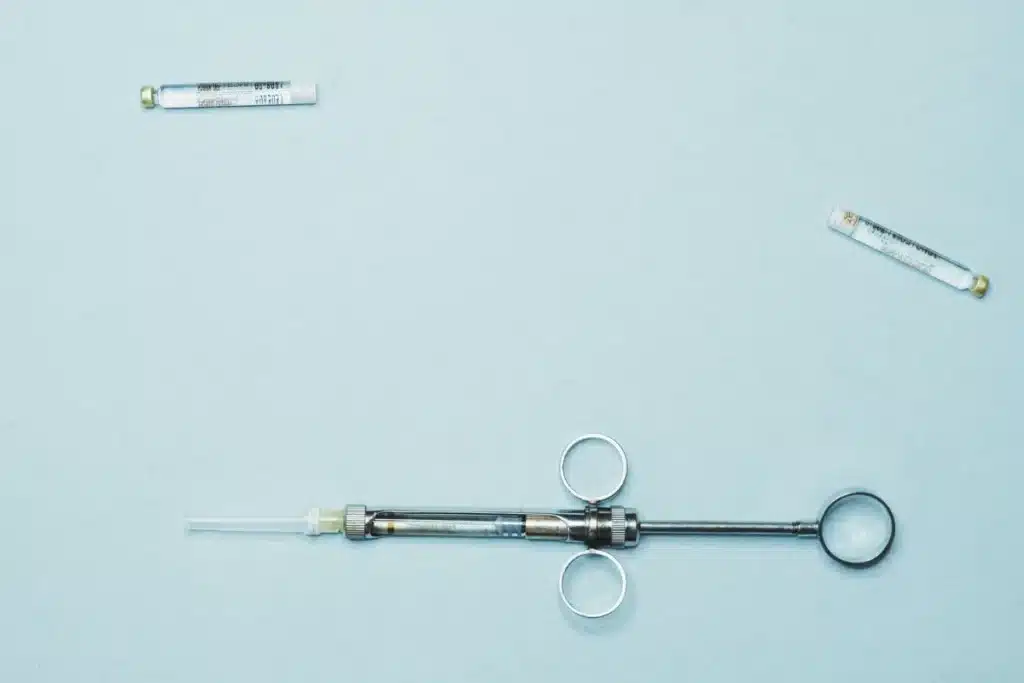
PRP stands for platelet-rich plasma. Plasma is the liquid part of your blood. Platelets are tiny cells packed with proteins called growth factors that help tissue repair itself. When your provider takes a small sample of your own blood, concentrates those platelets, and injects them directly into your injured tendon, the goal is to create a better environment for healing.
Here’s what makes PRP different from other approaches:
- Uses your own blood: A small sample is drawn from your arm, spun in a centrifuge to separate the components, and concentrated into a platelet-rich solution.
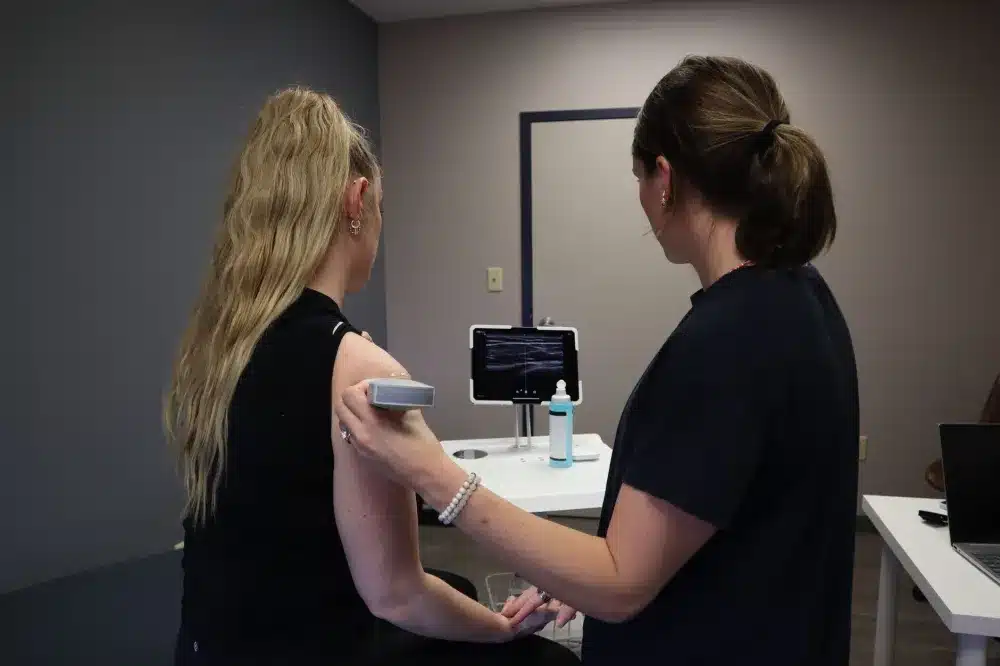
- Minimally invasive: The injection is an outpatient procedure, usually guided by ultrasound so your provider can see exactly where to place it.
- May support tissue repair: The growth factors in platelets are thought to encourage your body’s own healing response in tendons that have been slow to recover.
- No foreign substances: Because PRP comes from your own body, there’s no risk of rejection or allergic reaction.
- Considered an emerging option: Research on PRP for tendon injuries is ongoing. The National Institutes of Health (NIH) notes that PRP has shown promise in certain musculoskeletal applications, though results vary by condition and individual.
Which Tendon Injuries Is PRP Commonly Used For?
PRP injection is typically considered for tendon injuries that haven’t gotten better after weeks of rest, physical therapy, or medication. Tendons connect muscle to bone and have a naturally limited blood supply, which is why they heal so slowly in the first place.
Some of the most common tendon conditions where PRP is discussed include:
- Lateral epicondylitis (tennis elbow): Pain on the outside of the elbow from overuse. If your elbow pain hasn’t responded to rest or bracing, this is where PRP is frequently considered.
- Achilles tendinopathy: Chronic pain and stiffness in the Achilles tendon at the back of your ankle, especially common in runners and active people. Persistent ankle pain from the Achilles is another scenario where a provider might suggest PRP.
- Rotator cuff tendinopathy: Shoulder tendon pain that doesn’t fully resolve with physical therapy alone. Ongoing shoulder pain from tendon issues is one of the most common reasons patients ask about this treatment.
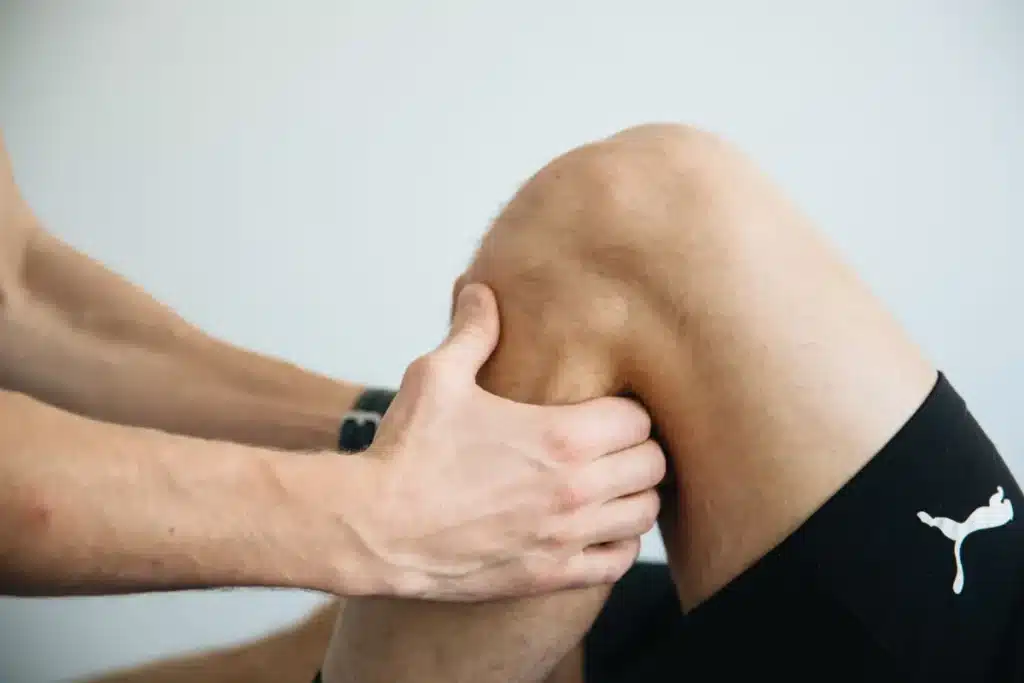
- Patellar tendinopathy (jumper’s knee): Pain at the base of your kneecap, often affecting athletes and active adults. This condition may overlap with broader knee pain concerns.
- Wrist tendon injuries: Tendons in the wrist are prone to overuse injury, particularly with repetitive work. Chronic wrist pain from tendon involvement is worth discussing with your provider.
Sound familiar? You don’t have to accept this level of discomfort as just part of life.
Who May Be a Good Candidate for PRP Injection?
Not every patient with a tendon injury is a strong candidate for PRP. Your provider needs to evaluate your specific situation carefully. Generally, candidates meet criteria like these:
This is not a definitive checklist. Only a qualified provider can assess whether PRP is right for you. The Mayo Clinic notes that PRP research is still evolving, and choosing the right patients is a key part of the process. You can read more about regenerative medicine and PRP as offered at the clinic’s locations.
Now Accepting New Patients
Explore PRP Options for Tendon Pain in Tyler
If tendon pain has been holding you back, a consultation at our Tyler, TX clinic may help clarify whether PRP injection is a suitable option for you. Call (214) 256-3900 or visit our Tyler location page to request an appointment.
How Does the PRP Injection Procedure Work?
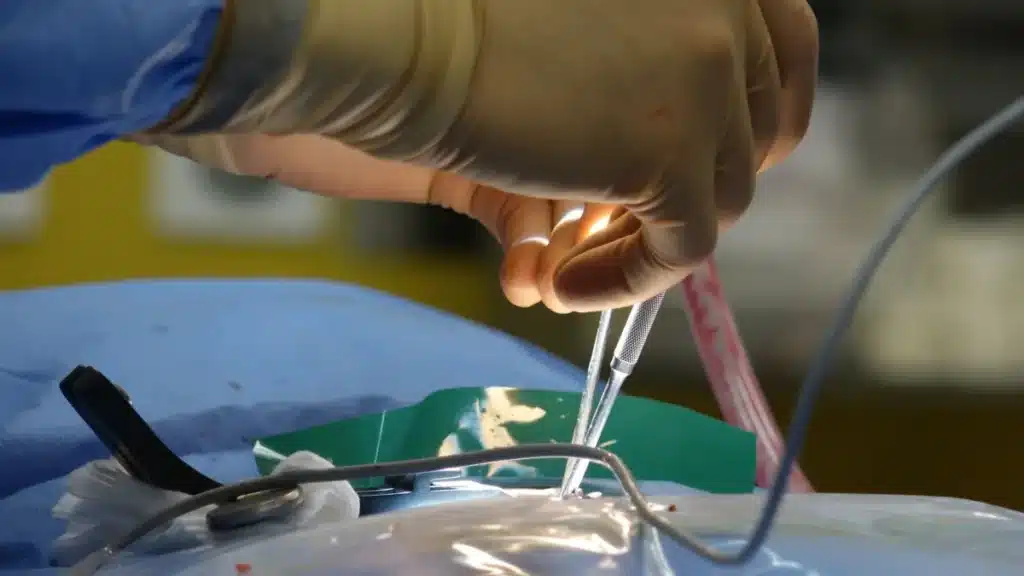
The PRP injection is straightforward and performed as an outpatient procedure. You come in, have the injection, and go home the same day. Here’s what typically happens:
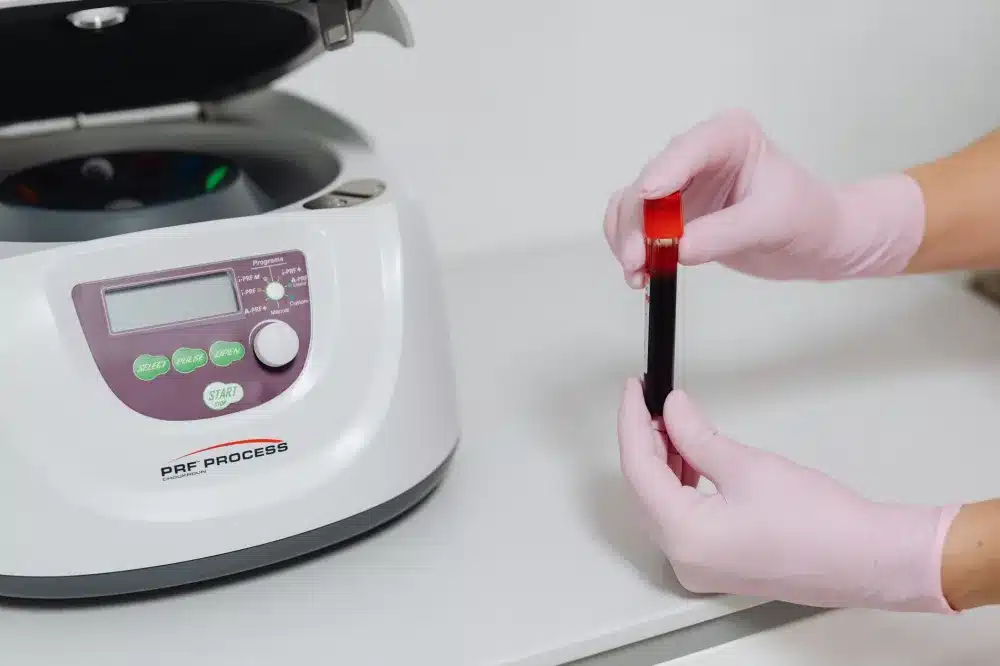
As of August 2026, PRP injection remains classified as an emerging adjunct treatment. The Cleveland Clinic describes PRP therapy as a growing research area in musculoskeletal medicine, with an evolving body of evidence supporting its use in specific tendon conditions. Results vary by patient and condition, and outcomes are never guaranteed.
What Should You Expect During Recovery?
Recovery after a PRP injection is usually manageable at home, though what happens in the first few days might surprise you. It’s actually common to feel some temporary soreness, swelling, or achiness at the injection site for the first few days. This is thought to be your body’s natural inflammatory response at work, which is part of how the treatment is believed to work.
Here’s a general recovery timeline, though your provider’s specific instructions always come first:
- Days 1-3: Soreness and mild swelling at the injection site are normal. Most providers recommend avoiding strenuous activity during this window.
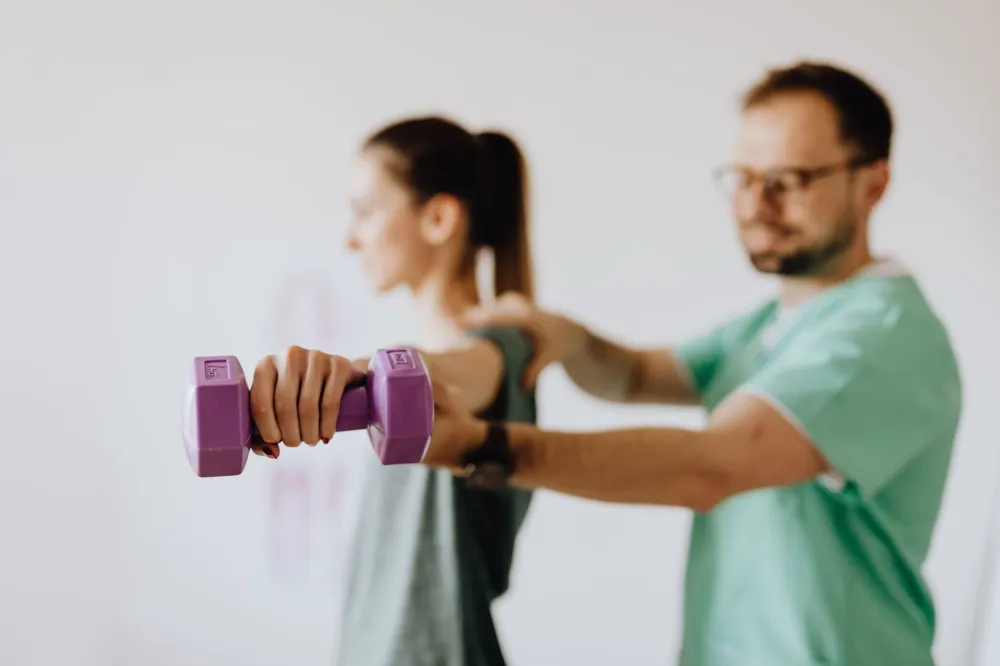
- Weeks 1-4: Gradually return to light activity as you tolerate it. Physical therapy is often recommended during this phase to support the healing process. Learn more about how physical therapy complements pain management care.
- Weeks 4-12: Many patients begin noticing gradual changes in their symptoms during this period, though everyone’s timeline is different.
Anti-inflammatory medications like ibuprofen or naproxen are usually avoided in the days immediately after a PRP injection because they may interfere with the inflammatory response the treatment is meant to trigger. Your provider will give you specific instructions about what to take or avoid.
Another option worth mentioning: for some patients, injections and nerve blocks like corticosteroid injections may be discussed as a short-term pain management step while PRP is explored for longer-term tissue support. Your care plan is always customized to your needs.
Now Accepting New Patients
Ready to Discuss Your Tendon Injury Treatment?
Our Tyler clinic, conveniently accessible from communities along Loop 323, offers consultations with an interventional pain management specialist who can review your specific situation. Call (214) 256-3900 to get started.
Who Is PRP Not Ideal For?
Honesty matters when it comes to your health. PRP injection isn’t right for everyone, and knowing that upfront helps you have a clearer conversation with your provider. PRP may not be recommended if you have an active infection at or near the injection site, certain blood disorders, active cancer, or if you’re taking blood-thinning medications that can’t be safely paused. A complete tendon rupture, where the tendon has fully torn through, typically requires a different approach, potentially including surgery.
Being a good candidate also means having realistic expectations. PRP is designed to support your body’s own healing response. It may help reduce pain and improve function for some patients, but it’s not a quick fix and it’s not right for every type of tendon problem. Your provider will be straightforward about whether it makes sense for your specific diagnosis.
Why Patients in Tyler Choose Spine and Pain Clinic of Texas
For patients in Tyler and the surrounding East Texas communities, including Whitehouse, Lindale, Chandler, and Bullard, finding a pain specialist with training in interventional procedures makes a real difference. The Spine and Pain Clinic of Texas at its Tyler, TX location offers consultations for patients exploring PRP injection and related options for tendon injuries.
Dr. Muhammad Arif, MD, an interventional pain management specialist serving all four Texas clinic locations, brings expertise in procedures like PRP injection to patients seeking non-surgical options. If you’re near the University of Texas at Tyler or commuting in along Loop 323, the clinic is easily accessible for East Texans looking for specialized pain management close to home.
For patients seeking a pain specialist in Texas beyond the Tyler area, the same level of care is also available at the clinic’s other locations: Plano, TX at (469) 915-5222, Grand Prairie, TX at (469) 680-3886, and Longview, TX at (214) 256-3900.
Taking the Next Step Toward Relief
Living with tendon pain is exhausting. It limits your work, your workouts, your daily activities, and sometimes even your sleep. If you’ve been searching for pain management in Tyler, TX and wondering whether PRP injection might work for your tendon injury, the best next step is to sit down with a specialist who can review your imaging, your history, and your goals.
The Spine and Pain Clinic of Texas in Tyler serves patients from across East Texas, including Whitehouse, Lindale, Chandler, Bullard, and the communities surrounding the Tyler Rose Garden area. The clinic typically schedules consultations without long waits, so you don’t have to put this off.
Dr. Muhammad Arif, MD is available to discuss whether PRP injection or another interventional approach may be appropriate for your tendon injury. Call (214) 256-3900 or visit the Tyler, TX clinic page to request your consultation today.
Now Accepting New Patients
Take the Next Step Toward Tendon Pain Relief in Tyler
Don’t let tendon pain define your daily life. Reach out to the Spine and Pain Clinic of Texas in Tyler, TX to schedule a consultation and learn whether PRP injection may be right for you.
This article is for educational purposes only and is not a substitute for professional medical advice, diagnosis, or treatment. Always consult a qualified healthcare provider about your specific condition. If you experience severe or sudden symptoms, seek emergency care immediately.