
Rotator cuff pain has a frustrating way of showing up when you least expect it: reaching for a coffee mug, buckling a seatbelt, or trying to sleep on your side. If that sounds familiar, you’re not alone, and there are real options worth exploring.
In this guide
- What Is a Shoulder Injection for Rotator Cuff Pain?
- What Does a Shoulder Injection Involve?
- Who May Be a Good Candidate?
- Who This Procedure May Not Be Ideal For
- How Is a Shoulder Injection Performed?
- What to Expect After a Shoulder Injection
- Questions to Ask at Your Consultation
- Shoulder Injection in Tyler, TX: Care Close to Home
- Taking the Next Step Toward Relief
- FAQ
What Is a Shoulder Injection for Rotator Cuff Pain?
A shoulder injection gets medicine exactly where it needs to go. Instead of taking a pill that travels through your whole body, this procedure delivers a corticosteroid (a powerful anti-inflammatory medication) and often a local anesthetic directly into the shoulder joint or surrounding tissue. For people dealing with shoulder pain caused by rotator cuff irritation, inflammation, or partial injury, this targeted approach makes a real difference.
Your rotator cuff is a group of four muscles and their attached tendons that wrap around your shoulder joint. Think of them as the support system that keeps your upper arm bone in the socket and lets you lift, rotate, and reach. When one or more of those tendons gets inflamed, partially torn, or irritated from overuse or injury, you get pain, weakness, and limited movement. It’s a common problem, especially for people over 40 or those who do repetitive overhead movements.
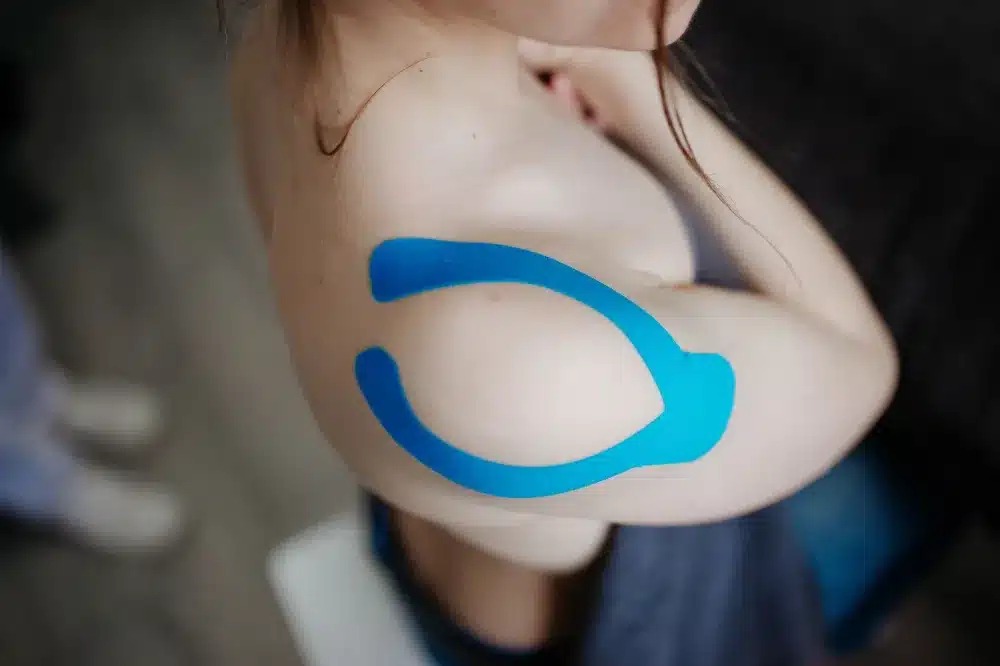
A shoulder injection is one of the well-established tools in interventional pain management for addressing this kind of pain. It’s not a magic fix, but for many patients it can provide meaningful relief while they work on strengthening and recovery.
What Does a Shoulder Injection Involve?
Before you schedule anything, here’s what you’re actually getting into. This procedure is straightforward:
- Targeted medication delivery: A corticosteroid (prescription-strength anti-inflammatory) goes directly into the shoulder joint or subacromial space (the area just above your rotator cuff tendons) to reduce local inflammation.
- Local anesthetic included: Most injections also have a short-acting numbing medication that may give you more immediate, temporary comfort alongside the steroid.
- Image guidance for precision: Many practitioners use ultrasound or fluoroscopy (real-time X-ray) to guide the needle to exactly the right spot, which improves accuracy and safety.
- Outpatient, relatively quick: The injection itself usually takes about 15 to 30 minutes from start to finish, and you go home the same day.
- Part of a bigger plan: Injections work best alongside other care like physical therapy to help your shoulder heal and get stronger.
Who May Be a Good Candidate?
Shoulder injections are commonly considered for patients who haven’t found enough relief from conservative measures alone, or who need pain control to participate more fully in physical therapy. But candidacy really depends on your specific diagnosis, overall health, and what you’ve already tried.
You might be a good fit if you’ve been experiencing rotator cuff-related shoulder pain for several weeks or longer, have tried rest, ice, over-the-counter anti-inflammatory medications, and activity changes without enough improvement, and have had your condition confirmed with imaging like an MRI or X-ray. People with certain medical conditions, active infections, or those who are pregnant may not be suitable candidates. Your provider will review your full history before recommending anything.
| Approach | Typical Use | Invasiveness | Setting |
|---|---|---|---|
| Rest and ice | Mild, early-stage pain | None | Home |
| Physical therapy | Strengthening, mobility | None | Outpatient clinic |
| Shoulder injection | Moderate to significant pain | Minimally invasive | Outpatient clinic |
| Surgery | Structural tears, failed care | Invasive | Hospital or surgical center |
Many providers start with conservative options like physical therapy and non-invasive measures before moving to injections. That’s not about delaying care, it’s about making sure each step adds real value for your situation.
Now Accepting New Patients
Explore Shoulder Injection Options in Tyler, TX
If rotator cuff pain is limiting your daily life, a consultation at our Tyler, TX clinic may help you understand whether a shoulder injection is an appropriate next step. Call (214) 256-3900 to get started.
Who This Procedure May Not Be Ideal For
It’s important to be honest about what an injection can and can’t do. If imaging shows a complete, full-thickness rotator cuff tear that needs surgical repair, an injection alone won’t fix the underlying structural problem. Similarly, patients who’ve already had multiple corticosteroid injections in a short time may see diminishing returns, and your provider might suggest alternatives instead.
Conditions like degenerative arthritis in the shoulder sometimes respond to injections, but results vary. If you’ve had previous shoulder surgery or a known allergy to corticosteroids or local anesthetics, tell your provider right away so your plan can be adjusted safely.
How Is a Shoulder Injection Performed?
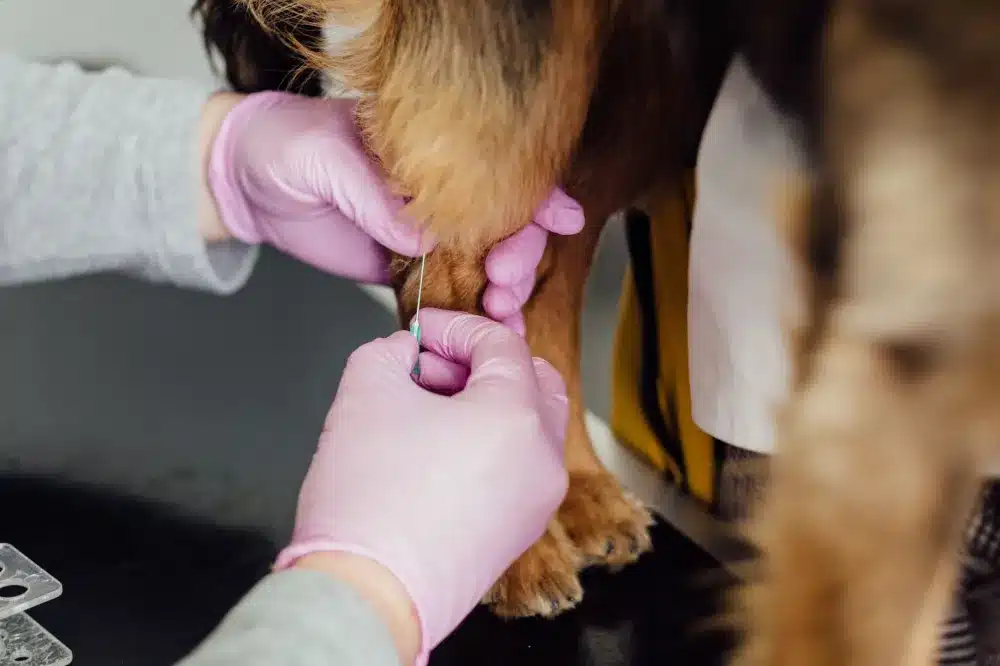
The procedure happens in an outpatient clinic setting, which means you can go home the same day. No general anesthesia needed. Here’s what the process generally looks like:
What to Expect After a Shoulder Injection
Recovery from a shoulder injection is generally straightforward compared to surgery. Most patients can get back to light daily activities fairly quickly, though you should avoid strenuous overhead activity or heavy lifting for at least 24 to 48 hours afterward. Your provider will give you specific guidance based on your situation.
Some mild soreness at the injection site is normal in the first day or two. This is sometimes called a “steroid flare” and typically goes away on its own. The local anesthetic may provide temporary numbing within hours, while the corticosteroid usually takes a few days to build up its anti-inflammatory effect. Many patients notice a gradual reduction in pain over the days and weeks following the injection.
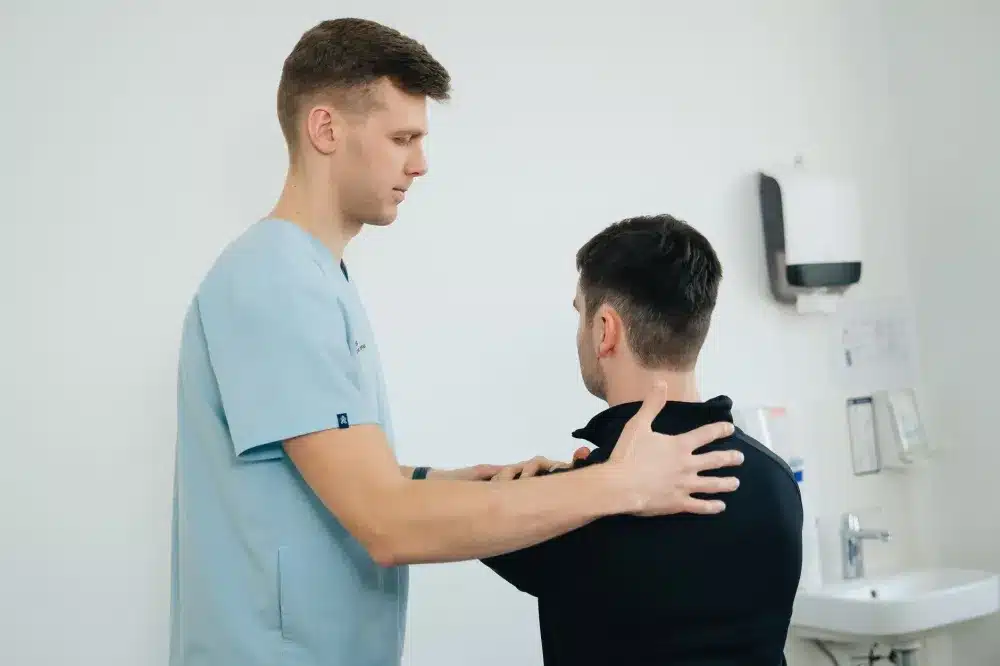
Schedule a follow-up appointment. Your provider will want to know how well the injection worked for you, and that information helps guide what comes next, whether that’s a second injection, a structured physical therapy program, or exploring other injection and nerve block options.
Now Accepting New Patients
Find Out If You’re a Candidate in Tyler
Our Tyler, TX team, conveniently located near Loop 323, can walk you through what to expect before, during, and after a shoulder injection for rotator cuff pain. Schedule your consultation today.
Questions to Ask at Your Consultation
Walking into a pain management appointment feeling prepared makes a real difference. Bring these questions:
- Which injection site is best for me: the subacromial space, the joint itself, or somewhere else?
- Will image guidance be used, and if so, what type?
- How many injections might I need, and how far apart should they be spaced?
- What should I do if my pain temporarily worsens in the first 48 hours?
- What other treatments would you recommend alongside this injection?
- Does my insurance typically cover this type of procedure, and can your team help me check my benefits?
Coverage for shoulder injections varies by insurance plan. The team at the Tyler, TX clinic can help you understand your options and verify benefits before your appointment.
Shoulder Injection in Tyler, TX: Care Close to Home
For residents of Tyler and surrounding East Texas communities, you don’t need a long drive to find specialized pain management care. The Spine and Pain Clinic of Texas in Tyler, TX serves patients from Whitehouse, Lindale, Chandler, Bullard, and across the greater East Texas area. Whether you commute along South Broadway Avenue or come from a smaller community outside the city, the clinic is accessible and focused on interventional pain care.
The clinic works with Dr. Muhammad Arif, MD, an interventional pain management specialist serving patients across all four Texas clinic locations. Dr. Arif and the care team take time to review your history, imaging, and treatment goals before recommending a specific approach. The focus is always on finding the most appropriate, least invasive path forward for your individual situation.
Tyler is home to the Tyler Rose Garden and the University of Texas at Tyler, and you deserve convenient access to high-quality specialty pain care. If you’ve been searching for a pain clinic near me or specifically for pain management in East Texas, this location is worth a call. The clinic is easy to reach from Loop 323 and surrounding communities.

For patients interested in exploring related options, the clinic also offers joint injections for knee, hip, and shoulder pain and can discuss whether regenerative approaches like platelet-rich plasma (PRP) injections might be considered as an adjunct option. PRP therapy is an emerging area, and while early research shows promise, it’s not currently a standard first-line treatment, and outcomes vary. Your provider will help you understand the current evidence honestly.
Taking the Next Step Toward Relief
Rotator cuff pain doesn’t have to control your mornings, your workdays, or your sleep. A shoulder injection in Tyler, TX may be one practical step toward reducing that pain and reclaiming the shoulder function you’ve been missing. The right starting point is a conversation with a qualified specialist who can review your situation honestly.
Dr. Muhammad Arif, MD and the team at the Tyler location are currently accepting new patients. The clinic typically offers consultations on a same-week or next-week basis depending on availability. To schedule, visit the Tyler, TX clinic page or call (214) 256-3900.
The same interventional pain management care is also available at the clinic’s other Texas locations: Plano, TX at (469) 915-5222, Grand Prairie, TX at (469) 680-3886, and Longview, TX at (214) 256-3900, so wherever you are in Texas, a specialist is within reach.
Now Accepting New Patients
Take the Next Step Toward Shoulder Pain Relief
Ready to talk with a specialist? Visit our <a href=’https://spinenpain.org/tyler-tx/’>Tyler, TX pain management clinic</a> or call (214) 256-3900 to book a consultation with Dr. Muhammad Arif, MD and learn whether a shoulder injection may be right for you.
This article is for educational purposes only and is not a substitute for professional medical advice, diagnosis, or treatment. Always consult a qualified healthcare provider about your specific condition. If you experience severe or sudden symptoms, seek emergency care immediately.