
Still Hurting After Spinal Fusion? Your SI Joint May Be the Reason
Spinal fusion surgery is meant to bring relief, and for many people it does. But a surprising number of patients find that pain continues, or even starts in a new place, after their fusion has healed. If your lower back, buttocks, or upper legs still ache months after surgery, the sacroiliac joint (SI joint) may be responsible. SI joint problems are one of the most commonly identified causes of persistent pain after spinal surgery, and they often respond well to a targeted, minimally invasive treatment called an SI joint injection.
In this guide
- Still Hurting After Spinal Fusion? Your SI Joint May Be the Reason
- What the SI Joint Is and Why Fusion Can Affect It
- What an SI Joint Injection Involves and May Offer
- Who May Be a Good Candidate for This Procedure?
- How the Procedure Typically Works: What to Expect on Appointment Day
- What to Expect During Recovery
- Comparing Your Options: SI Joint Injection vs. Conservative Care
- Questions to Ask at Your Consultation
- About the Grand Prairie, TX Location and the Care Team
- Taking the Next Step Toward Relief
- FAQ
What the SI Joint Is and Why Fusion Can Affect It
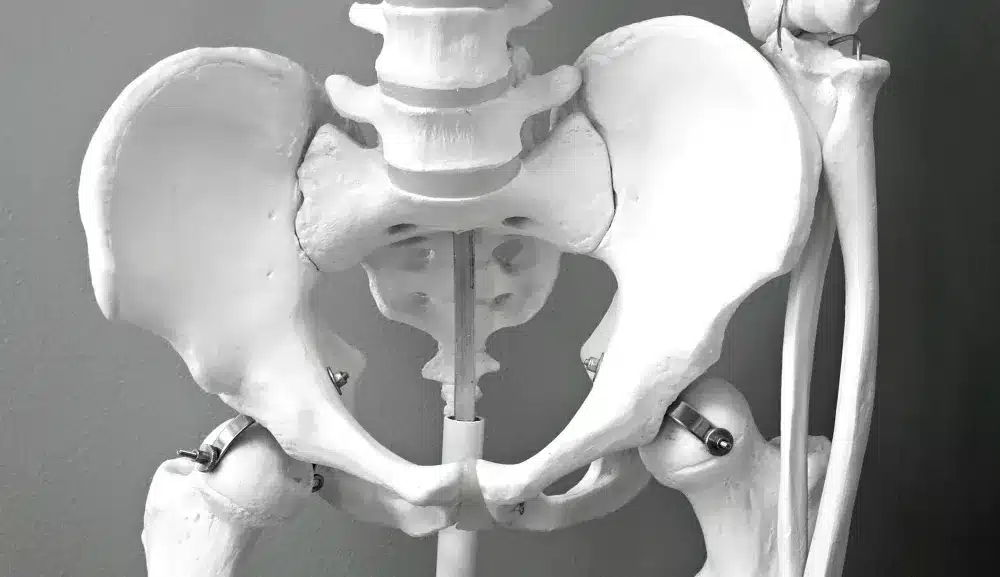
The sacroiliac joint sits where your sacrum (the triangular bone at the base of your spine) meets your ilium (the large wing-shaped hip bone) on each side of your pelvis. You have one on each side, and together they carry the weight of your upper body and absorb shock when you walk, stand, or climb stairs.
When a lumbar spinal fusion is performed, the vertebrae above the SI joint are permanently joined together. That’s the whole point of the surgery. But fusing those segments changes how forces move through your lower back. The SI joint can end up absorbing more stress than it did before. Over time, that extra load may cause inflammation (swelling and irritation inside the joint), cartilage wear, and real pain. According to research cited by the Mayo Clinic, SI joint dysfunction is estimated to account for up to 25% of lower back pain cases, and the risk is meaningfully higher in patients who have had lumbar fusion surgery.
The pain usually shows up in the lower back, one or both buttocks, or the back of the thigh. It gets worse when you stand up from sitting, climb stairs, or lie on the affected side. Sound familiar?
What an SI Joint Injection Involves and May Offer
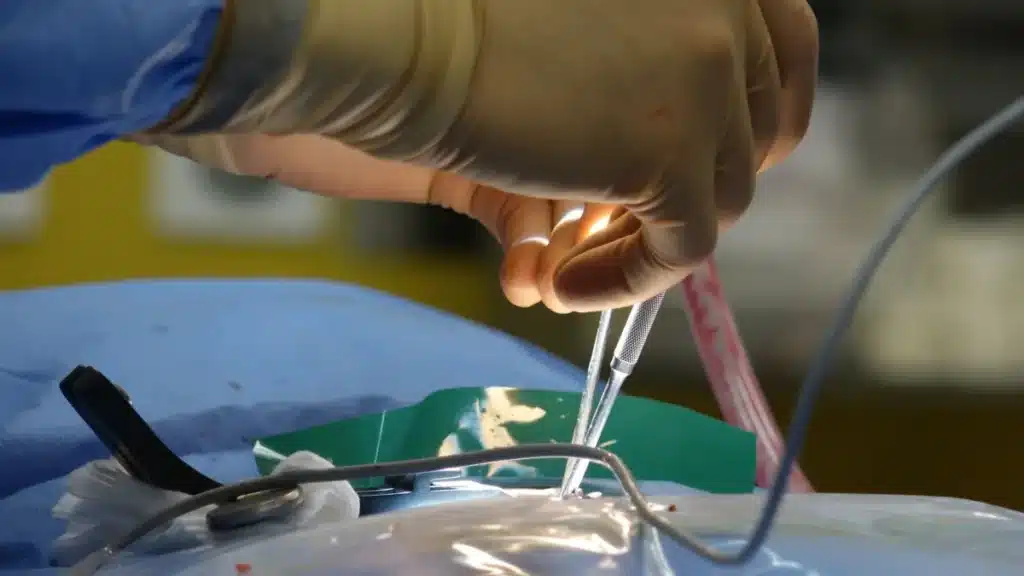
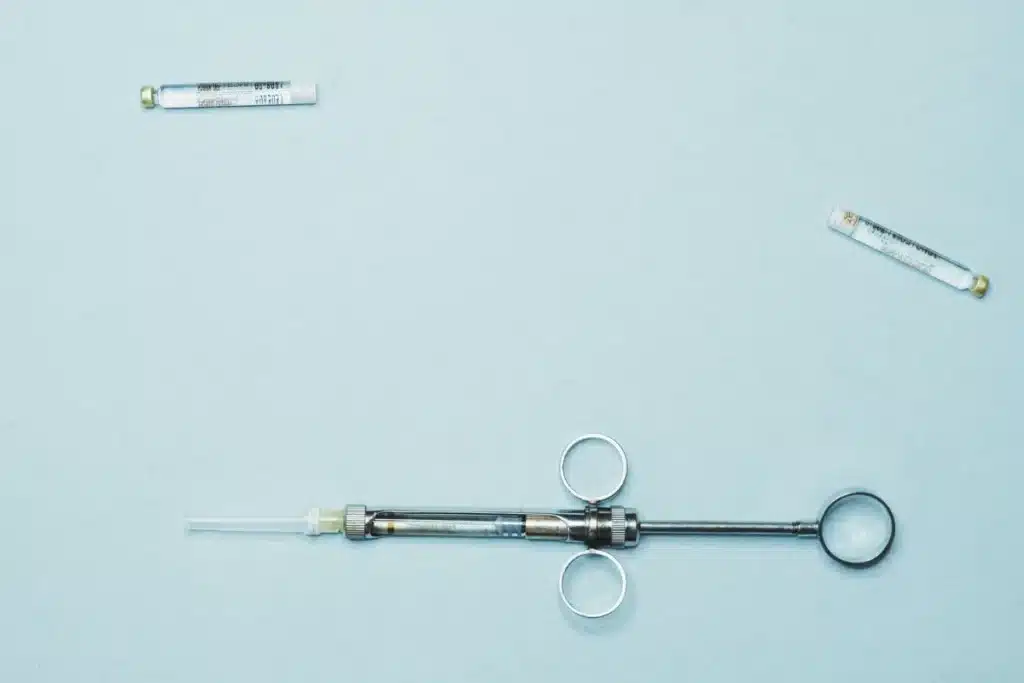
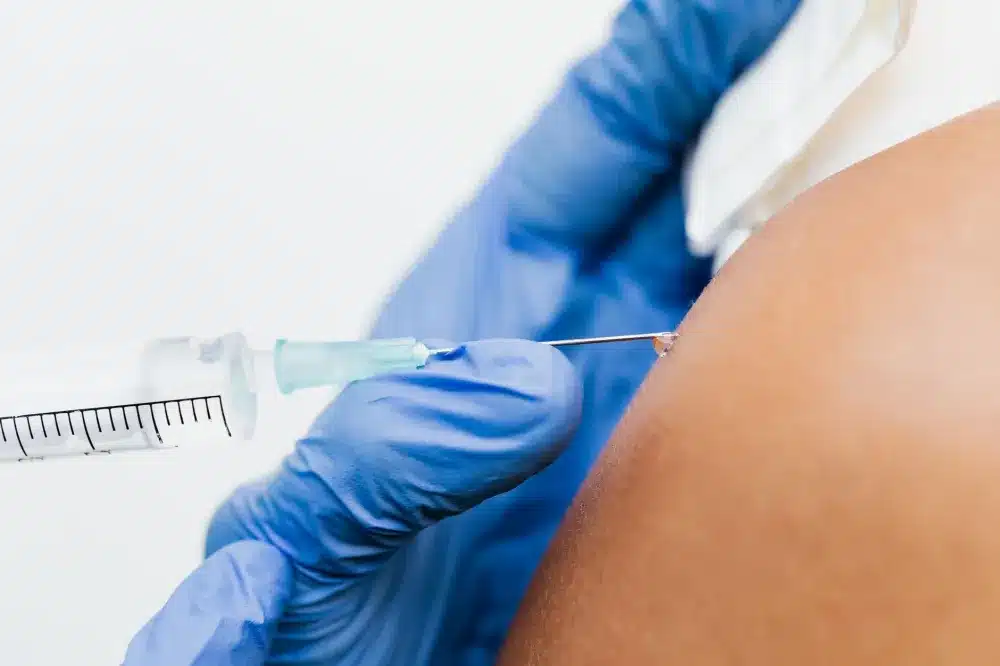
An SI joint injection is a targeted outpatient procedure designed to deliver medication directly into the joint space with image guidance. Here’s what the procedure involves and what it may offer:
- Precise delivery: A corticosteroid (a powerful anti-inflammatory medication) and a local anesthetic are injected directly into the SI joint, guided by fluoroscopy (real-time X-ray) or ultrasound so the physician can confirm accurate placement.
- Potential pain reduction: The injection may help reduce inflammation inside the joint, which can lead to meaningful relief for some patients, though results vary.
- Diagnostic value: If your pain significantly decreases within the first hour after the anesthetic takes effect, that response strongly suggests the SI joint is contributing to your pain, which helps guide future treatment decisions.
- Short procedure time: The injection itself often takes about 15 to 30 minutes, and most patients go home the same day.
- Non-surgical approach: It’s a minimally invasive option that doesn’t require general anesthesia or an overnight hospital stay.
Now Accepting New Patients
Explore SI Joint Relief Options in Grand Prairie
If post-fusion pain is interfering with your daily life, a consultation with our Grand Prairie team may help clarify whether an SI joint injection is appropriate for you. The clinic is conveniently located near I-20 and State Highway 360, making it easy to reach from Arlington, Irving, and the surrounding Mid-Cities.
Who May Be a Good Candidate for This Procedure?
Not every patient with post-fusion pain is automatically a candidate for an SI joint injection. An individualized evaluation is always the right starting point. Generally speaking, candidates often share several of these characteristics:
- Confirmed SI joint involvement: Pain that’s consistent with SI joint dysfunction based on physical exam findings and movement tests.
- Failed conservative measures: Symptoms that haven’t responded adequately to rest, over-the-counter anti-inflammatory medications, or physical therapy for the spine.
- Post-fusion pain pattern: New or worsening lower back, buttock, or thigh pain that developed after lumbar spinal fusion surgery.
- No contraindications: No active infection at the injection site, no bleeding disorders, and no allergies to the medications used.
Who This Procedure May Not Be Ideal For
Honest information matters when you’re making a treatment decision. SI joint injections aren’t generally recommended for patients with active systemic infection, those who are pregnant, or patients whose imaging and clinical findings point clearly to a different pain source. Your physician will review your spinal fusion imaging, your full medical history, and your current symptoms before recommending this or any other procedure. If the SI joint isn’t the primary driver of your pain, there are other injection and nerve block options that may be more appropriate.
How the Procedure Typically Works: What to Expect on Appointment Day
Walking into a procedure room can feel intimidating, especially after you’ve already been through spinal surgery. Here’s a realistic, step-by-step picture of what a typical SI joint injection appointment looks like at an interventional pain clinic.
What to Expect During Recovery
Recovery from an SI joint injection is generally straightforward compared to surgical recovery. Most people can return to light daily activities within 24 to 48 hours. You may notice some temporary soreness at the injection site, which typically fades within a day or two.
The local anesthetic often provides quick, short-term relief within the first few hours. The corticosteroid, which is the longer-acting component, typically takes a few days to begin working. If the injection is going to provide meaningful relief, many patients report noticing a difference within one to two weeks.

Now Accepting New Patients
Talk to a Pain Specialist About Your Fusion Pain
Recovery after spinal fusion can be complicated, and you deserve a clear explanation of your options. Call (469) 680-3886 or visit our Grand Prairie location page to request a consultation with our interventional pain management team.
Comparing Your Options: SI Joint Injection vs. Conservative Care
Understanding how an SI joint injection fits into the broader treatment landscape helps you have a more productive conversation with your physician. The table below offers a general comparison. Individual circumstances vary significantly, and your care team will always recommend the approach that makes sense for your specific situation.
| Approach | How It Works | Typical Setting | Recovery Time | Best Suited For |
|---|---|---|---|---|
| Physical therapy | Strengthens stabilizing muscles | Outpatient clinic | Ongoing, weeks to months | Mild to moderate dysfunction |
| Oral anti-inflammatories | Systemic inflammation reduction | Home or primary care | Variable | Early or mild pain |
| SI joint injection | Targeted steroid and anesthetic | Outpatient procedure room | 24-48 hours light activity | Confirmed SI joint pain, post-fusion |
| Radiofrequency ablation (RFA) | Interrupts nerve pain signals with heat | Outpatient procedure room | Several days, generally | Positive response to SI injection |
For many patients, physical therapy for the spine is a valuable companion to injection treatment, not a replacement. Strengthening the muscles around the SI joint can help maintain any relief achieved through the injection and reduce the chance of pain returning quickly.
Questions to Ask at Your Consultation
Going in prepared makes your appointment more productive. Here are some practical questions worth asking your pain specialist:
- Based on my imaging and exam, do my symptoms fit SI joint dysfunction?
- How many injections might I need, and how far apart would they be spaced?
- What should I do if I get only partial relief?
- Is radiofrequency ablation something I might benefit from if the injection helps?
- Will my insurance cover this procedure, and can the clinic help verify my benefits?
About the Grand Prairie, TX Location and the Care Team
The Spine and Pain Clinic of Texas Grand Prairie location serves patients from across the Dallas-Fort Worth Mid-Cities area, including Arlington, Irving, Duncanville, Cedar Hill, Mansfield, and DeSoto. Whether you travel along I-20, take State Highway 360, or come from the direction of Lone Star Park or Traders Village, the clinic is designed to be a straightforward drive from nearly anywhere in the area.
Dr. Muhammad Arif, MD, an interventional pain management specialist serving all four Texas clinic locations, works with patients whose pain has persisted after spine surgery. His approach focuses on identifying the actual source of pain through careful evaluation before recommending any procedure, including SI joint injections. If you’ve been searching for a pain management specialist in Texas who understands the complexities of post-fusion pain, a consultation is a reasonable first step.
Patients from Arlington, Irving, Duncanville, and Mansfield regularly make the short drive to the Grand Prairie clinic. If you’ve been looking for a pain clinic near me in the Mid-Cities area, this location was built with that convenience in mind.
Taking the Next Step Toward Relief
Persistent pain after spinal fusion is frustrating, and you deserve a clear path forward. An SI joint injection may not be right for every person, but for those whose lower back, hip, or buttock pain traces back to the sacroiliac joint, it’s one of the most well-established minimally invasive options available today.
The team at the Spine and Pain Clinic of Texas in Grand Prairie is ready to help you figure out whether this procedure makes sense for your situation. Dr. Muhammad Arif and the clinical team offer consultations for patients dealing with pain after spinal fusion, and the clinic is conveniently accessible from the President George Bush Turnpike (SH-161) and surrounding communities throughout the Dallas-Fort Worth area. Call (469) 680-3886 to schedule a consultation, or visit the Grand Prairie location page to learn more and book online.
The same specialized care is also available at the clinic’s other Texas locations: Plano, TX at (469) 915-5222, Longview, TX at (214) 256-3900, and Tyler, TX at (214) 256-3900, so no matter where you are in Texas, expert interventional pain management is within reach.
Now Accepting New Patients
Ready for a Consultation in Grand Prairie, TX?
Dr. Muhammad Arif and the team at the Grand Prairie location are ready to help you understand your options for post-fusion SI joint pain. Call (469) 680-3886 or book online today.
This article is for educational purposes only and is not a substitute for professional medical advice, diagnosis, or treatment. Always consult a qualified healthcare provider about your specific condition. If you experience severe or sudden symptoms, seek emergency care immediately.