If walking more than half a block leaves your legs aching, cramping, or going numb, spinal stenosis might be to blame. The good news: if you’re near US-75 in Plano or anywhere in north Dallas, you don’t have to travel far to explore solutions.
In this guide
- What Is Spinal Stenosis, and Why Does It Hurt?
- How Does Minimally Invasive Spine Surgery Work?
- Who May Be a Good Candidate?
- What Happens on Procedure Day?
- What Recovery Generally Looks Like
- Questions to Ask at Your Consultation
- Why Choose Spine and Pain Clinic of Texas in Plano?
- Taking the Next Step Toward Relief
- FAQ
What Is Spinal Stenosis, and Why Does It Hurt?
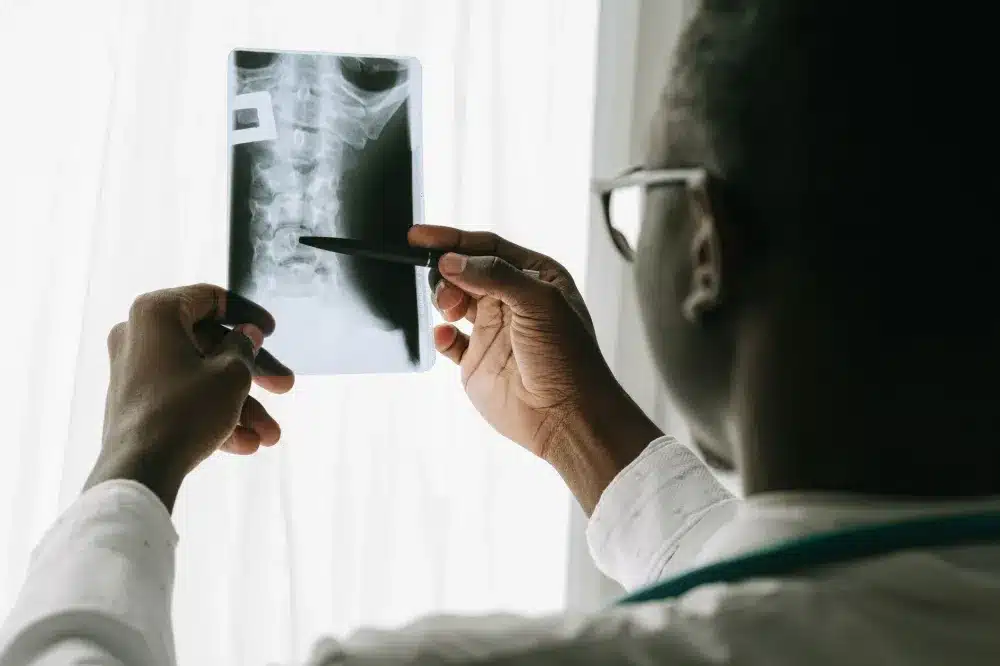
Spinal stenosis means the spinal canal, the bony tunnel protecting your spinal cord and nerve roots, has narrowed. When it gets tight, it pinches the nerves inside. You might feel a dull ache in your lower back, sharp shooting pain down one or both legs, or a heavy, cramping sensation that forces you to stop and rest when you’re walking. Some people also notice weakness or tingling in their feet.
Most cases develop in the lumbar spine (lower back) due to age-related changes: thickening ligaments, worn joints, and bulging discs that gradually squeeze the space nerves need. The cervical spine (neck) can be affected too, sometimes causing arm pain or hand weakness. Sound familiar? You’re definitely not alone, and real options do exist.

How Does Minimally Invasive Spine Surgery Work?
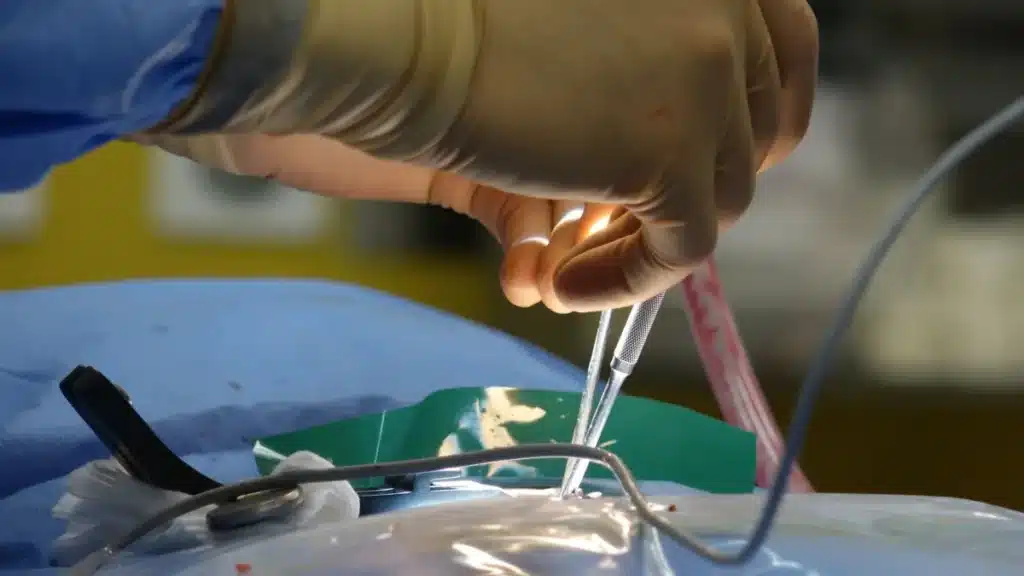
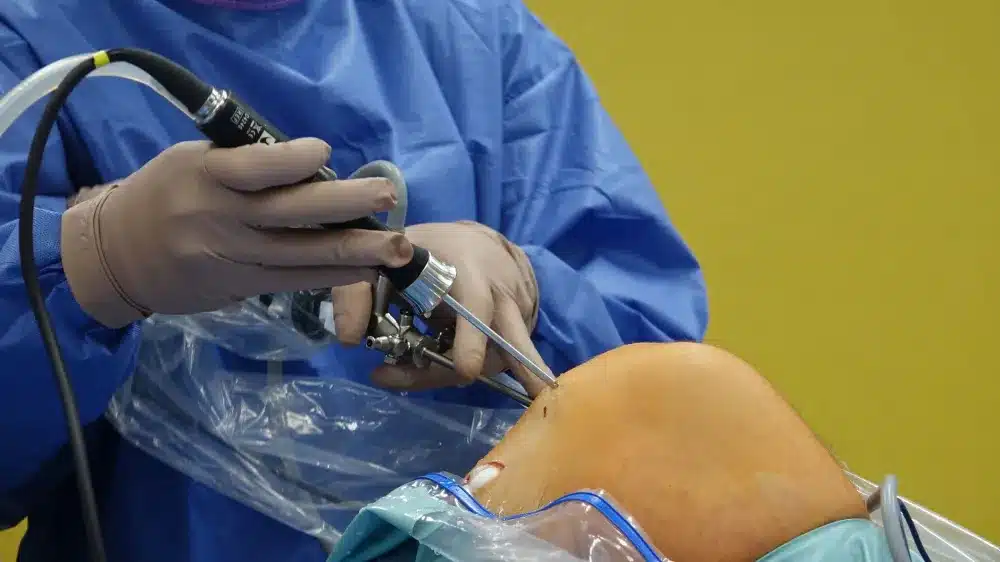
Minimally invasive spine surgery (MISS) is an approach rather than one specific operation. Instead of one long incision cutting through layers of muscle, MISS uses one or two tiny cuts, often less than an inch, along with specialized tubular retractors that gently spread muscle fibers rather than cutting them. A tiny camera or microscope guides the surgeon the whole way.
For spinal stenosis, the goal is usually decompression: removing bone spurs, thickened ligament, or disc material that’s pressing on the nerves. Your surgeon might recommend one of several MISS procedures depending on your specific anatomy and how severe the narrowing is. The nerve release and decompression approach is among the most common. In some cases, a spinal fusion might be done at the same time using minimally invasive technique if the spine shows signs of instability.
Here’s what you can expect from a MISS procedure:
- Small incisions: One or two cuts under an inch, compared with several inches for traditional open surgery.
- Less muscle damage: Retractors spread muscle fibers rather than cutting through them, which may reduce post-operative pain and blood loss.
- Real-time guidance: Fluoroscopy (live X-ray imaging) helps your surgeon navigate safely around delicate nerve roots.
- Often outpatient: Many MISS procedures are done on an outpatient basis or with a short overnight stay, though this varies by case.
- Potentially quicker recovery: Because less tissue is disturbed, many patients return to light activity sooner than after traditional open surgery, though results vary.
Now Accepting New Patients
Find Out If You’re a Candidate in Plano
If spinal stenosis is limiting your daily life, a consultation with our Plano team may help clarify your options. Our clinic is easily accessible from US-75 and welcomes patients from Frisco, Allen, McKinney, and surrounding communities.
Who May Be a Good Candidate?
Not everyone with spinal stenosis needs surgery, and not everyone who needs surgery is right for a minimally invasive approach. Generally, MISS may be worth considering when conservative treatments haven’t provided enough relief after a fair trial.
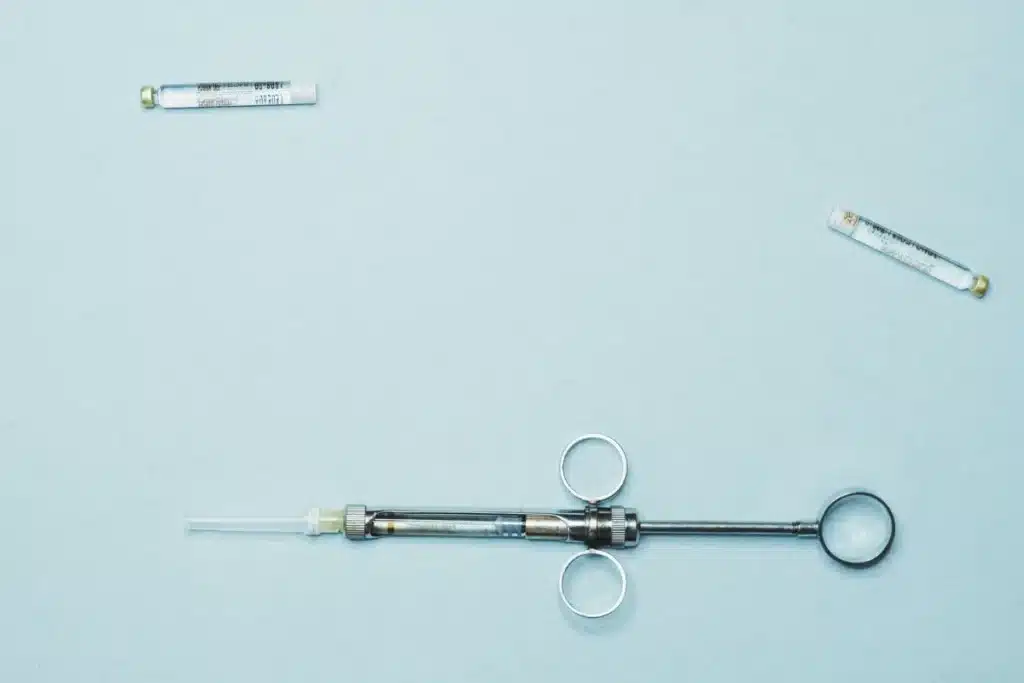
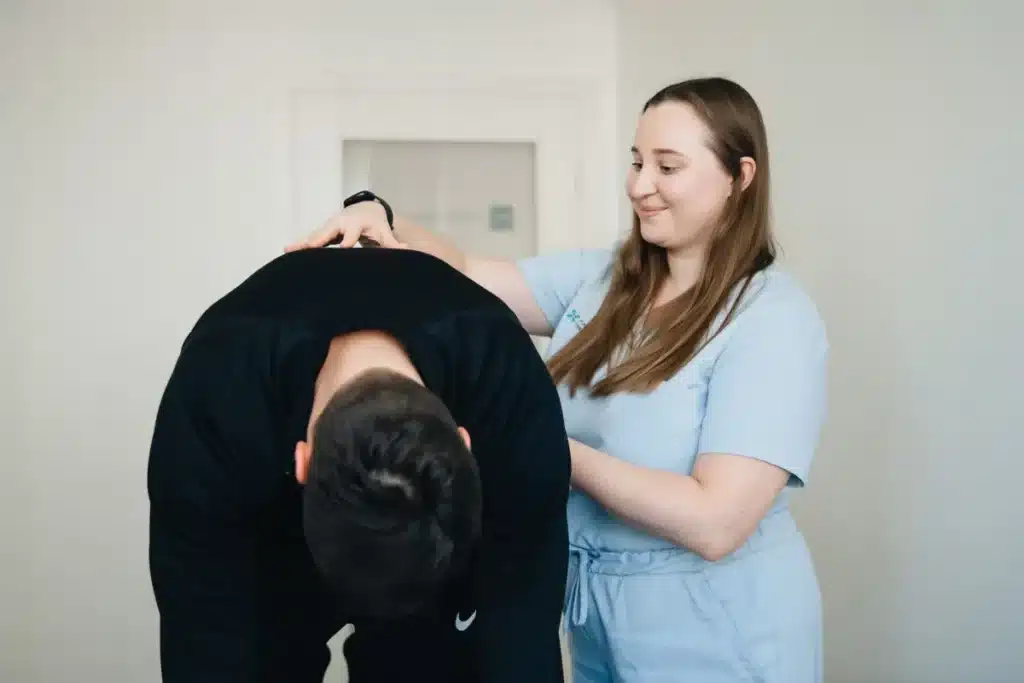
Conservative care is always where you start. Many patients benefit from physical therapy, anti-inflammatory medications, and targeted injections like epidural steroid injections (ESIs), which deliver anti-inflammatory medication near the compressed nerve roots to reduce swelling and pain. ESIs won’t fix the narrowing itself, but they can manage symptoms while you and your care team figure out the best long-term path. Physical therapy for the spine is another key part of conservative care.
You may be a stronger candidate for MISS if you have:
- Confirmed stenosis on imaging: An MRI or CT scan showing clear narrowing that matches your symptoms.
- Neurogenic claudication: The classic cramping and leg weakness that appears with walking and eases when you sit or lean forward.
- Failed conservative care: Weeks or months of physical therapy, injections, or medications without enough relief.
- Real functional limitations: Stenosis that seriously affects your ability to work, walk, or do daily tasks.
- Good overall health: Reasonable medical fitness for surgery under anesthesia.
When MISS May Not Be the Best Fit
Patients with severe spinal instability, significant scoliosis, or prior spine surgeries that changed the area’s anatomy may not be good candidates for MISS alone. In those cases, a more extensive open procedure might serve you better. That’s exactly why an honest candidacy assessment during a spine consultation is so valuable. You can explore the full range of minimally invasive spine surgery options the clinic offers to get a clearer picture of what’s available to you.
This table is for general informational purposes only. Your care team will recommend the most appropriate option based on your individual evaluation.
What Happens on Procedure Day?
Knowing what to expect can make the whole experience feel less daunting. While every patient’s situation is different, here’s a general outline of how a minimally invasive decompression procedure typically unfolds.
Now Accepting New Patients
Talk to a Spine Specialist About Your Recovery
Wondering what recovery from minimally invasive spine surgery might look like for you? Call (469) 915-5222 or book online to speak with our Plano care team about your specific situation.
What Recovery Generally Looks Like
Recovery from minimally invasive spine surgery varies from person to person, but many patients find it progresses faster than expected. Because surrounding muscles are disturbed far less than in traditional open surgery, post-operative soreness tends to be more manageable. Healing still takes time, though, and patience is important.
In the first one or two weeks, most patients walk short distances several times a day. Sitting for long stretches, deep bending, or lifting anything significant is usually off-limits. Incision-site pain is normal and typically managed with prescribed or over-the-counter medications under your doctor’s guidance.
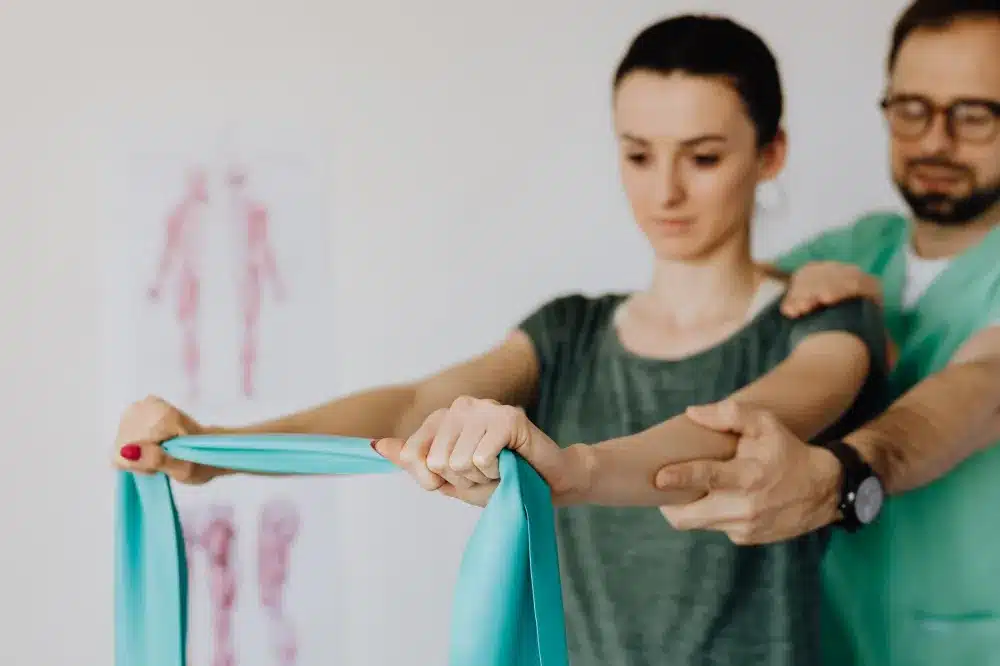
By weeks four to eight, many patients move into a structured physical therapy program focused on strengthening the core muscles that support the spine. Light activity is reintroduced gradually. Full return to demanding physical activity like heavy lifting or high-impact sports may take several months, depending on the procedure’s extent and your individual healing.
Questions to Ask at Your Consultation
Walking into a spine surgery consultation prepared makes a real difference. Bring these questions with you:
- Am I a candidate for minimally invasive surgery, or would traditional open surgery work better for me?
- How many spinal levels are involved, and how does that affect the procedure and recovery?
- What imaging do you need before making a surgical recommendation?
- What conservative options haven’t I tried yet that might help?
- What does the rehabilitation plan look like, and when can I realistically return to normal activity?
- What risks apply to my specific case, and how are they managed?
Why Choose Spine and Pain Clinic of Texas in Plano?
The Plano location brings interventional pain management and surgical spine care under one roof. That matters when your treatment plan might include both conservative options and surgery. Whether you’re just starting with injections or you’ve already tried them without lasting relief, the team here can help you understand how surgery fits into your overall care.
Dr. Muhammad Arif, MD, an interventional pain management specialist serving all four Texas locations, works with patients across the full spectrum of spinal conditions. His approach centers on careful evaluation, including a thorough review of your imaging and a detailed physical exam, before any procedure is recommended. That commitment to individualized assessment helps patients throughout Plano, Frisco, Allen, McKinney, Richardson, Carrollton, The Colony, Murphy, Wylie, and the surrounding areas feel confident in their care plan.
Patients from Frisco, Allen, McKinney, Richardson, Carrollton, and The Colony regularly come to the Plano clinic for care. If you’re coming from the Legacy West area or heading in along the Dallas North Tollway, the clinic is straightforward to reach from most neighborhoods. Same-week consultations are typically available for new patients.
For patients preferring to stay closer to home, the clinic also has locations in West Plano and Far North Dallas. You can explore the full range of back pain conditions we treat and surgical procedures available online before your visit.
Taking the Next Step Toward Relief
You don’t have to accept a life of limited movement because of spinal stenosis. If you’ve been managing pain in the Plano area, near President George Bush Turnpike, or anywhere in the surrounding communities, it might be time to find out whether minimally invasive spine surgery could help you move more freely.
The Spine and Pain Clinic of Texas in Plano is currently welcoming new patients for spine consultations. Dr. Muhammad Arif, MD, and the care team are ready to review your imaging, evaluate your symptoms, and walk you through every option, from conservative care to surgery, so you can make an informed decision. Call (469) 915-5222 to schedule, or use the online booking link to pick a time that works.
The same specialized care is available at our other Texas locations: Grand Prairie, TX at (469) 680-3886, Longview, TX at (214) 256-3900, and Tyler, TX at (214) 256-3900. Expert spine care is within reach no matter where you are in Texas.
Now Accepting New Patients
Ready to Take the Next Step in Plano, TX?
Don’t let spinal stenosis keep you on the sidelines. Reach out to our Plano location today to schedule a consultation and explore whether minimally invasive spine surgery may be right for you.
This article is for educational purposes only and is not a substitute for professional medical advice, diagnosis, or treatment. Always consult a qualified healthcare provider about your specific condition. If you experience severe or sudden symptoms, seek emergency care immediately.