
Facet Joint Arthritis in Plano: Why It Matters and What to Do
If you live near Legacy West or commute along US-75 and wake up with a stiff, aching back or neck that won’t go away, your facet joints might be the culprit. Facet joint arthritis is one of the most common causes of chronic spine pain in adults, and it’s often overlooked. The encouraging news: a targeted treatment called a facet joint injection, or facet block, may help reduce that pain without surgery.
In this guide
- Facet Joint Arthritis in Plano: Why It Matters and What to Do
- What Happens During a Facet Block?
- What Are Facet Joints, and Why Do They Hurt?
- How a Facet Block Relieves Pain
- Who May Be a Good Candidate?
- Who This Procedure May NOT Be Right For
- What to Expect Before, During, and After
- Key Questions to Ask at Your Consultation
- Specialized Pain Care in Plano and North Dallas
- Taking the Next Step Toward Relief
- FAQ
What Happens During a Facet Block?
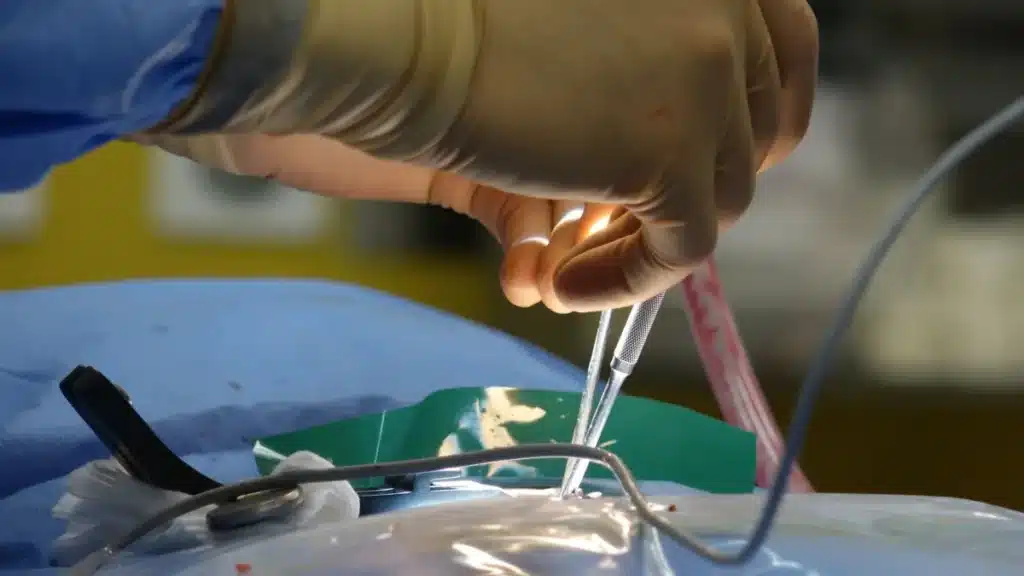
A facet joint injection delivers relief straight to the source of your pain. Here’s what the procedure typically involves, explained in plain terms:
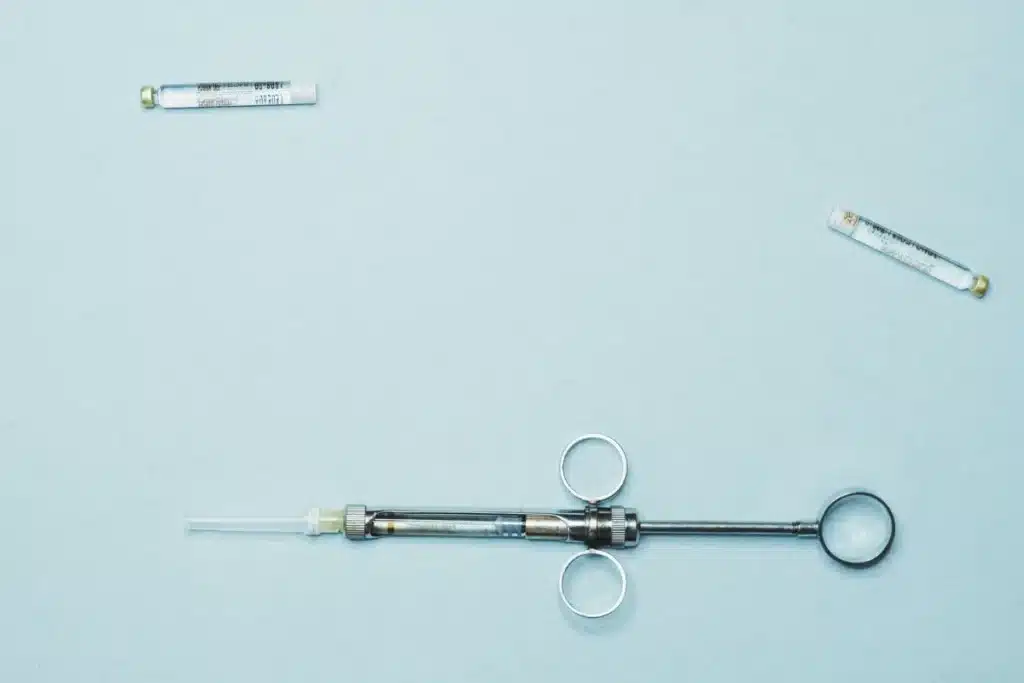
- Targeted delivery: Medication goes directly into or alongside the affected facet joint to reduce local inflammation and interrupt pain signals.
- Dual action: The injection combines a corticosteroid (to calm inflammation) with a local anesthetic (for immediate numbing).
- Image-guided precision: The physician uses fluoroscopy, a type of real-time X-ray, or ultrasound to position the needle accurately.
- Outpatient convenience: You go home the same day; no overnight hospital stay.
- Diagnostic benefit: How much your pain improves after the injection helps your care team confirm the facet joint is truly the pain source.
What Are Facet Joints, and Why Do They Hurt?
Facet joints are small paired joints on the back of each vertebra (the individual bones of the spine). Think of them as tiny hinges running the length of your back and neck. They connect your vertebrae to each other and let your spine move smoothly. Each joint is lined with cartilage, the same slippery tissue in your knee, and surrounded by a fluid-filled capsule that keeps movement comfortable.
Over time, that cartilage wears down. Bone spurs may form. The joint capsule can become inflamed. This is degenerative arthritis of the facet joint. It’s very common in adults over 40, though younger people can develop it too, especially after spine injuries or physically demanding work. The pain can feel sharp or dull, local or radiating, and often gets worse with twisting, bending backward, or standing a long time. Sound familiar?
According to the Mayo Clinic, facet joint problems rank among the leading causes of chronic back pain and neck pain. When left unmanaged, this pain can disrupt sleep, interfere with work, and make simple tasks like turning your head to change lanes on the Dallas North Tollway feel impossible.

How a Facet Block Relieves Pain
A facet block delivers anti-inflammatory medication directly to the painful joint. Here’s what happens on procedure day:
The injection itself takes about 15 to 30 minutes, though your total appointment time is longer with check-in, prep, and post-procedure observation. The full procedure is available at our facet block injections service, which is part of a broader range of injections and nerve blocks for patients in the Plano area.

Now Accepting New Patients
Explore Facet Block Options in Plano, TX
If facet joint arthritis is limiting your daily life, a consultation with our Plano team may help clarify whether a facet block is right for you. Reach out to schedule your visit near Legacy West today.
Who May Be a Good Candidate?
Facet joint injections are often considered for patients who haven’t found adequate relief from conservative treatments alone. Not everyone is a candidate, which is why a proper evaluation is the right first step.
You may be a good fit if you have chronic neck or back pain lasting several weeks or longer, if imaging such as an MRI or X-ray shows facet joint changes, or if your pain worsens with certain movements like bending backward or rotating your torso. Patients who’ve already tried physical therapy, over-the-counter anti-inflammatory medications, or rest without sufficient relief often benefit most from an injection-based approach.
| Treatment Option | Type | Setting | Main Goal | Best For |
|---|---|---|---|---|
| Physical Therapy | Conservative | Outpatient clinic | Strengthen, stabilize | Early or mild symptoms |
| Oral Anti-Inflammatory Medication | Conservative | Home or pharmacy | Reduce inflammation systemwide | Short-term flare management |
| Facet Joint Injection | Minimally invasive | Procedure suite | Targeted pain relief | Persistent facet arthritis |
| Radiofrequency Ablation (RFA) | Minimally invasive | Procedure suite | Interrupt pain signals | Confirmed facet pain |
| Spine Surgery | Surgical | Hospital or surgical center | Structural correction | Severe structural problems |
A conservative-care-first approach is standard practice. Many patients appropriately start with physical therapy for the spine and other non-surgical options before considering an injection. If those haven’t been enough, a facet block becomes a sensible next step to discuss with your care team.
Who This Procedure May NOT Be Right For
Honest information matters. A facet joint injection isn’t suitable for every patient, and a good pain management physician will tell you directly. You may not be a candidate if you have an active infection near the injection site, a bleeding disorder that can’t be safely managed, or a known allergy to the medications used. Pregnant patients are generally advised to postpone non-urgent injections. Those whose pain comes from a different source, such as a herniated disc pressing on a nerve root or severe spinal instability, may need a different approach entirely.
That’s why a thorough evaluation comes first. The Plano clinic team reviews your imaging, medical history, and physical exam before recommending any procedure.

What to Expect Before, During, and After
Knowing what’s coming makes the experience far less stressful. Here’s what each phase looks like.
Before the procedure: You’ll have a consultation to review your medical history, current medications, and imaging. Your doctor will discuss which medications you may need to pause (such as blood thinners). You’ll be asked to arrange a ride home, since driving after a procedure involving sedation or anesthesia isn’t safe.
During the procedure: Most patients feel pressure at the injection site rather than sharp pain. The local anesthetic applied to your skin beforehand helps tremendously. Your physician works carefully, guided by real-time fluoroscopy imaging, and talks with you throughout. Once everything is positioned, the injection itself typically takes just a few minutes.
After the procedure: A brief observation period follows before you head home. Some patients notice immediate relief from the local anesthetic, though this can fade within hours. The corticosteroid typically takes a few days to build up its anti-inflammatory effect. Mild soreness at the injection site is normal for a day or two.
Your care team will provide specific guidance about activity, follow-up visits, and what warning signs warrant a call. Many patients are encouraged to continue or restart therapeutic exercises once they’re feeling better, since movement and strengthening are key to long-term spine health.
The Plano clinic typically works to schedule consultations promptly so you aren’t left waiting weeks for answers.
Now Accepting New Patients
Find Out If a Facet Injection Could Help You
Our Plano, TX pain management team is ready to walk you through every step of the process. A consultation can help determine whether a facet joint injection fits your individual situation.
Key Questions to Ask at Your Consultation
Bring these questions to your appointment for a fuller picture of your options:
- Which spine level is affected, and is it confirmed on imaging?
- How many injections might I need, and how far apart would they be?
- What should I watch for after the procedure that would warrant calling the clinic?
- If this works well, is radiofrequency ablation (RFA) a logical next step for longer-lasting relief?
- Will my insurance cover this, and can you help verify my benefits beforehand?
Specialized Pain Care in Plano and North Dallas
The Spine and Pain Clinic of Texas Plano location is conveniently accessible from communities across northern Dallas-Fort Worth. Whether you’re coming from Frisco along the Dallas North Tollway, from Allen or McKinney via US-75, or from Richardson, Carrollton, The Colony, Murphy, or Wylie, you’re likely within a short drive. Patients from Frisco who prefer a Plano-based specialist will find this location easy to access, positioned near The Shops at Legacy along the President George Bush Turnpike corridor.
Dr. Muhammad Arif, MD, an interventional pain management specialist, leads care at all four Texas clinic locations. Patients in Plano and surrounding communities work with Dr. Arif’s team to explore whether a facet joint injection fits their situation. His interventional pain management expertise means he focuses on finding targeted solutions matched to each patient’s specific needs, not one-size-fits-all treatment.
If you’re searching for a pain clinic near me or pain management in North Dallas, the Plano location offers the personalized evaluation that makes a real difference in determining your best next step.

Taking the Next Step Toward Relief
Facet joint arthritis is a real condition with measurable causes, and chronic pain from it deserves a thoughtful response. A facet joint injection in Plano, TX may not work for every patient, but for those who qualify, it can be an important part of a broader pain management plan that restores function and improves daily life.
The team at Spine and Pain Clinic of Texas, including Dr. Muhammad Arif, MD, evaluates your situation carefully and honestly. There’s no pressure toward any single treatment. The goal is to help you understand your options and make an informed decision about your care.
To schedule a consultation at the Plano clinic, conveniently located just minutes from the Dallas North Tollway, call (469) 915-5222 or visit the Plano, TX clinic page to book online. Same-week consultations may be available, so reach out today for the answers you need.
The same interventional pain management care is also available at the clinic’s other Texas locations: Grand Prairie, TX at (469) 680-3886, Longview, TX at (214) 256-3900, and Tyler, TX at (214) 256-3900, so patients across the state can access quality spine and pain care close to home.
Now Accepting New Patients
Take the Next Step Toward Relief in Plano
Living with facet joint arthritis doesn’t have to mean living with constant pain. Contact our Plano clinic near the Dallas North Tollway to schedule a consultation and learn about your options.
This article is for educational purposes only and is not a substitute for professional medical advice, diagnosis, or treatment. Always consult a qualified healthcare provider about your specific condition. If you experience severe or sudden symptoms, seek emergency care immediately.