
Chronic migraines don’t just hurt. They cancel plans, disrupt sleep, and make even an ordinary Tuesday feel impossible. If you’ve been dealing with 15 or more headache days a month and standard treatments haven’t given you much relief, Botox for chronic migraines may be worth exploring. At the Spine and Pain Clinic of Texas in Plano, patients from along US-75 and across North Dallas are discovering this FDA-approved treatment works as a preventive tool, not a cosmetic procedure.
In this guide
What Is Botox for Chronic Migraines?
Botox for chronic migraines is a preventive treatment that uses small doses of botulinum toxin type A to temporarily reduce muscle activity in targeted areas of your head and neck. The FDA approved it specifically for chronic migraine prevention in adults who experience 15 or more headache days per month, with at least eight of those qualifying as migraines. The goal isn’t to stop a migraine once it starts. The goal is to make those headaches happen less often.
How does it work? Botulinum toxin blocks the release of certain chemicals involved in pain signaling. When injected into specific muscle groups around your forehead, temples, the back of your head, neck, and upper shoulders, it may interrupt the pain pathways that drive chronic migraine episodes. Many patients notice it also helps with chronic head and neck pain that often comes with persistent migraines. Sound familiar? If tightness at the base of your skull or persistent neck stiffness shows up alongside your headaches, this treatment targets that whole pattern.

What Happens During the Procedure?
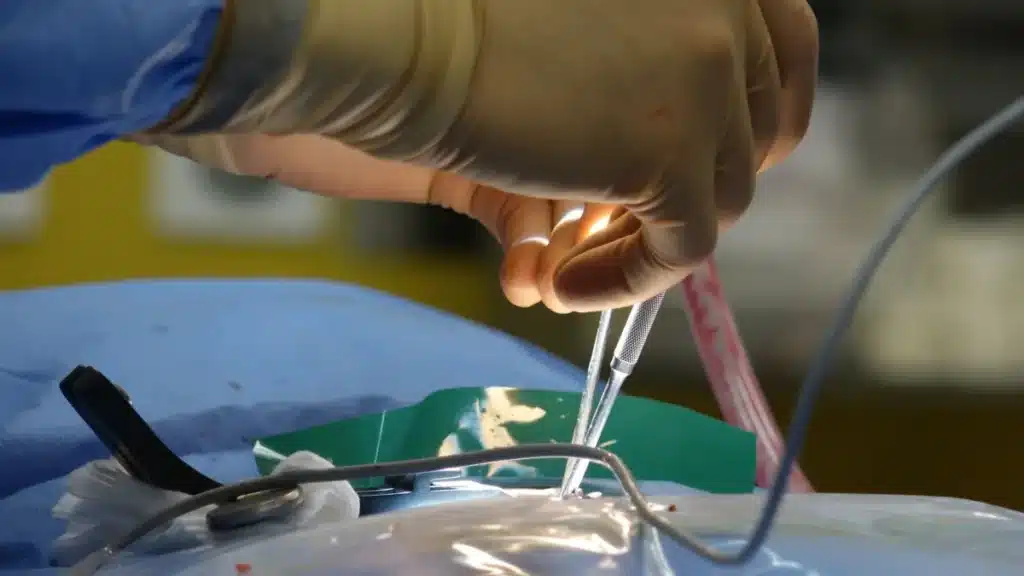
Botox for chronic migraines is an outpatient procedure, meaning you go home the same day with no hospital stay or general anesthesia. Here’s what to expect:
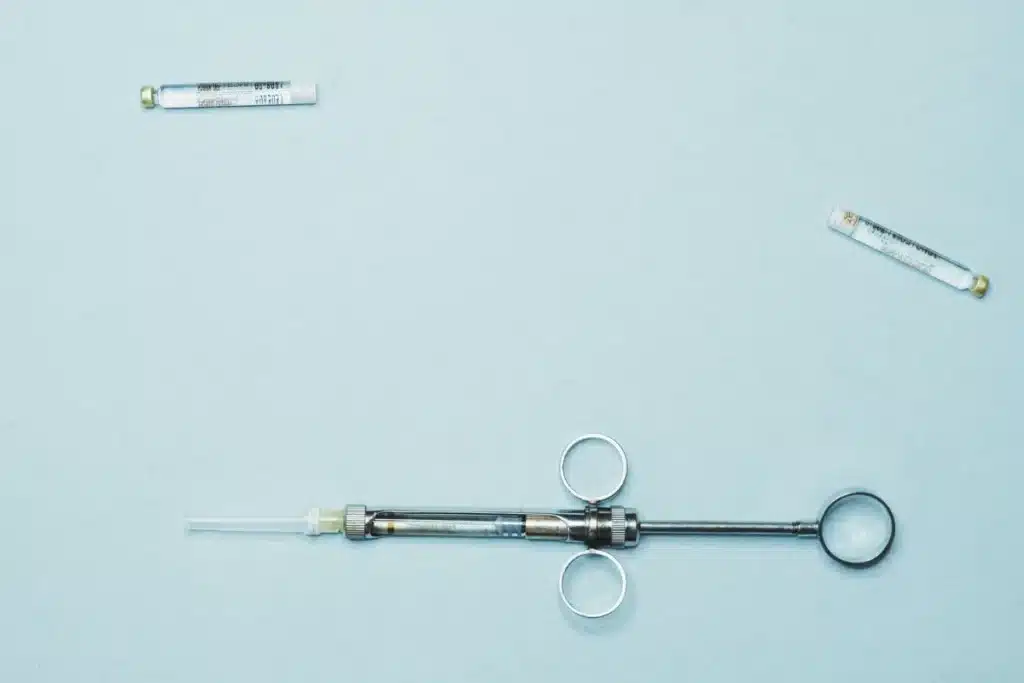
- Multiple small injections: The treatment involves approximately 31 injections across seven specific muscle areas in your head, neck, and upper back, using a very fine needle.
- Targeted placement: Each injection follows a standardized pattern based on clinical research, with adjustments made for your individual anatomy and where you feel pain.
- Short appointment time: The injection portion typically takes around 15 to 20 minutes, though your full visit including evaluation may be longer.
- Repeated treatment cycles: Botox for chronic migraines is given every 12 weeks because the effects are temporary and the treatment works best as an ongoing preventive strategy.
- No incisions or sedation: This minimally invasive procedure is done in a clinic setting, so most patients get back to normal activities quickly.
Now Accepting New Patients
Explore Botox Migraine Relief Options in Plano
If you live near Legacy West or commute along US-75 and chronic migraines are wearing you down, a consultation with our Plano team may be a helpful first step. Visit our Plano location page or call (469) 915-5222 to learn whether Botox for chronic migraines may be right for you.
Are You a Good Candidate?
Botox for chronic migraines is generally considered for adults who meet specific criteria and haven’t found adequate relief from other preventive options. A qualified pain specialist will review your full medical history before recommending this path. You may be a good candidate if you:
- Experience 15 or more headache days per month, with at least eight qualifying as migraines
- Have tried other preventive medications with limited success or side effects you couldn’t tolerate
- Deal with neck and shoulder tension that seems connected to your migraine pattern
- Are not pregnant and don’t have certain neuromuscular conditions (your doctor will screen for these)
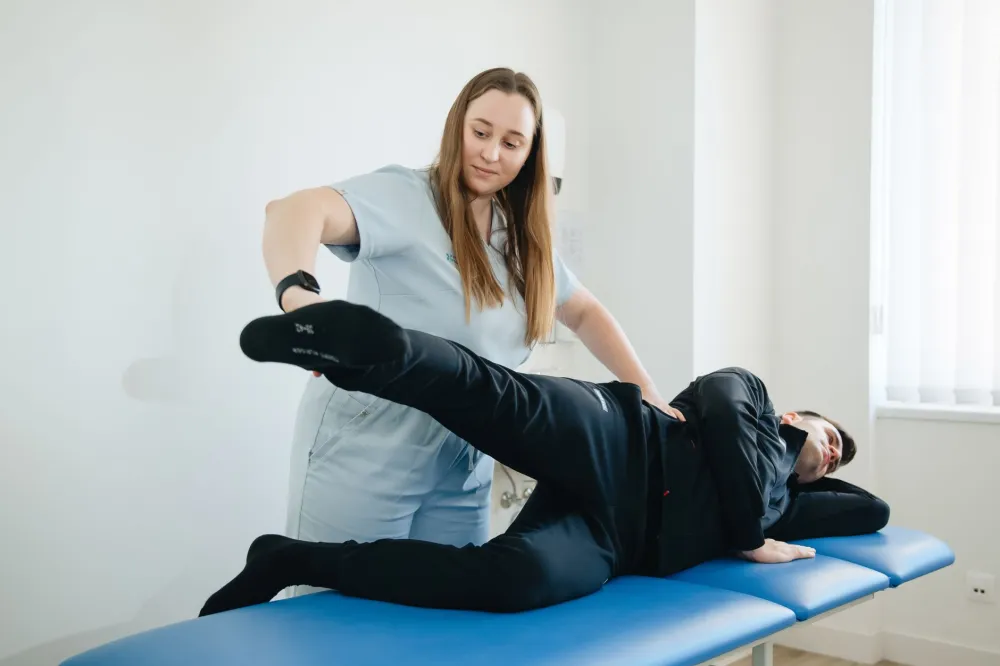
Botox typically isn’t a first-line treatment. Most patients try conservative approaches first, such as medication management, lifestyle adjustments, or physical therapy for the spine and neck, before Botox is considered. That’s a reasonable and medically sound pathway.
Who This Procedure May Not Be Right For
Botox isn’t ideal for everyone. If you have fewer than 15 headache days per month, you typically don’t qualify under current guidelines. People with certain allergies to botulinum toxin products, active infections at injection sites, or specific neuromuscular diseases are generally not good candidates. This is exactly why a thorough consultation matters before treatment begins.

What Happens at Your Plano Appointment?
Knowing what to expect can make the whole experience feel much less daunting. Here’s what the typical journey looks like:
A few helpful questions to ask at your consultation: How many treatment cycles do most patients complete before noticing a change? What should I track between appointments? Are there any activities I should avoid on treatment day?
Now Accepting New Patients
Talk to a Plano Specialist About Head and Neck Pain
Chronic head and neck pain looks different for everyone, and the right treatment plan should reflect that. Dr. Muhammad Arif and the Plano team are here to help you understand your options, call (469) 915-5222 or book a consultation online today.
How Does Botox Compare to Other Migraine Options?
Botox is one of several preventive strategies a pain specialist may recommend for chronic migraines. Here’s how it stacks up against other common approaches:
| Treatment Option | Type | How Often | Best For |
|---|---|---|---|
| Botox injections | Injectable, preventive | Every 12 weeks | 15+ headache days/month, prior treatments insufficient |
| Oral preventive medications | Daily pills | Daily | Early-stage prevention, lower headache frequency |
| Physical therapy | Non-invasive, hands-on | Regular sessions | Neck or posture-related migraine triggers |
| Nerve blocks | Injectable, targeted | As needed or periodic | Localized nerve-related head pain patterns |
| Trigger point injections | Injectable, targeted | Periodic | Muscle tension contributing to headache |
Options like nerve blocks and facet blocks or trigger point injections may also fit into a broader care plan if you’re dealing with complex head and neck pain. Your provider will help identify what combination makes the most sense for your situation.

Chronic Pain and the Broader Health Picture
Chronic pain affects millions of Americans across all walks of life. Veterans in particular often struggle with persistent pain, including chronic headaches and head and neck conditions. When these physical symptoms go untreated, they can worsen anxiety, depression, and sleep problems, making the connection between physical and mental health impossible to ignore.
Whether you’re a veteran, a working professional commuting along the Dallas North Tollway, or anyone else with chronic migraines, the impact on your daily life is real and deserves proper clinical attention. Interventional pain management approaches like Botox for chronic migraines are designed to address the physical side of that challenge with evidence-based, targeted care.
Meet Dr. Muhammad Arif, MD
Dr. Muhammad Arif, MD is an interventional pain management specialist serving patients across all four Spine and Pain Clinic of Texas locations, including Plano. He works with patients dealing with a wide range of chronic pain conditions, including migraines, neck pain, chronic headaches, and more.
Dr. Arif takes time to understand your full clinical picture before recommending a treatment path. He doesn’t believe in one-size-fits-all solutions. If you’re considering Botox for chronic migraines in the Plano area, a consultation with Dr. Arif is a great first step. Patients from Frisco, Allen, McKinney, Richardson, Carrollton, The Colony, Murphy, Wylie, and throughout North Dallas make the short drive to our Plano clinic, which sits conveniently near the President George Bush Turnpike corridor.
Taking the Next Step Toward Relief
Living with chronic migraines is exhausting. The constant anticipation of the next headache, the days lost to pain, the frustration of trying treatments that don’t work. That’s all real, and you deserve clinical care that takes it seriously.
Botox for chronic migraines in Plano, TX is an evidence-based option that may help reduce how often those headaches happen and how much they affect your daily life. The Spine and Pain Clinic of Texas is located conveniently near Legacy West, just minutes from the Dallas North Tollway. If you’re ready to talk about whether this treatment might be right for you, the team is here to help. Visit our Plano pain management clinic page or call (469) 915-5222 to schedule a consultation.
The same expert care is also available at our other Texas locations: Grand Prairie, TX at (469) 680-3886, Longview, TX at (214) 256-3900, and Tyler, TX at (214) 256-3900, so a specialist is within reach no matter where you are in Texas.
Now Accepting New Patients
Ready to Take the Next Step Toward Migraine Relief?
The Spine and Pain Clinic of Texas in Plano serves patients from Frisco, Allen, McKinney, Richardson, and across the Dallas area. Reach out online or call (469) 915-5222 to schedule your consultation and find out if Botox for chronic migraines may help you.
This article is for educational purposes only and is not a substitute for professional medical advice, diagnosis, or treatment. Always consult a qualified healthcare provider about your specific condition. If you experience severe or sudden symptoms, seek emergency care immediately.