
Botox for Chronic Migraines in Plano, TX: What You Should Know First
If you live near Legacy West or travel US-75 daily with a migraine building behind your eyes, you already know how much this condition can steal from your life. Chronic migraines aren’t just bad headaches. They’re a neurological condition that can make work, family, and even basic daily routines feel impossible.
In this guide
- Botox for Chronic Migraines in Plano, TX: What You Should Know First
- How Does Botox for Migraines Actually Work?
- Who Is a Good Candidate for Botox Migraine Treatment?
- What Happens at Your Botox Migraine Appointment?
- Serving Plano, Frisco, Allen, and the North Dallas Area
- Learning About Pain Science
- Taking the Next Step Toward Migraine Relief
- FAQ
Botox is perhaps best known for cosmetic use, but its role in chronic migraine treatment is well established. The U.S. Food and Drug Administration approved onabotulinumtoxinA (Botox) specifically for chronic migraine prevention in 2010. According to the Mayo Clinic, Botox injections for chronic migraines are typically given every 12 weeks and may reduce the number of migraine days for some patients.
Sound familiar with that monthly cycle of pain? Here’s what the procedure generally involves and may offer.
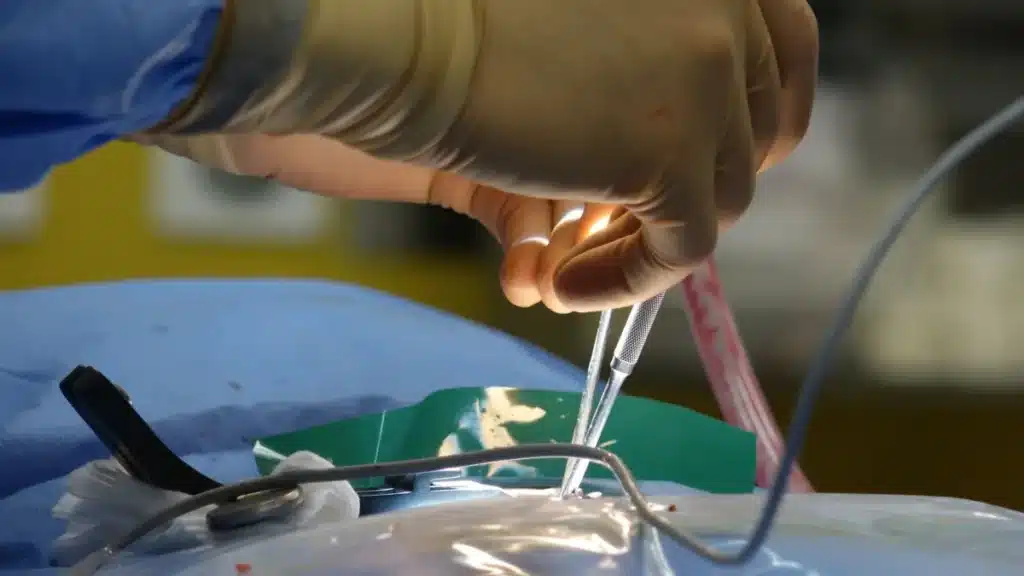
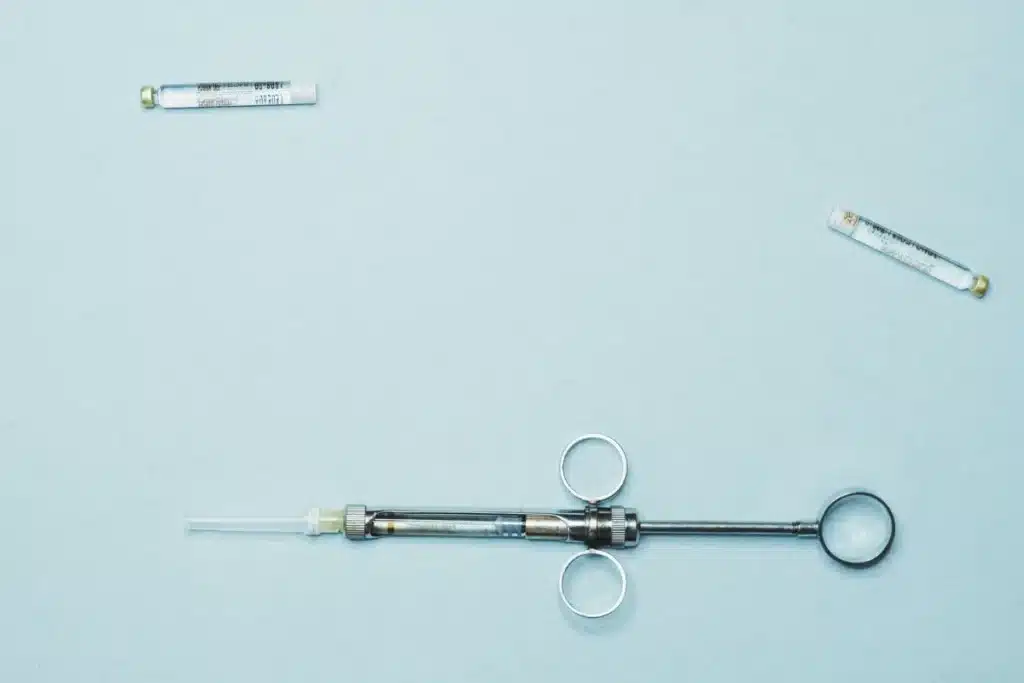
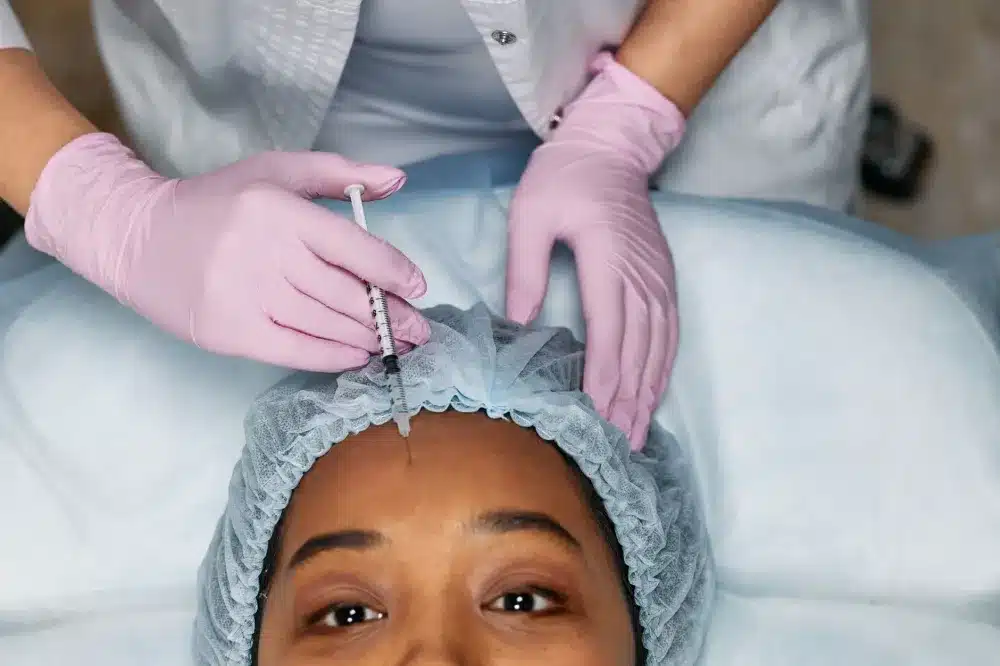
- Targeted injection sites: Small amounts of Botox are typically injected into 31 to 39 sites across seven specific head and neck muscle areas, following an established clinical protocol.
- Nerve signal modulation: The medication is thought to block the release of certain neurotransmitters involved in pain transmission, potentially reducing migraine frequency for some patients.
- Minimal downtime: The injection session itself often takes 15 to 30 minutes and is generally performed as an outpatient procedure, meaning no overnight hospital stay.
- Repeat treatment cycle: Results, when they occur, are typically seen after two to three treatment rounds, with sessions scheduled roughly every 12 weeks.
- Tension headache overlap: Some patients who experience tension-type headaches alongside chronic migraines report that Botox may also help with that component of their head pain, though individual responses vary.
How Does Botox for Migraines Actually Work?
Botox works by temporarily blocking acetylcholine, a chemical messenger that triggers muscle contractions, and interfering with certain pain-signaling pathways. For chronic migraine sufferers, this matters because research suggests that sensitized nerve fibers around the scalp and neck play a central role in how migraine attacks start and continue.
When injected into specific muscles of the forehead, temples, back of the head, neck, and shoulders, onabotulinumtoxinA may reduce the activity of those sensitized nerve endings. The National Institutes of Health (NIH) notes that preventive migraine therapies like this are aimed at reducing the frequency and severity of attacks rather than stopping an individual headache once it has started.
This is an important distinction: Botox for migraines is a preventive treatment, not a rescue medication. It’s typically considered for patients who experience chronic migraines and haven’t found adequate relief from oral preventive medications, or who can’t tolerate those medications.
For patients also dealing with frequent tension headaches, the neck and shoulder injection sites may offer some additional benefit, since those muscles are often involved in tension-type pain. An interventional pain specialist can help clarify whether your specific headache pattern makes you a good candidate for this approach.
Now Accepting New Patients
Explore Botox for Migraines in Plano Today
If you’re dealing with frequent migraines or tension headaches near Legacy West, a consultation with our Plano team can help you understand whether Botox may be a fit for your situation. Call (469) 915-5222 or visit our Plano location page to get started.
Who Is a Good Candidate for Botox Migraine Treatment?
Botox for chronic migraines is generally considered appropriate for adults who experience 15 or more headache days per month, with at least 8 of those qualifying as migraines. Beyond that basic threshold, candidacy depends on your medical history, current medications, and whether other preventive treatments have been tried.
Patients who may benefit most tend to share a few characteristics. They’ve tried at least one or two oral preventive medications, such as beta-blockers or certain antidepressants, without satisfactory results or with problematic side effects. They aren’t pregnant or planning to become pregnant, since Botox use during pregnancy isn’t recommended. They’re also looking for a treatment that doesn’t add to their daily pill burden.
On the other hand, this treatment isn’t ideal for everyone. Patients with certain neuromuscular disorders, infections at proposed injection sites, or known hypersensitivity to botulinum toxin products are generally not candidates. A thorough consultation is the only reliable way to determine whether Botox makes sense for your specific situation.
Here’s a quick comparison of preventive migraine approaches a specialist might discuss with you:

What Happens at Your Botox Migraine Appointment?
Most patients are pleasantly surprised by how straightforward the appointment is. The entire injection session typically takes 15 to 30 minutes once your provider has reviewed your headache diary and confirmed the treatment plan.
Here’s what the typical process looks like at the Plano clinic:
Dr. Muhammad Arif, MD, an interventional pain management specialist serving all four Spine and Pain Clinic of Texas locations, works with patients to build individualized care plans. Rather than one-size-fits-all treatment, the consultation process is designed to match options to each patient’s specific history and goals.
Now Accepting New Patients
Ready to Discuss Your Migraine Care Options?
Our Plano clinic, easily accessible from the Dallas North Tollway, typically offers same-week consultations for new patients. Reach out at (469) 915-5222 to ask about Botox for chronic migraines and what the process looks like for you.
Serving Plano, Frisco, Allen, and the North Dallas Area
The Plano clinic is conveniently located for patients throughout the northern Dallas-Fort Worth area. Whether you’re commuting along the Dallas North Tollway, heading in from Frisco, or driving down from McKinney, the clinic is designed to be accessible for the communities it serves.
Patients regularly come to the Plano location from Frisco, Allen, McKinney, Richardson, Carrollton, The Colony, Murphy, and surrounding communities in the North Dallas area. If you’ve been searching for a pain clinic near me or a pain management specialist in Plano, TX, the team here is experienced in exactly this kind of care.
Patients living near the President George Bush Turnpike corridor or the Downtown Plano Arts District will find the clinic within a short drive. The clinic typically sees new patients for consultations quickly, so waiting months for a first appointment is generally not what you’ll experience here.
Alongside Botox for migraines, the clinic offers a broad range of injections and nerve blocks, headache management, medication management, and other minimally invasive procedures for a wide range of pain conditions. Dr. Arif and the team also treat patients dealing with related issues like neck pain and back pain that often accompany chronic headache conditions.
Learning About Pain Science
Many pain experts recommend that their patients read about pain science and the brain’s role in pain perception. Early research suggests that understanding how pain works can help some patients feel less overwhelmed by their symptoms and more engaged in their care.
That said, self-education isn’t a replacement for a proper clinical evaluation. If chronic migraines are your primary concern, working with a specialist who can assess your specific situation and discuss evidence-based options like Botox is the most direct path forward. Reading and self-education work best when they complement, not replace, medical treatment.

Taking the Next Step Toward Migraine Relief
Living with chronic migraines is exhausting. The anticipation of the next attack, the days lost to pain and sensitivity, the way it ripples into everything else, these deserve serious, specialized attention. Botox for chronic migraines is an FDA-approved preventive option that a qualified interventional pain specialist can evaluate you for, and it may help reduce how often migraines occur for patients who are good candidates.
The team at Spine and Pain Clinic of Texas in Plano is accepting new patients for Botox migraine consultations. The clinic is just minutes from the Dallas North Tollway and serves patients throughout the greater Plano area, including Frisco, Allen, McKinney, Richardson, and surrounding communities. Dr. Muhammad Arif, MD, and the team are ready to walk you through your options in a straightforward, no-pressure consultation.
Call (469) 915-5222 to schedule your consultation, or visit the Plano location page to learn more and book online.
The same specialized care is also available at the clinic’s other Texas locations: Grand Prairie, TX at (469) 680-3886, Longview, TX at (214) 256-3900, and Tyler, TX at (214) 256-3900.
Now Accepting New Patients
Take the Next Step Toward Migraine Relief in Plano
The team at Spine and Pain Clinic of Texas in Plano is here to walk you through your options. Book a consultation at spinenpain.org/plano-tx/ or call (469) 915-5222 today.
This article is for educational purposes only and is not a substitute for professional medical advice, diagnosis, or treatment. Always consult a qualified healthcare provider about your specific condition. If you experience severe or sudden symptoms, seek emergency care immediately.