
Hip bursitis can turn ordinary things, getting out of a car, climbing stairs, or sleeping on your side, into sources of real, nagging pain. If you live near US-75 in Plano or anywhere in the surrounding Dallas-Fort Worth communities, you may not have to keep relying solely on rest and over-the-counter medications. A hip joint injection is one minimally invasive option that a qualified pain specialist may recommend to help reduce inflammation and improve comfort when other approaches haven’t been enough.
In this guide
- What Is Hip Bursitis and Why Does It Hurt?
- What Does a Hip Joint Injection Involve?
- Who May Be a Good Candidate?
- How the Procedure Works, Step by Step
- Conservative Care vs. Hip Joint Injection
- What Recovery Typically Looks Like
- Questions to Ask Your Provider
- Why the Spine and Pain Clinic of Texas in Plano
- Taking the Next Step Toward Relief
- FAQ
What Is Hip Bursitis and Why Does It Hurt?
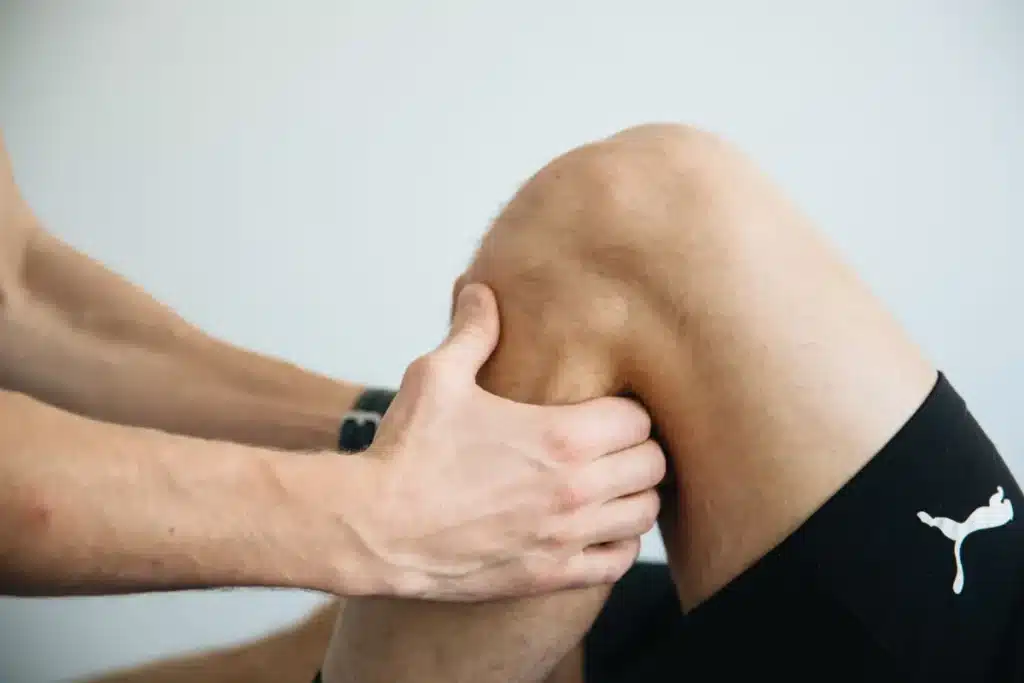
Hip bursitis is inflammation of the bursa, a small fluid-filled sac that normally cushions bones and soft tissues around the hip joint. When that sac becomes irritated or swollen, it can cause sharp or aching pain on the outer hip, thigh, or even into the buttock area. Sound familiar?
The condition is common among active adults, people who stand or walk for long periods, and those with certain structural differences in their hips or spine. According to the Mayo Clinic, the most frequently affected bursa is the trochanteric bursa, which sits over the greater trochanter, the bony point on the outside of your upper thigh. Inflammation there can make lying on the affected side at night nearly impossible.
Conservative treatments like rest, ice, anti-inflammatory medications, and physical therapy are often the first line of care. But when those steps aren’t providing enough relief, an interventional option like a hip joint injection may be worth discussing with your care team.
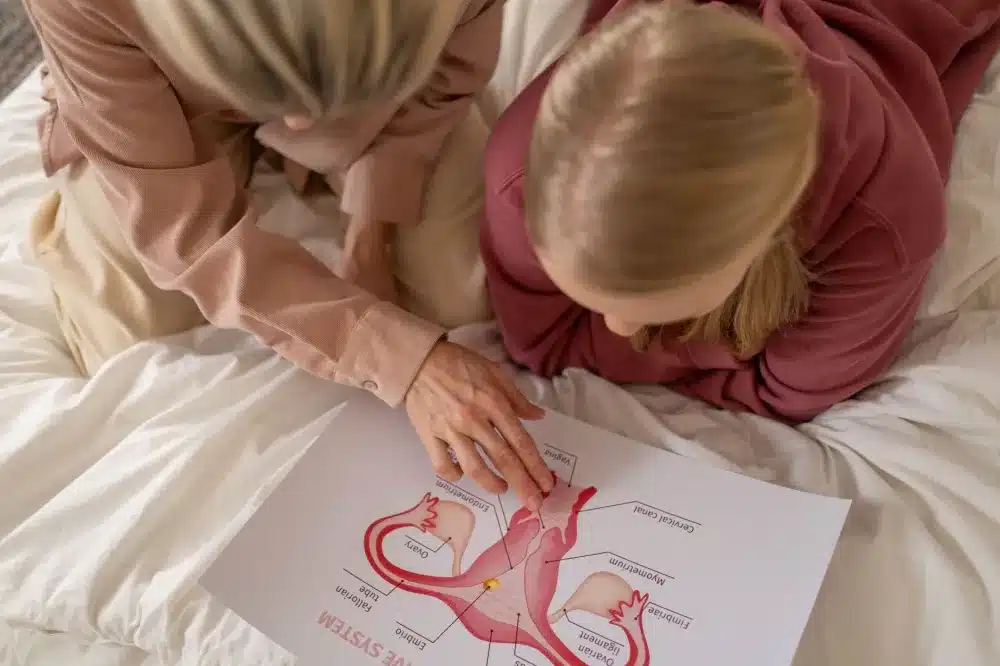
What Does a Hip Joint Injection Involve?
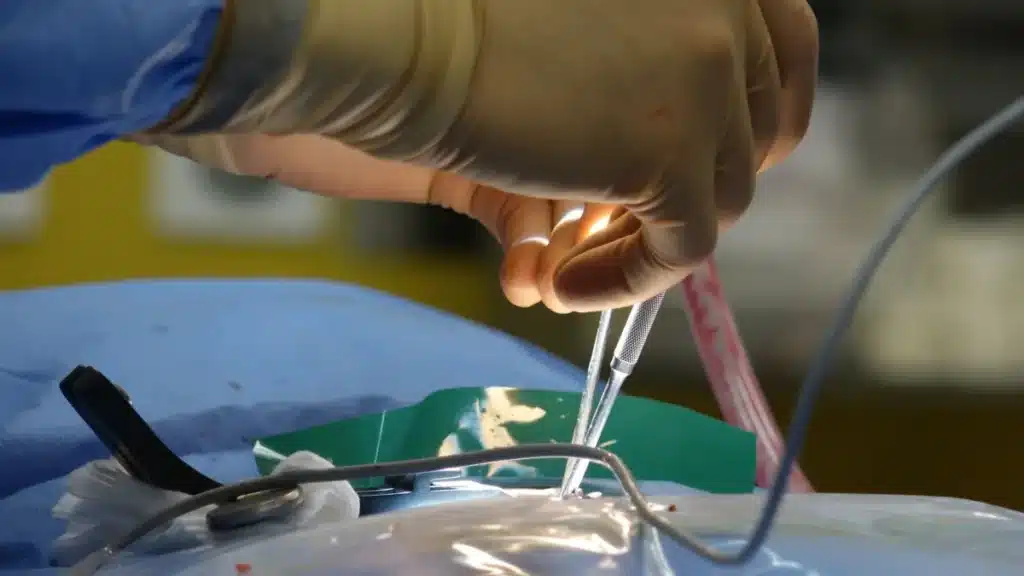
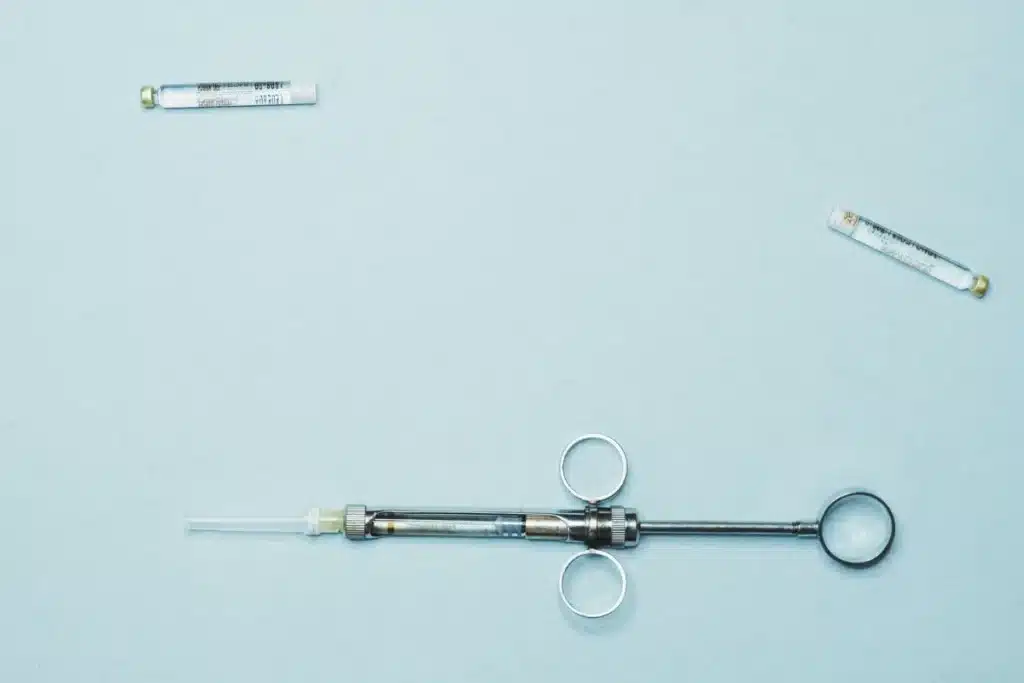
A hip joint injection is a targeted, outpatient procedure designed to deliver medication precisely where it’s needed inside or near the hip joint. Here’s what the procedure typically involves, in plain terms:
- Targeted corticosteroid delivery: A corticosteroid (a powerful anti-inflammatory medication) is typically injected directly into the affected area to help reduce swelling in the bursa.
- Local anesthetic component: A local anesthetic (numbing medicine) is often included, which may provide faster, shorter-term comfort while the steroid takes effect.
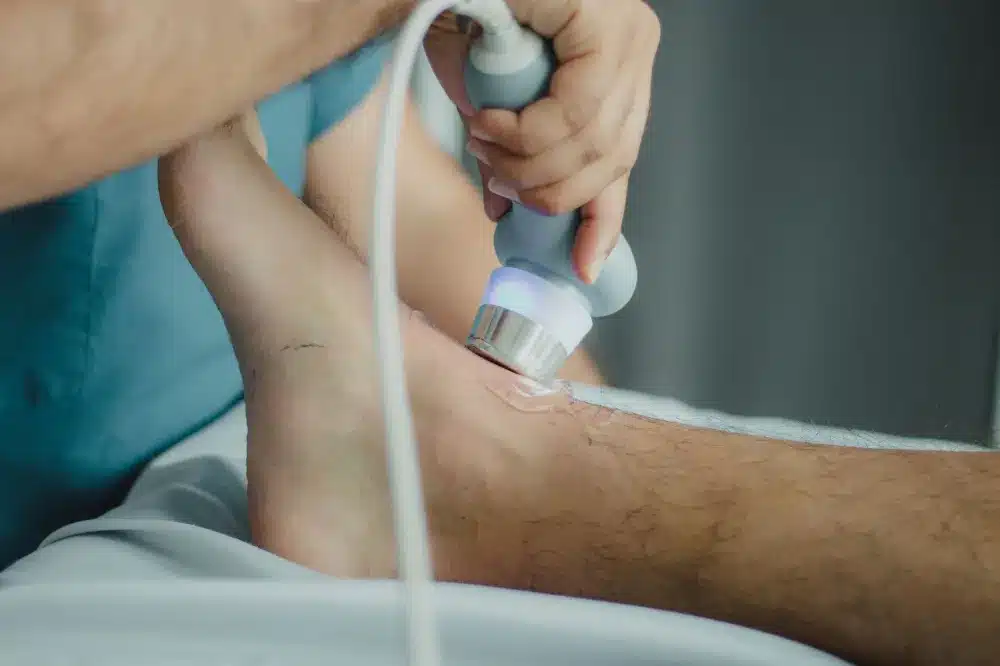
- Image guidance for precision: Many providers use ultrasound or fluoroscopy (real-time X-ray imaging) to guide needle placement accurately.
- Short procedure time: The injection itself often takes about 15 to 30 minutes from start to finish, though your overall appointment will be longer to allow for preparation and observation.
- Outpatient setting: Most patients are able to go home the same day, typically within a couple of hours of the procedure.
This procedure is designed to help manage symptoms and reduce inflammation. It is not a surgical fix, and individual responses vary. Many patients report meaningful improvement, but outcomes depend on factors like the severity and cause of the bursitis, overall health, and how the body responds to medication.
Who May Be a Good Candidate?
A hip joint injection for bursitis may be appropriate for patients who have persistent hip pain that hasn’t responded adequately to conservative care. Your provider will evaluate your full picture before making any recommendation.
You may be a candidate if you’ve had hip pain for several weeks or longer, tried rest, ice, physical therapy, or oral anti-inflammatory medications with limited results, and received a diagnosis or clinical suspicion of hip bursitis through physical exam, X-ray, or MRI. Patients who need to manage pain while participating in therapeutic exercises to strengthen the hip and surrounding muscles may also benefit from reduced pain during that rehab period.
On the other hand, this procedure is generally not ideal for everyone. Patients with active infection near the injection site, uncontrolled diabetes (since corticosteroids can temporarily raise blood sugar), a known allergy to the medications used, or those who are pregnant will typically need a different approach. That’s a conversation to have directly with your pain specialist, who can review your medical history and imaging.
Patients in Frisco, Allen, McKinney, Richardson, Carrollton, The Colony, Murphy, and throughout North Dallas are all within a short drive of the Plano clinic via the Dallas North Tollway or the President George Bush Turnpike.
Now Accepting New Patients
Explore Hip Injection Options in Plano Today
If hip bursitis is slowing you down near Legacy West or anywhere along US-75, a consultation at our Plano clinic may help you understand your options. Call (469) 915-5222 or visit our Plano location page to request an appointment.
How the Procedure Works, Step by Step
Knowing what to expect on procedure day can ease a lot of anxiety. Every clinic and patient is a little different, but here’s a general sense of what the process typically looks like.
Conservative Care vs. Hip Joint Injection
Understanding how a hip joint injection fits into the broader treatment landscape can help you have a more informed conversation with your doctor. The table below offers a general comparison of common approaches for hip bursitis. Always discuss individual suitability with a qualified provider.
| Treatment Option | Type | Typical Setting | Onset of Effect | Key Consideration |
|---|---|---|---|---|
| Rest and ice | Conservative | Home | Days to weeks | First-line; may not resolve chronic bursitis |
| Oral anti-inflammatories (NSAIDs) | Conservative | Home / pharmacy | Hours to days | GI and kidney effects with long-term use |
| Physical therapy | Conservative | Clinic / home | Weeks | Builds strength; often used alongside injections |
| Hip joint injection | Minimally invasive | Outpatient clinic | Days (steroid) to immediate (anesthetic) | Targeted; requires provider evaluation first |
| Surgery | Surgical | Hospital / surgical center | Weeks to months | Typically reserved for cases unresponsive to other options |
What Recovery Typically Looks Like
Recovery from a hip joint injection is generally straightforward for most patients, though individual experiences vary. The local anesthetic included in the injection may provide some immediate comfort, which can then wear off before the corticosteroid begins working. That temporary return of discomfort in the first day or two is normal and expected.
Most providers recommend taking it easy for 24 to 48 hours after the procedure. That means avoiding strenuous physical activity, heavy lifting, and prolonged standing or walking during that window. After that initial period, many patients are able to gradually return to normal activities as comfort allows, guided by their care team’s instructions.
The duration of relief a hip joint injection may provide varies from person to person and depends on the underlying cause and severity of the bursitis. Some patients report improvement lasting several weeks or months. Others may benefit from a series of injections, though the total number recommended is typically limited to avoid potential side effects from repeated corticosteroid exposure. Your provider will discuss what a reasonable plan looks like for your specific situation.

For patients whose bursitis is related to or complicated by other musculoskeletal factors, such as broader hip pain conditions, degenerative arthritis, or even sacroiliac joint pain, the care team may recommend a more comprehensive approach. The clinic’s full range of injections and nerve blocks means there are often multiple options worth discussing.
Now Accepting New Patients
Ready to Discuss Hip Pain Relief in Plano?
Our Plano team, including interventional pain management specialist Dr. Muhammad Arif, MD, is ready to help you find a path forward. Call (469) 915-5222 or book a consultation online today.
Questions to Ask Your Provider
Walking in prepared can make a real difference. Here are practical questions worth asking before agreeing to any procedure:
- What imaging do I need first? An X-ray or MRI may help confirm the diagnosis and rule out other causes of hip pain.
- What medication will be used? Ask specifically which corticosteroid and anesthetic are planned and whether you have any reason to avoid them.
- How will the injection be guided? Ultrasound or fluoroscopy guidance is commonly used to improve placement accuracy.
- How many injections might I need? Understand whether a single injection is the plan or whether a series is being recommended.
- What should I do if my pain worsens? Know the after-hours protocol and what symptoms should prompt an urgent call.
- Will this affect my other treatments? If you’re taking blood thinners or managing diabetes, the corticosteroid may require coordination with your primary care provider.
Why the Spine and Pain Clinic of Texas in Plano
Choosing where to seek care for hip bursitis is a real decision. The Spine and Pain Clinic of Texas in Plano focuses specifically on interventional pain management, meaning the team is centered on targeted, non-surgical approaches for conditions like hip bursitis before considering more invasive options.
Dr. Muhammad Arif, MD, an interventional pain management specialist serving all four Texas clinic locations, works with patients across the Plano area to evaluate whether procedures like hip joint injections are appropriate and to develop individualized care plans. His approach reflects a clinic culture that prioritizes understanding each patient’s specific situation before recommending any intervention.
The Plano clinic is conveniently located for residents commuting along the Dallas North Tollway or driving in from the Downtown Plano Arts District area, and serves patients from communities throughout North Dallas and Collin County. Whether you’re coming from West Plano, over from Far North Dallas, or up from The Colony, the clinic is set up to make your visit as straightforward as possible. As of August 2026, the clinic is currently accepting new patients and can typically schedule consultations without a long wait.

For patients who would prefer to explore minimally invasive procedures or who are curious about related options like joint injections for knee, hip, and shoulder pain, the clinic offers a range of services designed to address musculoskeletal pain without immediately jumping to surgery.
Taking the Next Step Toward Relief
Living with hip bursitis doesn’t have to mean giving up the activities you value. It does mean getting an accurate assessment and understanding your options clearly. If you’ve tried rest, over-the-counter medications, or physical therapy without enough relief, a hip joint injection may be worth a conversation with a qualified pain specialist.
The Spine and Pain Clinic of Texas in Plano is here to help patients in Plano, Frisco, Allen, McKinney, Richardson, Carrollton, Murphy, Wylie, and throughout the North Dallas corridor find a path forward that fits their health, lifestyle, and goals. The clinic sits within easy reach of the Legacy West area and The Shops at Legacy, making it a practical destination whether you’re driving in along US-75 or approaching from the Dallas North Tollway.
To learn more or to request a consultation with Dr. Muhammad Arif, MD, visit the Plano clinic page or call (469) 915-5222 today. Same-week consultations may be available.
Now Accepting New Patients
Take the Next Step Toward Hip Comfort in Plano
You don’t have to keep managing hip bursitis on your own. Reach out to the Spine and Pain Clinic of Texas in Plano, TX to schedule a consultation and learn whether a hip joint injection may be right for you.
The same specialized care is also available at the clinic’s other Texas locations: Grand Prairie, TX at (469) 680-3886, Longview, TX at (214) 256-3900, and Tyler, TX at (214) 256-3900, so patients across the state can access the same quality of interventional pain management care close to home.
This article is for educational purposes only and is not a substitute for professional medical advice, diagnosis, or treatment. Always consult a qualified healthcare provider about your specific condition. If you experience severe or sudden symptoms, seek emergency care immediately.