
Severe chronic pain doesn’t just hurt. It takes over your sleep, your work, your relationships, and your sense of self. If you live near Legacy West or drive along US-75 (Central Expressway) in Plano, and you’ve tried medications, injections, and physical therapy without real relief, you might be wondering what else is left.
In this guide
- What Does an Intrathecal Pain Pump Actually Do?
- Who May Be a Candidate for This Treatment?
- Who This Approach May NOT Be Ideal For
- How Does the Intrathecal Pain Pump Procedure Work?
- What to Expect During Recovery
- How Does This Compare to Other Pain Management Options?
- Questions to Ask at Your Consultation
- Why Choose Spine and Pain Clinic of Texas in Plano?
- Taking the Next Step Toward Relief
- FAQ
There is a path forward. You don’t have to start from scratch. An intrathecal pain pump, sometimes called a spinal drug delivery system, is a proven interventional option for people whose pain has proven genuinely stubborn to control. It’s not right for everyone, but for the right candidate, it can offer meaningful relief.
What Does an Intrathecal Pain Pump Actually Do?
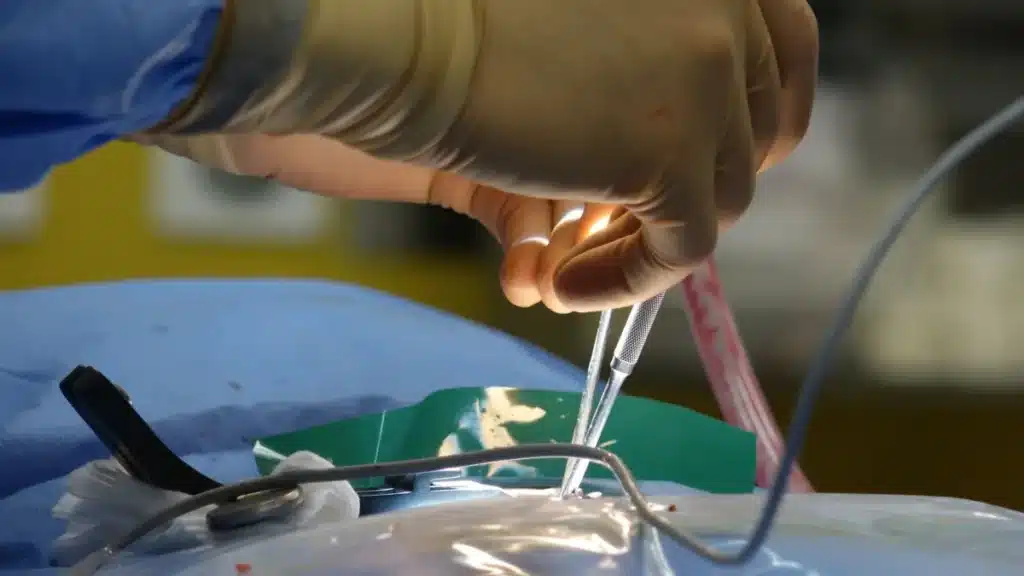
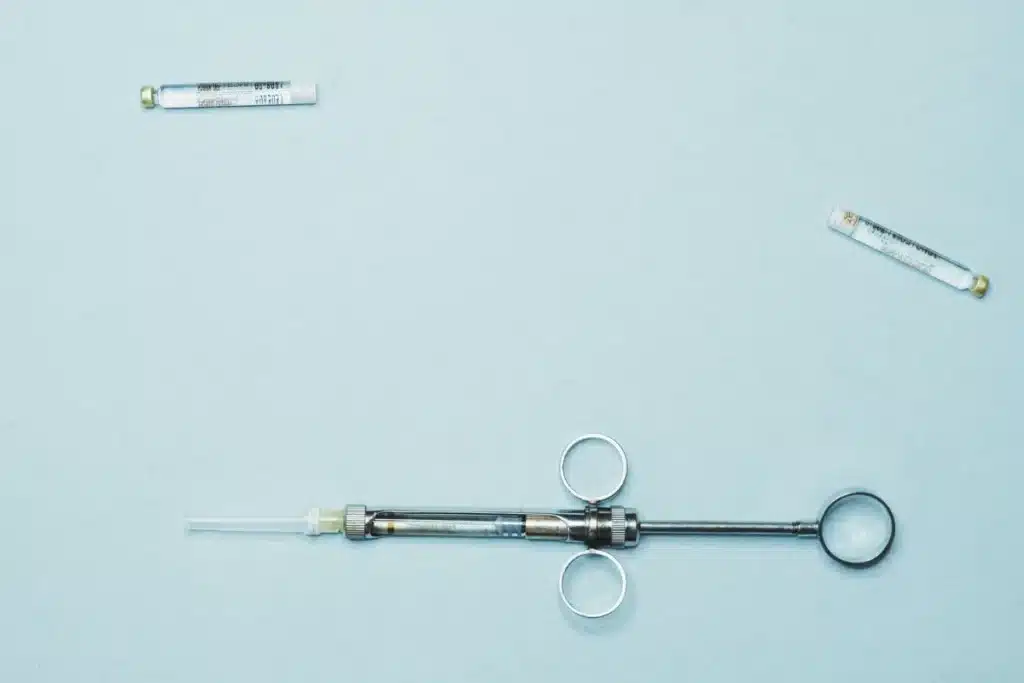
An intrathecal pain pump is a small, programmable device implanted under your skin, usually in the abdomen, that continuously delivers pain medication into the intrathecal space, which is the fluid-filled area surrounding your spinal cord and nerve roots. Because the medication reaches pain-signaling pathways directly, it often works at doses significantly lower than what you’d swallow by mouth. That can mean fewer side effects for some patients.
Here’s what the pump and procedure offer in plain terms:
- Targeted delivery: Medication goes straight to the intrathecal space near the spinal cord instead of traveling through your whole bloodstream first.
- Lower medication doses: Many patients need far smaller amounts of medication compared to taking pills, which may reduce side effects for some individuals.
- Programmable settings: Your care team can adjust the pump without surgery using an external programmer, fine-tuning your care over time.
- Designed for severe, hard-to-treat pain: This approach is commonly considered for patients whose pain hasn’t responded adequately to other treatments.
- Reversible option: Unlike some surgical interventions, the pump can be removed or adjusted if your situation changes.
According to the Mayo Clinic, intrathecal drug delivery is recognized as an option for managing certain types of severe chronic pain, including cancer pain and non-cancer spinal conditions, when other approaches have not provided sufficient relief.

Who May Be a Candidate for This Treatment?
Candidacy for an intrathecal pain pump is determined through careful evaluation, not a quick checklist. Your doctor will look at your diagnosis, treatment history, and overall health before making a recommendation.
You may be a potential candidate if you’ve been living with severe chronic pain caused by conditions such as:
- Failed back surgery syndrome, sometimes called failed spine surgery, where pain persists after one or more spinal procedures
- Complex regional pain syndrome (CRPS), a condition involving intense, often burning pain in a limb or region
- Neuropathy, or nerve-related pain that hasn’t responded to standard medications
- Cancer pain that is difficult to control with oral or patch-based medications
- Severe, refractory back pain or sciatica that has not responded to conservative treatments
You typically need to have already tried more conservative options first. That might include physical therapy for the spine, epidural steroid injections (anti-inflammatory medication delivered near spinal nerves), and medication management without achieving adequate pain control. The pump is not a first-line treatment. It’s considered after those paths have been genuinely explored.
Who This Approach May NOT Be Ideal For
Honest information matters when you’re making a serious medical decision. An intrathecal pain pump is not appropriate for everyone. Patients with active infections, certain bleeding disorders, an allergy to the intended medication, or who are not medically stable for surgery may not be good candidates. Psychological readiness and realistic expectations also matter, which is why a thorough pre-implant evaluation typically includes a psychological or behavioral health assessment.
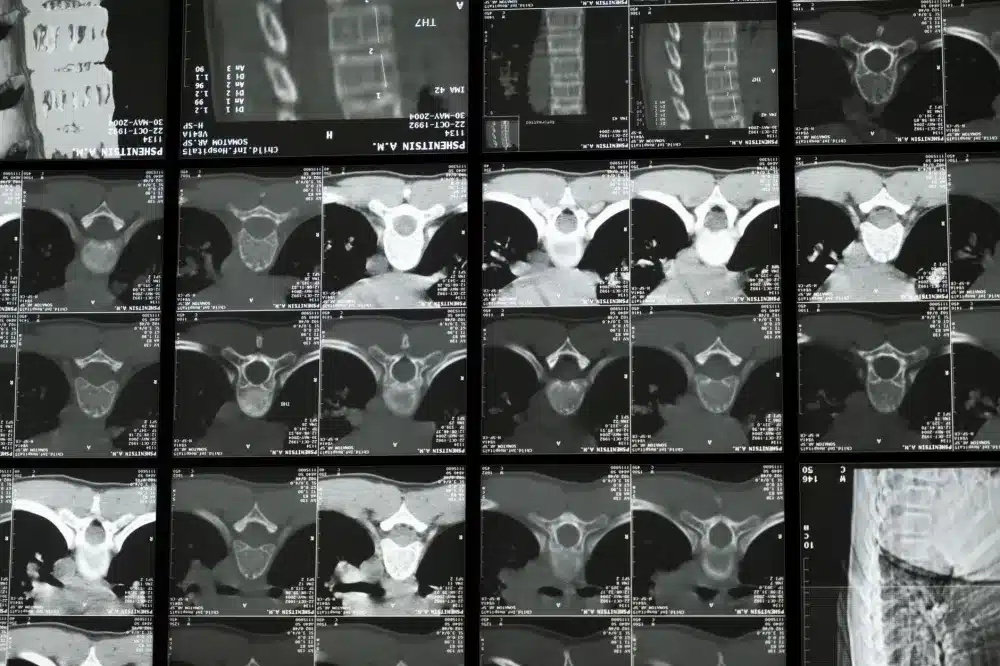
Your spine and pain specialist will review your full medical history, imaging such as MRI or X-rays, and prior treatment records before recommending this path. The goal is always to find the most appropriate option for your specific situation.
Now Accepting New Patients
Ask About Pain Pump Options in Plano, TX
If you’re living with severe chronic pain and conservative treatments haven’t been enough, a consultation at our Plano clinic may help clarify whether an intrathecal pain pump is appropriate for your situation. Call (469) 915-5222 or visit our <a href=’https://spinenpain.org/plano-tx/’>Plano location page</a> to request a same-week appointment.
How Does the Intrathecal Pain Pump Procedure Work?
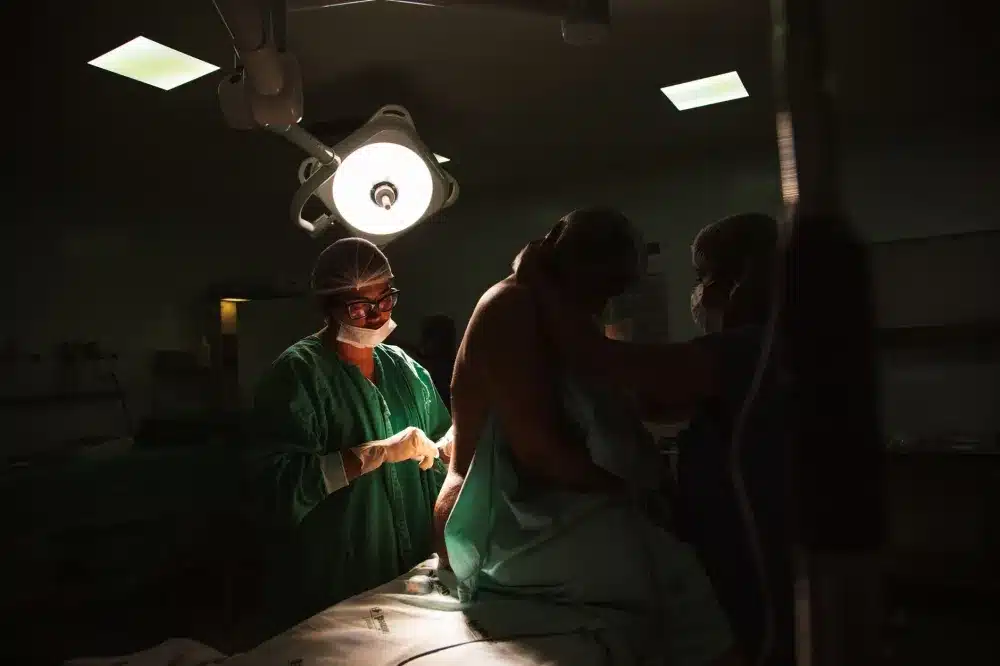
The implantation process involves two main components: the pump itself and a thin, flexible catheter (a small tube) that carries medication from the pump to the intrathecal space around your spinal cord. Here’s a general overview of how the process typically unfolds:
The National Institutes of Health (NIH) recognizes intrathecal drug delivery as an established option in the management of refractory chronic pain conditions, particularly when systemic medications have proven insufficient or caused intolerable side effects.
What to Expect During Recovery
Recovery from pump implantation is generally manageable for most patients, though it varies by individual. In many cases, patients spend one night in a monitored setting and then go home the next day, though some procedures are completed on an outpatient basis. Your care team will give you specific post-procedure guidance based on your situation.
During the first few weeks, you’ll likely be advised to limit bending, twisting, and strenuous activity to allow the implant site to heal properly. Most patients in the Plano area, whether they’re coming from Allen, McKinney, or Carrollton, find that they can return to light daily activities within a couple of weeks, though everyone’s timeline is different.
Follow-up visits are an important part of this therapy. Your pain management specialist will monitor your response, adjust pump settings as needed, and schedule regular refill appointments. Think of it less like a one-and-done fix and more like an ongoing partnership with your care team.
A comparison of what to expect across different stages helps with planning:
| Phase | Typical Timeframe | What’s Happening | Activity Level |
|---|---|---|---|
| Trial Phase | Days to 1 week | Temporary delivery to assess response | Limited, monitored |
| Implantation | Procedure day | Pump and catheter placed surgically | Rest required |
| Early Recovery | Weeks 1-4 | Incision healing, settings adjusted | Light activity only |
| Ongoing Management | Months to years | Regular refills and programming | Gradually resumed |
Now Accepting New Patients
Explore Chronic Pain Relief Options Near You
Recovery and next steps look different for every patient. If you have questions about what life with a pain pump could look like, the team at Spine and Pain Clinic of Texas is ready to walk you through the process. Call (469) 915-5222 to get started.
How Does This Compare to Other Pain Management Options?
An intrathecal pain pump sits toward the more advanced end of the pain management spectrum. Most patients will have tried a range of conservative and interventional options before reaching this point. Understanding where it fits helps set realistic expectations.
One closely related device worth knowing about is the spinal cord stimulator (SCS), which uses mild electrical impulses rather than medication to interrupt pain signals before they reach your brain. Both the pain pump and the spinal cord stimulator are considered minimally invasive implanted devices, and both go through a trial phase before permanent placement. The choice between them, or whether either is appropriate, depends on your specific diagnosis, anatomy, and how you’ve responded to prior treatments. Your specialist will help determine which direction makes the most sense for you.
| Treatment | How It Works | Typical Use Case | Reversible? |
|---|---|---|---|
| Physical Therapy | Exercise and movement | Mild to moderate pain | N/A |
| Epidural Steroid Injection | Anti-inflammatory near nerves | Nerve inflammation, disc pain | Yes |
| Spinal Cord Stimulator | Electrical impulses to nerves | Neuropathic, back/leg pain | Yes |
| Intrathecal Pain Pump | Medication to spinal fluid | Severe refractory chronic pain | Yes |

Questions to Ask at Your Consultation
Walking into a pain management consultation can feel overwhelming, especially when chronic pain has worn you down over months or years. Having a few questions ready helps you make the most of your time and leave with a clearer picture. Consider asking:
- Am I a good candidate for the trial phase based on my history and imaging?
- What medications are typically used in the pump for my type of pain?
- How often would I need to come in for refills and programming adjustments?
- What happens if the pump needs to be removed or replaced?
- Will my insurance likely cover this, and can the clinic help me verify my benefits?
- What results have other patients with my condition generally experienced?
Why Choose Spine and Pain Clinic of Texas in Plano?
Patients searching for a pain specialist in Plano, TX deserve a care team that takes their history seriously and explains every step without talking down to them. That’s the approach at Spine and Pain Clinic of Texas, where Dr. Muhammad Arif, MD, an interventional pain management specialist, serves patients across all four Texas clinic locations.
Dr. Arif’s approach to intrathecal pump therapy centers on thorough evaluation before any recommendation is made. If conservative options haven’t worked for you, or if you’re arriving with a complex history, that history matters in shaping the right next step. The Plano clinic is easily accessible from the Dallas North Tollway and serves patients from across the northern Dallas-Fort Worth corridor, including those coming from Frisco, Richardson, Murphy, The Colony, and surrounding communities.
The clinic typically offers same-week consultations for patients dealing with severe or unmanaged pain. You shouldn’t have to wait weeks just to talk to someone about your options.
Taking the Next Step Toward Relief
Living with severe chronic pain is genuinely hard. It’s not about pushing through or a mindset problem. When medications aren’t working well enough, when injections have provided only temporary relief, and when everyday life is still being shaped by pain, it may be time to explore what an intrathecal pain pump could offer for your specific situation.
Spine and Pain Clinic of Texas in Plano is just a short drive from the area along the President George Bush Turnpike, where that conversation can start. Dr. Muhammad Arif and the clinical team are here to review your case, explain your options honestly, and help you decide whether this path makes sense for you.
Call (469) 915-5222 to schedule a consultation at our Plano, TX location, or book online at your convenience. You don’t have to figure this out alone.
The same high standard of interventional pain care is also available at our other Texas clinics: Grand Prairie, TX at (469) 680-3886, Longview, TX at (214) 256-3900, and Tyler, TX at (214) 256-3900, so patients across the state can access care close to home.
Now Accepting New Patients
Ready to Talk to a Pain Specialist in Plano?
You don’t have to keep managing severe chronic pain on your own. Schedule a consultation with our Plano team, conveniently located near the Dallas North Tollway, by calling (469) 915-5222 or booking online at <a href=’https://spinenpain.org/plano-tx/’>spinenpain.org/plano-tx</a>.
This article is for educational purposes only and is not a substitute for professional medical advice, diagnosis, or treatment. Always consult a qualified healthcare provider about your specific condition. If you experience severe or sudden symptoms, seek emergency care immediately.