
That tight, burning knot in your neck or upper back has been there for weeks. Stretching helps a little. Heat helps a little. But the moment you sit back at your desk or get back in the car, it’s right there again. Sound familiar?
In this guide
- What Are Muscle Knots and Myofascial Pain?
- What Do Trigger Point Injections Involve?
- How Does the Injection Work?
- Who Might Be a Good Candidate?
- What to Expect at Your Appointment
- Recovery and What Comes After
- Questions to Ask at Your Consultation
- Care for Myofascial Pain in Plano, TX
- Taking the Next Step Toward Relief
- FAQ
What Are Muscle Knots and Myofascial Pain?
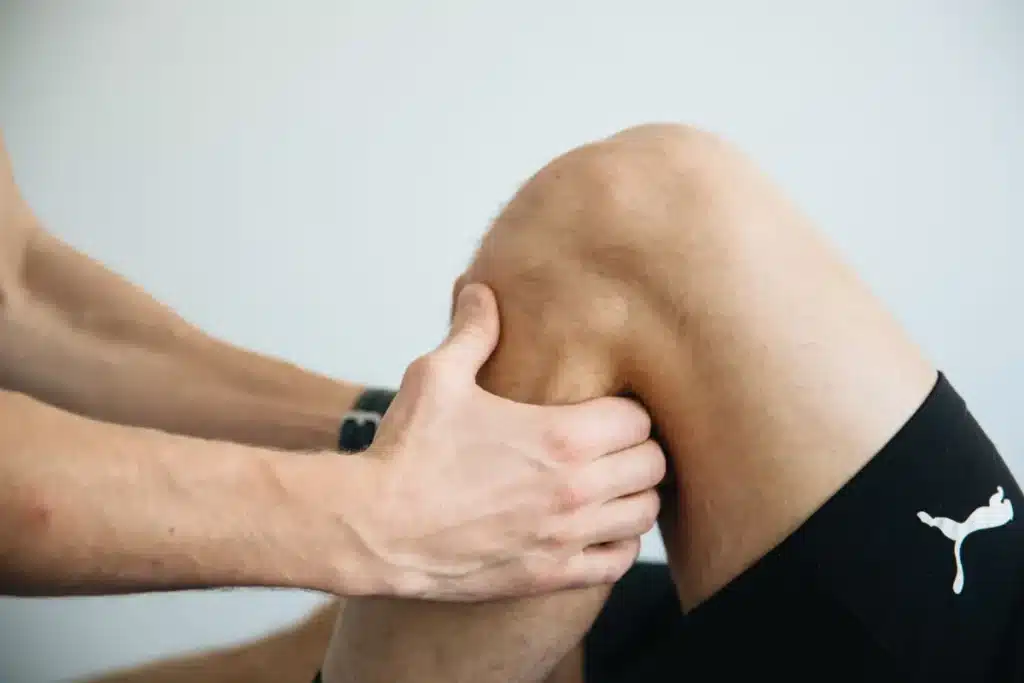
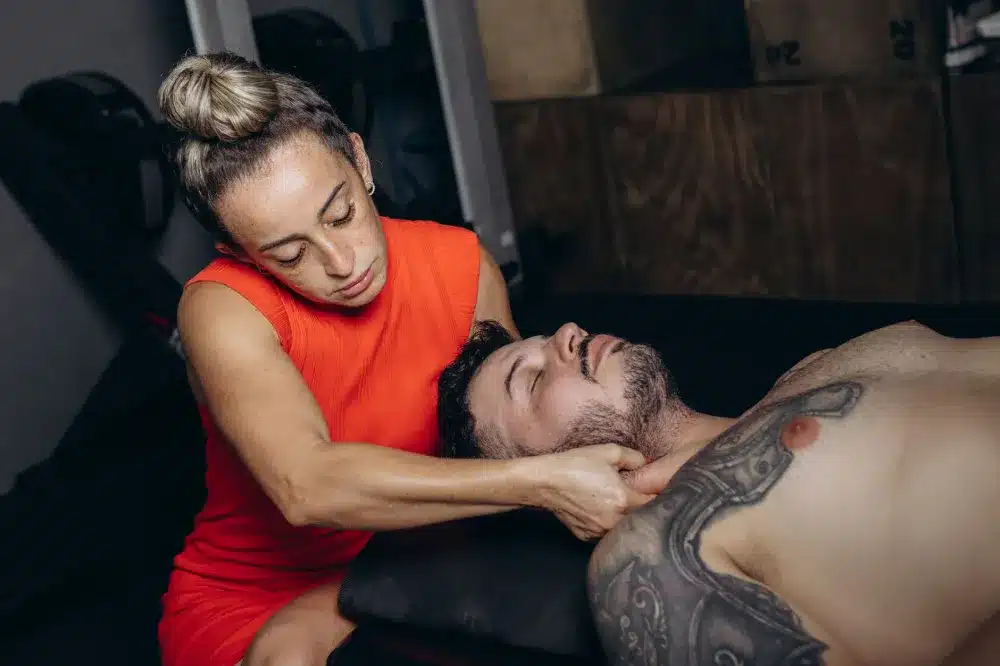
Myofascial pain syndrome is a chronic muscle pain condition caused by trigger points, which are tight, hypersensitive spots within a muscle or the connective tissue surrounding it. In plain terms, they’re the knots you can sometimes feel when you press on a sore spot in your shoulder, neck, or back.
These knots don’t just hurt where you touch them. They can also cause referred pain, meaning the discomfort radiates to a completely different area. A trigger point in the upper trapezius muscle, for example, may send pain up into the head and behind the eye. That pattern can make myofascial pain confusing and frustrating to pin down.
According to the Mayo Clinic, myofascial pain syndrome may develop after a muscle injury, repetitive motion, or prolonged poor posture, and it can persist long after the original cause has healed. For people who work long hours at a desk in Plano or spend long commutes on US-75 every day, this is a very common reality.
What Do Trigger Point Injections Involve?
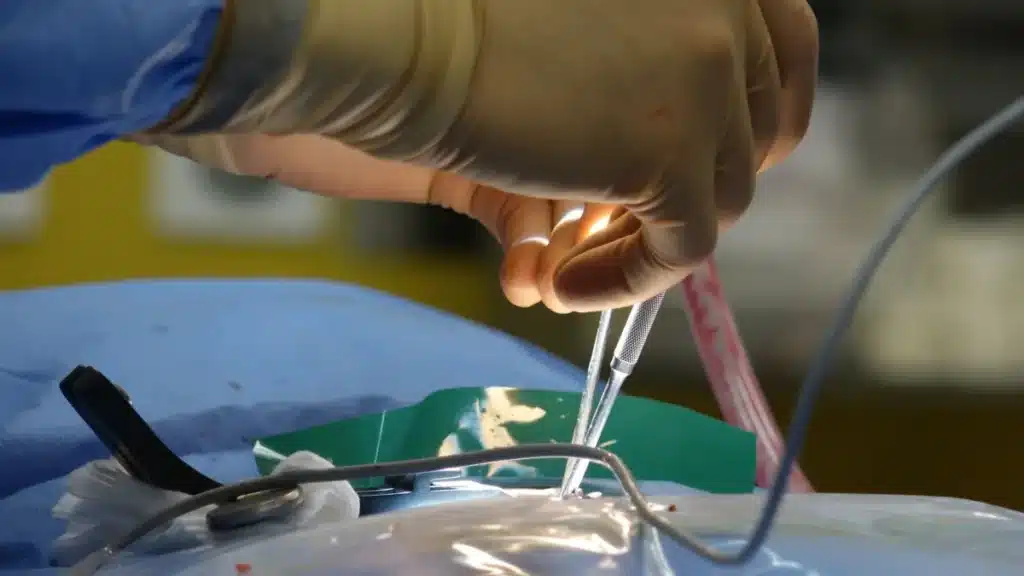
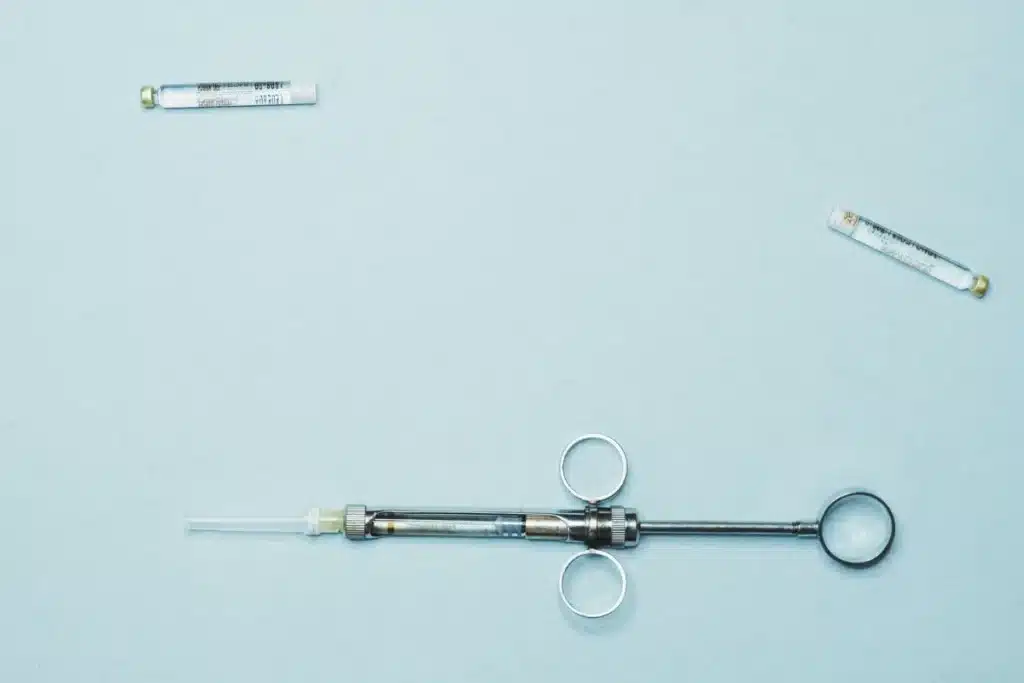
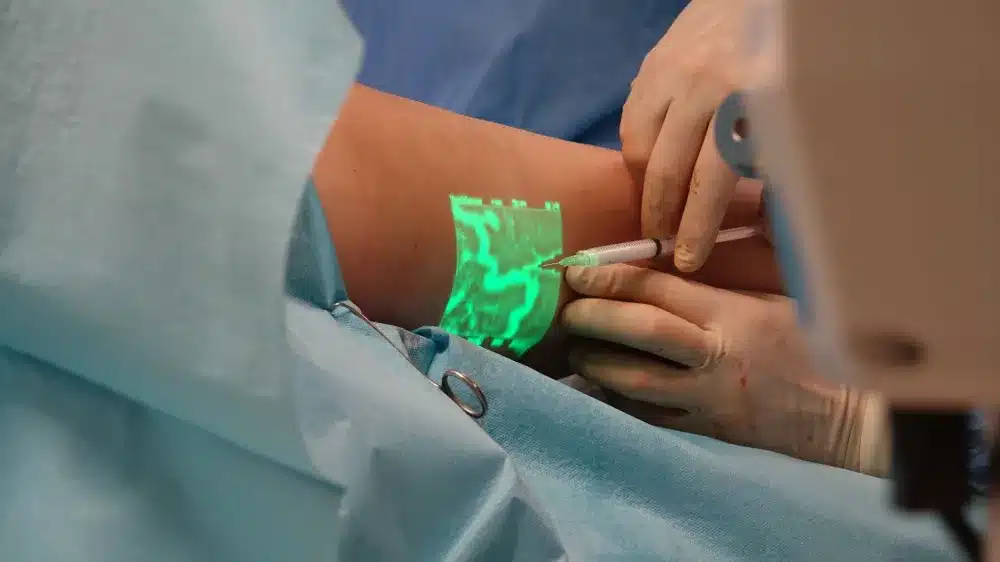
Trigger point injections (TPI) are one of the most direct, targeted approaches for myofascial pain currently available in interventional pain management. Here’s what the procedure typically involves, in plain terms:
- Targeted needle placement: A thin needle is inserted directly into the identified trigger point within the muscle tissue.
- Medication delivery: A local anesthetic (a numbing agent), sometimes combined with a corticosteroid, is typically injected to help interrupt the pain cycle in that muscle band.
- Short in-office procedure: The injection process itself often takes about 15 to 30 minutes in many cases, depending on the number of sites treated.
- Outpatient setting: This is generally performed in a clinic setting, and most patients are able to return home the same day.
- May help reduce pain and improve movement: Many patients report a reduction in muscle tightness and associated pain, though individual results vary.
How Does the Injection Work?
When a muscle fiber becomes locked in a contracted state and can’t release on its own, it creates a cycle of tension and pain. Injecting a local anesthetic directly into that site is thought to interrupt that cycle by temporarily disrupting the abnormal muscle activity.
When a corticosteroid is included, it may also help reduce localized inflammation around the trigger point. The combination is designed to give the muscle a chance to relax so that normal function and movement can begin to be restored over time. Research published through the National Institutes of Health (NIH) suggests that trigger point injections may be a useful tool within a broader myofascial pain management plan.
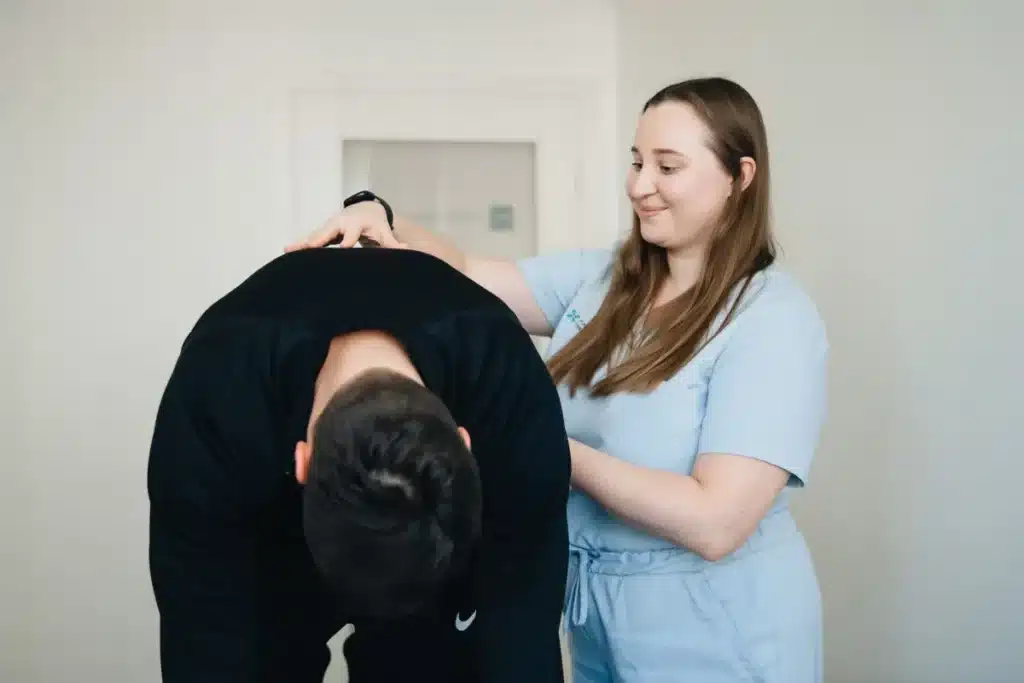
TPI works best when paired with other care, such as physical therapy for the spine or therapeutic exercises, which can help retrain the muscle and prevent the knot from reforming. Your care team will work with you to put together a plan that addresses both the immediate pain and the underlying cause.
Now Accepting New Patients
Talk to a Plano Specialist About Muscle Pain
If persistent muscle knots are affecting your daily routine, a consultation at our Plano, TX clinic may help clarify your options. Call (469) 915-5222 or visit our Plano location page to request an appointment.
Who Might Be a Good Candidate?
Trigger point injections are commonly considered for people whose muscle pain has not responded well to conservative measures like rest, stretching, over-the-counter medications, or a course of physical therapy. That said, not everyone is an ideal candidate, and a proper evaluation is always the starting point.
You may be a reasonable candidate to discuss TPI with a provider if you:
- Have identifiable trigger points: A physical exam can often locate specific, reproducible tender spots in the muscle.
- Experience referred pain: Pain that travels from one spot to another in a recognizable pattern is a classic myofascial symptom.
- Have tried conservative care: Many providers recommend TPI after other first-line options have not provided adequate relief.
- Don’t have active infection at the injection site: Skin infections or systemic infections may make injection therapy temporarily unsuitable.
- Are not on blood-thinning medications (or can safely pause them): Your provider will review your medication list during your consultation.
Who This Procedure May Not Be Ideal For
Trigger point injections are not appropriate for everyone. People with certain bleeding disorders, allergy to local anesthetics, or active localized infection will generally not be candidates. Pregnant patients will need a careful provider discussion before any injection procedure. Additionally, if imaging or other diagnostics suggest your pain is coming from a structural spinal issue rather than the muscle itself, a different approach, such as epidural steroid injections or facet block injections, may be more appropriate. The goal of a consultation is to make sure you get the right treatment for your situation.
What to Expect at Your Appointment
Knowing what a procedure day looks like can take a lot of the anxiety out of it. Here’s a general sense of how a trigger point injection appointment typically flows at an interventional pain management clinic like the Spine and Pain Clinic of Texas in Plano, TX.

Recovery and What Comes After
Recovery from trigger point injections is generally straightforward for most patients. Some people notice immediate relief, while others experience temporary soreness at the injection site for a day or two before improvement sets in. Both responses are normal.
Your provider will typically recommend gentle movement and stretching in the days following the procedure to help the muscle stay relaxed and prevent the trigger point from re-forming. Avoiding strenuous activity for a short period is also commonly advised, though specific guidance will depend on which muscles were treated and your overall health.
In many cases, a series of injections spaced over several weeks is used rather than a single session. This approach is designed to give the muscles time to respond and for complementary therapies, like physical therapy, to take effect between treatments. Your provider will discuss a realistic schedule based on your individual situation.
Now Accepting New Patients
Explore Myofascial Pain Relief Options in Plano
Wondering whether trigger point injections could be right for you? Our team, including interventional pain management specialist Dr. Muhammad Arif, MD, is available to discuss your symptoms and evaluate your candidacy. Call (469) 915-5222 today.
Questions to Ask at Your Consultation
Walking into a pain management appointment prepared can make a real difference. Here are a few questions worth raising with your provider:
- Which muscles will be targeted, and why do you suspect those are the source of my pain?
- Will image guidance be used, and if not, why isn’t it needed for my case?
- How many sessions might I need, and how will we measure progress?
- What should I do between appointments to support my recovery, such as specific stretches or activity modifications?
- Will my insurance cover this procedure, and can your team help verify my benefits before we schedule?
Care for Myofascial Pain in Plano, TX
The Spine and Pain Clinic of Texas in Plano serves patients from across the northern Dallas-Fort Worth area, including those coming in from Frisco, Allen, McKinney, Richardson, Carrollton, The Colony, Murphy, Wylie, and North Dallas. Whether you’re coming in from near the President George Bush Turnpike or heading in along the Dallas North Tollway, the Plano clinic is accessible from throughout the region.
Dr. Muhammad Arif, MD, an interventional pain management specialist, is part of the care team serving patients at this location. The clinic is currently accepting new patients for trigger point injection consultations. If you’ve been searching for a pain clinic near me or a pain specialist in Texas that takes myofascial pain seriously, this is worth exploring.
For patients in West Plano or Far North Dallas, the proximity to the Shops at Legacy area and easy access from the Dallas North Tollway make the clinic a practical choice for ongoing care without a long drive.

Taking the Next Step Toward Relief
Living with nagging muscle knots and myofascial pain doesn’t have to be your default. If you’ve tried stretching, rest, and over-the-counter options without lasting improvement, a consultation about trigger point injections in Plano, TX may be a worthwhile next step. The goal is to give you a clear picture of your options so you can make an informed decision about your care.
Dr. Muhammad Arif, MD and the team at the Spine and Pain Clinic of Texas are available to evaluate your symptoms, identify the source of your muscle pain, and discuss whether trigger point injections, physical therapy, or another approach fits your situation best. You can learn more about the full range of injections and nerve blocks available at the clinic, or explore the trigger point injection service page for additional details.
To book a consultation at the Plano location, visit the Plano clinic page or call (469) 915-5222 directly. The clinic is easy to reach from Legacy West and the surrounding area along US-75.
Now Accepting New Patients
Ready to Address Your Muscle Pain Near You?
Take the first step toward understanding your treatment options at the Spine and Pain Clinic of Texas in Plano, TX, conveniently located near the Dallas North Tollway. Visit our Plano clinic page or call (469) 915-5222 to schedule your consultation.
The same quality of care is also available at the clinic’s other Texas locations: Grand Prairie, TX at (469) 680-3886, Longview, TX at (214) 256-3900, and Tyler, TX at (214) 256-3900, so patients across the state have access to skilled interventional pain management close to home.
This article is for educational purposes only and is not a substitute for professional medical advice, diagnosis, or treatment. Always consult a qualified healthcare provider about your specific condition. If you experience severe or sudden symptoms, seek emergency care immediately.