
Fibromyalgia muscle pain has a way of showing up everywhere at once: a burning knot at the base of your neck, tight bands across your upper back, tender spots along your hips and shoulders that flare without warning. If stretching, rest, and over-the-counter options haven’t helped, you’re not out of choices. Trigger point injections in Plano, TX are one targeted option worth discussing with a specialist, especially if you live near US-75 or anywhere in the northern Dallas-Fort Worth area.
In this guide
- What Is Fibromyalgia Muscle Pain, Really?
- What Do Trigger Point Injections Involve?
- Who May Be a Good Candidate?
- How Does the Procedure Actually Work?
- What to Expect After Your Injection
- Trigger Point Injections vs. Other Common Options
- Practical Questions to Ask at Your Consultation
- Why Choose the Plano, TX Clinic for Fibromyalgia Care?
- Taking the Next Step Toward Relief
- FAQ
What Is Fibromyalgia Muscle Pain, Really?
Fibromyalgia is a chronic pain condition that affects the way your nervous system processes pain signals. The result is widespread musculoskeletal pain, meaning pain felt in muscles, tendons, and soft tissues all over the body. According to the Mayo Clinic, fibromyalgia affects millions of Americans and is frequently accompanied by fatigue, sleep difficulties, and heightened sensitivity to pressure or touch.
Within that picture, many people with fibromyalgia also develop myofascial trigger points: hyper-irritable spots within a muscle that feel like hard knots under the skin. Press on one and you may feel a sharp local ache, a referred pain pattern that travels elsewhere, or an involuntary muscle twitch. These active trigger points can make an already difficult condition feel nearly unmanageable. Sound familiar?

What Do Trigger Point Injections Involve?
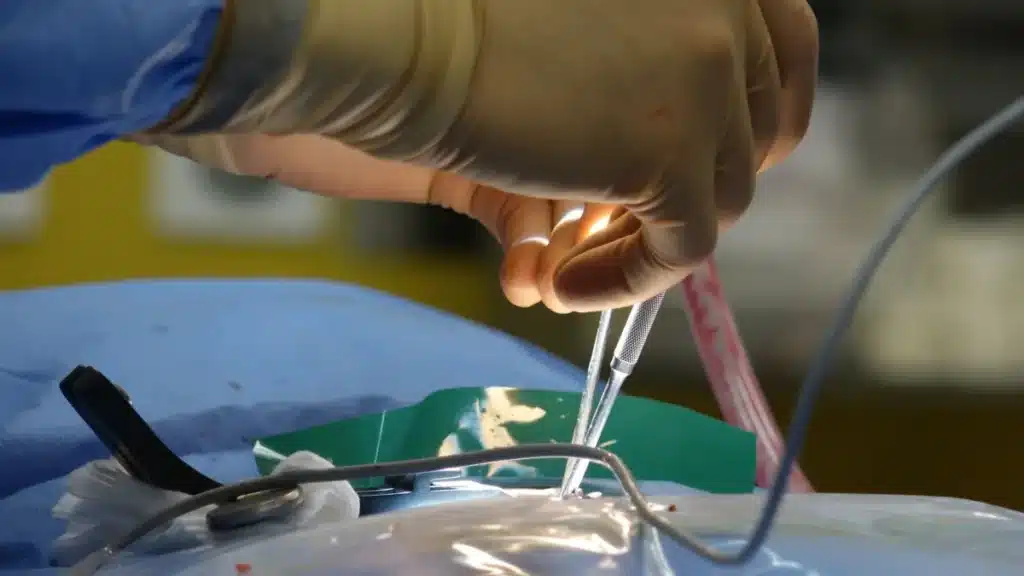
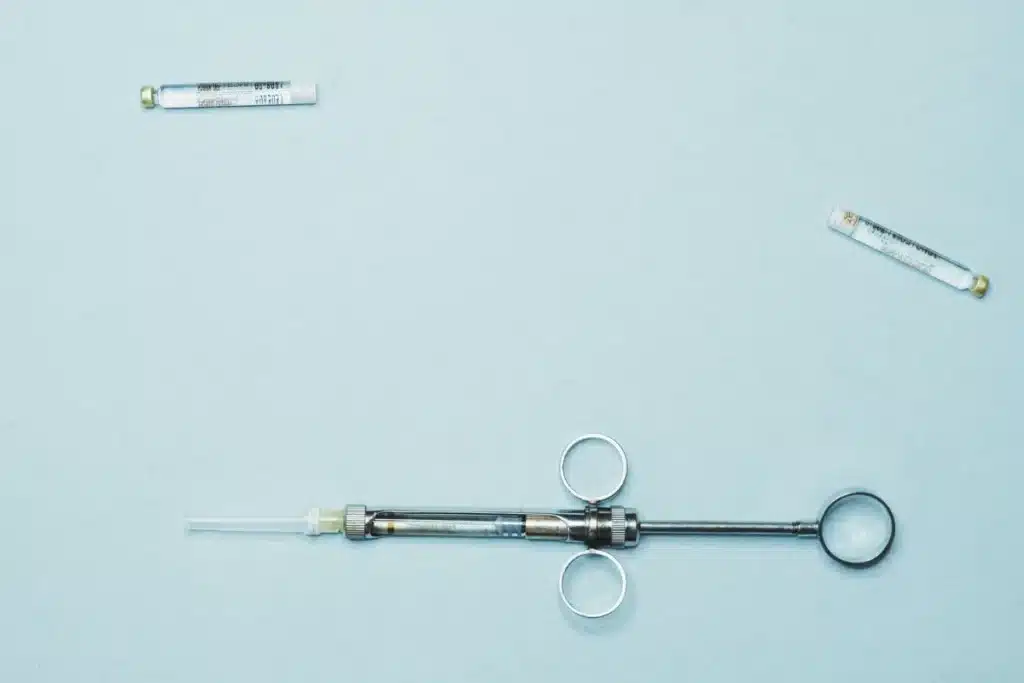
Trigger point injections (TPIs) are a well-established tool in interventional pain management, designed to quiet overactive muscle tissue directly at the source. Here’s what the procedure generally involves and what it may offer:
- Targeted needle placement: A small needle is guided into the identified trigger point, often located in the neck, upper back, shoulders, or lower back muscles common in fibromyalgia.
- Local anesthetic delivery: A local anesthetic, such as lidocaine, is injected to interrupt pain signals and help the muscle relax. A low-dose corticosteroid (an anti-inflammatory medication) may be included depending on your situation.
- Short procedure time: The injection itself often takes about 15 to 30 minutes total, depending on how many sites are treated.
- May help reduce localized tenderness: Many patients report a reduction in trigger point pain and improved ability to move the affected area, though results vary.
- Outpatient and minimally invasive: No general anesthesia, no hospital stay. Most people return to light daily activities shortly after the appointment.
Who May Be a Good Candidate?
Trigger point injections may be worth considering when fibromyalgia-related muscle pain hasn’t responded well to conservative measures alone. Generally, candidates tend to share a few common traits.
You may benefit from discussing TPIs with a specialist if you have identifiable, palpable trigger points in specific muscles, if your pain significantly interferes with sleep or daily function, or if physical therapy alone hasn’t provided enough relief. People whose pain is primarily widespread nerve-related sensitivity without distinct muscular knots may benefit more from other approaches, which your doctor can help clarify.
Who this procedure is generally not ideal for: Individuals with active infection at the injection site, a known allergy to local anesthetics, certain bleeding disorders, or who are pregnant should discuss those factors with their provider first. Being open about your full medical history helps your care team recommend the safest path.
Now Accepting New Patients
Find Fibromyalgia Muscle Pain Relief in Plano
A consultation at our Plano clinic near Legacy West can help determine whether trigger point injections are a good fit for your fibromyalgia symptoms. Call (469) 915-5222 or visit our Plano location page to request an appointment.
How Does the Procedure Actually Work?
Trigger point injections work by mechanically disrupting the dysfunctional muscle fibers in a trigger point and delivering medication that reduces local inflammation and interrupts the pain-spasm cycle. The National Institutes of Health notes that research on TPIs for myofascial pain syndromes, including fibromyalgia-related muscle pain, suggests they can provide meaningful short-term relief for some patients, particularly when combined with rehabilitative therapies.
Here’s what a typical appointment pathway looks like at an interventional pain clinic:

What to Expect After Your Injection
Recovery from a trigger point injection is typically straightforward. Most people experience some mild soreness at the injection site for a day or two, similar to what you’d feel after a flu shot. Applying a warm compress and gently moving the treated area can help.
Some patients notice relief fairly quickly, within hours to a couple of days, as the local anesthetic takes effect. Others find the benefit builds over the following week. Because fibromyalgia is complex, your provider may recommend a series of injections over time rather than a single session. The timeline and frequency are individualized based on your response and overall care plan.
Now Accepting New Patients
Talk to a Plano Pain Specialist About Your Options
If muscle knots and widespread tenderness are affecting your daily life, Dr. Muhammad Arif and the Plano team are ready to build a care plan around your needs. Reach out at (469) 915-5222 or book a consultation online.
Trigger Point Injections vs. Other Common Options
Trigger point injections sit within a spectrum of treatment approaches for fibromyalgia muscle pain. Understanding where they fit can help you ask better questions at your consultation.
For many patients, medication management serves as a foundational layer that makes other treatments more effective. Your care team at the Plano clinic can help you understand which combination of minimally invasive procedures and conservative strategies makes the most sense for your specific pain pattern.

Practical Questions to Ask at Your Consultation
Walking in with a few focused questions can help you get the most out of your first appointment. Consider asking your provider:
- How many trigger points will you treat at one session? Some providers treat one or two sites per visit; others address several depending on your tolerance and clinical picture.
- What medication will be used? Ask whether your injection will include only a local anesthetic or also a corticosteroid, and why one approach may be preferred for you.
- How will we measure whether it’s working? A clear follow-up plan matters. Ask about the timeline for assessing your response.
- What should I do between sessions? Specific stretches, activity modifications, or complementary therapies may help you get more benefit from each injection.
- Does my insurance cover this? Coverage for trigger point injections varies by plan and diagnosis. The clinic team can assist with benefits verification.
Why Choose the Plano, TX Clinic for Fibromyalgia Care?
The Spine and Pain Clinic of Texas in Plano brings together interventional expertise and a patient-centered approach in a location that’s easy to reach from across the northern Dallas-Fort Worth corridor. Whether you’re coming from Frisco along the Dallas North Tollway, from Allen or McKinney to the north, from Richardson via US-75, or from Carrollton, The Colony, or Murphy, the Plano location is designed to serve the whole northern Dallas region.
Dr. Muhammad Arif, MD, an interventional pain management specialist, sees patients at all four Texas clinic locations and is available to evaluate whether trigger point injections or a combination of therapies is appropriate for your fibromyalgia-related muscle pain. Patients looking for a pain specialist near the President George Bush Turnpike or the Legacy West and Shops at Legacy area of Plano will find the clinic a short, convenient drive away.
Taking the Next Step Toward Relief
Living with fibromyalgia-related muscle pain is exhausting. The knots, the tenderness, the way a bad flare can derail an entire week: it wears on you. Trigger point injections won’t rewrite your diagnosis, but for patients with active, identifiable trigger points, they can be a meaningful part of a care plan that helps you function better every day.
The team at the Spine and Pain Clinic of Texas in Plano is currently accepting new patients for consultations. The clinic typically offers same-week appointments, so you don’t have to wait long to get answers. Dr. Muhammad Arif and the Plano team will take time to review your history, examine your pain pattern, and talk through every option, including trigger point injections and the other injections and nerve blocks available to you.
Call (469) 915-5222 to schedule your consultation, or visit the Plano location page at spinenpain.org/plano-tx/ to request an appointment online. The clinic sits just minutes from the Dallas North Tollway in Plano, making it genuinely accessible for patients throughout the North Dallas area.
The same expert care is also available at the clinic’s other Texas locations: Grand Prairie, TX at (469) 680-3886, Longview, TX at (214) 256-3900, and Tyler, TX at (214) 256-3900, so patients across the state can access quality interventional pain management close to home.
Now Accepting New Patients
Ready to Take the Next Step? We’re Here.
Don’t let fibromyalgia muscle pain put your life on hold. Contact the Spine and Pain Clinic of Texas in Plano, TX today at (469) 915-5222 or visit spinenpain.org/plano-tx/ to schedule your consultation.
This article is for educational purposes only and is not a substitute for professional medical advice, diagnosis, or treatment. Always consult a qualified healthcare provider about your specific condition. If you experience severe or sudden symptoms, seek emergency care immediately.